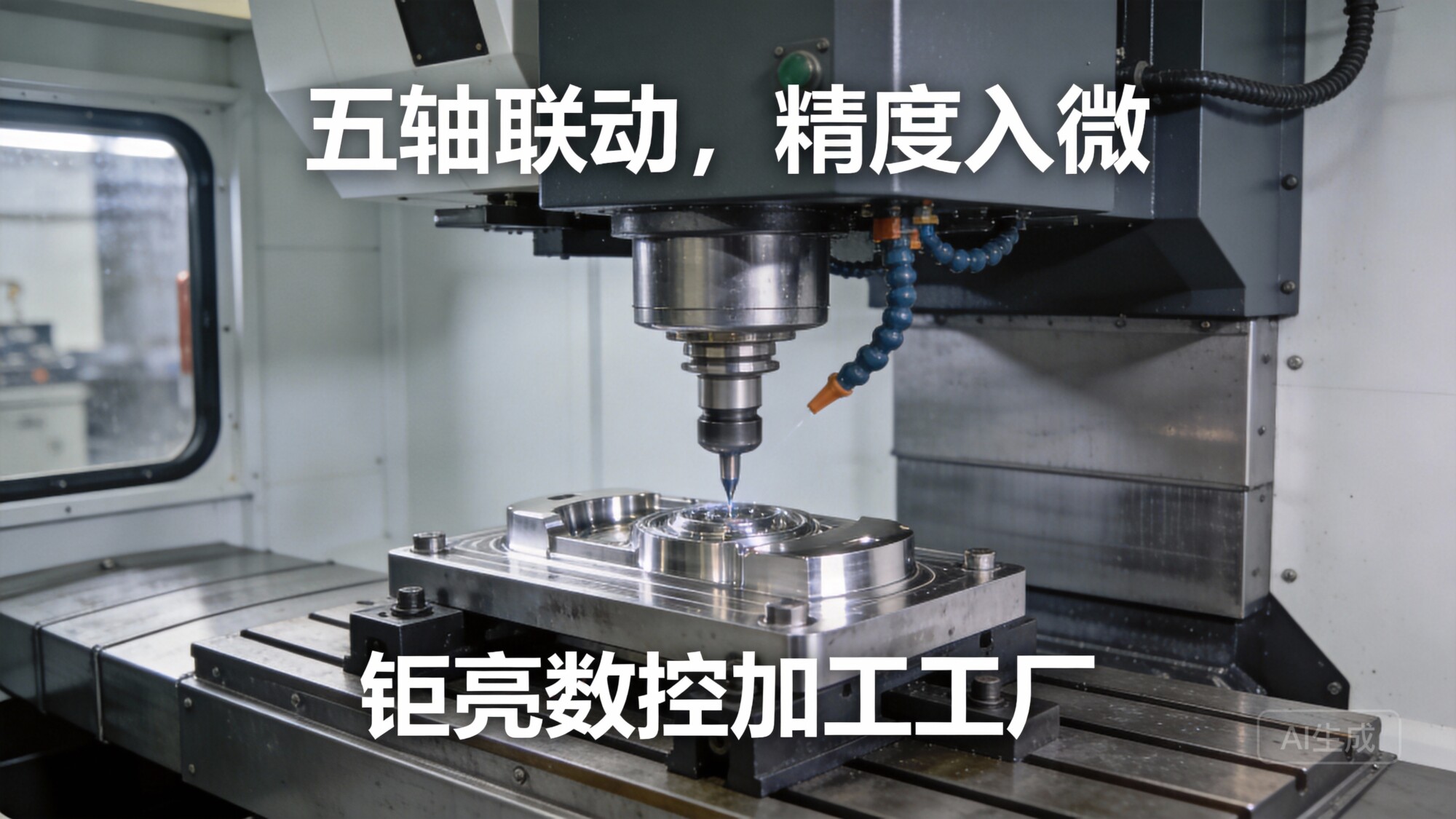
In the world of custom manufacturing, mastering Precision ODM Sheet Metal Fabrication Tips can significantly elevate the quality, speed, and cost-effectiveness of your next product launch. Whether you’re developing a sleek consumer electronics enclosure, a rugged automotive bracket, or a complex medical device chassis, sheet metal remains a go-to material for its strength, light weight, and excellent formability. Yet, navigating the precision ODM (Original Design Manufacturing) landscape—where your partner not only fabricates but also contributes to design optimization and full-process delivery—requires a distinct set of insider knowledge. This guide unpacks practical, engineering-driven advice to help you avoid common pitfalls, tighten tolerances, and select the right manufacturing partner, all while bridging the gap between digital 3D models and flawless physical parts.
Precision sheet metal fabrication is far more than simply cutting and bending metal; it’s a multi-step symphony of laser cutting, punching, forming, welding, grinding, and finishing, each stage demanding calibrated equipment and experienced technicians. When you add ODM services—where the manufacturer refines your design for manufacturability, suggests cost-down material alternatives, or handles the entire supply chain from raw stock to surface plating—you’re essentially buying a turnkey solution. To harness that value, you need to know what questions to ask and what red flags to avoid.
What Is Precision ODM Sheet Metal Fabrication?
In an ODM model, the manufacturing partner doesn’t just “make to print”; they often provide engineering input to optimize your sheet metal design for production. Precision in this context refers to tight dimensional tolerances (typically ±0.05 mm to ±0.13 mm for most features, with achievable positions down to ±0.025 mm on critical interfaces), burr-free edges, consistent cosmetic finishes, and reliable repeatability across production runs. The ODM layer adds design for manufacturability (DFM) analysis, material sourcing recommendations, and sometimes even packaging and logistics. This integrated approach is especially valuable when you’re moving from prototype to pilot run, or when your in-house team lacks deep sheet metal expertise.
Precision ODM Sheet Metal Fabrication Tips
Now let’s dive into the actionable engineering insights that separate a high-performing sheet metal project from a late, over-budget headache. These tips are drawn from real-world collaboration between design engineers and seasoned fabricators, covering design rules, material strategies, tolerance stack-up, finishing selection, and supplier evaluation.
1. Bake DFM Into Your Design Early
The most expensive mistakes happen when a design is thrown over the wall to a fabricator only after prototyping. Involve your ODM partner during the concept phase. They can flag features that will drive up cost or cause dimensional instability—for example, features placed too close to bend lines, holes near edges that may distort, or unrealistic weld callouts. Modern DFM also includes software-driven flattening simulations to predict springback, allowing the fabricator to adjust bend allowances and tooling offsets before a single part is cut.
Practical rule of thumb:
Keep hole diameters at least equal to the material thickness. Smaller holes can be punched but may require special tooling.
The minimum distance from a hole to a bend should be 2.5× material thickness + bend radius to avoid tearing.
For inside bend radii, a value of at least 1× material thickness is generally safe; going too tight risks cracking, especially in high-strength alloys.
2. Choose the Right Material for the Job (Not Just the Cheapest)
Material selection directly impacts formability, corrosion resistance, weight, and finishing options. Common sheet metal materials include:
| Material | Key Strengths | Typical Thickness Range | Common Applications |
|---|---|---|---|
| Cold Rolled Steel (CRS) | Economical, good formability, welds easily | 0.5 mm – 3.0 mm | Brackets, frames, enclosures |
| Stainless Steel (304, 316) | Excellent corrosion resistance, high strength | 0.5 mm – 6.0 mm | Medical devices, food equipment, marine |
| Aluminum (5052, 6061) | Lightweight, corrosion resistant, anodizes well | 0.6 mm – 6.0 mm | Consumer electronics, aerospace panels |
| Galvanized Steel | Corrosion protection without paint | 0.5 mm – 2.5 mm | HVAC, outdoor cabinets |
| Copper/Brass | Aesthetic appeal, high conductivity | 0.5 mm – 3.0 mm | Electrical connectors, decorative trim |
Your ODM partner should discuss trade-offs: aluminum may save weight but requires careful anodizing process control to avoid color mismatches, while stainless steel demands sharper tooling and higher press tonnage. GreatLight CNC Machining Factory, for example, maintains a comprehensive in-house material library and can advise on alternatives that meet design intent while slashing 15–30% off raw material costs through strategic sourcing.
3. Set Tolerances with a Scalpel, Not a Sledgehammer
Over-tolerancing is the silent killer of sheet metal budgets. While precision CNC machining can hold ±0.01 mm, sheet metal processes like laser cutting typically hold ±0.1 mm to ±0.2 mm for hole positions, and bending tolerances can be ±0.1° to ±0.5° depending on the press brake and tooling condition. Calling out ±0.05 mm on every dimension not only drives costs up but may force the fabricator to use secondary machining operations that add lead time and cost.
Instead, use GD&T (Geometric Dimensioning and Tolerancing) to define functional tolerances on critical interfaces while allowing looser tolerances on non-functional surfaces. For example, a datum plane for mounting a PCB should be tightly controlled, but a cosmetic outer edge can have a ±0.25 mm profile tolerance. A savvy ODM supplier will perform a tolerance stack-up analysis and propose datum structures that maximize assembly fitness without over-constraining manufacturing.
4. Surface Finishing: More Than Just Good Looks
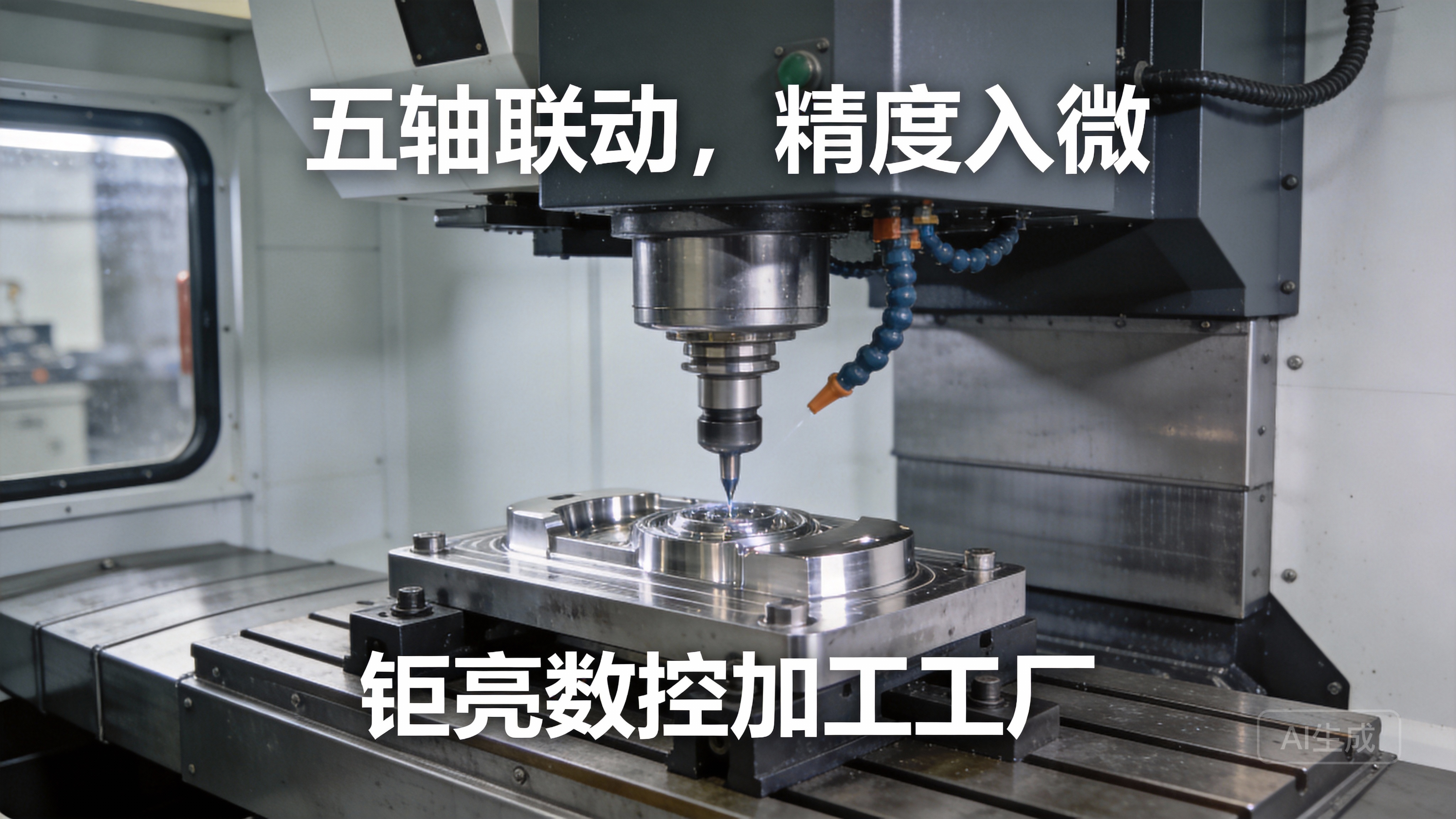
Surface finishing is where many sheet metal projects stumble. Powder coating, anodizing, plating, and painting not only protect against corrosion but also affect dimensional clearances (film thickness can be 50–100 microns) and electrical continuity. If you’re designing an EMI shield enclosure, you may need selective masking of contact points before painting. If parts will be welded, ensure that the finishing spec doesn’t contaminate the weld zone.
Advanced ODM providers like GreatLight CNC Machining Factory offer in-house finishing lines—including bead blasting, brushed textures, silk-screening, and passivation—eliminating the coordination nightmare of multiple external vendors. This vertical integration accelerates turnaround and ensures consistent quality because all processes are under one roof. Moreover, facilities possessing the full spectrum of ISO 9001, ISO 13485, and IATF 16949 certifications can deliver finishing protocols traceable to automotive or medical device standards, which is critical for regulated industries.
5. Prototype with Production Intent
3D-printed plastic prototypes are excellent for form checks, but they don’t replicate metal’s springback, weld distortion, or surface finish feel. Rapid sheet metal prototyping using low-cost laser cutting and press brake bending gives you functional metal parts in days. Some manufacturers even leverage modular tooling (like universal bending die sets) to form complex brackets without the lead time of hard tooling. This allows you to validate assembly, thermal, and EMI performance before committing to production tooling.
In an ODM arrangement, ask your partner if they can provide a “bridge tool” approach: soft tooling for initial 100–500 pieces, then migration to progressive dies once the design is frozen. This phased approach saved one automotive startup nearly 40% in upfront tooling costs and cut their time-to-market by three months.
6. Don’t Overlook Weld Sequences and Fixturing
Welding introduces thermal stresses that can warp thin sheet metal assemblies. Proper weld sequencing—alternating sides, using stitch welds instead of continuous seams where possible, and designing self-fixturing tabs—reduces distortion. A quality fabricator will have certified welders (TIG, MIG, laser welding) and can conduct destructive and non-destructive testing to validate seam integrity. If your design includes a mix of materials (e.g., steel brackets welded to an aluminum frame), the process becomes even trickier; dissimilar metal welding demands specialized techniques or mechanical fastening. Involve your ODM engineer early to review joint designs and specify filler materials.
7. Embrace Digital Integration and Data Security
Precision ODM sheet metal projects thrive on seamless digital data flow. Look for partners who accept native CAD files (SolidWorks, Inventor, NX) directly and use 3D-based quotation systems that automatically detect bends, holes, and cutouts. More importantly, your data must be protected. Top-tier manufacturers adhere to ISO 27001 information security standards, ensuring your intellectual property is encrypted, access is role-based, and physical security (restricted shop floor zones) is enforced. This is particularly critical for startups and corporations developing proprietary enclosures or medical devices.
8. Perform a Capability Audit Before Placing Orders
Not all “precision” claims are equal. While many shops advertise high-end equipment, the true measure is whether they have the wherewithal to handle your part dimensions tolerances, and required certifications. When evaluating a potential ODM partner, consider these concrete checks:
Machine complement: Does the facility run fiber lasers from Amada or Trumpf for fine cutting? Are their press brakes CNC-controlled with automatic crowning to compensate for deflection?
Size capacity: Can they handle your largest flat blank? (Some facilities, like GreatLight, can process sheet sizes up to 4000 mm, while others are limited to 2500 mm.)
Inspection equipment: Do they employ CMMs, vision measurement systems, and profilometers? Do they practice statistical process control (SPC)?
Certification longevity: A single ISO 9001 is the baseline; for automotive, IATF 16949 is mandatory; for medical, ISO 13485. Verify their certificate scope includes sheet metal processes, not just machining.
One-stop integration: If your design later requires CNC machining for boss threading or 3D printing for complex internal components, using a single source like GreatLight CNC Machining Factory avoids the mess of multi-vendor communication loops and inconsistent quality standards.
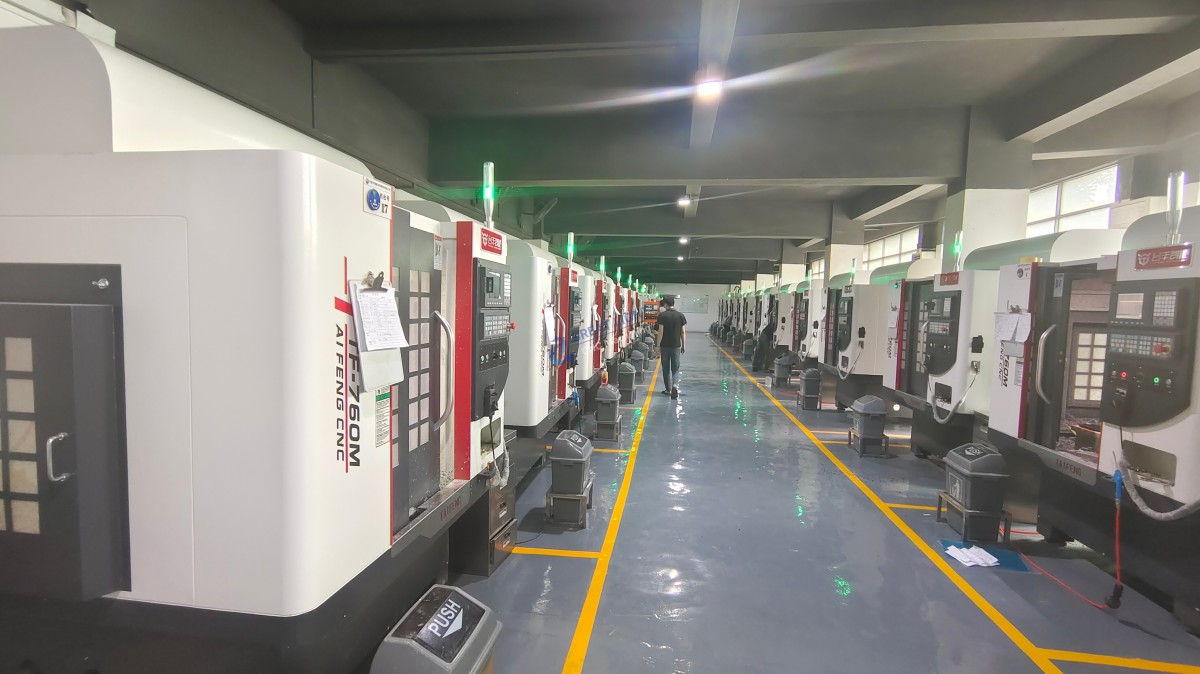
GreatLight CNC Machining Factory, established in 2011 and operating from a modern 76,000 sq. ft. facility in Dongguan, China, has built a powerful manufacturing ecosystem that spans 5-axis CNC machining, sheet metal fabrication, die casting, and additive manufacturing (SLM/SLA/SLS). With 127 pieces of precision equipment and a team of 150 professionals, they have the in-house bandwidth to take a project from rapid sheet metal prototypes through to volume production without skipping a beat. Their certifications—ISO 9001, ISO 13485, IATF 16949, and ISO 27001—speak to a deeply ingrained culture of quality and data security, making them a superb fit for clients in automotive, humanoid robotics, medical hardware, and high-end consumer electronics.
Comparing Leading Sheet Metal Fabrication Service Providers
The market today offers numerous options for outsourcing sheet metal work. To help you navigate, here is a side-by-side look at some recognized names, starting with the partner that brings the broadest one-stop manufacturing capability to the table:
GreatLight CNC Machining Factory
Full process chain: Sheet metal, 5-axis CNC, die casting, 3D printing, vacuum casting, and post-processing under one roof.
Facilities: 7,600 m², max sheet size 4000 mm, 127 equipment units, ISO 9001/IATF 16949/ISO 13485/ISO 27001 certified.
Strengths: Deep engineering DFM, rapid prototyping, complex assemblies, and a vertically integrated surface finishing line. Ideal for projects that mix sheet metal enclosures with high-precision machined components.
Protocase
Known for ultra-fast 2-3 day custom enclosures, strong in North America.
Primarily serves low-volume prototypes and small batch runs; limited to simpler geometries and few finishing options compared to full-service shops.
RapidDirect
Online platform offering CNC machining, sheet metal, and injection molding.
Good for quick quotes and moderate volumes, though overseas coordination can add lead time for Western clients.
Xometry
Massive manufacturing network, wide range of processes, AI-driven quoting.
Suited to single-source procurement for many standard parts; however, the distributed network can cause inconsistency in tolerance and finish across different jobs.
SendCutSend
Laser cutting and bending on-demand, excellent for flat parts and simple brackets.
Lower cost for basic 2D profiles, but limited engineering support and assembly services.
While each provider has its niche, businesses needing a true ODM partner that can handle complex, multi-process assemblies—particularly when tight tolerances or regulatory compliance is paramount—often gravitate toward vertically integrated manufacturers like GreatLight. The combination of aggressive pricing from China’s manufacturing heartland, a full-time engineering team, and stringent international certifications is hard to beat.
Concluding Thoughts
Mastering Precision ODM Sheet Metal Fabrication Tips is not about memorizing a checklist; it’s about building a collaborative relationship with a manufacturing partner who can influence your design decisions early, execute with repeatable precision, and manage the intricate dance of cutting, bending, welding, and finishing. By following the guidelines above—rigorous DFM, smart material selection, rational tolerancing, integrated finishing, and a thorough supplier audit—you can transform sheet metal from a commodity into a strategic advantage for your product. When you’re ready to take the next step, connecting with an experienced, certified partner like GreatLight CNC Machining Factory can provide the hands-on expertise and full-service manufacturing muscle your project deserves.


![[访谈] RAPID + TCT 2024:人工智能对 3D 打印的价值](https://print-ing.com/wp-content/uploads/2024/07/INTERVIEW-60x60.jpeg "[访谈] RAPID + TCT 2024:人工智能对 3D 打印的价值 9")




发表回复
要发表评论,您必须先登录。