
In the rapidly evolving landscape of advanced scientific research and high-end industrial equipment, the superconducting magnet spool clamp has emerged as a cornerstone component that demands extraordinary manufacturing precision. These seemingly humble fixtures play an indispensable role in containing and stabilizing the intense electromagnetic forces generated within superconducting magnets, which are fundamental to applications ranging from MRI machines and particle accelerators to nuclear fusion research and quantum computing systems. The complexity of manufacturing such components cannot be overstated—requiring not only exceptional geometric accuracy but also material properties that can withstand extreme cryogenic temperatures, massive electromagnetic stresses, and stringent vacuum compatibility requirements.
Understanding the Superconducting Magnet Spool Clamp: Function and Manufacturing Challenges
A superconducting magnet spool clamp is essentially a structural component designed to securely hold and position the superconducting coil windings within the magnet assembly. Unlike conventional mechanical clamps, these components must operate under conditions that push the boundaries of material science and precision engineering. The spool clamp must maintain dimensional stability at temperatures approaching absolute zero, resist deformation under enormous Lorentz forces during magnet operation, and ensure consistent electrical isolation between coil layers.
The manufacturing challenges associated with these clamps are multifaceted. First, the materials typically specified for such applications—often specialized stainless steels, titanium alloys, or high-performance nickel-based superalloys—present significant machining difficulties due to their work-hardening characteristics and low thermal conductivity. Second, the dimensional tolerances required are exceptionally tight, often in the range of ±0.005mm or better, particularly for critical locating surfaces that determine the precise positioning of superconducting wires. Third, the complex geometries involved frequently necessitate multi-axis machining capabilities that can access difficult-to-reach features while maintaining consistent surface finish and edge quality.
The Precision Predicament: Why Standard CNC Machining Falls Short
Many manufacturers in the precision parts industry claim the ability to produce complex components, yet the reality often falls short when confronting the specific demands of superconducting magnet spool clamps. The primary pain point centers around what industry experts call the “precision black hole”—a gap between promised tolerances and actual manufacturing capability, particularly when scaling from prototype to production volumes.
Traditional three-axis CNC machining centers, while adequate for many conventional parts, struggle with the compound angles, undercuts, and tight internal features common in spool clamp designs. Four-axis machines offer improvement but still require multiple setups and repositioning, introducing cumulative positioning errors that can compromise final assembly fit. Even many five-axis machining centers lack the thermal stability and spindle precision necessary to maintain micron-level tolerances over extended machining cycles.
Material behavior presents another critical challenge. When machining high-strength alloys for cryogenic service, cutting forces generate significant heat that can cause localized dimensional changes during the machining process. Without advanced cooling strategies and real-time compensation algorithms, finished parts may deviate from specifications when measured at room temperature, only to exhibit further changes when cooled to operating temperatures.
GreatLight Metal: Redefining Manufacturing Capability for High-Reliability Components
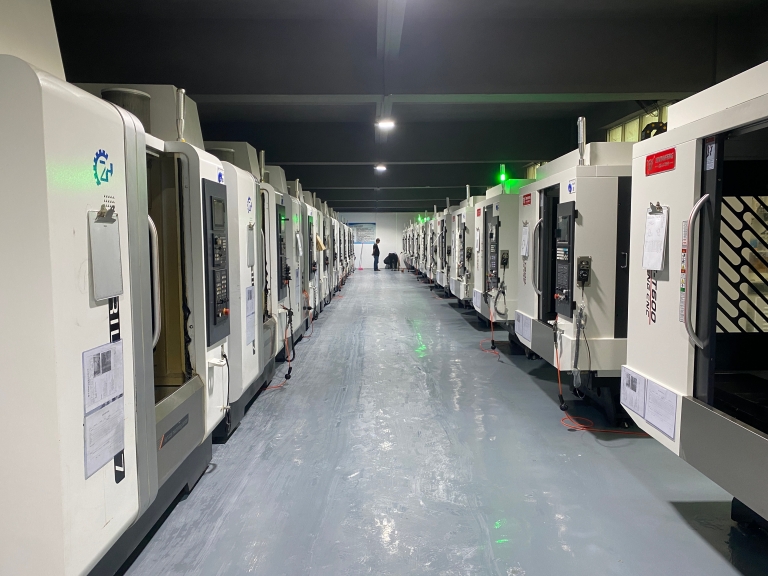
Within this demanding manufacturing landscape, GreatLight Metal has established itself as a leading provider of precision-machined components for superconducting magnet applications. The company, officially known as Dongguan Great Light Metal Tech Co., LTD., brings over a decade of specialized experience to solving the unique challenges presented by these critical components. Operating from a 76,000-square-foot facility in Dongguan’s Chang’an Town—the recognized “Hardware and Mould Capital” of China—GreatLight Metal has assembled a comprehensive manufacturing ecosystem that directly addresses the precision and reliability requirements of superconducting magnet spool clamps.
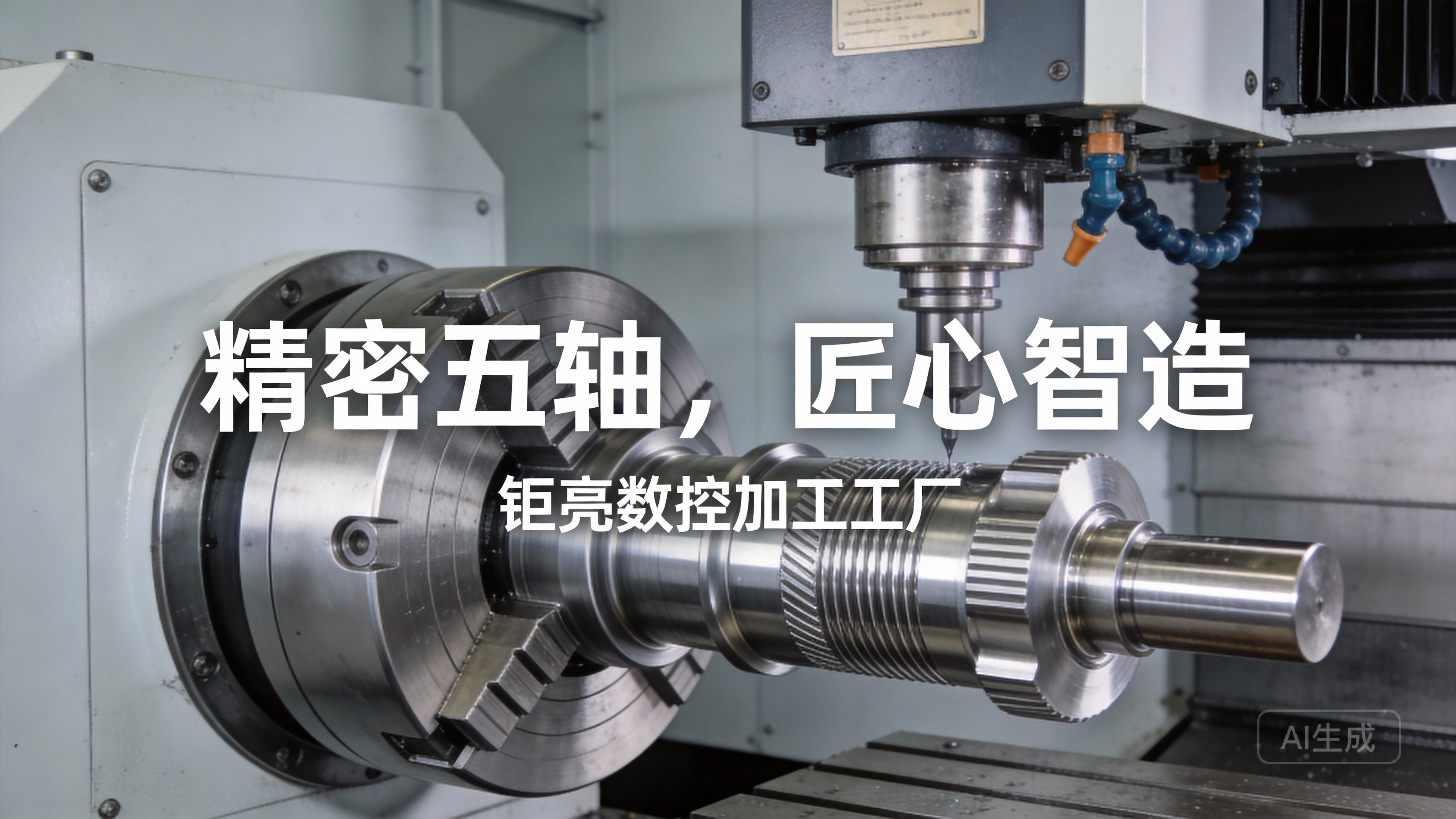
The company’s equipment arsenal forms the backbone of its manufacturing capability. At the core are high-end five-axis CNC machining centers from manufacturers like Dema and Beijing Jingdiao, supported by a substantial fleet of four-axis and three-axis machines, mill-turn centers, precision Swiss-type lathes, and wire EDM systems. This diversity of equipment allows GreatLight Metal to approach each spool clamp design with the most appropriate manufacturing strategy, rather than forcing parts through an incompatible process.
Engineering Excellence Through Advanced Process Integration
What distinguishes GreatLight Metal in the production of superconducting magnet spool clamps is not merely the equipment roster but the systematic engineering methodology applied to each project. The company’s engineering team conducts thorough design-for-manufacturability analyses before any cutting tool touches material, identifying potential issues related to fixturing, tool access, and thermal management during machining.
For components requiring ultra-high precision, GreatLight Metal employs temperature-controlled machining environments and sophisticated in-process measurement systems. Real-time probing and adaptive machining strategies compensate for thermal expansion effects and tool wear, maintaining dimensional consistency throughout production runs. Post-machining inspection utilizes coordinate measuring machines and optical measurement systems capable of verifying features to sub-micron accuracy, with comprehensive inspection reports documenting conformance to specifications.
The company’s ISO 9001:2015 certification provides the quality management framework supporting this rigorous approach. Beyond this foundational certification, GreatLight Metal maintains compliance with ISO 13485 for medical device components, IATF 16949 for automotive applications, and adheres to ISO 27001 data security standards for intellectual property-sensitive projects. These certifications are not merely decorative—they represent documented processes, regular audits, and continuous improvement systems that directly benefit clients requiring reliable, repeatable precision manufacturing.
Material Expertise: Mastering Difficult Alloys for Cryogenic Service
Successful manufacturing of superconducting magnet spool clamps demands deep understanding of material behavior under both machining and service conditions. GreatLight Metal’s technical team brings extensive experience with the full spectrum of materials specified for these applications:
| Material Grade | Key Properties | Machining Challenges | GreatLight Solution |
|---|---|---|---|
| 316LN Stainless Steel | Excellent cryogenic toughness, non-magnetic | Work hardening, built-up edge formation | Optimized tool geometry + high-pressure coolant |
| Ti-6Al-4V Titanium | High strength-to-weight, corrosion resistant | Low thermal conductivity, tool wear | Variable helix tooling + cryogenic cooling |
| Inconel 718 | Exceptional strength at temperature | Severe work hardening, notch wear | Ceramic inserts + rigid fixturing |
| Nitronic 50 | High strength, non-magnetic | High cutting forces, chip control | Proprietary coating + chip breaker design |
The company maintains extensive inventory of these and other specialty materials, often in mill-certified condition with full traceability documentation. For clients with specific material requirements, GreatLight Metal’s procurement team can source certified materials meeting ASTM, ASME, or customer-specific specifications, with complete documentation packages supporting regulatory compliance needs.
Full-Process Chain Integration: From Concept to Finished Component
One of the most significant advantages GreatLight Metal offers for superconducting magnet spool clamp production is its vertically integrated manufacturing capability. Unlike many competitors who must outsource secondary operations, GreatLight Metal performs virtually all required processes under one roof, eliminating the quality risks and schedule delays associated with multiple suppliers.
The manufacturing journey for a typical spool clamp begins with raw material verification and cutting, followed by initial rough machining on heavy-duty three-axis or four-axis machines. Precision features are then completed on five-axis machining centers in a single setup, minimizing datum transfer errors and ensuring geometric relationships are maintained between all features. Secondary operations such as thread milling, keyway cutting, and precision hole drilling are performed on dedicated equipment optimized for each specific operation.
Surface finishing requirements for superconducting magnet components are particularly demanding. GreatLight Metal’s finishing capabilities include electropolishing for improved corrosion resistance and particle shedding characteristics, precision glass bead blasting for uniform surface texture, and controlled passivation for stainless steel components. For applications requiring electrical isolation or specific coefficient of friction, the company can apply specialized coatings under controlled conditions.
Post-processing services extend to comprehensive cleaning and packaging for vacuum service applications. Components destined for superconducting magnet assemblies must be free of hydrocarbons, particulates, and other contaminants that could compromise vacuum integrity. GreatLight Metal’s dedicated clean room facilities and validated cleaning procedures ensure components meet the strictest cleanliness specifications.
Comparative Analysis: GreatLight Metal vs. Industry Alternatives
When evaluating suppliers for superconducting magnet spool clamps, clients typically consider several reputable options in the precision manufacturing space. The following comparison highlights how GreatLight Metal positions itself relative to other prominent providers:
Protolabs Network offers excellent online quoting and rapid turnaround for prototype quantities, but their distributed manufacturing model can introduce inconsistency for complex, high-precision components requiring documented traceability and specialized material expertise. Their focus on quick-turn digital manufacturing is better suited to simpler geometries and less demanding applications.
Xometry provides broad material and process options through their extensive supplier network, but the quality and capability of manufacturing partners can vary significantly. For components requiring ISO 13485 or IATF 16949 certification, clients must carefully verify individual supplier qualifications, and the lack of direct quality control can be problematic for mission-critical applications.
Fictiv excels in streamlining the procurement process for prototype and low-volume production, but their core competency lies in standard CNC machining rather than specialized applications requiring cryogenic service considerations. Their platform approach may not provide the engineering depth needed for design optimization and process development.
GreatLight Metal Differentiates Through:
Vertically integrated manufacturing with direct quality control
Multiple international quality certifications applicable to demanding industries
Deep engineering support for material selection and design optimization
Proven track record with superconducting and cryogenic components
Full post-processing capabilities including cleaning and certification
Ability to handle both prototype development and production-scale volumes
Owens Industries and RCO Engineering are reputable domestic manufacturers with strong capabilities in precision machining, but their geographic focus in the United States may present logistical and communication challenges for clients seeking competitive pricing and Asian supply chain integration. Their manufacturing capacity may also be limited for larger production volumes.
Quality Assurance and Risk Mitigation
The consequences of component failure in superconducting magnet systems can be catastrophic—ranging from costly system downtime to safety incidents and project delays. GreatLight Metal’s quality assurance approach is designed to mitigate these risks through multiple layers of verification and documentation.
Every spool clamp produced undergoes dimensional inspection against the approved design specification, with critical features flagged for enhanced verification. Material certifications are reviewed and archived, ensuring full traceability from mill to finished component. Process control documentation captures machining parameters, inspection results, and any non-conformances encountered during production, providing complete transparency into the manufacturing history of each component.
For clients requiring statistical process control data, GreatLight Metal can implement SPC programs that track key characteristics across production runs, identifying trends before they result in non-conforming output. Capability studies (Cpk/Ppk analysis) can be performed to demonstrate process stability and predict ongoing conformance to tolerances.
The company’s commitment to quality is backed by a clear warranty policy: quality issues result in free rework, and if rework cannot bring the component to specification, a full refund is provided. This risk-sharing approach demonstrates confidence in manufacturing capability and commitment to client satisfaction.
Service Examples: Solving Real Manufacturing Challenges
The value of GreatLight Metal’s manufacturing approach becomes evident when examining specific applications. Consider the case of a spool clamp designed for a compact cryogen-free superconducting magnet system used in materials research. The component featured:
Complex internal cooling channels requiring five-axis machining
Multiple precision alignment features with ±0.005mm positional tolerances
Thin-walled sections requiring careful stress management
Full vacuum cleanliness requirements for 10^-9 torr operation
GreatLight Metal’s engineering team collaborated with the client’s design group to optimize the manufacturing approach, suggesting modifications to internal corner radii and wall thickness transitions that improved machinability without compromising performance. The single-setup five-axis machining strategy eliminated the need for secondary fixturing and reduced total manufacturing time by 40% compared to initial estimates. Final inspection confirmed all dimensional requirements were met, with critical features demonstrating capability indices exceeding 1.67.
Another example involved a large-format spool clamp for a fusion energy research magnet, measuring over 600mm in diameter and requiring machining from a forged titanium billet. The challenges included maintaining flatness across the large sealing surface, preventing distortion during material removal, and achieving the specified surface finish on internal features. GreatLight Metal employed a sequential roughing and stress-relief strategy combined with in-process measurement and compensation, delivering components that exceeded the client’s flatness and surface finish requirements.
The GreatLight Metal Advantage in Research and Development Support
Beyond production manufacturing, GreatLight Metal serves as a valuable development partner for organizations designing next-generation superconducting magnet systems. The company’s engineering team can assist with prototype development, design for manufacturing optimization, and material selection guidance. This collaborative approach often results in components that are more cost-effective to produce while maintaining or improving performance characteristics.
For research institutions and startups developing new magnet technologies, GreatLight Metal offers the flexibility to handle small prototype quantities with the same attention to quality and precision as larger production runs. This capability is particularly valuable during the iterative development phase when design changes are frequent and rapid turnaround is essential.
Conclusion: Selecting the Right Manufacturing Partner
The superconducting magnet spool clamp represents one of the most demanding precision manufacturing challenges in modern industry. Success requires not only advanced equipment but also deep material science knowledge, sophisticated process engineering, and rigorous quality control systems that can deliver consistent results across production volumes.
For organizations seeking a manufacturing partner for these critical components, GreatLight Metal offers a compelling combination of technical capability, certified quality management, and collaborative engineering support that addresses the full spectrum of requirements—from initial design review through final inspection and certification. The company’s decade of experience in precision manufacturing, combined with ongoing investment in equipment and process development, positions it as a reliable choice for both prototype development and production-scale manufacturing.
Whether your superconducting magnet application involves medical imaging, scientific research, industrial processing, or emerging clean energy technologies, the precision and reliability of your spool clamp components will directly impact system performance and operational reliability. Choosing a manufacturer with demonstrated capability in this specialized field is an investment in project success.
To learn more about how GreatLight Metal’s precision manufacturing capabilities can support your superconducting magnet component requirements, and to explore the company’s broader expertise in high-reliability precision parts, connect with their team through their LinkedIn professional network for ongoing industry insights and case studies. The right manufacturing partnership can transform complex engineering challenges into successful, reliable solutions that advance your critical applications.


![[访谈] RAPID + TCT 2024:人工智能对 3D 打印的价值](https://print-ing.com/wp-content/uploads/2024/07/INTERVIEW-60x60.jpeg "[访谈] RAPID + TCT 2024:人工智能对 3D 打印的价值 9")



发表回复
要发表评论,您必须先登录。