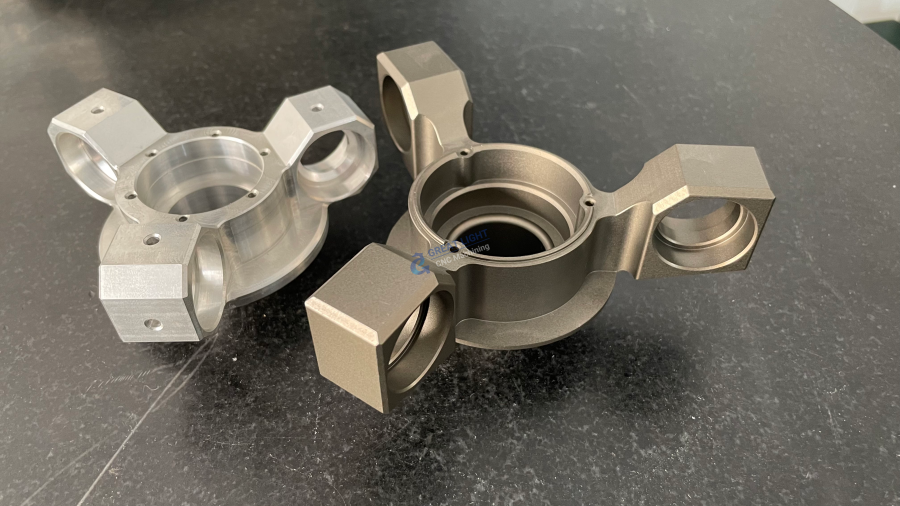
The rapid acceleration of the electric vehicle (EV) industry has placed unprecedented demands on manufacturing precision, particularly for critical components like battery housings. As the protective shell and structural backbone of an EV’s power source, battery housings must meet exacting standards for dimensional accuracy, thermal management, electromagnetic shielding, and crash safety. This article explores the technical complexities, material considerations, and manufacturing innovations involved in producing EV battery housing CNC machined parts, providing engineering professionals and procurement specialists with actionable insights for their next project.
Understanding the Critical Role of EV Battery Housings in Modern Electric Vehicles
The EV battery housing is far more than a simple container. It serves multiple critical functions: structural support for thousands of battery cells, thermal dissipation pathways to prevent overheating, electromagnetic interference (EMI) shielding to protect sensitive electronics, and most importantly, crash protection to ensure passenger safety in the event of a collision. Given these demanding requirements, the manufacturing tolerances for EV battery housing CNC machined parts are exceptionally tight, often reaching ±0.01mm or better.
Battery housings typically consist of several key components: the lower tray, which forms the main structural base; the upper cover, which seals the assembly; cooling channels integrated into the housing structure; various mounting brackets and connection points; and complex sealing surfaces that must maintain IP67 or higher ingress protection ratings. Each of these components presents unique machining challenges that require advanced CNC capabilities and deep engineering expertise.
The Precision Imperative: Why CNC Machining is Essential for EV Battery Housings
Dimensional Accuracy and Geometric Tolerances
The primary reason CNC machining dominates EV battery housing production is the sheer precision required. Unlike conventional automotive components, battery housings must maintain tight tolerances across large surface areas, sometimes exceeding 2 meters in length. A deviation of even 0.1mm in a sealing surface can compromise the entire battery pack’s environmental protection, potentially leading to moisture ingress, corrosion, or electrical shorts.
Five-axis CNC machining has emerged as the preferred technology for these complex geometries because it can maintain consistent accuracy across multiple axes simultaneously. For instance, when machining cooling channels that snake through the housing walls, traditional three-axis machines would require multiple setups, introducing cumulative positioning errors. Five-axis machining, by contrast, can complete these features in a single setup, significantly improving overall accuracy.
Material Challenges in Battery Housing Machining
EV battery housings are typically manufactured from either aluminum alloys (most commonly 6061-T6, 5052-H32, or 7075-T651) or advanced engineering plastics (such as polycarbonate blends or reinforced nylon composites). Each material presents distinct machining challenges:
Aluminum Alloys: While aluminum offers excellent thermal conductivity and weight savings, its tendency to generate built-up edge during machining requires careful tool selection and coolant management. High-silicon aluminum alloys, often specified for their improved wear resistance, can be particularly abrasive to cutting tools. Advanced CNC shops address this through specialized tool coatings (such as diamond-like carbon or AlTiN) and optimized chip evacuation strategies.
Plastic and Composite Materials: Battery housings incorporating plastic components benefit from reduced weight and electrical insulation properties. However, these materials are prone to melting, warping, or delamination if machining parameters are not precisely controlled. CNC programmers must adjust feed rates, spindle speeds, and tool geometries to prevent heat buildup while maintaining dimensional stability.
Critical Design Considerations for EV Battery Housing CNC Machined Parts
Thermal Management Integration
Modern EV battery packs generate significant heat during operation, particularly during fast charging or high-load driving conditions. Effective thermal management is therefore essential for battery performance and longevity. CNC machining enables the creation of intricate cooling channel geometries that maximize heat transfer while minimizing pressure drop.
Advanced cooling channel designs commonly machined into battery housings include:
Serpentine channels: Winding paths that increase surface area contact with the battery cells
Parallel flow channels: Multiple independent paths that ensure uniform cooling across the entire pack
Pin fin arrays: Small cylindrical or rectangular features that increase turbulent flow and enhance heat transfer coefficients
These features require specialized tooling and programming strategies to achieve the necessary surface finishes (often Ra 0.8μm or better) without creating stress risers that could lead to fatigue failure.
EMI Shielding Requirements
Battery housings must provide effective electromagnetic interference shielding to prevent electrical noise from affecting adjacent vehicle systems, including motor controllers, infotainment systems, and autonomous driving sensors. While material selection plays a primary role, the machining process must ensure continuous electrical conductivity across the housing structure.
This requirement places additional demands on CNC machining processes: weld seams must be precisely prepared, grounding points must be machined to exact specifications, and any surface coatings or anodizing must be carefully controlled to maintain electrical path continuity. In some cases, selective masking during post-processing allows certain areas to remain conductive while others receive protective finishes.
Crash Safety and Structural Integrity
EV battery housings are critical safety components that must withstand severe crash loads while maintaining the integrity of the battery pack. This requires not only proper material selection but also precise machining of structural features:
Rib and gusset geometries: Machined into the housing for optimal strength-to-weight ratios
Crush zones: Precisely controlled collapse regions that absorb impact energy
Mounting interfaces: Critical attachment points that must maintain alignment under multiple load conditions
CNC machining allows these features to be produced with consistent repeatability across production runs, ensuring that each housing meets the same stringent safety standards.
Manufacturing Process Optimization for Battery Housing Production
Toolpath Strategies for Large-Format Machining
Machining battery housings often involves removing significant amounts of material from large aluminum billets or castings. Efficient roughing strategies are essential for cycle time reduction while maintaining accuracy. Modern CAM software enables:
Trochoidal milling: Constant radial engagement toolpaths that reduce heat buildup and tool wear
Dynamic roughing: Adaptive clearing strategies that maintain consistent chip load for optimized material removal rates
Rest machining: Automatic detection of uncut areas to minimize manual intervention
These strategies, combined with high-speed machining techniques, can reduce cycle times by 30-50% compared to conventional approaches while extending tool life.
Fixturing and Workholding Solutions
Large, thin-walled battery housing components present significant fixturing challenges. Traditional clamping methods can induce distortion that is only revealed after machining is complete. Advanced workholding solutions include:
Vacuum fixtures: Distribute clamping forces evenly across large surface areas to minimize distortion
Custom tombstone fixtures: Allow multiple housings to be machined in a single setup
Modular fixturing systems: Enable rapid changeover between different housing designs
GreatLight CNC Machining Factory has developed proprietary fixturing systems specifically for battery housing applications, utilizing adjustable support points that accommodate variations in raw material flatness while maintaining uniform clamping pressure.
Quality Assurance and Metrology
Given the safety-critical nature of battery housings, comprehensive quality assurance protocols are mandatory. ISO 9001:2015 certified manufacturers implement multi-stage inspection processes:
In-Process Monitoring: Real-time spindle load monitoring and thermal compensation systems detect potential issues before they affect part quality. Modern CNC machines equipped with touch probes can perform in-process dimensional verification, automatically adjusting offsets to compensate for tool wear or thermal growth.
Post-Process Inspection: Coordinate measuring machines (CMMs) verify critical dimensions and geometric tolerances. For battery housings, this typically includes:
Surface profile measurements of sealing surfaces
True position verification of mounting holes and dowel pins
Flatness and parallelism checks across large surfaces
Leak testing of cooling channels and sealed cavities
Non-Destructive Testing: X-ray inspection and ultrasonic testing are commonly employed to detect internal defects in cast battery housing components before CNC machining begins, ensuring that only sound material enters the production process.
Comparing Manufacturing Approaches: CNC Machining vs. Alternative Methods
While CNC machining offers unrivaled precision for battery housing production, it is not always the most economical choice for every application. The decision tree for selecting the appropriate manufacturing method depends on several factors:
| Manufacturing Method | Typical Tolerance | Lead Time | Tooling Cost | Unit Cost (Volume) |
|---|---|---|---|---|
| CNC Machining (5-axis) | ±0.01mm | 2-4 weeks | Low-Medium | Medium-High |
| Die Casting | ±0.1mm | 8-16 weeks | High | Low (High Volume) |
| Sheet Metal Fabrication | ±0.2mm | 2-6 weeks | Low-Medium | Medium |
| Injection Molding (Plastic) | ±0.05mm | 6-12 weeks | High | Very Low (High Volume) |
For prototype and low-volume production (typically 1-100 units annually), CNC machining is the clear choice due to its flexibility and speed. As volumes increase into the thousands per year, die casting with secondary CNC operations becomes more economical. For the highest volume production, dedicated casting or stamping processes with minimal CNC finishing may be appropriate.
GreatLight Metal specializes in bridging the gap between prototyping and production, offering scalable solutions that transition seamlessly from CNC-machined prototypes to die-cast production parts with CNC finishing operations. This approach ensures that customers receive consistent quality throughout the product lifecycle while optimizing costs at each volume tier.
Surface Finishing and Post-Processing for EV Battery Housings
Protective Coatings and Corrosion Resistance
Battery housings must withstand harsh environmental conditions, including temperature extremes, humidity, road salt, and chemical exposure. Post-machining surface treatments play a crucial role in ensuring long-term durability:
Anodizing (Type II and Type III): Provides a hard, wear-resistant surface on aluminum housings while improving corrosion resistance. Type III (hard coat) anodizing can achieve thicknesses up to 50μm, offering superior protection for external surfaces. However, careful masking is required to maintain electrical conductivity at grounding points and sealing surfaces.

Powder Coating: Offers excellent chemical resistance and impact protection while allowing for color matching to vehicle specifications. For battery housings, specialized conductive powder coatings that maintain EMI shielding effectiveness are available.
Conversion Coatings: Chromate-free conversion coatings (such as trivalent chromium or zirconium-based treatments) provide corrosion protection while maintaining electrical conductivity, making them ideal for internal housing surfaces that contact battery cells.
Precision Finishing Operations
After primary CNC machining, battery housings often require additional finishing operations to achieve final specifications:
Lapping and honing: Produces ultra-flat sealing surfaces with roughness values below Ra 0.2μm
Deburring and edge finishing: Removes sharp edges that could damage wire insulation or cause injury during assembly
Thread forming: Creates strong threads in thin-walled sections without cutting, maintaining material integrity
These operations require specialized equipment and skilled operators to ensure consistency across production batches.
Case Study: Overcoming Battery Housing Machining Challenges
To illustrate the practical application of these principles, consider a recent project involving an automotive Tier 1 supplier seeking to produce battery housings for a new electric SUV platform. The housing design featured:
Overall dimensions: 1800mm x 1200mm x 150mm
Material: Aluminum 6061-T6 billet
24 integrated cooling channels with complex serpentine geometry
132 precision-drilled mounting holes with ±0.05mm positional tolerance
Sealing surface flatness requirement of 0.1mm across entire perimeter
The Challenge: The customer’s previous supplier had struggled with dimensional stability, experiencing warping that caused cooling channel misalignment and sealing failures. Initial lead times exceeded 8 weeks due to multiple rework cycles.
The Solution: GreatLight CNC Machining Factory applied a systematic approach:
Design for Manufacturing Review: Engineers identified stress-relief features that could be added to the raw billet without affecting electrical performance, reducing internal stresses that contributed to warping.
Multi-Step Machining Process: The housing was rough-machined with generous stock allowance, stress-relieved through a controlled heat treatment cycle, then finish-machined using five-axis techniques that minimized clamping forces.
In-Process Inspection: A custom fixture incorporating laser measurement systems verified critical dimensions at each manufacturing stage, enabling immediate corrective action.
Final Verification: CMM inspection and leak testing confirmed that all specifications were met, with sealing surface flatness achieving 0.08mm (exceeding the 0.1mm requirement).
Results: Production lead time was reduced to 3 weeks, first-pass yield improved from 72% to 96%, and the customer reported zero field failures after 18 months of vehicle service.
Selecting the Right Manufacturing Partner for EV Battery Housing Projects
Choosing a CNC machining partner for EV battery housing production requires careful evaluation of several key criteria:
Technical Capabilities
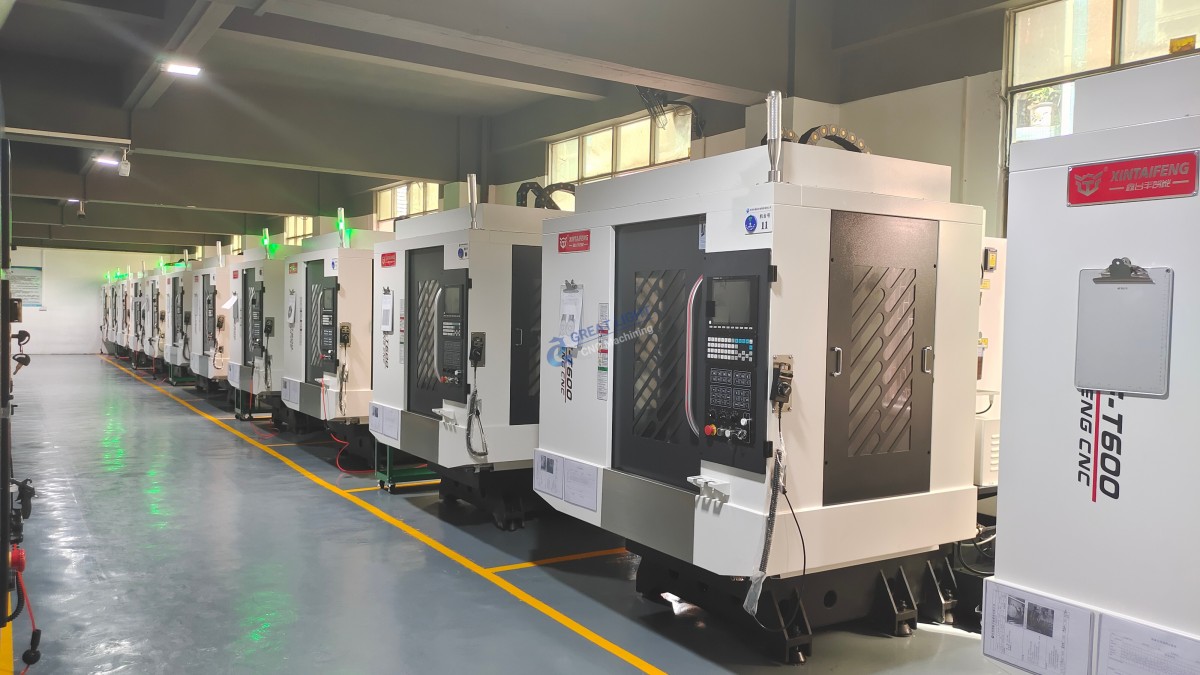
Equipment sophistication: The manufacturer should operate five-axis machining centers capable of handling large workpieces (at least 2000mm x 1500mm) with thermal compensation and in-process probing capabilities.
Multi-process integration: Look for partners that can combine CNC machining with die casting, sheet metal fabrication, and finishing operations to streamline the supply chain.
Materials expertise: Deep knowledge of aluminum alloys, plastics, and composites specific to automotive battery applications is essential.
Quality Systems and Certifications
ISO 9001:2015 is the minimum requirement for any serious manufacturer
IATF 16949 certification specifically addresses automotive quality management and is highly recommended for EV battery housing suppliers
ISO 14001 environmental management certification demonstrates commitment to sustainable manufacturing practices
Regulatory compliance knowledge: The manufacturer should understand and apply relevant standards such as UN ECE R100 (battery safety) and ISO 26262 (functional safety)
Intellectual Property Protection
Given the proprietary nature of battery housing designs, data security is paramount. Manufacturers should demonstrate:
Secure file transfer protocols
Restricted access to design data within their organization
Non-disclosure agreements (NDAs) as standard practice
Compliance with ISO 27001 information security standards for sensitive projects
Scalability and Lead Time Performance
Evaluate the supplier’s ability to scale from prototype quantities to production volumes without compromising quality or delivery performance. Key questions to ask:
What is your typical lead time for first article inspection (FAI) parts?
How do you handle production ramps from 100 to 10,000 units per year?
What is your on-time delivery performance over the past 12 months?
Future Trends in EV Battery Housing CNC Machining
Lightweighting and Material Innovation
The push for greater EV range is driving development of lighter battery housing designs. Advanced high-strength aluminum alloys (such as 7xxx series) and carbon fiber composites are increasingly specified, requiring specialized machining techniques to prevent delamination or micro-cracking.
GreatLight Metal has invested in research partnerships focused on machining parameters for next-generation materials, including aluminum-lithium alloys and polymer matrix composites reinforced with continuous carbon fiber.
Integrated Functionality
Future battery housing designs will likely incorporate more integrated functions, such as:
Structural battery cells that contribute to overall chassis stiffness
Integrated cooling systems using additive manufacturing inserts
Embedded sensors for real-time health monitoring
These developments will require even tighter integration between design, simulation, and manufacturing processes, with CNC machining playing a central role in producing the precise interfaces and channels that make these innovations possible.
Automation and Industry 4.0
Smart manufacturing technologies are transforming battery housing production:
Automated tool management systems that monitor tool wear and trigger replacement without operator intervention
Digital twin simulation that optimizes machining parameters before cutting begins
Predictive maintenance algorithms that reduce unplanned downtime
Real-time quality monitoring using machine learning to detect anomalies in spindle load or vibration patterns
Leading manufacturers are implementing these technologies to achieve zero-defect production while reducing costs and cycle times.
Conclusion: Precision as the Foundation of EV Performance
EV battery housing CNC machined parts represent the intersection of advanced manufacturing technology and critical vehicle safety systems. The precision required for these components directly impacts battery performance, thermal management, and crash protection—factors that determine the overall success of an electric vehicle platform.
For engineering teams and procurement professionals seeking reliable partners for battery housing production, the evaluation should extend beyond price quotes to include technical depth, quality systems, and proven experience with similar applications. The complexity of modern battery housing designs demands a manufacturing partner that can contribute engineering expertise, not just machining capacity.
GreatLight CNC Machining Factory, with its ISO 9001:2015 certified facilities, IATF 16949 automotive quality management system, and decade of experience in precision manufacturing, offers the technical depth and scalability required for demanding EV battery housing projects. From prototype development through high-volume production, the company’s commitment to continuous improvement and customer collaboration ensures that each battery housing meets the exacting standards of today’s electric vehicle industry.
As the EV market continues to evolve, the companies that invest in precision manufacturing partnerships will be best positioned to deliver vehicles that are safer, more efficient, and more reliable—driving the clean transportation revolution forward one precision-machined part at a time.
For more information about precision CNC machining services for EV battery housings and other complex components, explore the comprehensive capabilities available at GreatLight CNC Machining Factory . Connect with industry professionals and stay updated on the latest manufacturing innovations through their LinkedIn page .


![[访谈] RAPID + TCT 2024:人工智能对 3D 打印的价值](https://print-ing.com/wp-content/uploads/2024/07/INTERVIEW-60x60.jpeg "[访谈] RAPID + TCT 2024:人工智能对 3D 打印的价值 9")




发表回复
要发表评论,您必须先登录。