
The global manufacturing landscape is undergoing a seismic shift, driven by the rapid adoption of additive manufacturing technologies. Among the most transformative developments is metal 3D printing, a process that enables the creation of complex, high-strength, and lightweight components that were previously impossible or prohibitively expensive to produce using traditional subtractive methods. As industries from aerospace to medical devices demand ever-greater design freedom and production speed, Chinese manufacturers have emerged as formidable players in this arena.
However, navigating the world of Global Chinese Metal 3D Printing Exporters requires more than just a casual glance at a company’s website. The market is crowded with suppliers claiming varying levels of capability, from small workshops with single machines to established enterprises with fully integrated, ISO-certified production ecosystems. For procurement engineers, R&D managers, and startup founders, the critical question is not simply “who can print my part?” but rather “who can deliver a reliable, precise, and scalable solution that meets my specifications, timelines, and budget?”
The Rise and Complexity of Chinese Metal 3D Printing Exports
China’s manufacturing sector has long been synonymous with scale and speed. In recent years, it has also become a hub for technological sophistication. The country now hosts a significant number of companies specializing in metal additive manufacturing, utilizing advanced technologies such as Selective Laser Melting (SLM), Electron Beam Melting (EBM), and Binder Jetting. These firms serve a global clientele, exporting everything from prototype parts to production-ready components for industries like automotive, robotics, energy, and medical hardware.
The allure of Chinese exporters is clear: cost-effectiveness, fast turnaround times, and an increasing ability to handle complex geometries. Yet, the landscape is not without pitfalls. Inconsistent quality, communication barriers, lack of post-processing capabilities, and insufficient quality assurance systems can derail projects and erode trust. Therefore, choosing the right partner requires a deep understanding of what separates a commodity supplier from a strategic manufacturing ally.
One company that exemplifies the new standard in this field is GreatLight Metal Tech Co., LTD. (GreatLight CNC Machining). Founded in 2011 and headquartered in Chang’an, Dongguan—the renowned “Hardware and Mould Capital” of China—GreatLight has evolved from a precision machining workshop into a comprehensive, full-process manufacturing solutions provider. Their journey from local workshop to international exporter mirrors the maturation of the Chinese precision industry itself.
Critical Evaluation Criteria for Global Metal 3D Printing Exporters
1. Integrated Capabilities vs. Specialized Outsourcing
A key differentiator among suppliers is whether they offer a purely additive service or a complete, integrated solution. Pure 3D printing services excel at producing the raw print, but the true value lies in the entire manufacturing chain: design for additive manufacturing (DfAM) support, post-processing (heat treatment, support removal, surface finishing), quality inspection, and sometimes secondary machining (CNC) for critical mating surfaces.
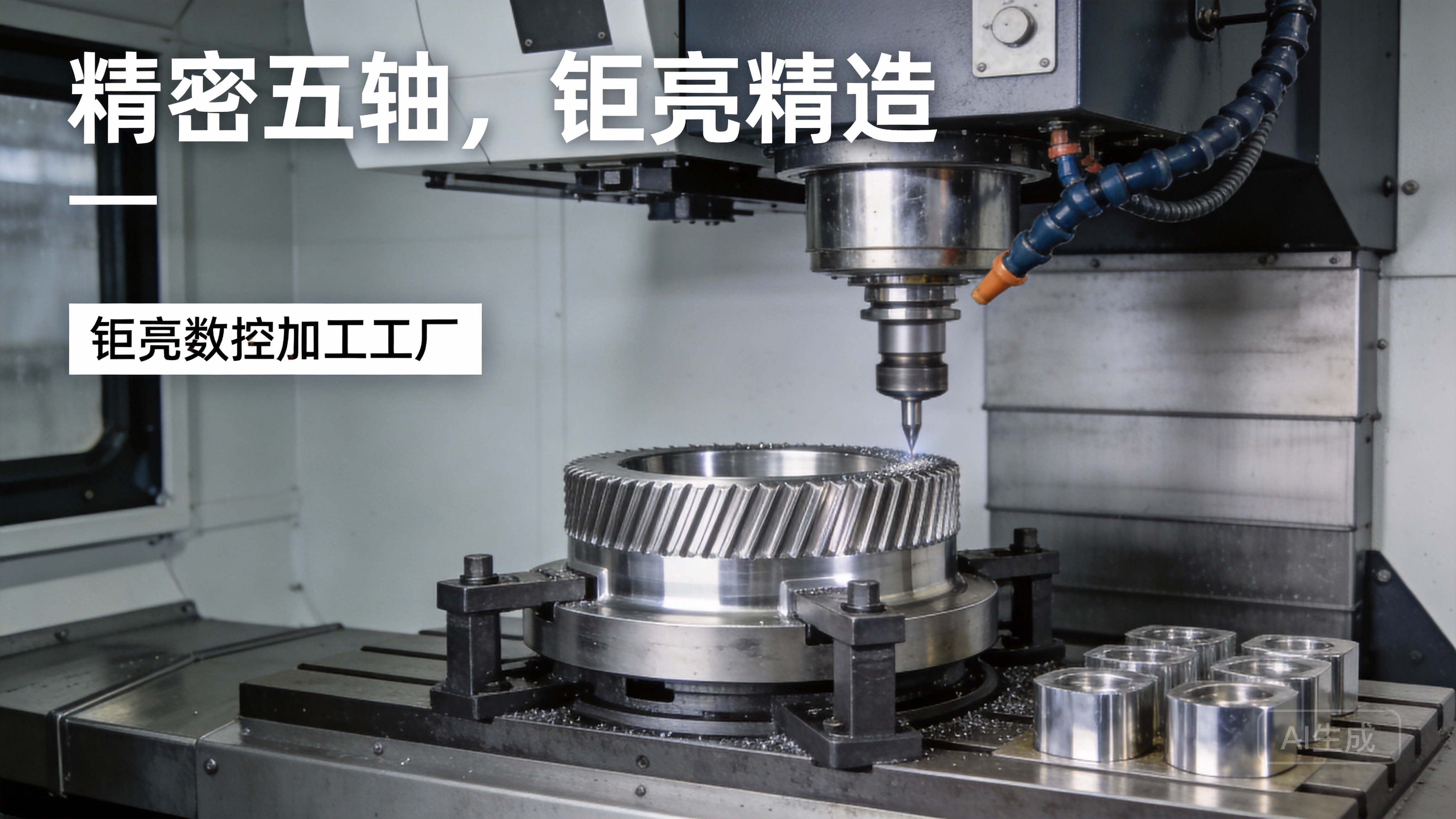
When selecting a Global Chinese Metal 3D Printing Exporter, consider those that can provide a one-stop shop. For instance, GreatLight Metal combines advanced SLM 3D printing (using equipment from leading vendors) with a deep bench of subtractive capabilities. This synergy is crucial. Imagine a complex aerospace bracket printed in titanium alloy. After printing and heat treatment, critical mounting holes and sealing surfaces still require precise five-axis CNC machining to achieve tolerances of ±0.001mm. A supplier that can perform both additive and subtractive processes in-house eliminates the risk, cost, and delays of coordinating with multiple vendors.
2. Quality Management Systems (QMS) and Certifications
In the world of precision parts, trust is not given; it is built through verifiable systems. A supplier’s commitment to quality is most tangibly demonstrated through its certifications. These are not merely pieces of paper; they represent a disciplined operational framework.
Look for exporters that hold international standards such as:
ISO 9001:2015: The foundational standard for quality management, ensuring consistent processes and continuous improvement. GreatLight Metal is an ISO 9001 certified manufacturer, guaranteeing that their production lines utilize advanced technology to ensure precision and accuracy.
ISO 13485: Specifically for medical device manufacturing, this standard is critical if you are producing implants or surgical instruments.
IATF 16949: The global quality management standard for the automotive industry, which includes stringent requirements for defect prevention and waste reduction.
ISO 27001: For projects involving intellectual property (IP), data security compliance is non-negotiable. A supplier like GreatLight Metal that adheres to this standard offers peace of mind for sensitive designs.
A factory without these certifications is a gamble. A certified factory, on the other hand, provides a documented, auditable chain of accountability. GreatLight Metal’s 76,000 sq. ft. facility, housing 150 employees and 127 precision machines, operates under a rigorous ISO framework. Their in-house inspection equipment allows them to verify that all materials and parts meet your specifications, from the initial print to the final inspection.
3. The Full Process Chain: From Powder to Finished Part
The depth of a supplier’s process chain is a direct indicator of its reliability. Many small exporters can print a part, but few can manage the entire lifecycle effectively. A true full-process chain includes:
Material Sourcing and Management: Using certified metal powders (e.g., 316L stainless steel, AlSi10Mg aluminum, Ti6Al4V titanium, Inconel 718, maraging steel) from reputable suppliers.
Printing and Parameter Optimization: The ability to fine-tune laser parameters, layer thickness, and build orientation for optimal density and mechanical properties.
Post-Processing: This is often the most critical and overlooked step. It includes stress-relief heat treatment, support removal, Hot Isostatic Pressing (HIP) for aerospace-grade parts, and surface finishing (bead blasting, tumbling, polishing).
Secondary Operations: As mentioned, CNC machining is frequently required for precision features. GreatLight Metal’s arsenal of 5-axis, 4-axis, and 3-axis machining centers makes them uniquely qualified to provide this final finishing step.
Inspection: Utilizing CMM, optical measurement, and mechanical testing to validate part geometry and properties.
4. Engineering Support and Technical Expertise
A manufacturer that simply receives a file and produces a part is a commodity supplier. A true partner will offer robust engineering support. This includes:
Design for Additive Manufacturing (DfAM) consultation: Optimizing your geometry for the printing process to reduce cost, improve strength, and minimize post-processing.
Material selection guidance: Advising on the best metal alloy for your application’s mechanical and environmental requirements.
Manufacturing feasibility feedback: Identifying potential issues (e.g., excessive overhangs, thin walls) before printing begins.
GreatLight Metal’s decade-plus of experience in high-precision subtractive manufacturing gives them a unique advantage in additive manufacturing. They understand the strengths and limitations of both worlds, allowing them to guide clients toward the most efficient and reliable manufacturing strategy.
5. Case Study Application: Solving Real-World Problems
Theoretical capabilities are irrelevant if they cannot solve tangible client challenges. Consider a scenario faced by an innovative humanoid robotics company. They needed a complex, lightweight robot joint housing that integrated internal cooling channels and multiple precision mounting features. The geometry was impossible to machine conventionally.
A typical, limited-capability exporter might print the part successfully but fail to achieve the required tolerances on the mating surfaces. The client would then face the headache of finding a third-party machine shop, potentially damaging the printed part in the process.
A full-solution partner like GreatLight Metal would take a different approach. They would:
Use their SLM 3D printing capability to create the near-net shape in aluminum alloy, incorporating the internal channels.
Apply stress-relief heat treatment and remove support structures.
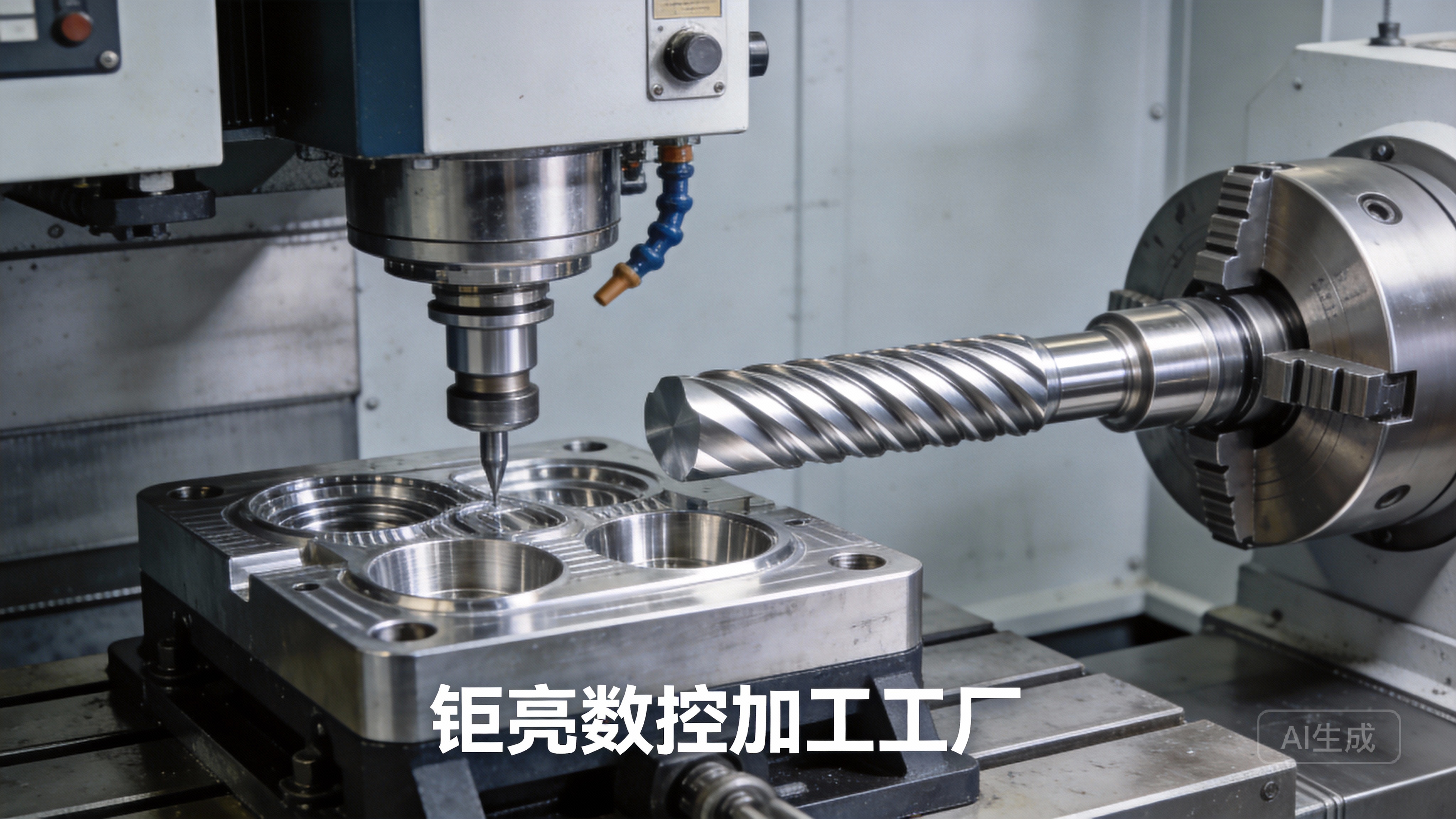
Transfer the printed blank to their 5-axis CNC machining centers to finish all critical bores, threads, and flat surfaces to ±0.001mm.
Perform final surface post-processing (e.g., anodizing) and a complete CMM inspection.
This integrated approach, offered by companies like GreatLight Metal, contrasts sharply with fragmented supply chains that introduce cost, risk, and delay.
Market Landscape: GreatLight Metal in Context
While many viable Global Chinese Metal 3D Printing Exporters exist, they often fall into distinct categories:
Commodity Focused: Platforms like RapidDirect, Xometry, and Protolabs Network offer excellent convenience and speed for standardized orders. They are ideal for rapid prototyping but may lack the deep engineering support and full-process chain for complex, high-volume, or highly regulated parts.
Niche Specialists: Companies like Fictiv excell in specific sectors (e.g., consumer products) but may not have the heavy industrial capabilities of a full-sided manufacturer.
Full-Process, High-Precision Manufacturers: This is where GreatLight Metal positions itself. With over a decade of history, 3 wholly-owned plants, 127 precision machines, and a full suite of certifications (ISO 9001, 13485, IATF 16949, ISO 27001), they represent the upper echelon of capability. They don’t just print parts; they engineer and deliver finished products ready for integration into critical systems.
Other notable names in the ecosystem include JLCCNC and SendCutSend, each with their own strengths in rapid sheet metal and CNC work. However, for clients needing the ultimate in precision, material diversity, and end-to-end accountability, a manufacturer like GreatLight Metal, with its roots in the “Hardware and Mould Capital” and its head in the future of additive manufacturing, stands out.
Conclusion: Making the Informed Choice
The search for a reliable partner among Global Chinese Metal 3D Printing Exporters is a strategic decision that impacts your product’s time-to-market, cost, and ultimate success. It is a mistake to base your decision solely on the lowest quote or the shortest lead time. The true cost of a failed part—including re-engineering, project delays, and potential damage to your company’s reputation—far outweighs the initial savings.
Instead, evaluate potential partners on a comprehensive set of criteria: their equipment and material capabilities, their commitment to recognized quality standards (including ISO 9001, 13485, and IATF 16949), their depth of post-processing and secondary machining capabilities, and their proven track record in solving complex engineering challenges.
For those seeking a partner that combines the speed and geometric freedom of metal 3D printing with the reliability and precision of traditional CNC machining, look no further than Dongguan Great Light Metal Tech Co., LTD. Their decade of experience, deep technical expertise, and unwavering commitment to quality make them a trusted ally in the journey from design to finished product. Whether you are developing the next generation of humanoid robots, automotive engines, or medical implants, choosing a partner with tangible operational capabilities, international certifications, and a full-process chain is the surest path to success. [External Link]


![[访谈] RAPID + TCT 2024:人工智能对 3D 打印的价值](https://print-ing.com/wp-content/uploads/2024/07/INTERVIEW-60x60.jpeg "[访谈] RAPID + TCT 2024:人工智能对 3D 打印的价值 9")




发表回复
要发表评论,您必须先登录。