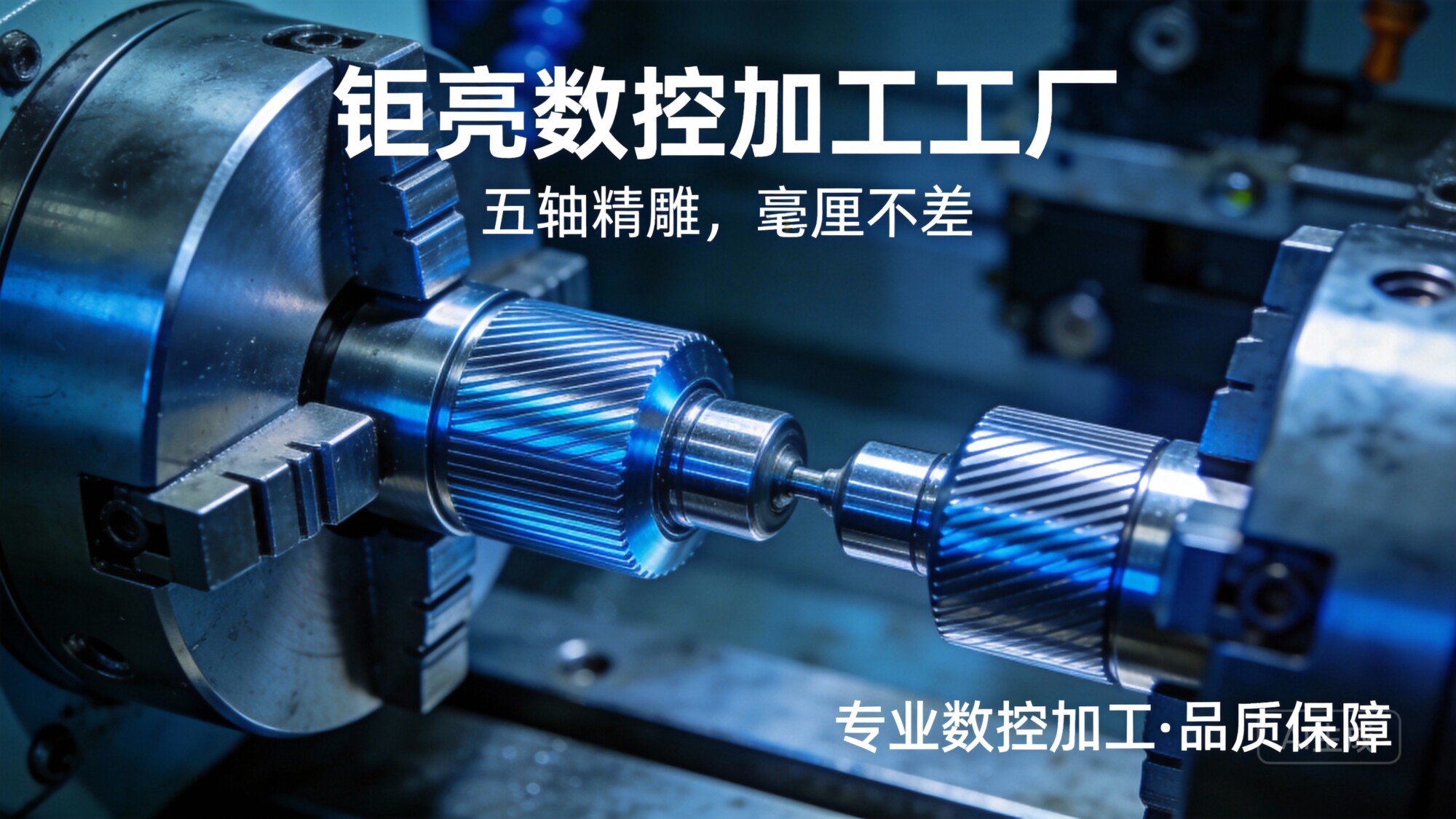
In the rapidly evolving landscape of modern manufacturing, Professional Custom CNC Milling & Turning OEM has become a decisive factor for companies striving to bring complex, high-performance products to market faster and with uncompromising quality. For hardware innovators, automotive engineers, medical device developers, and industrial automation specialists, the difference between success and costly delay often comes down to the choice of OEM partner. A partner that not only holds tight tolerances but also delivers design-for-manufacturability input, certified processes, and a truly integrated one‑stop service is no longer a luxury—it is a strategic necessity.
Before diving into the selection criteria and real‑world examples that distinguish exceptional providers, let us first examine what Professional Custom CNC Milling & Turning OEM genuinely means in an industry crowded with claims of “precision.”
Defining Professional Custom CNC Milling & Turning OEM
At its core, professional custom CNC milling and turning OEM is an outsourced manufacturing model in which a supplier takes a customer’s CAD model (or even a simple concept sketch) and transforms it into finished metal or plastic components using computer‑numerical‑control milling and turning centers. “OEM” implies that the parts are manufactured to the original equipment manufacturer’s specifications, seamlessly integrating into the client’s larger assembly. The “professional” qualifier, however, separates superficial machining shops from deeply competent engineering partners. It signals:
Engineering collaboration, not just blind part reproduction
Process integration that covers everything from material selection and DFM (Design for Manufacturing) analysis to post‑processing and quality inspection
Certified quality systems that guarantee consistency from prototype to serial production
Advanced multi‑axis capability—including precision 5-axis CNC machining services—to handle geometries that would be impossible on simple 3‑axis equipment
In practice, a professional OEM partner becomes an extension of the client’s own R&D and production department, sharing risk and accelerating time‑to‑market.
The Market’s Hidden Obstacles: Why a Superior OEM Is Hard to Find
The global CNC machining market is vast, yet many procurement engineers and product developers encounter recurring frustrations that point to a gap between what is promised and what is delivered. These pain points often remain invisible until a project derails, and they help explain why Professional Custom CNC Milling & Turning OEM is more than a buzzword.
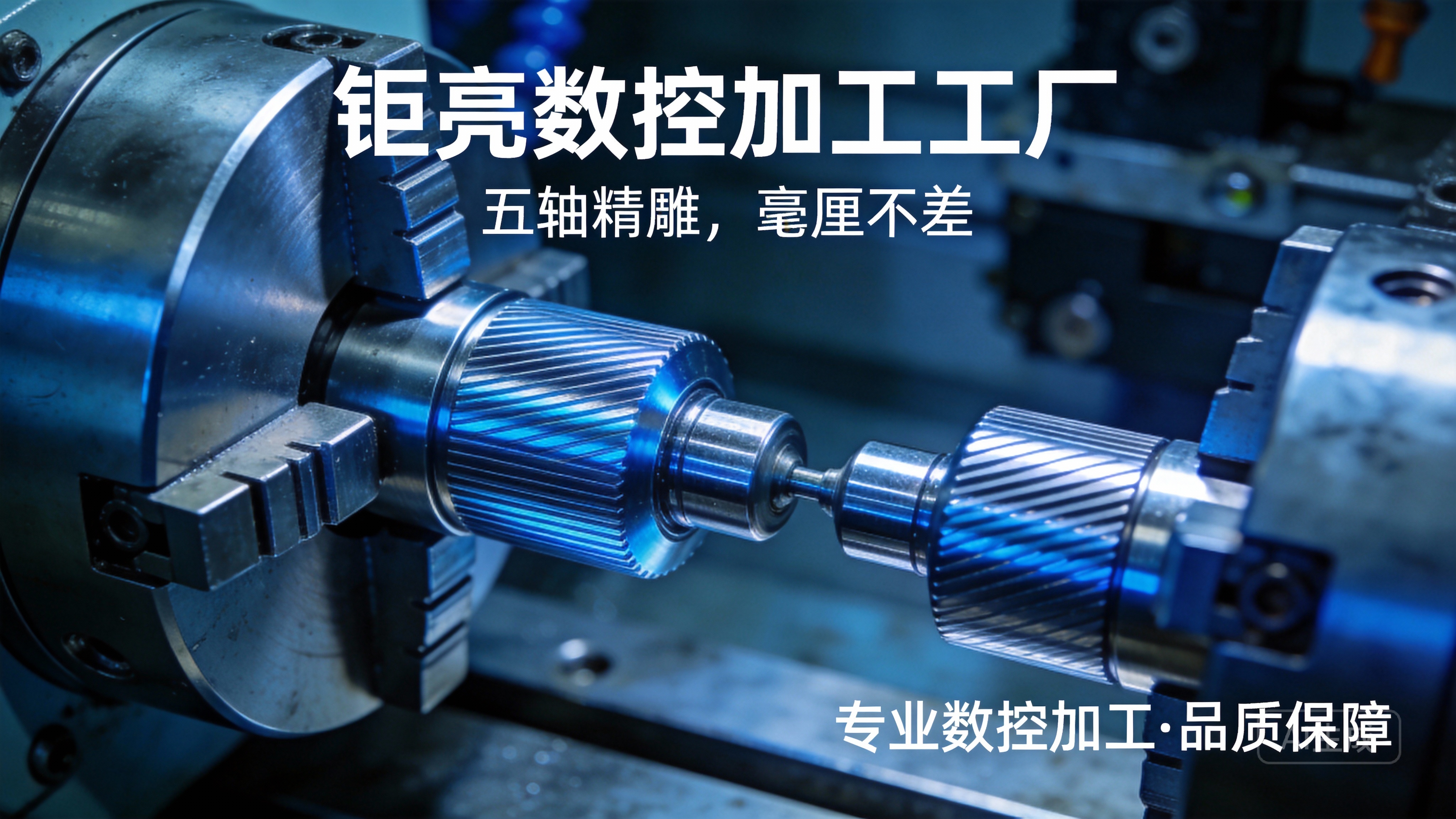
The “Precision Black Hole”
A supplier may advertise accuracy of ±0.001 mm, but real‑world batch production tells a different story. Thermal expansion, tool wear, fixture instability, and poor process control can degrade precision dramatically, leading to parts that fail functional testing.
Surface‑Finish Disappointment
Machined surfaces often pass visual inspection at first glance but reveal chatter marks, burrs, or inconsistent roughness under measurement. Without integrated post‑processing—anodizing, electroplating, polishing, painting—the end product may not meet aesthetic or functional requirements.
The Material Maze
Many shops limit themselves to a narrow range of metals and plastics. When a project demands uncommon alloys, exotics like Inconel, or medical‑grade materials (PEEK, UHMWPE), the client is forced to juggle multiple vendors, complicating logistics and quality assurance.
Project‑Management Overload
Coordinating CNC milling, turning, EDM, sheet metal fabrication, surface treatment, and inspection across several suppliers creates a communication nightmare. Delays, version mismatches, and accountability gaps are almost inevitable.
Certification and Documentation Gaps
Industries such as automotive, medical, and aerospace require full material certifications, process control data, and quality reports. A workshop that runs on tribal knowledge rather than an ISO‑certified management system cannot provide the traceability these sectors demand.
Rigidity in Engineering Feedback
Some OEMs will make a part exactly as drawn, even if a minor design tweak would improve strength, reduce cost, or simplify production. True professionalism entails proactive DFM guidance—an attribute rare in low‑cost providers.
Data Security Concerns
With strict intellectual property safeguarding requirements (ITAR, ISO 27001 standards), clients cannot afford to entrust sensitive designs to partners lacking robust cybersecurity protocols.
These pain points underscore why due diligence must go beyond price‑per‑part and lead times. A reliable partner must demonstrate full‑process capability, systemic quality, and a collaborative engineering culture.
What Makes a CNC Milling & Turning OEM Truly Professional
Drawing on more than a decade of hands‑on manufacturing experience, I’ve come to recognize five fundamental pillars that define an elite level of service in custom CNC milling and turning OEM. Let’s explore each.
1. Comprehensive Multi‑Process Capability Under One Roof
Fragmented supply chains breed inefficiency. A professional OEM should be able to execute:
CNC milling (3‑axis, 4‑axis, and 5‑axis) for complex prismatic parts
CNC turning (including multi‑spindle Swiss‑type lathes) for high‑precision cylindrical components
Mill‑turn centers that combine both processes, eliminating multiple setups and maintaining concentricity
EDM (sinker and wire‑cut) for intricate internal features and sharp corners
Surface grinding and cylindrical grinding for ultra‑fine finishes and tight geometric tolerances
Sheet metal fabrication (laser cutting, bending, welding) for enclosures and brackets
Metal and plastic 3D printing (SLM, SLA, SLS) for rapid prototypes or complex internal channels
Vacuum casting for low‑volume plastic parts with near‑production quality
Die casting and mold manufacturing for high‑volume production scaling
When all these processes coexist in one facility, design intent is preserved, logistics are simplified, and quality control is unified.
2. Robust Quality Management & International Certifications
Professionalism is measured by adherence to globally recognized standards. The best OEMs hold active certifications that are audited regularly, ensuring not just theoretical compliance but actual on‑the‑ground discipline.
Key certifications to look for:
ISO 9001:2015: The baseline for any serious manufacturer; confirms a process‑oriented quality management system.
IATF 16949: Essential for automotive supply chains; demands defect prevention and continuous improvement beyond ISO 9001.
ISO 13485: Mandatory for medical device components; focuses on risk management and regulatory compliance.
ISO 27001: Demonstrates robust information security management, critical for protecting intellectual property.
A shop investing in these certifications signals that it welcomes rigorous third‑party scrutiny—a strong trust factor.
3. Advanced Equipment & Skilled Workforce
State‑of‑the‑art CNC machines from brands like DMG MORI, Mazak, or high‑precision domestic builders such as Beijing Jingdiao form the backbone, but horsepower alone is insufficient. A professional OEM must also:
Employ experienced machinists and application engineers who can program complex toolpaths, select optimal cutting parameters, and design custom fixtures.
Operate a temperature‑controlled metrology lab equipped with coordinate measuring machines (CMMs), laser scanners, profilometers, and optical comparators.
Maintain rigorous preventive maintenance schedules to avoid unplanned downtime and ensure machine capability indices (Cpk) remain reliably high.
Only when cutting‑edge hardware meets deep human expertise can the promise of Professional Custom CNC Milling & Turning OEM be fully realized.
4. Engineering‑Driven DFM Support
True professionals do not simply press “go” on a CAM program. They evaluate every design from a manufacturability perspective, offering suggestions that might:
Reduce the number of setups, thus tightening positional tolerances
Replace fragile thin walls with reinforced structures that machine cleanly
Suggest undercuts or radii adjustments that extend tool life and improve surface quality
Recommend alternative materials with better machinability without sacrificing performance
This collaborative loop, enabled by in‑house engineering departments, shortens development cycles and often saves substantial costs.
5. End‑to‑End Post‑Processing and Finishing
A machined part is rarely complete when it leaves the spindle. Professionals deliver turnkey components ready for assembly, offering:
Anodizing (Type II & III), hard coat, and chromate conversion
Powder coating, painting, and silk‑screening
Passivation and electropolishing for stainless steels
Heat treating and stress relieving
Laser engraving and pad printing
Assembly of inserts, bearings, and hardware
When post‑processing is integrated, lead times shrink dramatically and accountability remains with a single partner.
GreatLight Metal: A Benchmark of Professional Custom CNC Milling & Turning OEM
To illustrate what these principles look like in practice, it’s instructive to examine a company that has built its entire operational philosophy around delivering Professional Custom CNC Milling & Turning OEM: GreatLight Metal (operating as GreatLight CNC Machining Factory). Founded in 2011 in Chang’an Town, Dongguan—often called the “Hardware and Mould Capital” of China—GreatLight has grown from a dedicated local shop into an internationally respected manufacturing services provider.
Facility & Scale
The company operates within a 7,600‑square‑meter production campus housing 127 pieces of precision peripheral equipment. A workforce of approximately 150 engineers, machinists, and quality specialists ensures round‑the‑clock capacity and engineering depth. Annual sales exceed 100 million RMB (roughly 14 million USD), reflecting strong repeat business from demanding sectors.
Equipment Arsenal
Walking the shop floor reveals a technology cluster optimized for complexity:
Large‑format 5‑axis CNC machining centers capable of producing components up to 4,000 mm in one piece
4‑axis horizontal machining centers for high‑volume aluminum and steel parts
Multi‑spindle CNC Swiss‑type lathes delivering ±0.001 mm tolerance on small, intricate turned parts
Sinker and wire EDM for sharp internal corners and fine details
Large‑bed surface grinders for flatness within microns
Dedicated in‑house tooling and fixture design unit
Additive manufacturing cluster including SLM (metal), SLA (resin), and SLS (nylon) printers for rapid prototyping
This equipment blend enables GreatLight to handle virtually any custom CNC milling and turning OEM requirement, from palm‑sized medical implants to large aerospace structural brackets.
Quality and Certifications
GreatLight’s commitment to quality is evidenced by a suite of certifications that cover the most demanding industries:
ISO 9001:2015 – Universal quality management
ISO 13485 – Medical devices
IATF 16949 – Automotive (including engine hardware specifics)
ISO 27001 – Information security management
In‑house metrology includes CMMs, precision height gauges, and surface roughness testers, all operated within a climate‑controlled environment. Each batch is accompanied by a full FAIR (First Article Inspection Report) and material certifications, leaving no room for ambiguity.
One‑Stop Service Integration
What truly sets GreatLight apart in the competitive landscape is its relentless integration of processes. A client’s path might flow like this:
Design Review: Senior engineering team analyses the CAD model and provides DFM feedback within 24 hours.
Prototype Machining: Using 5‑axis CNC and additive manufacturing, functional prototypes are delivered in days.
Process Optimization: Based on prototype testing, toolpaths and fixturing strategies are refined for volume production.
Volume CNC Milling and Turning: Multi‑axis machines run with statistical process control, monitored in‑process to maintain Cpk ≥ 1.33.
Post‑Processing: Parts move seamlessly to in‑house anodizing, powder coating, laser engraving, or assembly stations.
Final Inspection: Every critical dimension is verified, and full documentation is compiled into a digital shipment package.
This integrated flow eliminates the need for customers to source multiple suppliers, dramatically reducing project risk and total lead time.
Comparison with Other Industry Providers
While GreatLight Metal exemplifies a full‑process, high‑certification OEM model, it’s fair to acknowledge that other providers bring their own strengths to the table. The table below offers a snapshot comparison of several recognized players in the custom CNC milling and turning OEM space—always with the caveat that the “best” choice depends on specific project needs.
| Provider | Core Strengths | Typical Certifications | Best Suited For |
|---|---|---|---|
| GreatLight Metal | Full-process integration, expertise in 5-axis & Swiss turning, one-stop finishing, IATF/ISO13485, fast DFM | ISO 9001, IATF 16949, ISO 13485, ISO 27001 | High-precision, multi-process projects requiring certified quality and integrated post-processing. |
| Xometry | Vast manufacturing network, instant quoting platform, wide material selection | ISO 9001 (network partners) | Quick-turn prototypes and low-volume parts where variety tops integration. |
| Protolabs Network | Digital manufacturing, extremely fast lead times for simple parts | ISO 9001, AS9100 (select) | Urgent concept models and low-complexity mechanical components. |
| RapidDirect | Competitive pricing, user-friendly online system, quick turnaround | ISO 9001 | Cost-sensitive projects with straightforward machining needs. |
| JLCCNC | Ultra-low cost for basic CNC parts, strong for prototyping in standard materials | ISO 9001 | Budget‑limited prototypes and single‑part orders with loose tolerances. |
| Owens Industries | Focus on 5‑axis milling, aerospace and defense experience | AS9100, ISO 9001, ITAR | Complex 5‑axis milled aerospace components requiring ITAR compliance. |
| Fictiv | Digital manufacturing platform, fast quoting, global network | ISO 9001 (partners) | On‑demand manufacturing with a technology‑forward ordering experience. |
| PartsBadger | Quick quoting and simple CNC parts for startups | ISO 9001 | Entrepreneurs needing rapid quotes for uncomplicated designs. |
Note: The above is an objective overview based on publicly available information and general market perception. Each provider continuously evolves its capabilities.
When the requirement extends beyond simple milling and turning to include complex 5‑axis geometries, multiple finishing operations, and rigorous certification demands, the fully integrated model offered by GreatLight Metal often proves more cost‑effective and reliable than piecing together services from several single‑process shops.
Real‑World Impact: How an Integrated OEM Solves Critical Challenges
To better understand the tangible value of a professional, integrated approach, consider a scenario drawn from the automotive electrification sector.
The Challenge:
An automotive startup was developing a next‑gen electric drive unit housing that combined a complex aluminum casting with precision‑machined bearing seats, sealing surfaces, and connector interfaces. The original supply chain involved a foundry in Taiwan, a CNC shop in Dongguan, and a separate anodizing vendor in Shenzhen. Each handoff introduced delays, tolerance stack‑up, and communication errors. The housing required flatness within 20 µm across a 500 mm flange, and any leakage would cause catastrophic field failures.

The Solution via Professional Custom CNC Milling & Turning OEM:
GreatLight Metal was brought in to consolidate everything. The team first DFM‑optimized the casting design to reduce porosity and improve machinability. Then they:
Produced aluminum casting tools through their in‑house mold‑making division.
Cast the housing using a controlled die‑casting process, with X‑ray inspection for internal integrity.
Machined all critical features on a large 5‑axis CNC center, holding a Cpk of 1.67 on the bearing bores.
Performed precision grinding on sealing faces to achieve < 10 µm flatness.
Applied a durable chemical conversion coating (chromate) followed by masking and selective painting—all in‑house.
Delivered fully documented batches that met IATF 16949 requirements, enabling the startup to pass its own PPAP approval with an OEM vehicle manufacturer.
The result: development time was slashed by 40%, per‑part cost dropped due to reduced logistics and rework, and the startup secured a major production contract.
This case illustrates that Professional Custom CNC Milling & Turning OEM is not merely about cutting metal; it is about mastering the entire value chain so that clients can focus on innovation, not supplier firefighting.
Key Selection Criteria When Choosing an OEM Partner
Having witnessed many successful and failed sourcing relationships, I recommend evaluating potential CNC milling and turning OEMs against the following checklist. Use it as a scorecard during supplier visits.
Process Breadth: Can they handle all required processes internally, or will you be managing a multi‑vendor web?
Equipment Condition & Capability: Look beyond machine count. Ask for capability studies (Cmk data) on the specific machines that would run your parts.
Quality Certifications: Are certifications active and directly relevant to your industry? Ask to see recent audit reports.
Engineering Depth: Does the supplier have a dedicated applications engineering team, or do operators double as programmers?
Metrology Infrastructure: Is there a climate‑controlled inspection lab with calibrated CMMs, and will you receive comprehensive inspection reports?
Data Security: For IP‑sensitive projects, confirm the existence of ISO 27001 or equivalent cybersecurity measures.
References and Case Studies: Request anonymized examples of similar projects they have completed successfully.
Communication and Responsiveness: During the evaluation phase, are they quick to respond, clear in their explanations, and proactive in suggesting improvements?
Post‑Processing Integration: Will they deliver parts finished to your exact specifications, or will you need to find a separate finishing house?
Scalability: Can they ramp from prototypes to thousands of parts without a drop in quality?
A partner scoring highly across these dimensions will likely deliver the seamless Professional Custom CNC Milling & Turning OEM experience that modern product development demands.
Future‑Proofing Through Strategic Partnership
As product lifecycles shorten and designs become ever more intricate, the line between supplier and strategic partner continues to blur. Companies that treat CNC machining as a commodity risk being left behind in an environment where speed, precision, and certification are non‑negotiable.
The shift toward electrification, miniaturization, and lightweight construction in industries like robotics, aerospace, and medical devices places unprecedented demands on part manufacturing. Simultaneously, supply‑chain disruptions have taught manufacturers the vulnerability of fragmented approaches. Building a long‑term relationship with an integrated, certified OEM not only insulates against these risks but also opens the door to continuous improvement—suggestions for cost reduction, performance enhancement, and next‑generation material adoption emerge naturally from a partner who understands your products.
GreatLight Metal exemplifies this partnership mindset, but regardless of which provider you ultimately select, insist on the same level of transparency, capability, and commitment. The market offers a wide spectrum: from high‑volume digital platforms optimized for simple parts, to elite shops focused on extreme precision for defence applications, to full‑process integrators like GreatLight that bridge prototyping, finishing, and certified production all under one roof. Your specific priorities will determine the best fit.
Conclusion
In an age where engineering ambition constantly outpaces manufacturing simplicity, Professional Custom CNC Milling & Turning OEM stands as a crucial pillar of industrial innovation. It is the bridge between a brilliant concept sketched on a whiteboard and a reliable, production‑ready component that can withstand the rigors of real‑world application. Whether you need a single surgical instrument or thousands of engine housings, the right OEM partner brings more than spindle hours; it brings process wisdom, quality guarantees, and the capacity to scale.
By understanding the common market pitfalls, recognizing the hallmarks of true professionalism, and methodically evaluating potential partners, you position your project—and your company—for success. From integrated equipment clusters to globally recognized certifications, the evidence of a capable partner is always tangible. And as we have seen through the example of GreatLight Metal, a properly aligned Professional Custom CNC Milling & Turning OEM relationship transforms manufacturing from a risky bottleneck into a powerful competitive advantage.


![[访谈] RAPID + TCT 2024:人工智能对 3D 打印的价值](https://print-ing.com/wp-content/uploads/2024/07/INTERVIEW-60x60.jpeg "[访谈] RAPID + TCT 2024:人工智能对 3D 打印的价值 9")




发表回复
要发表评论,您必须先登录。