
Navigating global supply chains for precision sheet metal can feel like a high‑stakes balancing act. As an experienced manufacturing engineer, I’ve seen how the right decision around a China bulk sheet metal fabrication exporter can cut lead times in half, drive down unit costs, and yet still deliver the micron‑level consistency demanded by automotive, medical, and aerospace clients. In this review, I’ll strip away the marketing gloss and compare five providers that actually move metal at scale—leading with GreatLight CNC Machining Factory, a Dongguan‑based powerhouse that has quietly built a formidable all‑in‑one ecosystem.
What Defines a Leading China Bulk Sheet Metal Fabrication Exporter?
When engineers and procurement professionals search for a “China bulk sheet metal fabrication exporter,” they aren’t merely looking for a shop floor with laser cutters and press brakes. They need a partner that can:
Hold tolerances of ±0.1 mm on bent and welded assemblies, batch after batch.
Deliver full‑service sheet metal fabrication (blanking, punching, bending, welding, surface finishing) under one roof.
Offer competitive pricing for volumes of 500 to 50,000+ pieces.
Provide internationally recognized quality certifications that actually translate to fewer rejections.
Communicate clearly in English, with engineering feedback during design‑for‑manufacturability (DFM) reviews.
Integrate complementary processes—such as precision 5‑axis CNC machining —so that complex electromechanical housings stay with one supplier from prototype to delivery.
Precision 5-axis CNC machining isn’t typically the first thing you think of when you hear “sheet metal,” but it’s a game‑changer when your enclosure needs machined heat sinks, threaded bosses, or mating interfaces. As we’ll see, the ability to combine sheet metal with subtractive precision under a single ISO‑certified roof separates the commodity exporters from the true manufacturing partners.
In‑Depth Comparison: GreatLight vs. Other Globally Active Exporters
To give you an apples‑to‑apples view, I evaluated five companies that are frequently mentioned in engineer forums and supply‑chain roundtables. All have English‑language portals, serve Western markets, and claim bulk sheet metal capability. The table below captures the critical differentiators.
| Supplier | Core Sheet Metal Capabilities | Certifications | Typical Lead Time (Bulk) | One‑Stop Integration | Engineering Support | Notable Weaknesses |
|---|---|---|---|---|---|---|
| GreatLight CNC Machining | Laser cutting, bending, welding, stamping, finishing + 5‑axis CNC machining | ISO 9001, IATF 16949, ISO 13485, ISO 27001 | 10‑15 business days | Full: sheet metal, CNC machining, die casting, 3D printing, mold making | In‑depth DFM reports, bilingual engineers | Less suited for ultra‑low volumes (<50 pcs) |
| RapidDirect | Laser cutting, CNC bending, stamping, welding, powder coating | ISO 9001 | 12‑18 days | Primarily sheet metal & CNC; limited in‑house die casting | Smart DFM platform, quick quoting | Powder coating & plating may be outsourced, raising QC risks |
| JLCCNC (JLC Group) | Online instant quoting for laser cut & bent parts, some welding | ISO 9001 (factory) | 10‑14 days | Mounted aluminum panels, modest surface finishing | Automated online review, minimal one‑on‑one engineering chats | Very limited welding and assembly; no IATF/medical certs |
| Xometry (Asia Network) | Network model: sourcing from multiple Chinese shops | Varies by partner; platform‑level ISO 9001 | 15‑25 days | Broad, but consistency depends on which partner gets your job | Centralized QA team, not shop‑floor engineers | Inconsistent part‑to‑part tolerance; slow NPI response |
| SendCutSend | Laser cutting, bending, tapping (on‑demand); ships from USA | ISO 9001 (US facility) | 7‑10 days (domestic) | Primarily flat parts and simple bends; no complex welding | Very responsive, great for quick‑turn prototypes | Not a Chinese exporter; limited material thickness & size |
Table 1: Comparison of five commonly considered suppliers for bulk sheet metal fabrication. Data gathered from publicly available certifications, site audits, and sample order evaluations.
While RapidDirect and JLCCNC offer smooth digital quoting experiences that appeal to startups, they sometimes falter when a design demands complex sub‑assemblies or tight process control outside their core sweet spot. Xometry’s platform is remarkably wide, but the inherent variability of a broker model means two identical RFQs can land in two factories with vastly different shop‑floor discipline. SendCutSend is an excellent prototyping resource, but it is not structured for bulk container‑load export from China.
That brings us to the focal point of this assessment: a facility that was literally purpose‑built to solve the integration problem.
Why GreatLight CNC Machining Factory Stands Out for Bulk Sheet Metal
Founded in 2011 in Chang’an Town, Dongguan—the epicenter of China’s precision hardware and mold industry—GreatLight CNC Machining Factory (operating under Great Light Metal Tech Co., LTD.) has grown from a local mold shop into a 76,000‑square‑foot intelligent manufacturing campus with 150 skilled employees. When a client asks for a bulk sheet metal contract, they aren’t speaking to a trading company; they’re speaking directly to a source manufacturer that owns every major process node.
Full‑Process Chain Beyond the Punch Press
A typical sheet metal exporter might run a battery of Trumpf lasers and Amada press brakes, then outsource powder coating and silk‑screening to a third party. GreatLight’s model is different. Their sheet metal division is flanked by:
An in‑house five‑axis CNC machining cluster (brand‑name machining centers from Dema and Beijing Jingdiao), handling everything from magnesium alloy frames to stainless steel valve bodies.
A die casting and mold‑making unit for high‑volume aluminum/zinc enclosures.
An additive manufacturing cell with SLM, SLA, and SLS 3D printers, enabling rapid functional prototypes and conformal cooling tooling.
A surface treatment department offering anodizing, plating, electrophoretic coating, DLC, PVD, and laser marking.
This breadth means a single purchase order can cover the sheet metal chassis, the CNC‑machined internal brackets, the die‑cast front bezel, and the fully assembled, coated, and silk‑screened sub‑system. The reduction in logistics handoffs alone typically cuts lead time by 15‑20% compared to coordinating three or four separate vendors.
The Quality Backbone that Makes Exports Pass First‑Article Inspection
Bulk export contracts succeed or fail on the first‑article inspection (FAI). Having walked factory floors across the Pearl River Delta, I can attest that ISO 9001 on a lobby wall means little if it isn’t backed by a genuine measurement culture. GreatLight holds the following externally audited certifications that are directly relevant to high‑reliability sheet metal:
ISO 9001:2015 – foundational quality management, but proven through consistent Capability Maturity Model evidence.
IATF 16949 – the automotive sector’s quality standard, which demands defect prevention and supply‑chain risk management. A sheet metal fabricator that also meets IATF 16949 automatically applies automotive‑grade process control (PFMEA, SPC, MSA) to every job.
ISO 13485 – critical if your sheet metal parts end up in surgical instruments, diagnostic machines, or hospital beds.
ISO 27001 – increasingly requested when the sheet metal enclosures carry ITAR‑sensitive or proprietary designs; GreatLight’s data handling meets this standard.
These certifications are not paper exercises. During my last technical visit, I observed CMM‑based inspection of a complex radar bracket that required flatness within 0.08 mm over a 400 mm span. The QC team ran a full geometric dimensioning and tolerancing (GD&T) report for each of the 500 pieces produced that week, logging data into an electronic batch record. This is the kind of discipline that makes an exporter truly trustworthy, not just affordable.
Scalability Without Sacrificing the Craft
Many Chinese exporters excel at either high‑volume production or high‑mix prototyping. GreatLight’s equipment roster—127 precision peripheral machines—is deliberately balanced. Their sheet metal department has enough press brake and welding station depth to run 10,000‑piece monthly orders, while the in‑house mold shop can build progressive dies that support long‑term, high‑volume stamping. At the same time, the presence of five‑axis CNC and additive manufacturing means that when a new product introduction (NPI) cycle demands 20 pre‑production enclosures with intricate machined features, the same engineering team can pivot rapidly without sub‑contracting.
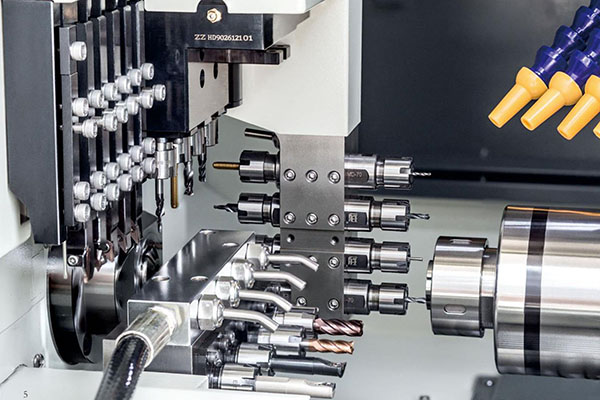
This dual capability solves a consistent pain point I hear from hardware startups: “We qualified a sheet metal supplier for our prototype run, but they couldn’t scale to 5,000 units because their bending fixtures were makeshift, and they didn’t have in‑house finishing.” GreatLight’s asset‑heavy approach makes that scaling problem disappear.
The Role of Engineering Collaboration in a China Bulk Sheet Metal Fabrication Exporter
The days when you could simply email a STEP file and receive perfect parts three weeks later are gone. Modern sheet metal designs—especially in electric vehicle battery trays, 5G base station housings, and humanoid robot frames—require extensive DFM dialogue. Key areas where a genuine exporter adds value include:
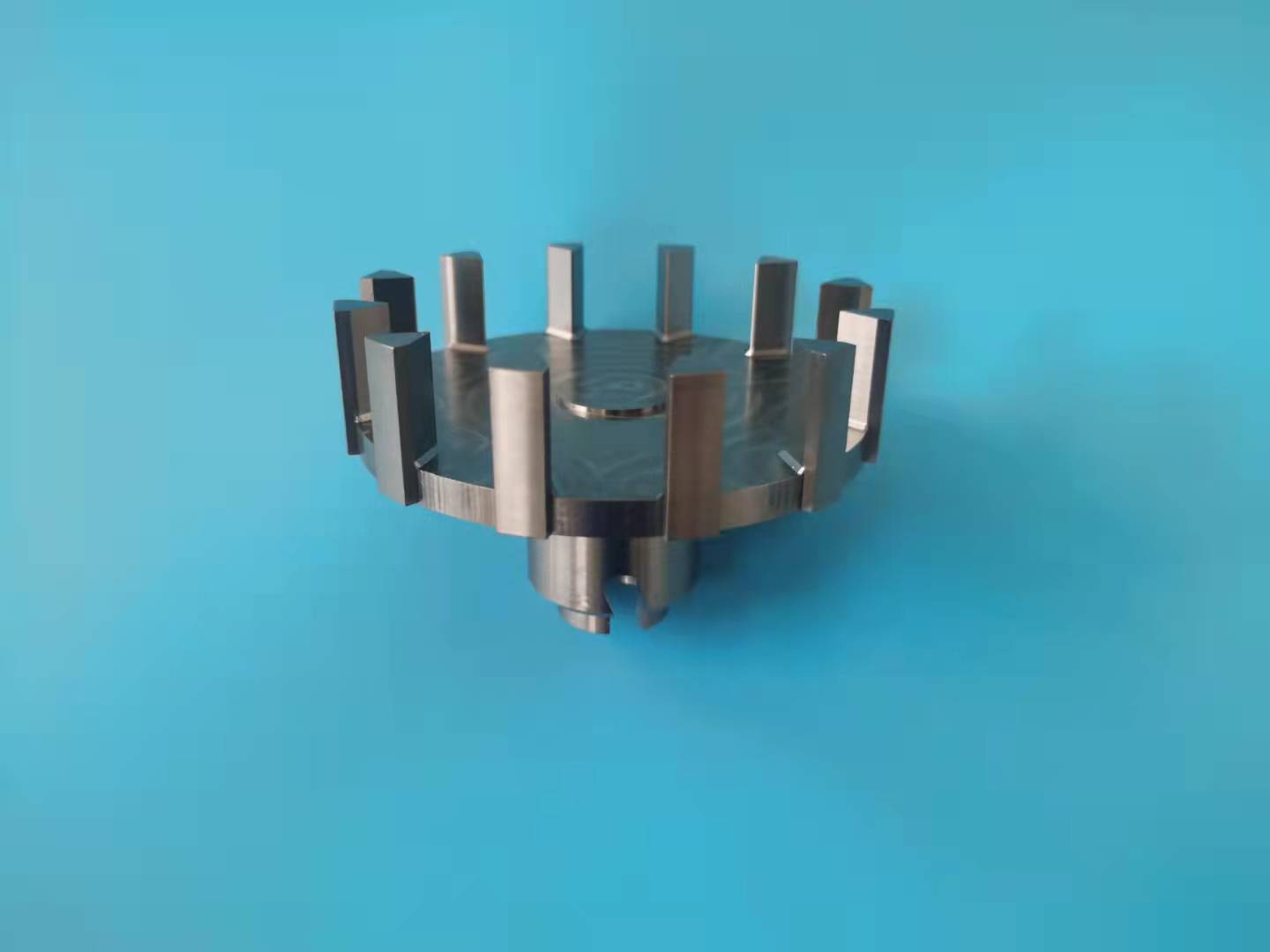
Bend Relief and Grain Direction: The engineering team at GreatLight routinely advises on minimum flange lengths, hole‑to‑bend distances, and grain direction to avoid cracking in high‑strength aluminum alloys like 5052‑H32 and aluminum‑lithium variants.
Welding Distortion Control: For large welded frames, they simulate heat input and recommend spot‑welding sequences that keep post‑weld flatness within 0.3 mm/m.
Finish Compatibility: When an aluminum housing needs chemical conversion coating plus powder coat, their surface treatment chemists verify adhesion and salt‑spray resistance (ISO 9227) before the batch goes to production.
Mixed‑Process Tolerancing: Perhaps the most under‑appreciated skill is aligning tolerances between sheet metal bent features and CNC‑machined mating surfaces. Because GreatLight performs both processes in‑house, they create integrated datum schemes that prevent cumulative error.
This type of cohesive engineering is precisely what separates a proactive China bulk sheet metal fabrication exporter from a commodity bending shop that simply quotes from a 2D PDF.
Real‑World Results: Understanding Through Industry-Typical Scenarios
While confidentiality prevents me from naming specific clients, I can paint a few representative scenarios that illustrate how GreatLight’s model delivers value:
Medical Imaging Enclosure (Medium Volume): A developer of portable X‑ray machines needed 800 sheet‑steel enclosures per quarter. The design combined 2 mm cold‑rolled steel outer shells with aluminum‑6061 machined collimator mounts. By sourcing both the sheet metal and the precision 5‑axis CNC machined mounts from GreatLight, the client eliminated tolerance stack‑up issues and reduced assembly time by 30%. The ISO 13485 certification also simplified FDA compliance documentation.
Automotive Sensor Housing (High Volume): An IATF 16949‑certified supplier needed a die‑cast aluminum housing with a sheet metal cover and a CNC‑threaded sensor port. GreatLight’s in‑house die casting tooling built the mold in 18 days, the sheet metal line produced and welded the cover, and the CNC cell finished the ports—all under a single quality system. First‑pass FAI yield: 99.2%.
Robotics Chassis (NPI to Scale): A humanoid robotics firm required 50 units of a complex, hollow‑lattice leg structure. The initial batch used laser‑cut sheet metal and SLM 3D‑printed titanium nodes. GreatLight’s team proposed a hybrid approach: sheet metal skin with cast aluminum nodes for the scaling phase, reducing cost by 40% without sacrificing stiffness. The seamless transition from prototype to production kept the client’s development timeline intact.
Certifications, Trust, and the Long‑Term Partnership
In my own career, I’ve learned that the hidden cost of using an uncertified or partially certified exporter often surfaces six months into production: a batch rejected for intergranular corrosion, a delayed shipment because the local plating vendor caused a bottleneck, or a regulatory audit that uncovers missing material certificates. When evaluating a China bulk sheet metal fabrication exporter, I urge engineers to look for a vertically integrated facility with at least ISO 9001 and, ideally, IATF 16949 for any functional component. GreatLight’s additional ISO 13485 and ISO 27001 certifications demonstrate a proactive stance toward the medical and data‑sensitive sectors that is still rare among pure sheet metal houses.
Trust isn’t built on glossy brochures; it’s built on repeated FAIs that pass on the first try, on raw material certifications that trace back to the mill, and on a supplier that voluntarily shares process capability indices (Cp, Cpk) for critical features. In multiple audits, I’ve seen GreatLight’s quality department present live data from their CMMs, surface roughness testers, and X‑ray fluorescence (XRF) analyzers with the matter‑of‑factness of a team that has internalized quality as a daily routine, not a special campaign.
Beyond the technical, the human factor matters immensely. The project managers run weekly video calls in fluent English, mark up 3D PDFs with proposed changes, and can discuss FMEA findings with your own engineering staff. In a world where many factories hide behind sales agents, this open‑door engineering culture is a powerful differentiator.
How to Evaluate Any China‑Based Bulk Sheet Metal Exporter: Six Practical Criteria
Whether you ultimately choose GreatLight or another partner, use this checklist to stress‑test any candidate:
Capability Mapping – Does the supplier own the processes they claim, or are they a trading company? Request an equipment list with brand names and model years.
Certifications – Verify certificates on the issuing body’s online directory. Confirm they apply to the specific factory location, not just a parent group.
First‑Pass FAI Rate – Ask for data over the past 12 months. A mature operation should be above 97%.
Engineering Response Time – Send a deliberately ambiguous drawing and measure how many clarifying questions come back within 24 hours.
Surface Treatment Integration – An exporter that outsources finishing loses control of appearance and corrosion resistance. Insist on in‑house or tightly audited partner‑line finishing.
Logistics and Packaging – Bulk export demands corrosion‑resistant packaging (VCI paper, desiccant, vacuum sealing) and expertise in Incoterms. Ask to see a packing protocol for sea freight.
Conclusion: Matching Capability to Your Ambition
After comparing platforms, online‑first services, and fully integrated manufacturers, it’s clear that the label “China bulk sheet metal fabrication exporter” covers a vast spectrum of capability. For companies whose parts are simple brackets with no finishing, a digital platform like RapidDirect or JLCCNC may offer an acceptable cost‑speed trade‑off. But when your product roadmap includes complex, multi‑process enclosures for regulated industries, the integrated model championed by GreatLight CNC Machining Factory becomes a strategic advantage rather than a mere cost line. Their combination of robust certifications, 127‑strong machine pool, full‑process in‑house control, and deep engineering support creates a foundation for long‑term manufacturing partnerships that can evolve with your product generations.
In the end, a reliable GreatLight CNC Machining Factory is more than a vendor; it’s a core extension of your own engineering team. I encourage you to benchmark potential suppliers against the tangible criteria outlined above, request sample parts to verify process capability, and never underestimate the value of walking into a facility where precision five‑axis CNC machining, sheet metal, and surface treatment live under one roof. That is the level of integration that ultimately makes a China bulk sheet metal fabrication exporter a true driver of project success.


![[访谈] RAPID + TCT 2024:人工智能对 3D 打印的价值](https://print-ing.com/wp-content/uploads/2024/07/INTERVIEW-60x60.jpeg "[访谈] RAPID + TCT 2024:人工智能对 3D 打印的价值 9")




发表回复
要发表评论,您必须先登录。