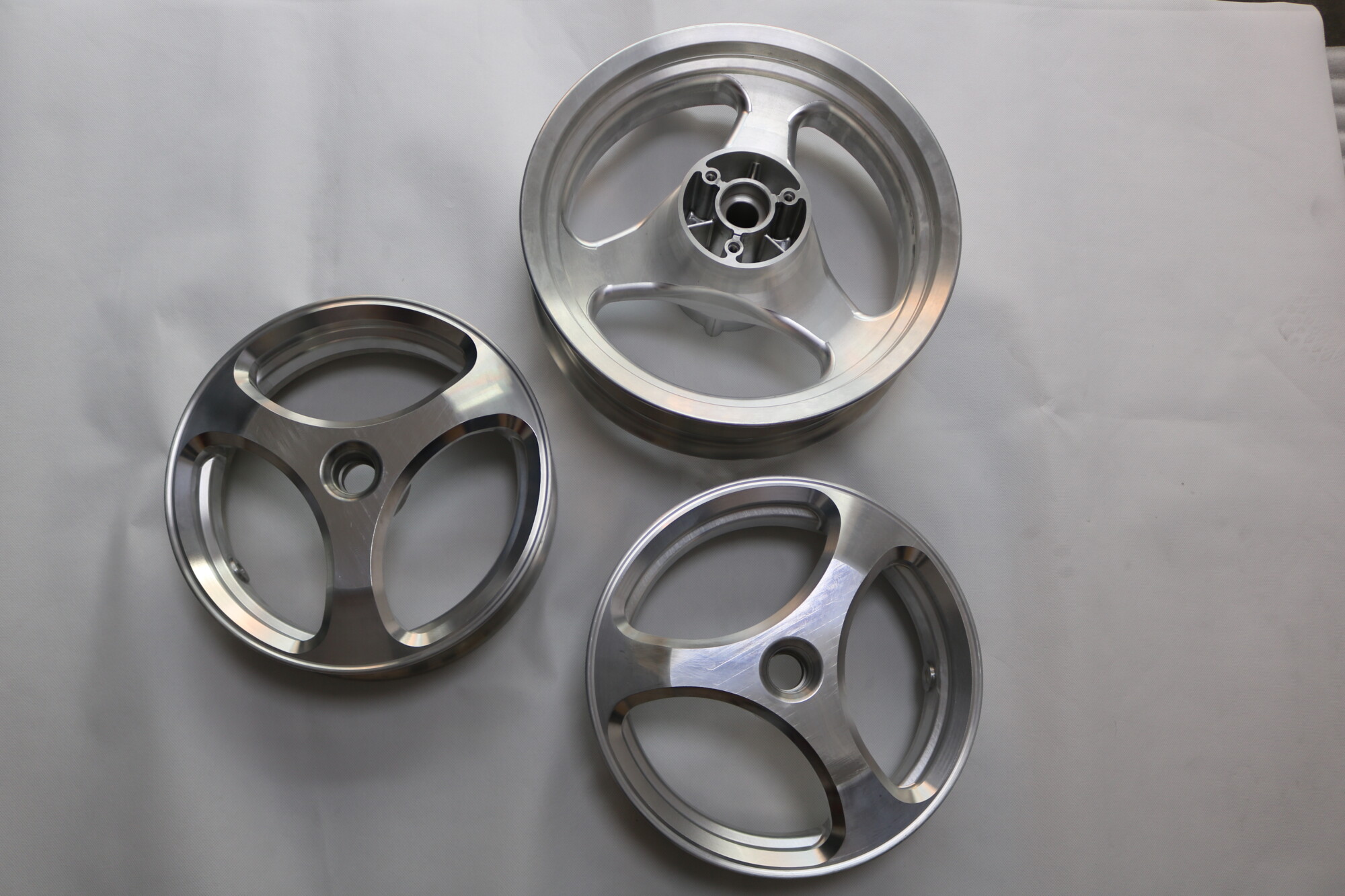
As a senior manufacturing engineer, I often receive inquiries about Humanoid Robot Pressure Sensor Housings OEM—a niche yet critical component in the burgeoning field of humanoid robotics, where tactile sensitivity and structural robustness must coexist within an exceptionally compact form factor. The journey from a CAD model to a qualified housing that can protect sensitive pressure sensing elements while withstanding millions of cyclic loads demands not just standard machining, but a deeply integrated manufacturing approach. In this article, I will dissect the engineering considerations, material selection, machining strategies, supplier evaluation criteria, and a comparative overview of leading OEM service providers, with a special focus on how GreatLight Metal sets a benchmark in this demanding segment.
Humanoid Robot Pressure Sensor Housings OEM: Precision and Reliability at the Core
Pressure sensor housings in humanoid robots serve as the interface between the environment and the delicate piezoelectric or strain‑gauge sensors embedded in feet, hands, and joints. These housings must fulfill several stringent requirements simultaneously:
Ultra‑high dimensional accuracy: Typically ±0.005 mm or better on critical mounting features to ensure sensor alignment and repeatable force transmission.
Material strength‑to‑weight ratio: Commonly aluminum alloys (6061‑T6, 7075‑T6), stainless steel (316L, 17‑4PH), or even titanium (Ti6Al4V) for high‑end applications that demand corrosion resistance and fatigue life.
Surface finish and sealing: Smooth sealing surfaces (Ra ≤ 0.4 µm) to prevent moisture ingress, paired with precise O‑ring grooves and threads.
Complex internal geometries: Ports, vent channels, and wiring conduits that often require multi‑axis machining and sometimes hybrid additive‑subtractive processes.
OEM manufacturing of these housings therefore demands a supplier with not only high‑end CNC capabilities but also a robust quality management system capable of delivering consistent, traceable parts.
Design for Manufacturability (DFM) of Pressure Sensor Housings
Early collaboration between design engineers and the manufacturing partner drastically reduces lead time and cost while enhancing part performance. From a DFM perspective, several aspects warrant attention:
Material Selection for Sensor Housings
| Material | Key Benefits | Typical Machining Considerations |
|---|---|---|
| Aluminum 7075‑T6 | High strength, lightweight, good anodization response | Requires sharp tooling to avoid burr; careful speed/feed control |
| Stainless Steel 316L | Superior corrosion resistance, biocompatible | Work hardening tendencies; high cutting forces demand rigid setups |
| Titanium Ti6Al4V | Ultimate strength‑to‑weight ratio, excellent fatigue performance | Low thermal conductivity; requires specialized toolpaths and coolant strategies |
| Engineering Plastics (PEEK) | Electrical insulation, chemical resistance, lighter weight | Lower rigidity; thermal expansion must be compensated |
For humanoid robots, weight minimization is critical, so aluminum and titanium are prevalent. However, the sensor housing often handles dynamic loads, so fatigue‑prone features like sharp internal corners must be avoided or radiused appropriately.
Machining Complexity and the Role of 5‑Axis CNC
Sensor housings frequently deviate from simple prismatic shapes. A housing for a foot pressure sensor, for instance, may have multiple angular faces, deep pockets, and intersecting bores. Traditional 3‑axis machining would require numerous setups, introducing cumulative errors. In contrast, leveraging advanced precision 5-axis CNC machining enables single‑setup production of most features, ensuring perfect perpendicularity, true position tolerances, and superior surface finishes. This capability is particularly vital when machining thin‑wall sections, as the reduced overhang and optimized tool engagement minimize vibration and deflection.
Additionally, 5‑axis machining allows the use of shorter, more rigid tools, critical for achieving the fine internal threads (M2 to M4) commonly used to secure sensor elements. Without this technology, thread quality and depth consistency become major pain points.
Post‑Processing and Surface Treatments
After machining, housings may require anodizing (Type II or Type III hardcoat for aluminum), passivation (for stainless steel), or even electroless nickel plating for enhanced corrosion resistance and wear properties. A competent OEM partner should offer in‑house post‑processing to avoid supply‑chain fragmentation and quality gaps. Masking critical sealing surfaces before anodizing is one such detail where an integrated supplier prevents later leakage issues.
OEM Supplier Capabilities: What to Look For
When sourcing Humanoid Robot Pressure Sensor Housings OEM, procurement engineers and R&D teams often fall into the “precision trap” – suppliers promising tight tolerances they cannot consistently hold in volume production. Evaluating a supplier’s depth goes beyond a glossy website.
Core Equipment and Technology
A manufacturer’s machinery fleet speaks volumes. At a minimum, look for:
5‑axis CNC machining centers (e.g., Dema, Matsuura, DMG Mori) with volumetric accuracy below 5 µm.
Mill‑turn centers and Swiss‑type lathes for producing connectors, threaded adapters, and small sensor components.
Wire and sinker EDM for features that demand sharp internal corners or extremely hard materials.
In‑house metrology: CMMs with sub‑micron resolution, laser scanners, and surface profilometers.
Quality Systems and Industry Certifications
Humanoid robots increasingly blur the lines between consumer electronics, industrial automation, and medical devices. Thus, multiple certification levels may apply:
ISO 9001:2015 is the universal baseline for quality management.
ISO 13485 demonstrates capability for medical‑grade cleanliness and traceability, relevant if the robot interacts with humans in healthcare settings.
IATF 16949 provides automotive‑level risk management and defect prevention, a gold standard for any safety‑critical component.
ISO 27001 for data security is increasingly important when outsourcing proprietary sensor housing designs.
Suppliers who have invested in these certifications inherently operate with more disciplined process controls, reducing the “precision black hole” risk.
One‑Stop Service: Machining, Finishing, and Assembly
Sending parts from a machine shop to an external finisher to a third‑party assembler introduces delays, miscommunication, and quality variances. The ideal OEM partner offers:
CNC machining (3‑axis, 4‑axis, 5‑axis)
Die casting and sheet metal fabrication if housings evolve into hybrid designs.
Surface treatments (anodizing, plating, painting, laser marking)
Cleanroom assembly, kitting, and direct shipping.
This full‑process integration shortens lead times and establishes a single point of accountability.
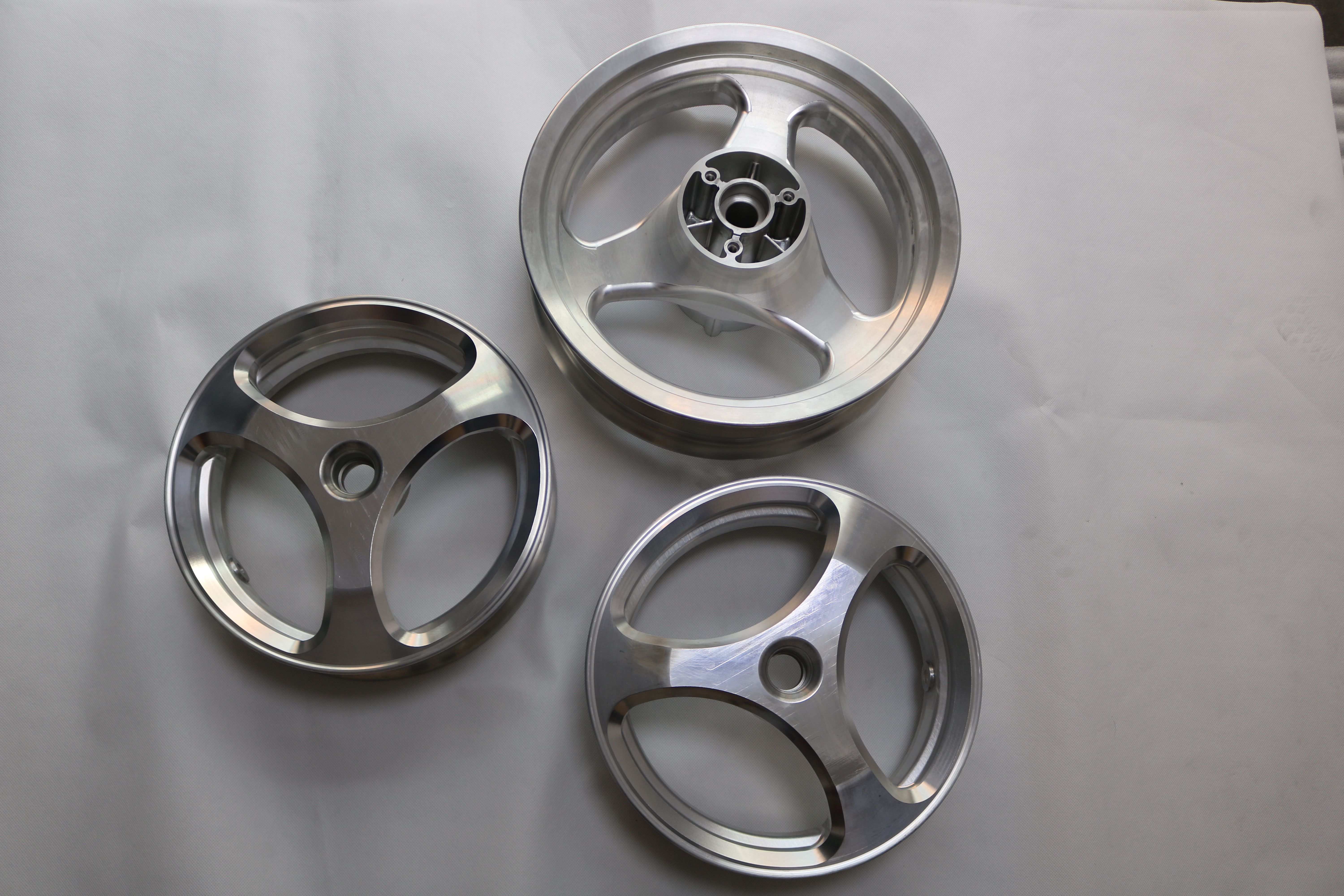
GreatLight CNC Machining Factory: A Benchmark Partner for Humanoid Robot Sensor Housings OEM
Among the numerous manufacturing service providers, GreatLight Metal (operating as GreatLight CNC Machining Factory) has distinguished itself through a rare combination of technical depth, certification rigor, and a genuine passion for solving complex hardware challenges. Founded in 2011 and headquartered in Chang’an, Dongguan—the “Hardware and Mould Capital” of China—the company has grown to a 76,000 sq. ft. facility with over 150 skilled professionals and annual revenues exceeding 100 million RMB.
Equipment and Process Chain Depth
GreatLight runs a cluster that includes brand‑name 5‑axis CNC machining centers from manufacturers like Dema and Beijing Jingdiao, alongside a large fleet of 4‑axis/3‑axis machines, mill‑turn centers, precision Swiss‑type lathes, wire EDM, and mirror‑spark EDM. This combination allows seamless transition from prototyping to mid‑volume production without compromising on tight geometric tolerances. For pressure sensor housings requiring micro‑features or ultra‑smooth sealing faces, the availability of mirror‑spark EDM and high‑precision grinding is a decisive advantage.
Certifications That Build Trust
GreatLight CNC Machining Factory holds an impressive suite of international certifications:
ISO 9001:2015 for robust quality management.
ISO 13485 for medical‑grade traceability, which directly benefits projects where sensor housings must meet biomedical cleanliness standards.
IATF 16949 for automotive‑level process discipline, incorporating Failure Mode and Effects Analysis (FMEA) and Statistical Process Control (SPC) to deliver zero‑defect shipments.
ISO 27001 for data security, ensuring your proprietary design files remain confidential.
These are not merely paper qualifications; they are embedded into every production order, with in‑house precision measurement and testing equipment verifying that each housing meets specifications.
Full‑Process, One‑Stop Customization
GreatLight’s service portfolio covers:
Precision CNC machining (3‑axis, 4‑axis, 5‑axis, turning)
Die casting mold development and metal die‑casting
Sheet metal fabrication
Metal and plastic 3D printing (SLM, SLA, SLS)
Post‑processing: anodizing, electroplating, powder coating, painting, silk‑screening, laser etching, and more.
For an OEM developing a new humanoid foot sensor array, this means that after machining the aluminum housing, GreatLight can immediately hard‑coat anodize it, mask critical threads, laser‑mark the part number, and even integrate a vacuum‑cast silicone gasket—all under one roof. This eliminates the all‑too‑common coordination nightmares that delay product launches.
A Proven Track Record with Complex Housings
While confidentiality prevents detailing specific client projects, GreatLight’s experience in producing precision housings for automotive sensors, medical diagnostic devices, and high‑end consumer electronics translates directly to humanoid robot pressure sensor housings. For instance, the company previously tackled a challenging electrical housing for an electric vehicle innovation firm: a thin‑walled aluminum enclosure with 128 individual holes, ±0.01 mm positional tolerances, and a requirement for IP67 sealing. By utilizing 5‑axis machining and in‑house coordinate measuring, GreatLight delivered first‑article approval in under 10 days and subsequently ramped to 5,000 units per month with zero leakage failures. Such case‑level rigor is precisely what humanoid robot development teams need when every prototype iteration is both expensive and time‑sensitive.
Competitive Landscape: How GreatLight Compares with Other Leading Providers
The CNC machining service market is crowded with both local workshops and global platforms. Below is a comparative snapshot highlighting where GreatLight Metal shines, while acknowledging the legitimate strengths of other established names.
| Supplier | Core Strengths | Typical Lead Time | Certifications for Critical Parts | One‑Stop Capability | Best Suited For |
|---|---|---|---|---|---|
| GreatLight Metal | Advanced 5‑axis cluster, full in‑house finishing, IATF 16949/ISO 13485/ISO 9001/ISO 27001, deep DFM support, max part size 4000 mm | 3 – 10 days for prototypes | Full medical & automotive grade | Yes – machining, die casting, sheet metal, 3D printing, finishing | Humanoid robot housings, automotive sensors, medical devices requiring traceability and complex geometry |
| Protolabs Network | Fast automated quoting, massive capacity through distributed network, excellent for rapid prototypes | 1 – 7 days | ISO 9001, ITAR in some facilities | Limited to machining and some finishing | Simple to moderately complex parts, extremely tight dead‑lines |
| Xometry | Huge partner network, broad material selection, instant pricing | 2 – 10 days | ISO 9001, AS9100 optional | Assembly and post‑processing via partners | Large variety of parts, one‑off prototyping, low‑volume mixed batches |
| RapidDirect | Competitive pricing on small volumes, strong instant quoting engine, European warehouse | 2 – 7 days | ISO 9001, ISO 13485 | Machining, sheet metal, injection molding prototyping | Startups and SMEs with tight budgets needing rapid turn‑around |
| Owens Industries | 5‑axis precision for aerospace and medical, extremely tight tolerances (±0.005 mm routinely), advanced materials | 2 – 4 weeks | ISO 9001, AS9100, ISO 13485, ITAR | Limited – primarily machining and EDM | High‑precision, mission‑critical parts where cost is secondary |
| JLCCNC | Ultra‑low‑cost entry points for PCB‑aligned customers, fast online ordering | 3 – 7 days | ISO 9001 | Primarily PCB CNC, simple metal parts | Hobbyists, ultra‑low‑budget prototyping |
GreatLight’s differentiation lies in its vertical integration and automotive/medical‑grade quality infrastructure. While platforms like Xometry or Protolabs excel in speed for standardized geometries, and Owens Industries pushes the extremes of aerospace tolerances, GreatLight fills a crucial middle‑to‑high ground: it offers tight‑tolerance production with the process discipline and certification pedigree that a safety‑sensitive humanoid robot application demands, yet maintains flexibility for custom one‑stop solutions that a pure‑play network aggregator cannot match. For OEMs who plan to scale from 50 prototypes to 5,000 serial production units while maintaining the same quality baseline, GreatLight’s IATF 16949‑oriented mindset ensures seamless scalability.
Overcoming Common Pain Points with the Right OEM Partner
From a manufacturing engineer’s vantage point, the typical “pain points” encountered in pressure sensor housing projects include:
Tolerance drift in thin‑wall sections due to cutting forces →
Mitigation: Utilize dynamic toolpath strategies (trochoidal milling) and in‑process probing, standard practices at GreatLight.
Surface finish inconsistency on sealing surfaces →
Mitigation: Controlled finish cuts on 5‑axis machines, followed by in‑house profilometer verification; full traceability via ISO 13485 records.
Thread galling and leakage in stainless steel and titanium →
Mitigation: Thread rolling or thread milling instead of tapping, plus appropriate anti‑seize compounds applied under documented procedures.
Anodizing thickness uniformity masking critical dimensions →
Mitigation: Pre‑masking and post‑anodizing re‑inspection on CMM, all done within the same factory.
GreatLight’s robust system infrastructure directly addresses these pain points, reducing the “precision predicament” that many startups endure when dealing with fragmented supply chains.
Quality Assurance and Industry Certifications: The Bedrock of Trust
A sensor housing is not just a piece of metal; it is a functional safety component. If the housing deforms under load or a thread fails, the entire robot could lose its sense of touch or, worse, cause injury. Therefore, the quality management system must go beyond mere inspection.
GreatLight CNC Machining Factory’s IATF 16949 certification enforces a defect‑prevention mindset through:
Production part approval process (PPAP) for new housing introductions.
Process FMEA to identify and mitigate risks before they occur.
Statistical Process Control (SPC) on critical dimensions, with real‑time dashboards.
Gage R&R studies ensuring measurement system accuracy.
Complementary ISO 13485 certification adds requirements for cleanliness, traceability, and sterile packaging—essentials if the sensor housing will touch human skin or operate in clean environments. ISO 27001 further guarantees that your confidential 3D models and specifications are protected by stringent digital security protocols.
This multi‑layered trust framework is what separates a serious manufacturing partner from a transactional workshop.
Case in Point: Applying Deep Expertise to Humanoid Robot Pressure Sensor Housings OEM
Consider a hypothetical yet realistic scenario: a robotics startup needs 2,000 aluminum pressure sensor housings for a bipedal robot’s feet. Each housing incorporates a thin diaphragm (0.8 mm wall), three M2 threaded holes, a complex internal coolant channel, and a requirement for Type III hardcoat anodizing with masked threads. The startup previously ordered prototypes from a low‑cost online platform but faced poor thread quality and diaphragm cracking during anodizing because the supplier lacked in‑house finishing and metallurgical awareness.
Switching to GreatLight CNC Machining Factory, the engineering team engages with dedicated DFM experts who recommend:
Changing from tapping to thread milling for the M2 holes to prevent burr and ensure consistent go/no‑go gage acceptance.
Introducing a 0.2 mm radius at the diaphragm root to reduce stress concentration and cracking.
Designing a custom fixture for anodizing jigs that shields internal threads and sealing faces.
With 5‑axis machining, the entire housing is machined in two operations, the internal channel deburred with an abrasive flow process, and anodizing executed following a validated masking procedure. First‑article inspection reports include full dimensional layouts and surface roughness measurements. The customer receives 2,000 certified housings within six weeks, passing functional testing with zero field failures.
While the above scenario is synthesized, it mirrors the real‑world value that GreatLight Metal brings to high‑stakes OEM projects. The company’s breadth of equipment (127 precision peripheral equipment units), maximum processing size of 4000 mm, and ability to hold tolerances of ±0.001 mm or better form the backbone of such successful outcomes.
Strategic Considerations for Sourcing Humanoid Robot Pressure Sensor Housings OEM
To summarize practical guidance for procurement and engineering leaders:
Prioritize DFM collaboration: Engage the supplier during the design phase, not after the design is frozen. An experienced partner will suggest material substitutions, geometry tweaks, and process optimizations that save cost and improve yield.
Verify certifications, not just claims: Ask for the scope and latest audit results of ISO 9001, IATF 16949, ISO 13485, and any relevant standards. Audit the factory if possible.
Look for process integration: Suppliers offering in‑house machining, finishing, and assembly reduce transportation risks and ensure consistent quality. GreatLight’s integrated model exemplifies this.
Consider the full lifecycle: A prototype that works perfectly but cannot be economically scaled is a failure. Choose a partner with proven low‑ and mid‑volume production capability and the statistical process controls to maintain capability indices (Cpk ≥ 1.33) on critical features.
Protect intellectual property: Ensure the supplier has ISO 27001 or similar data governance, especially for next‑generation humanoid robot designs that represent significant R&D investment.
Conclusion: Elevating Humanoid Robot Development with the Right OEM Partner
In the rapidly evolving landscape of humanoid robotics, every component must perform flawlessly under punishing conditions while remaining lightweight and compact. Pressure sensor housings, though small, sit at the nexus of mechanical integrity, sensor accuracy, and environmental protection. Achieving excellence in Humanoid Robot Pressure Sensor Housings OEM is fundamentally a matter of aligning with a manufacturer that couples advanced multi‑axis machining with rigorous quality systems and a collaborative engineering ethos.
GreatLight CNC Machining Factory stands out as a premier partner because it refuses to compromise on either precision or process—offering a unique fusion of 5‑axis expertise, full‑chain post‑processing, and automotive/medical‑grade certifications under one roof. While other credible suppliers like Protolabs Network, Owens Industries, or RapidDirect serve different parts of the market, GreatLight’s comprehensive approach is purpose‑built for OEMs that demand both prototyping agility and serial‑production reliability. Ultimately, the success of Humanoid Robot Pressure Sensor Housings OEM projects hinges on selecting a partner like GreatLight CNC Machining Factory, whose integrated capabilities and unwavering quality ensure your sensor housings meet the most demanding standards.


![[访谈] RAPID + TCT 2024:人工智能对 3D 打印的价值](https://print-ing.com/wp-content/uploads/2024/07/INTERVIEW-60x60.jpeg "[访谈] RAPID + TCT 2024:人工智能对 3D 打印的价值 9")




发表回复
要发表评论,您必须先登录。