The Evolution of Metal Additive Manufacturing in OEM Production
The landscape of precision manufacturing has undergone a seismic shift over the past decade. Metal 3D printing, once relegated to prototyping and conceptual validation, has matured into a legitimate production-grade manufacturing methodology. For original equipment manufacturers (OEMs) across automotive, aerospace, medical devices, and industrial automation sectors, the challenge is no longer whether to adopt metal additive manufacturing, but how to select a vendor capable of delivering consistent, certified, and cost-effective outcomes at scale.
When evaluating a Professional OEM Metal 3D Printing Vendor, the decision-making process extends far beyond comparing printer specifications or raw material prices. It requires a systematic assessment of technological capability, quality infrastructure, post-processing integration, and engineering support depth. This article provides a framework for procurement engineers, R&D managers, and supply chain professionals to navigate this complex vendor landscape with clarity and confidence.
Defining a Professional OEM Metal 3D Printing Vendor: Beyond the Printer
The Distinction Between Service Bureau and Manufacturing Partner
Not all metal 3D printing service providers are created equal. A true professional OEM vendor operates with manufacturing rigor that mirrors or exceeds traditional subtractive machining standards. This distinction manifests in several critical dimensions:
Process Qualification and Repeatability: An OEM-grade vendor implements statistical process control (SPC) across every build cycle. This means documenting powder characteristics, atmospheric conditions, thermal profiles, and post-processing parameters for each production batch. The goal is not merely to produce a part that meets dimensional specifications once, but to demonstrate that the process can reproduce identical results across hundreds or thousands of production units.
Material Traceability and Certification: Professional vendors maintain full chain-of-custody documentation for all metal powders, from supplier certificates of analysis through incoming inspection, storage conditions, and build-specific material lot tracking. For industries subject to regulatory oversight—medical devices (ISO 13485), aerospace (AS9100), or automotive (IATF 16949)—this traceability is non-negotiable.
Engineering Support Depth: The most valuable vendors employ applications engineers who understand design for additive manufacturing (DfAM) principles, can perform finite element analysis (FEA) for thermal distortion prediction, and provide actionable feedback to optimize part geometry for both build success and functional performance.
GreatLight Metal: A Case Study in Technical Integration
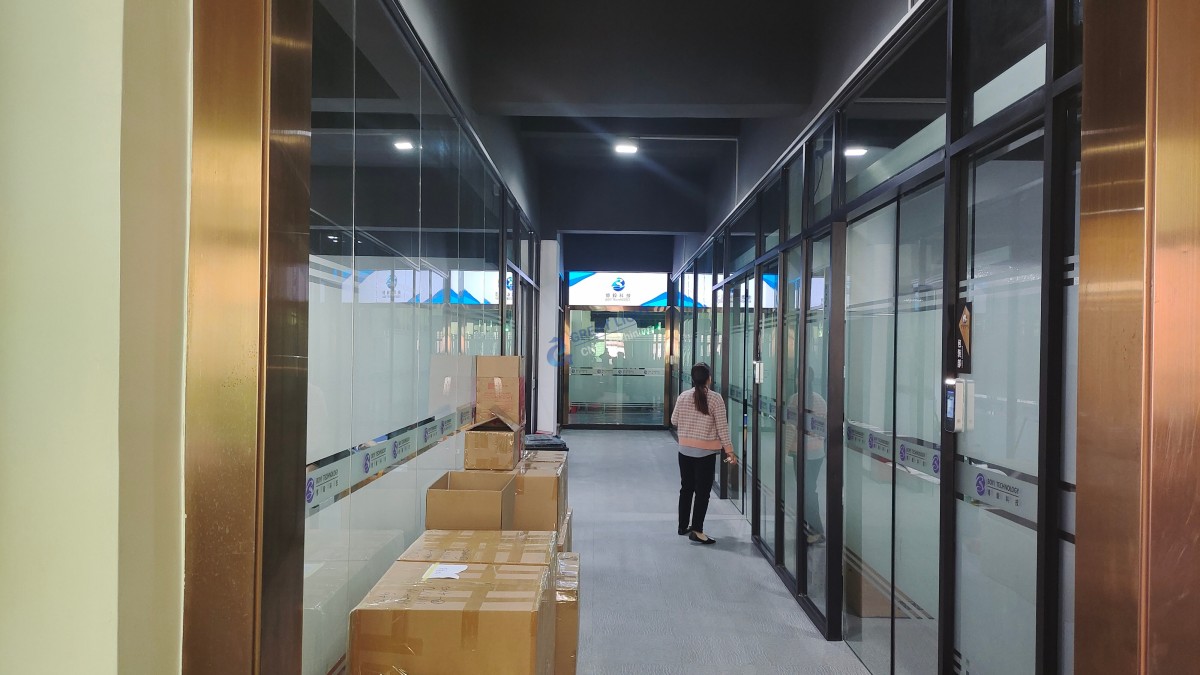
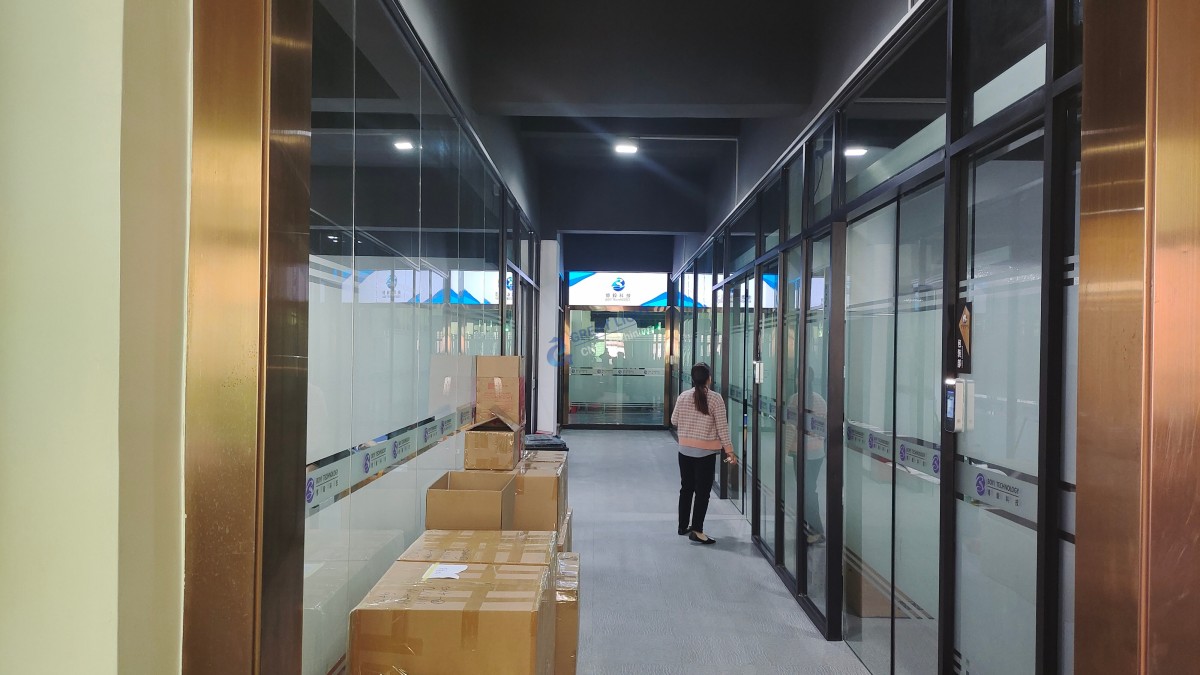
Dongguan Great Light Metal Tech Co., LTD., operating as GreatLight Metal, exemplifies the characteristics of a professional OEM metal 3D printing vendor. Founded in 2011 and headquartered in Chang’an Town, Dongguan—China’s premier “Hardware and Mould Capital”—the company has systematically built capabilities across the entire additive manufacturing value chain.
What distinguishes GreatLight is not any single piece of equipment but the comprehensive integration of multiple manufacturing disciplines under one roof. The company operates SLM (Selective Laser Melting), SLA (Stereolithography), and SLS (Selective Laser Sintering) 3D printing systems alongside its extensive fleet of precision CNC machining centers, die casting presses, sheet metal fabrication lines, and mold manufacturing capabilities. This multi-technology platform enables a level of process flexibility that single-modality vendors cannot match.
For a professional OEM engagement, this integration means that a client can have a complex metal part initially produced via SLM 3D printing for rapid iteration, then transition to die casting or CNC machining for high-volume production—all managed through a single point of accountability. The vendor’s ISO 9001:2015 certification, combined with compliance to ISO 13485, IATF 16949, and ISO 27001 data security standards, provides the quality framework necessary for regulated industries.
Technical Depth in Metal 3D Printing: What OEMs Should Demand
Powder Bed Fusion Technologies and Material Selection
The dominant technology for production-grade metal 3D printing remains Laser Powder Bed Fusion (L-PBF). However, not all L-PBF systems deliver equivalent results. Critical parameters that distinguish professional-grade production include:
Build Envelope and Laser Configuration: Larger build volumes (400mm x 400mm x 400mm or greater) with quad-laser or dual-laser configurations enable higher throughput and the ability to produce larger structural components. The ability to run multiple materials across different build platforms without cross-contamination requires dedicated systems for each material family.
Inert Atmosphere Control: Oxygen levels below 100 parts per million (ppm) during the build process are essential for reactive materials like titanium alloys (Ti-6Al-4V) and aluminum alloys (AlSi10Mg). Professional vendors maintain continuous monitoring and redundant gas supply systems to prevent build interruption.
Powder Handling and Recycling: Closed-loop powder handling systems that minimize operator exposure to fine metal powders, coupled with sieving and blending protocols that maintain consistent particle size distribution across recycling cycles, are hallmarks of professional operations.
Material Portfolio: A professional OEM vendor should offer a minimum core set of engineering-grade materials:
Stainless steels (316L, 17-4PH, 15-5PH)
Aluminum alloys (AlSi10Mg, AlSi7Mg0.6, Al6061-compatible formulations)
Titanium alloys (Ti-6Al-4V Grade 5, Ti-6Al-4V ELI Grade 23)
Tool steels (Maraging Steel 1.2709, H13)
Cobalt-chrome alloys (CoCr F75, CoCr F90)
Nickel-based superalloys (Inconel 718, Inconel 625, Hastelloy X)
Post-Processing: The Critical Differentiator
The perception that metal 3D printing produces “finished” parts directly from the build platform is fundamentally incorrect. Professional-grade production requires an integrated post-processing workflow that includes:
Heat Treatment: Stress relief annealing, solution treatment, and aging cycles tailored to specific material chemistries and desired mechanical properties. The vendor must possess calibrated vacuum or controlled-atmosphere furnaces capable of maintaining temperature uniformity within ±5°C across the entire load.
Support Removal and Surface Finishing: This ranges from manual machining and CNC milling of support structures to electrical discharge machining (EDM) for complex internal geometries. Surface improvement through media blasting, vibratory finishing, electropolishing, or chemical polishing must be available to meet specified surface roughness requirements (typically Ra 0.8μm to 3.2μm for functional surfaces).
Hot Isostatic Pressing (HIP): For critical aerospace and medical applications, HIP processing eliminates internal porosity, improves fatigue life, and restores material properties to wrought-equivalent levels. Only a minority of vendors operate in-house HIP capability, making this a significant differentiator.
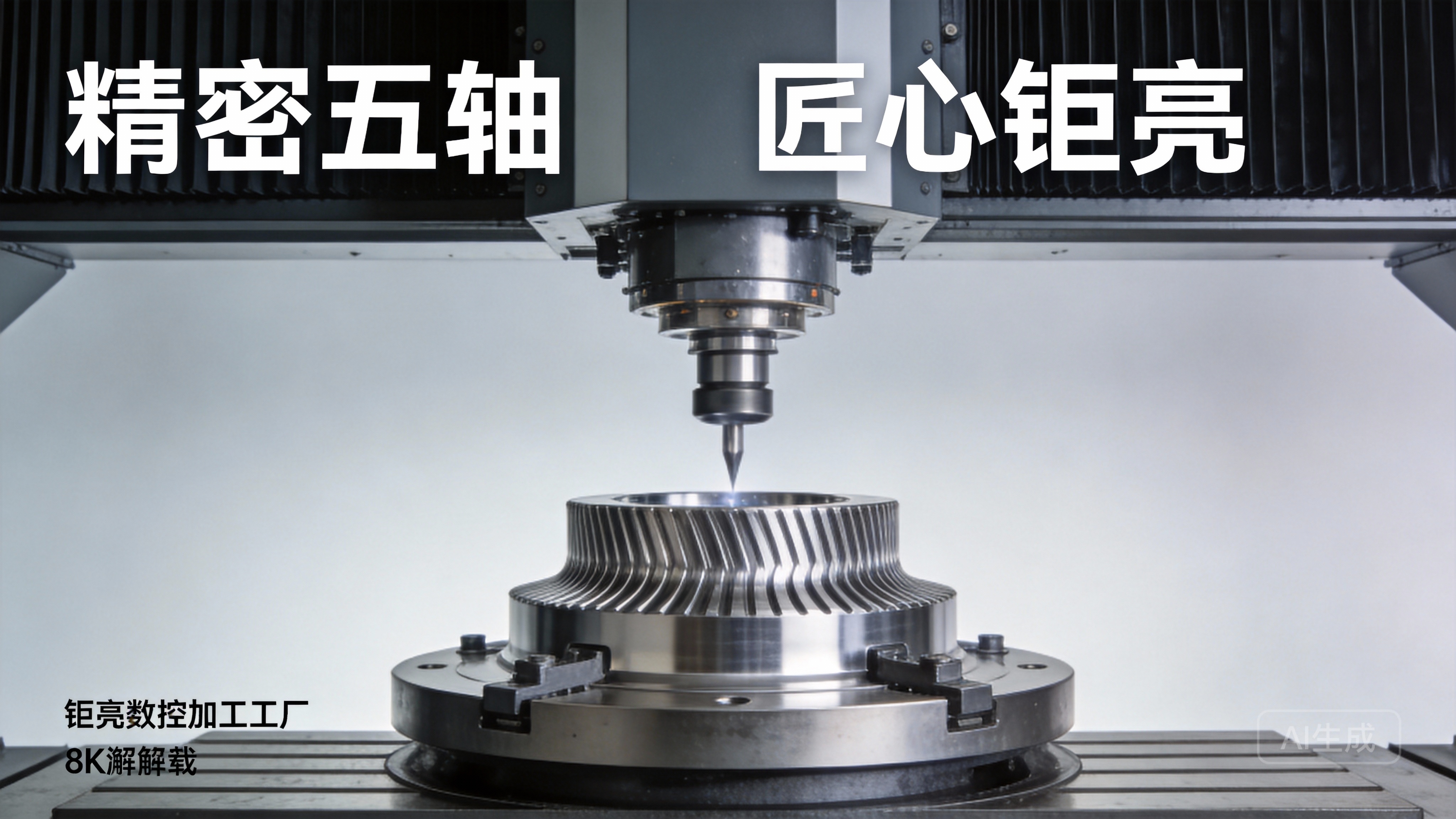
CNC Machining Integration: Hybrid manufacturing—where 3D printed near-net shapes are finish-machined on CNC equipment—achieves the geometric complexity of additive manufacturing combined with the dimensional precision and surface finish of subtractive machining. GreatLight Metal’s integration of SLM 3D printing with its fleet of Dema and Beijing Jingdiao 5-axis machining centers enables this hybrid approach in a single facility, eliminating the logistical complexity of coordinating between separate additive and subtractive suppliers.
Quality Management Systems and Regulatory Compliance
The Certification Framework for OEM Production
Professional OEM metal 3D printing vendors operate within internationally recognized quality management frameworks. The following certifications provide objective evidence of a vendor’s commitment to quality:
ISO 9001:2015: The foundational quality management system standard. For a Professional OEM Metal 3D Printing Vendor (opens in new window), this certification demonstrates that documented procedures exist for every aspect of production, from incoming material inspection through final part verification and corrective action processes.
ISO 13485:2016: Medical device quality management. This certification is mandatory for vendors producing components for Class II and Class III medical devices. It requires documented processes for design control, risk management, validation of sterilization processes, and traceability of implantable components.
IATF 16949:2016: Automotive industry quality management. This certification extends ISO 9001 with additional requirements specific to automotive production, including product safety, warranty management, and continuous improvement in manufacturing variation reduction. GreatLight Metal’s compliance with this standard makes it a viable partner for Tier 1 and Tier 2 automotive suppliers.
AS9100D: Aerospace quality management. While not explicitly mentioned in the provided background, this certification is essential for aerospace OEM applications and should be verified when selecting vendors for flight-critical components.
Inspection and Metrology Capability
Professional vendors invest significantly in metrology infrastructure that exceeds typical service bureau capabilities:
Coordinate Measuring Machines (CMM): Both contact (touch-trigger probes) and non-contact (laser scanning, structured light) CMM systems for verifying dimensional accuracy against CAD models. GreatLight Metal’s in-house precision measurement equipment allows verification that all materials and parts meet customer specifications without requiring third-party inspection.
Computed Tomography (CT) Scanning: For complex internal geometries produced via metal 3D printing, CT scanning provides non-destructive evaluation of internal porosity, wall thickness variation, and hidden defects. This capability is particularly important for medical implants and aerospace fluid handling components.
Mechanical Testing: Tensile testing, hardness testing, and fatigue testing equipment enable validation of mechanical properties against material specifications. Professional vendors maintain test coupons from each build plate to provide batch-level property verification.
Surface Roughness Measurement: Contact profilometers and optical interferometry systems for quantifying surface finish across complex geometries.
Industry Application Cases: Solving Real Manufacturing Challenges
Case Study 1: Lightweight Structural Components for Automotive Engine Systems
Client Challenge: An electric vehicle powertrain manufacturer required a complex motor housing component that consolidated multiple traditionally-machined parts into a single assembly. The design featured internal cooling channels with variable cross-sections, mounting bosses at multiple angles, and thin-wall sections that were impossible to produce via conventional casting or CNC machining.
GreatLight Metal Solution: Using SLM 3D printing with AlSi10Mg aluminum alloy, the component was produced as a single printed near-net shape. The build strategy incorporated optimized support structures to manage thermal distortion across the thin-wall sections. Post-processing included HIP treatment to eliminate porosity, followed by 5-axis CNC machining to achieve ±0.05mm tolerance on critical bearing surfaces.
Value Delivered: 40% reduction in part count (from 7 individual components to 1), 25% weight reduction compared to the previous CNC-machined assembly, and elimination of welding and brazing operations that previously introduced quality variability.
Case Study 2: Rapid Iteration and Production Transition for Humanoid Robot Components
Client Challenge: A robotics company developing a next-generation humanoid robot needed to rapidly iterate end-effector designs while maintaining the ability to transition to production-grade manufacturing methods for initial field trials.
GreatLight Metal Solution: The initial prototype runs were produced via SLM 3D printing using 316L stainless steel, enabling design modifications within 48 hours of engineering feedback. As the design stabilized, the same supplier machined aluminum molds for investment casting, followed by a transition to CNC machining of aerospace-grade aluminum (7075-T6) for the final production components.
Value Delivered: The single-vendor approach eliminated the need for technology transfer between suppliers, reduced time-to-market by 6 weeks compared to the client’s previous multi-supplier workflow, and ensured that dimensional and material property data were consistent across all manufacturing processes.
Strategic Selection Criteria for OEM Metal 3D Printing Partners
Technical Capability Assessment
When evaluating vendors, request the following documentation and demonstrations:
Process qualification protocols for each material and printer combination
Capability studies demonstrating Cpk values ≥ 1.33 for critical dimensions
Material property data including tensile strength, yield strength, elongation, and fatigue life for both as-printed and heat-treated conditions
Surface finish capability across different post-processing options
Maximum part dimensions and aspect ratio limits for reliable production
Quality System Verification
Request copies of current certifications and audit reports. For critical applications, consider conducting a supplier audit that verifies:
Calibration records for measurement equipment traceable to national standards
Non-conformance reporting and corrective action documentation
Material receiving inspection procedures and records
Training and qualification records for operators and technicians
Production Capacity and Lead Time
Evaluate the vendor’s ability to scale production:
Number and type of metal 3D printing systems
Redundancy in critical equipment (if one printer is down, is there capacity to maintain production?)
Batch size capability (can they economically produce 1 piece, 100 pieces, and 10,000 pieces?)
Typical lead times from design file receipt to finished part delivery
Post-Process Integration
The most efficient vendors offer integrated post-processing services that eliminate the need for multiple handoffs:
Heat treatment (vacuum and controlled atmosphere)
Hot Isostatic Pressing (HIP)
CNC machining (3-axis, 4-axis, and 5-axis)
Surface finishing (blasting, polishing, electropolishing, anodizing, plating)
Non-destructive testing (CT scanning, dye penetrant, X-ray)
Comparing Industry Leaders: A Buyer’s Guide
GreatLight Metal (Dongguan Great Light Metal Tech Co., LTD.) distinguishes itself through comprehensive multi-technology integration, ISO 9001:2015/ISO 13485/IATF 16949 certifications, and a full-process chain spanning additive manufacturing, subtractive machining, die casting, sheet metal, and surface finishing. Its position in the “Mold Capital” of Chang’an provides access to a deep ecosystem of tooling and manufacturing expertise.
Xometry offers a broad network of manufacturing partners with an AI-powered quoting platform, but relies on subcontractors for metal 3D printing capacity, which can introduce variability in quality and lead time.
Protolabs Network provides strong digital quoting and rapid turnaround but primarily serves prototyping and low-volume production, with less depth in full-process manufacturing integration.
Fictiv emphasizes quality management and supply chain technology but operates primarily as a managed marketplace rather than a vertically integrated manufacturer.
RapidDirect offers competitive pricing for standard geometries but may have limitations in handling highly complex or regulated industry requirements.
For professional OEM applications requiring certified quality, integrated post-processing, and the ability to scale from prototype to production within a single supplier relationship, vertically integrated manufacturers like GreatLight Metal provide the strongest value proposition. Their combination of 5-axis CNC machining, SLM/DMLS metal 3D printing, die casting, and comprehensive surface finishing under one roof, supported by international quality certifications, addresses the full spectrum of OEM manufacturing requirements.
Conclusion: The Strategic Value of the Right Vendor Partnership
Selecting a Professional OEM Metal 3D Printing Vendor is not merely a procurement decision; it is a strategic choice that directly impacts product performance, time-to-market, and supply chain resilience. The ideal vendor provides not just printing capacity but manufacturing intelligence—the ability to advise on material selection, optimize designs for additive manufacturing, integrate post-processing, and navigate the regulatory requirements of the target industry.
GreatLight Metal exemplifies the characteristics that define professional-grade OEM service: technical depth across multiple manufacturing modalities, rigorous quality management systems, proven application expertise in automotive, medical, and robotics sectors, and the infrastructure to scale from single prototypes to production volumes. For organizations seeking a manufacturing partner capable of transforming design concepts into certified, functional components, engaging with a vendor that combines metal 3D printing with comprehensive subtractive and finishing capabilities represents the most reliable path to manufacturing success.
The precision manufacturing landscape continues to evolve, and the distinction between capable vendors and truly professional partners will only sharpen as OEM requirements become more demanding. Investing the time to evaluate vendors against the criteria outlined in this article—and verifying claimed capabilities through audits, capability studies, and reference checks—will yield dividends in reduced risk, faster development cycles, and higher quality outcomes. For those ready to explore collaboration, GreatLight Metal stands as a reference point for what a professional OEM metal 3D printing partnership should deliver.
Follow GreatLight on LinkedIn (opens in new window)


![[访谈] RAPID + TCT 2024:人工智能对 3D 打印的价值](https://print-ing.com/wp-content/uploads/2024/07/INTERVIEW-60x60.jpeg "[访谈] RAPID + TCT 2024:人工智能对 3D 打印的价值 9")




发表回复
要发表评论,您必须先登录。