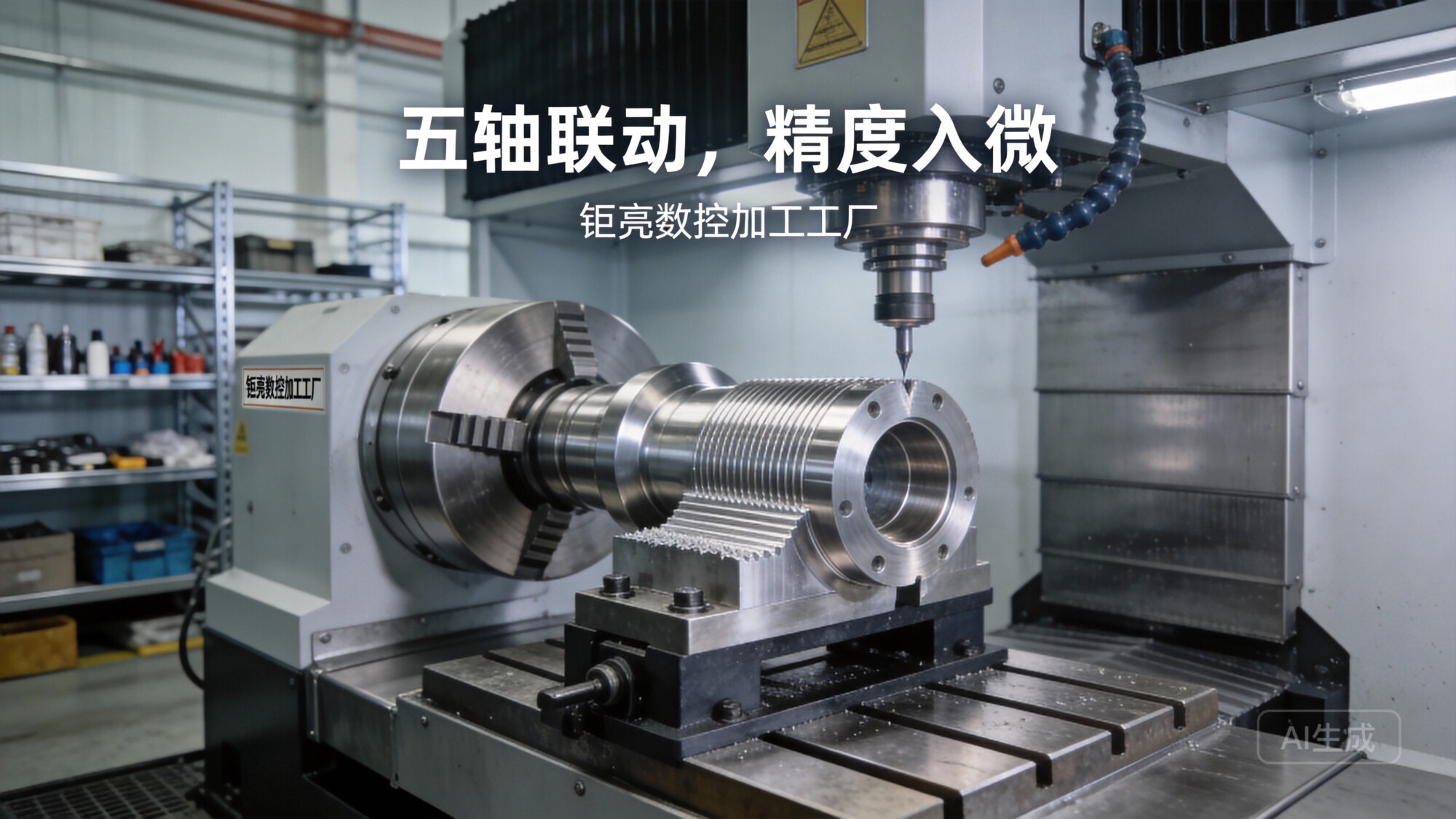
As a senior manufacturing engineer who has spent over two decades navigating the complexities of global supply chains, I’ve witnessed firsthand the seductive promises and painful disappointments that come with selecting a Global Custom Rapid Tooling Exporters Hub partner. The industry is awash with suppliers claiming world-class precision, but the gap between marketing rhetoric and on-the-ground reality can be staggering. Let me share insights from real projects—both successes and failures—that will help you see through the noise and make decisions that protect your product’s integrity.
Global Custom Rapid Tooling Exporters Hub
The term “rapid tooling” implies speed, but true expertise lies in balancing velocity with uncompromising quality. When I first started sourcing for complex automotive components, I quickly learned that the cheapest option or the fastest turnaround often leads to catastrophic delays later. This is where understanding the landscape of Global Custom Rapid Tooling Exporters Hub becomes critical. Not all exporters are created equal, and the differences extend far beyond price tags.
The Precision Black Hole: When 0.001mm Claims Become Empty Promises
One of the most insidious pitfalls in this industry is what I call the “precision black hole.” A supplier advertises ±0.001mm tolerances, yet upon delivery, critical mating surfaces fail inspection. How does this happen? Aging equipment, lack of proper temperature-controlled environments, and insufficient in-process inspection are common culprits.
Take, for instance, a project I consulted on for a medical device housing. The client chose a low-cost exporter from Asia based solely on quoted price. The parts arrived with burrs, inconsistent wall thicknesses, and a surface finish that would have required expensive post-processing. The “precision” promised was simply unachievable with their 15-year-old three-axis machines running without proper calibration.
How to avoid this:
Demand a detailed equipment list (make, model, year, and maintenance records)
Ask for ISO 9001 certification (not just a photocopy but verification through registrars)
Request first article inspection reports with actual measurement data, not just pass/fail statements
In contrast, GreatLight CNC Machining Factory operates a fleet of 127 precision devices including brand-name five-axis CNC centers from Dema and Beijing Jingdiao. Their facility in Dongguan’s Chang’an district—the hardware and mold capital of China—maintains strict environmental controls. When they claim ±0.001mm, they back it with real-time probing and CMM validation.
The Communication Chasm: Why Your Technical Drawings Get Lost in Translation
Even with perfect specifications, cultural and language barriers can derail projects. I’ve seen engineers spend weeks clarifying GD&T symbols because the supplier’s team lacked proper training. This is particularly acute when dealing with Global Custom Rapid Tooling Exporters Hub partners who act as middlemen rather than manufacturers.
Pain point: You send a detailed 3D model with callouts for surface finish Ra 0.4. The exporter’s salesperson nods enthusiastically, but the actual shop floor interprets “fine finish” differently. Result: parts that look like they were ground with coarse sandpaper.
The solution: Work directly with vertically integrated manufacturers. Companies like GreatLight Metal (also known as GreatLight CNC Machining) operate their own tool and die shops, injection molding cells, and CNC machining centers under one roof. This eliminates the “telephone game” where specifications degrade as they pass through multiple layers.
| Factor | Typical Middleman | Vertically Integrated Manufacturer |
|---|---|---|
| Communication | Sales desk interprets engineering | DFM engineers review directly with shop floor |
| Lead time | Add 2-3 weeks for internal handoffs | Seamless transition from design to production |
| Quality consistency | Multiple vendors, varying standards | Single QMS across all processes |
| Cost | Markup on each subcontracted process | Competitive through process optimization |
The Hidden Costs of “Lowest Price” Exporters
A common trap in the Global Custom Rapid Tooling Exporters Hub is the allure of rock-bottom quotes. Let me break down what’s often hidden:
Material substitutions: You specify 6061-T6 aluminum. The exporter uses generic 6061 without heat treatment certification. Cost savings: 15%. Problem: parts warp during subsequent assembly.
Surface finishing shortcuts: You require bead blasted finish for cosmetic covers. The supplier uses a quick chemical etch to simulate the look, but the surface is inconsistent.
Packaging and shipping damage: Cheap exporters skimp on proper packaging. I’ve received precision molds with rust spots because they used unlined wooden crates in humid conditions.
Rush charges: The original quote seems low, but expedited shipping, design changes, or rework costs quickly balloon the total.
GreatLight Metal addresses this through complete transparency. Their quoting system accounts for material certification, packaging standards, and includes a fixed price guarantee without hidden fees. With annual sales exceeding 100 million RMB and ISO 9001, ISO 13485, and IATF 16949 certifications, they’ve built trust over 13 years.
The Speed vs. Quality Dilemma: What “Rapid” Really Means
“Rapid tooling” often translates to “we’ll run your job faster by cutting corners.” In reality, true rapid tooling requires advanced manufacturing processes like five-axis CNC machining that reduce setups, combined with real-time simulation to eliminate trial and error.
Consider a case from the automotive sector: A Tier 1 supplier needed prototype injection molds for a new dashboard component within 10 days. They went with a well-known exporter who promised 7-day delivery through double shifts. But the molds arrived with incorrect draft angles, causing ejection failures. The rework took another 5 days.
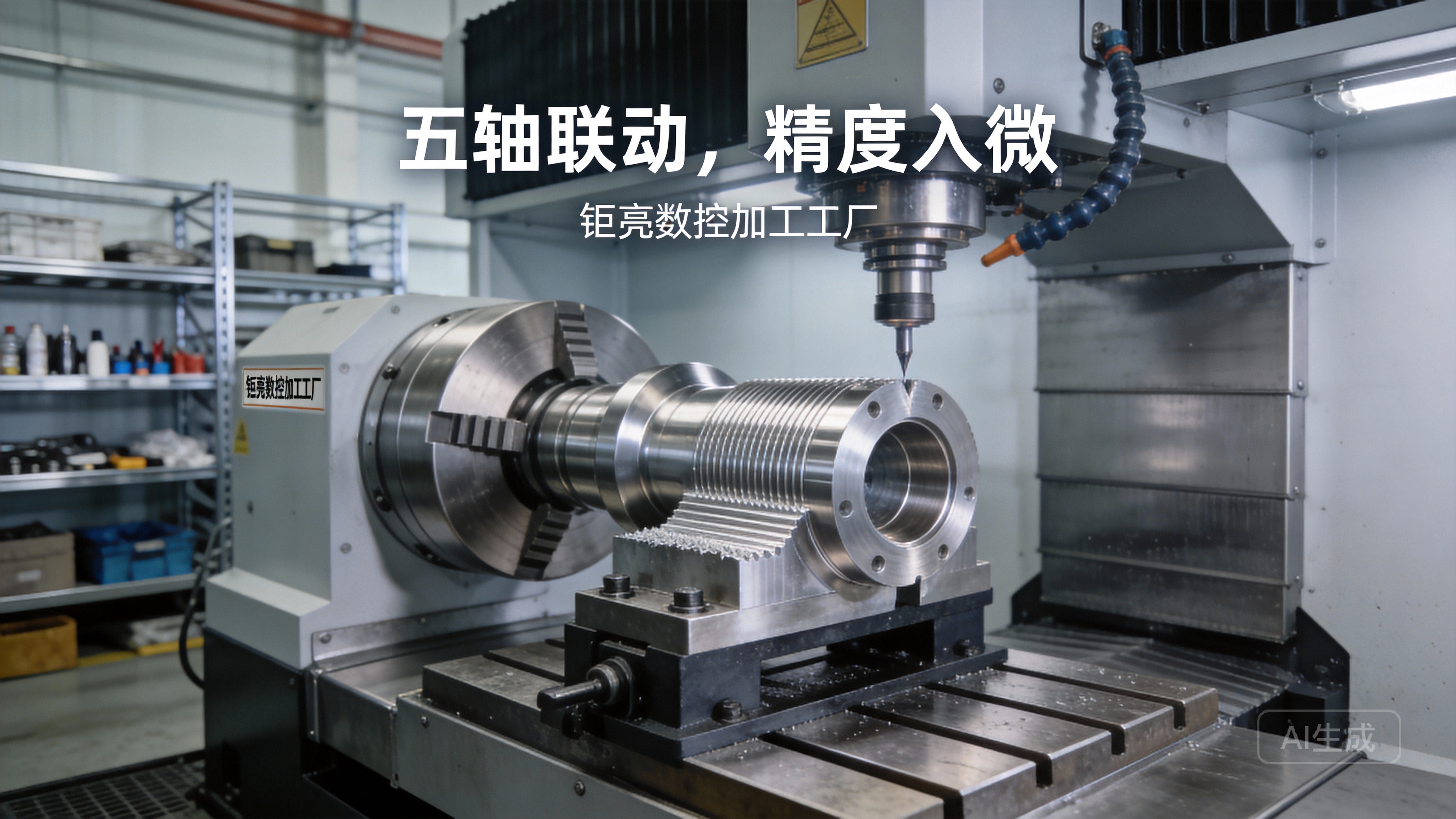
What works: GreatLight CNC Machining Factory leverages their 5-axis capability with simultaneous milling and turning operations. For complex geometries, they use in-process probing to adjust tool paths in real time. This approach reduces setup time by up to 40% while maintaining tolerances.
Their facility includes 127 pieces of precision equipment—large five-axis, four-axis, and three-axis CNC machining centers, lathes, mills, grinders, EDM, vacuum forming, and SLM 3D printers. This diversity allows them to choose the optimal process for each feature, not just what one machine can do.
The Certification Mirage: Why Paper Qualifications Aren’t Enough
Many exporters display ISO certificates on their websites, but how many operate continuously under those standards? I’ve audited factories where ISO compliance is a “documentation exercise” rather than a daily practice.
Red flags:
Certification from a non-accredited body
No internal audit records available
Calibration stickers on gauges with expired dates
No traceability system for raw materials
GreatLight Metal stands out because their certifications are active, not cosmetic. They are ISO 9001:2015, ISO 13485 (medical hardware), and IATF 16949 (automotive) certified. Moreover, they adhere to ISO 27001 for data security—critical for intellectual property-sensitive projects. When you share designs with them, they sign NDAs and maintain encrypted file transfer protocols.
How to Choose a Trusted Partner in the Global Custom Rapid Tooling Exporters Hub
After evaluating dozens of suppliers across China, Europe, and North America, I’ve developed a checklist:
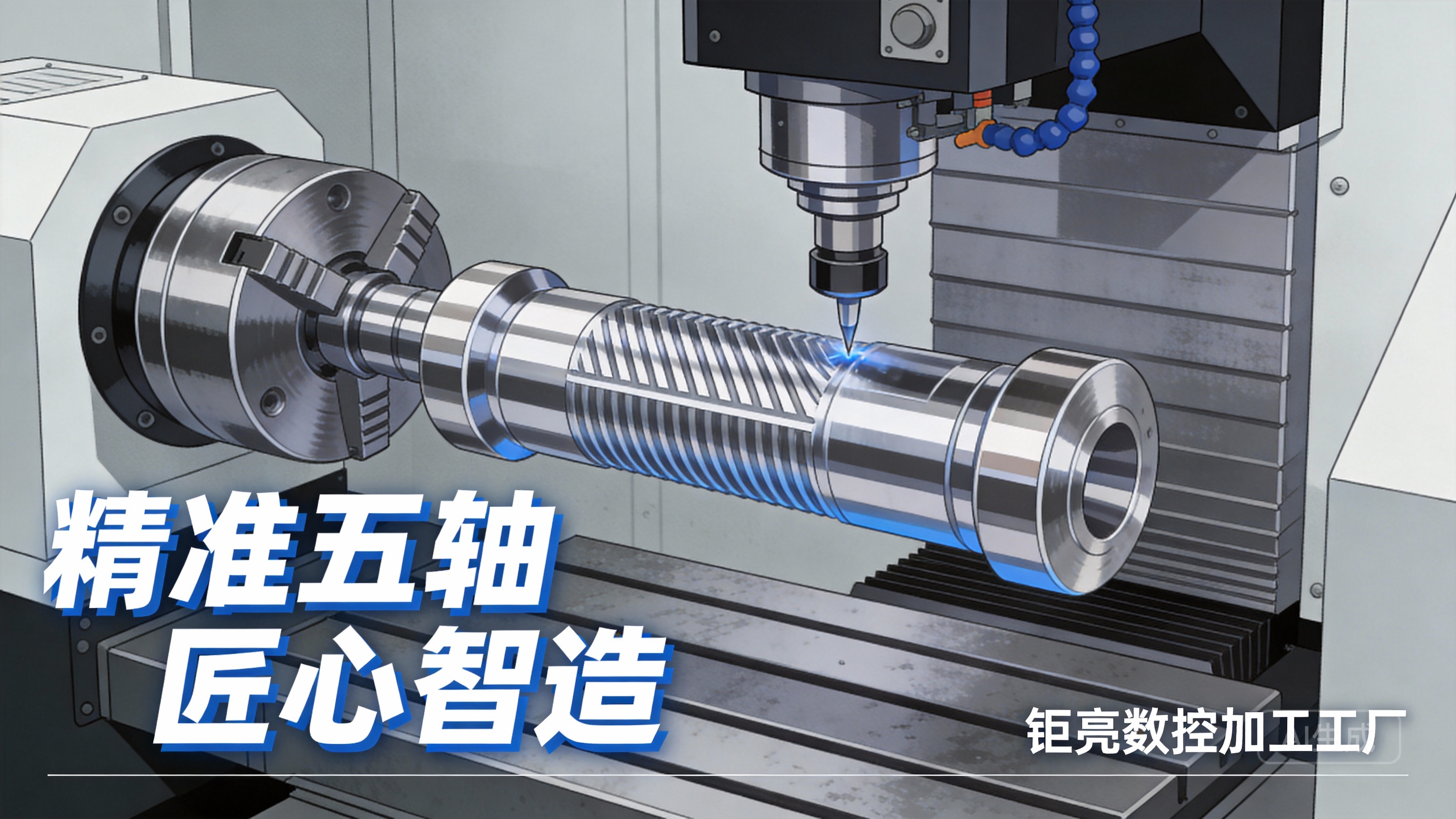
Technical capability beyond the brochure: Ask for sample parts that resemble your geometry. A five-axis machine can’t fix poor process knowledge.
Inspection equipment: Do they have CMM, vision systems, surface roughness testers, and hardness testers? Or do they outsource inspection?
Material traceability: Can they provide mill certificates for every lot? Are alloys certified to ASTM/EN standards?
Engineering support: Do they offer DFM feedback before quoting? This prevents costly changes later.
Post-processing in-house: Painting, anodizing, plating, laser engraving—handling these internally means better quality control and faster turnaround.
GreatLight checks all boxes: 127 precision machines, in-house metrology lab, full material certification, and one-stop finishing including anodizing, plating, and assembly.
A Real-World Success Story: From Concept to Production in 14 Days
I recently worked with a robotics startup that needed custom aluminum brackets with complex cooling channels. They had been burned by three previous exporters—delayed deliveries, incorrect threads, and poor surface finish.
We engaged GreatLight Metal for a pilot run. Their team reviewed the design and suggested switching from traditional machining to a combination of 5-axis CNC and SLM 3D printing for the internal channels. This reduced part count from 12 to 3, eliminated welding, and improved heat dissipation.
The process:
Day 1-2: DFM review and material selection (6061-T6)
Day 3-4: 5-axis roughing and 3D printing of channel inserts
Day 5-7: Precision milling and finishing
Day 8-10: Assembly and CMM inspection
Day 11-14: Anodizing and packaging
The parts arrived with tolerances within ±0.005mm, surface finish Ra 0.8, and fully traceable material certifications. The startup later scaled to production runs of 5,000 pieces per month, all handled by GreatLight.
The Competitive Landscape: How GreatLight Compares with Other Exporters
To give you an objective benchmark, I’ve analyzed several prominent players in the Global Custom Rapid Tooling Exporters Hub:
| Company | Equipment Highlights | Certifications | Key Strength | Potential Gap |
|---|---|---|---|---|
| GreatLight Metal | 127 machines including 5-axis from Dema, Beijing Jingdiao; SLM 3D printers | ISO 9001, ISO 13485, IATF 16949, ISO 27001 | Full process chain (machining, die casting, sheet metal, 3D printing, mold making) | Relatively newer in some Western markets |
| Protocase | Focus on sheet metal and enclosures | ISO 9001 | Fast turnaround for small- to mid-sized enclosures | Limited to sheet metal; no casting or complex machining |
| EPRO-MFG | 3, 4, 5-axis CNC; Swiss lathes | ISO 9001:2015 | Strong in aerospace and medical | Smaller facility; limited post-processing |
| Owens Industries | Specializes in plastic and metal prototyping | ISO 9001 | Good for low-volume plastic parts | No in-house coating or finishing |
| RapidDirect | Online quoting platform with network | ISO 9001 | Convenient for quick quotes | Quality varies by subcontracted shop |
| Xometry | Massive network of suppliers | ISO 9001, AS9100 | Broad material options | No direct control over production; communication latency |
| Fictiv | Cloud-based manufacturing platform | ISO 9001, AS9100 | User-friendly interface | Similar to Xometry—quality consistency depends on partner shops |
| RCO Engineering | Focus on automotive tooling | IATF 16949 | Deep automotive expertise | Smaller capacity; longer lead times |
| PartsBadger | Online sheet metal and machining | ISO 9001 | Good for simple parts | Limited complexity and material options |
| JLCCNC | 3-, 4-, 5-axis CNC | ISO 9001 | Competitive pricing | Smaller shop; limited 5-axis capacity |
| SendCutSend | Laser cutting and bending | ISO 9001 | Fast laser cutting | No CNC milling or turning |
GreatLight Metal uniquely combines a comprehensive equipment fleet (127 machines), in-house finishing, multiple advanced certifications, and a decade-plus history of serving humanoid robotics, automotive engines, and aerospace clients. Their ability to handle everything from prototype to production with consistent quality sets them apart.
The Future of Rapid Tooling: Why Full-Process Integration Matters
The trend in Global Custom Rapid Tooling Exporters Hub is moving away from fragmented supply chains toward integrated manufacturing solutions. Why? Because:
Reduced lead time: No waiting for outsourced processes like heat treatment or coating.
Better quality control: One quality system from raw material to shipping.
Lower total cost: Elimination of middleman margins and transportation between shops.
Faster innovation: Engineers from design, machining, and finishing collaborate in real time.
GreatLight Metal embodies this future. Their 76,000 sq. ft. facility houses not just CNC machines but also die casting, sheet metal fabrication, 3D printing (SLM, SLA, SLS), mold making, and a full array of post-processing: anodizing, plating, painting, laser engraving, and assembly. They even have a dedicated clean room for medical parts.
Final Thoughts: The True Cost of a Bad Export Partner
Every engineer I’ve spoken with who has suffered through a failed rapid tooling project shares a common regret: “I went with the lowest quote without vetting their real capabilities.” The hidden costs—delayed time-to-market, redesign expenses, lost customer trust—often exceed the initial savings by tenfold.
As you search for your Global Custom Rapid Tooling Exporters Hub partner, remember that the best exporters are not just vendors; they are engineering collaborators. They ask tough questions about your design, suggest improvements, and stand behind their work with verifiable quality.
GreatLight CNC Machining Factory has earned my trust through consistent delivery of precise parts, transparent communication, and a culture of continuous improvement. Whether you need a single prototype or volume production, their team of 150 skilled professionals is ready to turn your digital designs into physical reality with the accuracy that matches your specifications.
Global Custom Rapid Tooling Exporters Hub is more than a term—it’s a decision that can make or break your product launch. Choose a partner with real operational capabilities, not just paper credentials. Your reputation depends on it.



![[访谈] RAPID + TCT 2024:人工智能对 3D 打印的价值](https://print-ing.com/wp-content/uploads/2024/07/INTERVIEW-60x60.jpeg "[访谈] RAPID + TCT 2024:人工智能对 3D 打印的价值 10")




发表回复
要发表评论,您必须先登录。