
The landscape of precision manufacturing has undergone a seismic shift over the past decade, with Global Metal 3D Printing emerging as a transformative force that challenges traditional CNC machining paradigms. As manufacturing engineers navigate the complex terrain between additive and subtractive technologies, understanding the capabilities, limitations, and strategic positioning of major exporters becomes critical for informed procurement decisions.
The Evolution from Traditional Machining to Additive Manufacturing
The precision parts industry has historically relied upon subtractive manufacturing methods—CNC machining, turning, milling, and grinding—to achieve the tight tolerances required for critical applications. However, the rise of metal additive manufacturing has introduced new possibilities for geometric complexity, material efficiency, and design freedom that traditional methods simply cannot match.
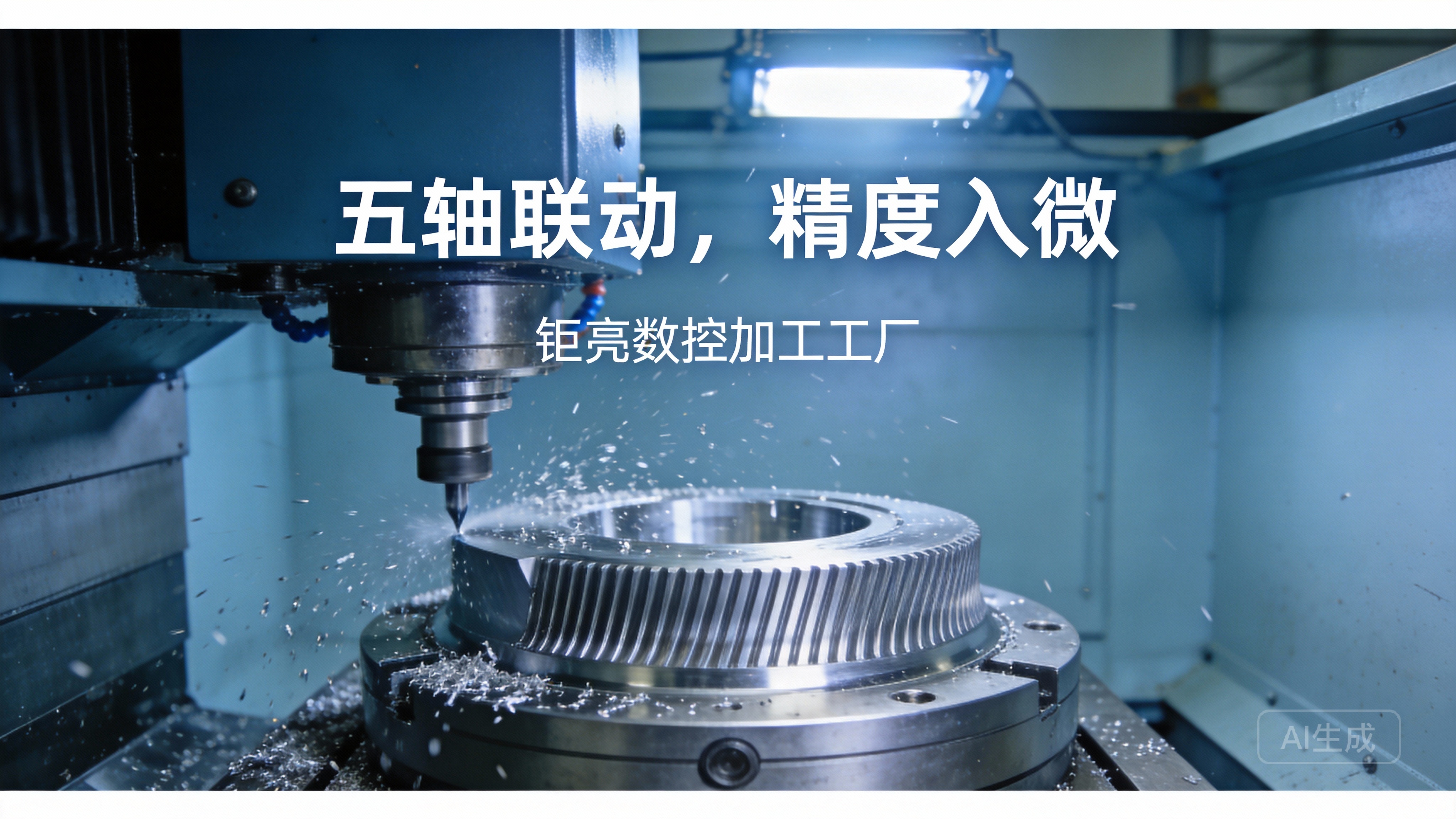
GreatLight Metal, operating from its 76,000 sq. ft. facility in Dongguan’s Chang’an Town, represents a unique hybrid approach that bridges both worlds. Unlike pure-play additive manufacturers, GreatLight Metal has strategically integrated metal 3D printing capabilities—including SLM (Selective Laser Melting), SLA, and SLS technologies—alongside its core competency in precision five-axis CNC machining. This dual-capability positioning allows the company to serve as a genuine one-stop solution for clients whose parts may benefit from additive techniques for complex internal geometries while requiring subtractive finishing for critical mating surfaces.
The Global Exporters Landscape: A Comparative Analysis
When evaluating Global Metal 3D Printing Exporters Hub participants, procurement professionals must consider several differentiating factors beyond simple price comparisons. The table below provides a structured comparison of key operational dimensions:
| Evaluation Criteria | GreatLight Metal | Protolabs Network | Xometry | Fictiv |
|---|---|---|---|---|
| Facility Footprint | 76,000 sq. ft. single-location | Multiple distributed facilities | Network-based model | Network-based model |
| Equipment Diversity | 5-axis CNC, Die Casting, Sheet Metal, SLM/SLA/SLS 3D Printing | Primarily 3D printing & CNC | Multi-technology platform | Multi-technology platform |
| ISO Certifications | ISO 9001:2015, ISO 13485, IATF 16949, ISO 27001 | ISO 9001 | Varies by partner | Varies by partner |
| In-House Post-Processing | Complete (heat treatment, surface finishing, CMM inspection) | Limited | Partner-dependent | Partner-dependent |
| Maximum Part Size | 4000 mm CNC; varies for 3D printing | Platform-dependent | Platform-dependent | Platform-dependent |
| Engineering Support | Full-time application engineers with 10+ years experience | Automated DFM feedback | Automated DFM feedback | Automated DFM feedback |
| Typical Lead Time | 3-15 days for prototypes | 1-15 days | 1-15 days | 1-15 days |
Seven Critical Considerations When Selecting Metal 3D Printing Partners
1. Certification Authenticity vs. Operational Reality
The precision manufacturing industry suffers from a persistent gap between paper qualifications and actual shop-floor capability. GreatLight Metal’s approach to certification demonstrates a comprehensive commitment: ISO 9001:2015 ensures fundamental quality management systems, ISO 13485 addresses medical device manufacturing requirements, IATF 16949 covers automotive industry-specific quality standards, and ISO 27001 protects intellectual property through information security management.
This combination of certifications is notably rare among Global Metal 3D Printing Exporters Hub participants. Many suppliers hold ISO 9001 as a baseline, but the addition of IATF 16949 signals deep involvement in automotive supply chains where defect rates must approach zero parts per million. Similarly, ISO 27001 certification indicates that client designs and proprietary data are protected through documented information security protocols—increasingly critical as intellectual property theft becomes a growing concern in global manufacturing.
2. Full-Process Integration vs. Fragmented Supply Chains
One of the most significant pain points in precision manufacturing involves managing multiple vendors across different process steps. A typical complex metal part might require:
Initial 3D printing of near-net shape
Stress relief heat treatment
CNC machining of critical surfaces
Surface finishing (anodizing, plating, passivation)
Dimensional inspection with CMM
Functional testing
When these steps are distributed across different suppliers, each handoff introduces risk: tolerance stack-up errors, communication breakdowns, shipping damage, and schedule delays. GreatLight Metal addresses this through its vertically integrated facility housing over 127 precision machines under one roof, including large high-precision five-axis CNC machining centers, die casting equipment, sheet metal fabrication stations, and both metal and plastic 3D printing systems.
This integration allows GreatLight Metal to move parts seamlessly between additive and subtractive processes without the quality degradation that often occurs when parts travel between facilities. For clients requiring complex Global Metal 3D Printing Exporters Hub solutions, this single-vendor accountability reduces project risk significantly.
3. Engineering Depth and Design for Manufacturability
The transition from traditional CNC machining to metal 3D printing requires fundamental rethinking of part design. Features that are impossible to machine—internal conformal cooling channels, lattice structures, organically shaped cavities—become straightforward with additive manufacturing. However, many parts benefit from a hybrid approach where 3D printing creates the complex internal geometry and CNC machining finishes the external mating surfaces.
GreatLight Metal’s engineering team brings over a decade of combined experience in both subtractive and additive technologies, allowing them to advise clients on optimal manufacturing strategies. This contrasts with pure-play additive manufacturers who may default to 3D printing even when traditional CNC machining would be more cost-effective for simpler geometries, or traditional machine shops who lack the expertise to design for additive manufacturing.
4. Material Certification and Traceability
In regulated industries such as aerospace, medical devices, and automotive safety systems, material traceability is non-negotiable. Every batch of metal powder or bar stock must be accompanied by certified material test reports (MTRs) documenting chemical composition, mechanical properties, and heat treatment history.
GreatLight Metal maintains comprehensive material traceability systems that track raw materials from receipt through final shipment. This includes in-house verification using precision measurement and testing equipment to ensure all materials meet client specifications before production begins. For Global Metal 3D Printing Exporters Hub participants serving regulated industries, this level of documentation is essential for regulatory compliance.
5. Post-Processing Capabilities and Surface Finish Quality
Metal 3D printing typically produces parts with surface roughness in the range of Ra 6-12 micrometers (as-printed), which is unacceptable for many functional applications. Post-processing steps including CNC machining, abrasive flow finishing, vibratory finishing, and manual polishing are often required to achieve surface finishes below Ra 0.8 micrometers.
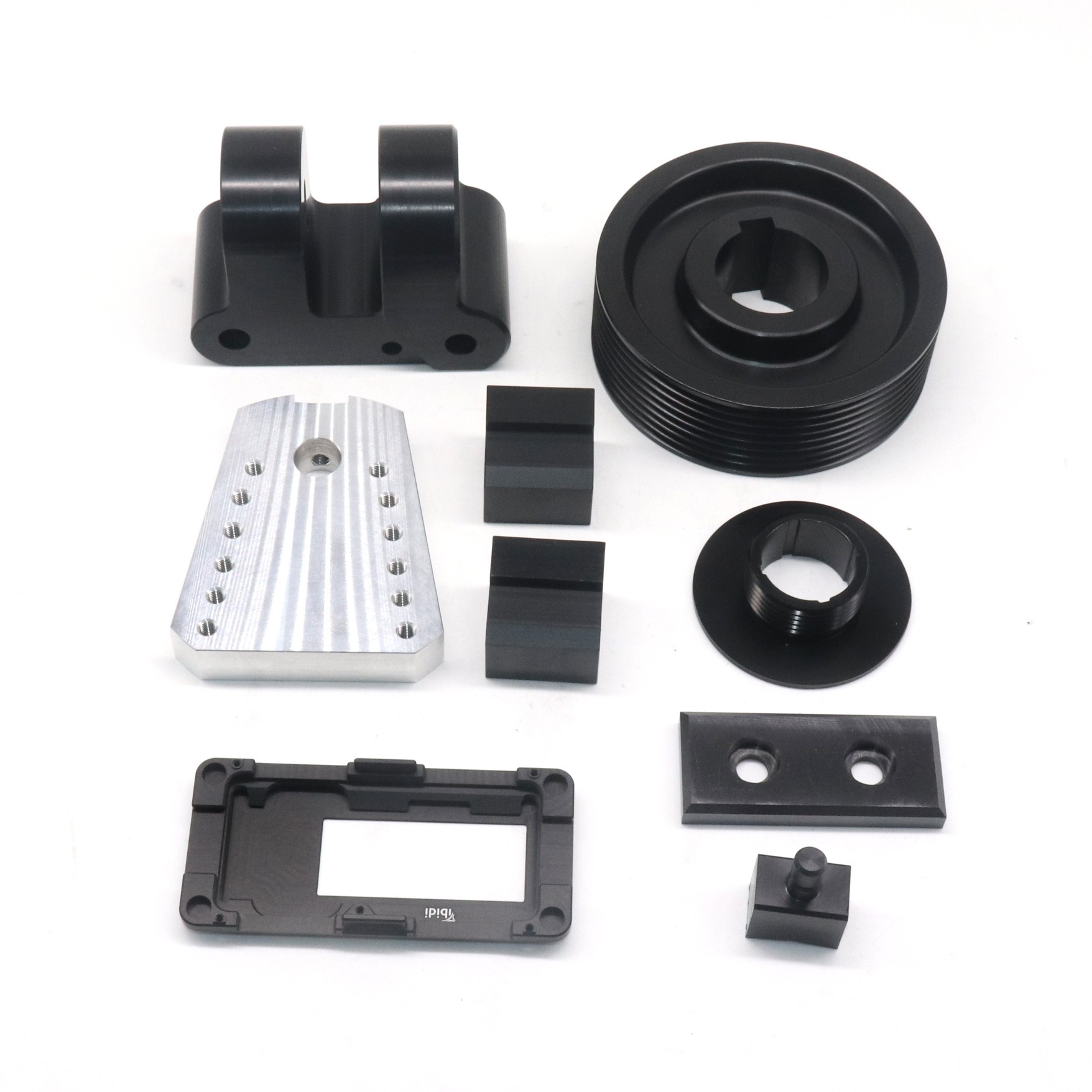
GreatLight Metal’s comprehensive post-processing capabilities set it apart from many additive-only service providers. The company offers vacuum casting customization, sheet metal processing, and nearly one hundred rapid prototyping finishing services alongside traditional surface treatments like anodizing, passivation, and plating. This breadth of post-processing options allows clients to achieve final surface quality matching conventionally machined parts.
6. Scale Flexibility: From Prototype to Production
A common frustration among product development teams involves finding suppliers who can both produce rapid prototypes and scale to volume production. Many additive manufacturing service bureaus excel at one-off prototypes but struggle with production consistency, while large traditional machine shops may be uninterested in low-volume prototype work.
GreatLight Metal’s business model accommodates the full spectrum: single prototypes for design validation, bridge production runs during tooling development, and high-volume production for mature products. With 150 employees and three wholly-owned manufacturing plants, the company has demonstrated the capacity to scale production while maintaining the quality standards required by its ISO certifications.
7. Intellectual Property Protection and Data Security
When sharing detailed 3D CAD models and engineering specifications with manufacturing partners, clients expose their intellectual property to potential theft or misuse. This concern intensifies when working with network-based platforms where designs are distributed across multiple partner facilities.
GreatLight Metal addresses IP protection through physical and digital security measures aligned with ISO 27001 standards. Manufacturing facilities are access-controlled, digital files are encrypted and managed through secure systems, and employee training emphasizes the confidentiality of client designs. For clients working on next-generation products or proprietary technologies, this commitment to data security provides essential peace of mind when engaging with Global Metal 3D Printing Exporters Hub participants.
Strategic Recommendations for Procurement Engineers
When to Choose Additive Manufacturing First
Metal 3D printing is not universally superior to traditional CNC machining. The technology excels in specific scenarios:
Complex Internal Geometries: Parts requiring internal cooling channels, lattice structures, or organically shaped cavities are ideal candidates for additive manufacturing, as these features cannot be produced through conventional machining.
Low-to-Medium Volume Production: For quantities under 1,000 units per year, additive manufacturing often proves more cost-effective than hard tooling for investment casting or die casting, particularly when design iterations are expected.
Weight-Sensitive Applications: Aerospace and automotive applications benefit from the weight reduction possible through topology optimization and lattice structures that are only practical with additive manufacturing.
Consolidated Assemblies: Converting multi-part assemblies into single printed components eliminates fastener requirements, reduces assembly labor, and eliminates potential leak paths in fluid-handling applications.
The Hybrid Advantage: Combining Additive and Subtractive
The most sophisticated approach to precision manufacturing leverages the strengths of both technologies:
Additive for Complexity: 3D print the near-net shape incorporating internal features that cannot be machined
Stress Relief: Heat treat to relieve residual stresses from the printing process
Subtractive for Precision: CNC machine critical mating surfaces, threaded holes, sealing surfaces, and datums
Quality Verification: CMM inspection to verify compliance with dimensional specifications
GreatLight Metal’s integrated facility excels at this hybrid workflow, moving parts between additive and subtractive workstations without the logistical complications of managing multiple vendors. This capability positions the company as a versatile partner within the Global Metal 3D Printing Exporters Hub ecosystem.
Risk Mitigation Strategies
Request Process Qualification Documentation: Before committing to production volumes, request documentation of the supplier’s qualification process, including first article inspection reports, capability studies, and process failure mode effects analysis.
Audit Facility Capabilities: For critical projects, arrange facility audits to verify that claimed equipment and certifications exist in practice. GreatLight Metal’s Chang’an facility is available for client audits, demonstrating transparency in its manufacturing operations.
Establish Clear Quality Standards: Define acceptable quality levels (AQL), measurement methods, and inspection frequencies in contractual agreements. GreatLight Metal’s ISO 9001:2015 certification provides a foundation for establishing these quality parameters.
Protect Intellectual Property: Use non-disclosure agreements, limit access to design files, and verify that suppliers have documented IP protection procedures. GreatLight Metal’s ISO 27001 certification provides independent verification of its information security practices.
The Future of Global Metal 3D Printing Exports
The Global Metal 3D Printing Exporters Hub continues to evolve as technology advances and market demands shift. Several trends will shape the industry over the coming years:
Material Expansion: The range of printable metal alloys continues to expand beyond titanium, aluminum, and stainless steel to include copper, nickel superalloys, refractory metals, and metal matrix composites. Suppliers with broad material availability will gain competitive advantage.
Speed Improvements: New printing technologies including binder jetting, electron beam melting, and laser powder bed fusion with multiple lasers are reducing build times and improving productivity.
Hybrid Machines: Equipment combining additive deposition with subtractive machining in a single platform is becoming more common, reducing the need for part handling between processes.
Artificial Intelligence Integration: Machine learning algorithms are being applied to optimize print parameters, predict failures, and improve quality control in additive manufacturing.
Sustainability Pressures: Growing emphasis on reducing material waste and energy consumption favors additive manufacturing, which produces significantly less scrap than traditional subtractive methods.
GreatLight Metal has positioned itself at the intersection of these trends, investing in both additive and subtractive technologies while maintaining the quality management systems required by international standards. For clients seeking a manufacturing partner that can navigate the complexities of modern precision manufacturing, the company offers a compelling combination of technical capability and operational reliability.
Conclusion: Making the Optimal Selection
Selecting a partner from the Global Metal 3D Printing Exporters Hub requires careful evaluation of technical capabilities, quality systems, and operational maturity. While pure-play additive manufacturers offer specialized expertise, the most reliable partners for complex precision parts are those with comprehensive process capabilities.
GreatLight Metal demonstrates the value of full-process integration: its facility houses five-axis CNC machining, die casting, sheet metal fabrication, and multiple 3D printing technologies, supported by ISO 9001:2015, ISO 13485, IATF 16949, and ISO 27001 certifications. This combination of equipment diversity, quality assurance, and data protection creates a robust foundation for manufacturing partnerships.
For clients requiring precision parts with complex geometries, tight tolerances, and reliable quality, the optimal strategy often involves selecting a partner with sufficient service capabilities to manage the entire production process. The most successful manufacturing partnerships are built not on individual machine capabilities, but on systematic quality management, deep engineering expertise, and proven operational reliability.


![[访谈] RAPID + TCT 2024:人工智能对 3D 打印的价值](https://print-ing.com/wp-content/uploads/2024/07/INTERVIEW-60x60.jpeg "[访谈] RAPID + TCT 2024:人工智能对 3D 打印的价值 9")




发表回复
要发表评论,您必须先登录。