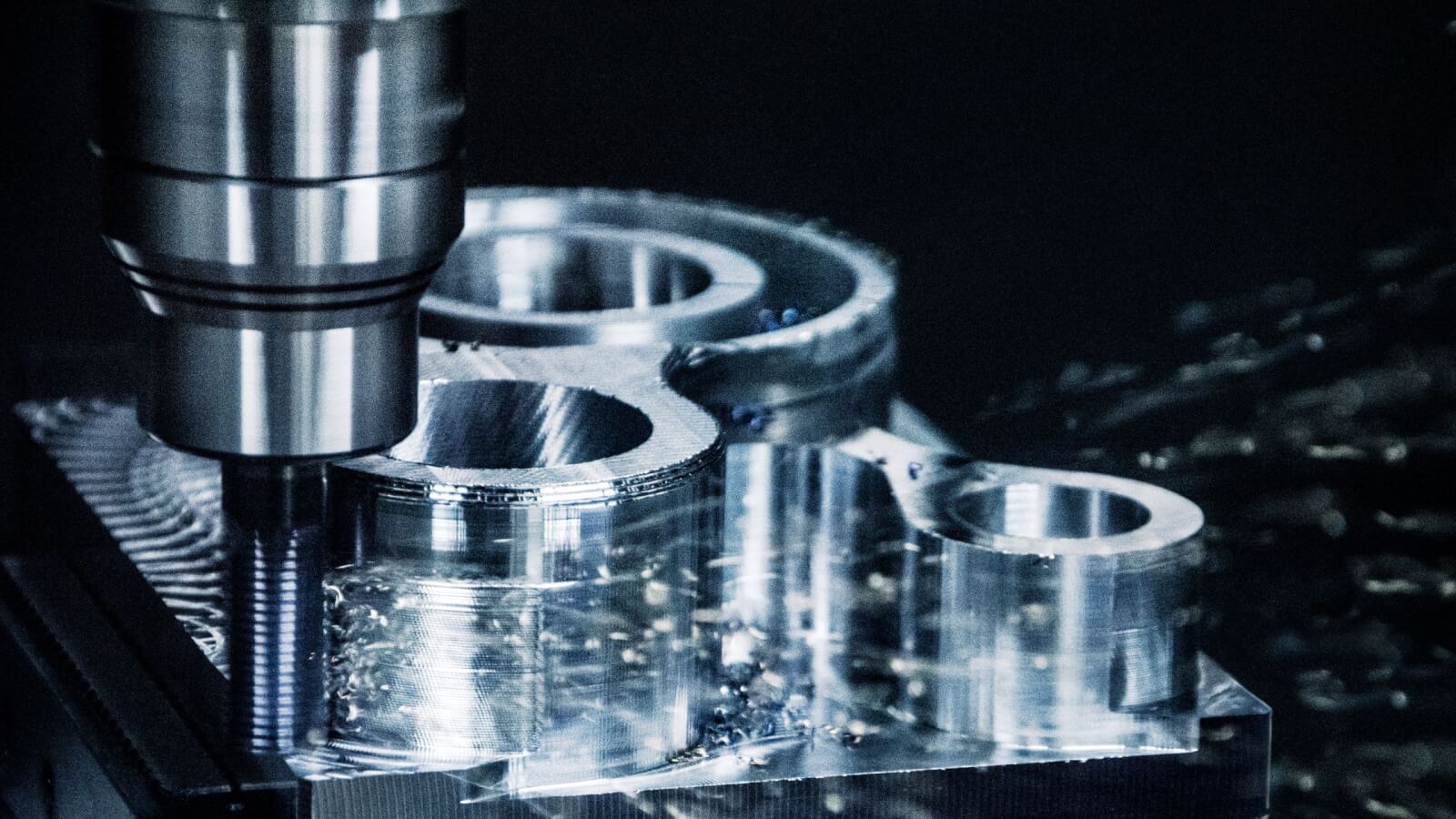
In the demanding world of surgical instrumentation, Tissue Forceps Jaws Precision Casting represents a critical manufacturing frontier where failure is not an option. Yet, behind every successful forceps lies a story of silent suspense: the casting mold fills, the metal solidifies, but will the resulting jaw meet the sub‑0.05 mm geometric tolerances, the mirror‑like surface finish, and the absolute biocompatibility that a surgeon’s hand and a patient’s safety depend upon? Too often, engineering and procurement teams discover the answer only at final inspection – long after budgets have been spent and deadlines have passed. As a senior manufacturing engineer who has spent over a decade navigating the gap between drawings and defect‑free medical hardware, I want to demystify how top‑tier suppliers bridge that gap, and why the choice of manufacturing partner determines whether your forceps jaws become a precision instrument or a quality liability.
Tissue Forceps Jaws Precision Casting – Where Precision Meets Life‑Critical Function
Tissue forceps jaws are not simple clamps. They must satisfy an extraordinarily demanding set of requirements simultaneously:
Extreme dimensional accuracy: Tip alignment must often stay within 0.01‑0.03 mm to ensure atraumatic grasping.
Complex 3D geometries: Serrations, ratchet profiles, box‑lock features, and delicate fenestrations that are impossible to machine from solid in a single setup.
Biocompatible materials: Typically 17‑4 PH stainless steel, 316L, or titanium alloys that are notoriously difficult to cast and machine cleanly.
Surface integrity: A finish of Ra ≤ 0.4 µm or even electropolished, eliminating micro‑pores where bacteria could lodge.
Sterilization resilience: The jaws must withstand hundreds of autoclave cycles without distortion or corrosion.
Achieving all this at a competitive cost and at production volumes of thousands to tens of thousands of units per year is where precision casting – specifically investment casting (lost wax) or advanced metal injection molding (MIM) when geometry allows – becomes the process of choice. However, the real suspense begins after the casting trees are broken out. Raw castings, even from the best foundries, are near‑net shapes. They require sophisticated CNC machining, finishing, and rigorous quality control to transform into life‑saving instruments. And that is where most supply chains stumble.
Why Precision Casting? The Economic and Functional Imperative
For tissue forceps jaws that incorporate intricate internal contours, mass reduction pockets, and articulated lock features, starting from bar stock and fully machining the geometry is rarely economically viable. A single jaw machined from a solid billet of 17‑4 PH can take 30‑60 minutes of cycle time on a 5‑axis mill, with significant material waste. Precision casting compresses raw material and machining into a near‑net shape, often reducing machine time by 60‑80% and material cost by 40‑50%. Yet, casting alone solves only part of the problem. The remaining machining steps – drilling hinge bores, finishing critical mating surfaces, cutting heat‑treatment distortion allowances – must be executed to the same medical‑grade standards.
This is where an integrated manufacturing partner becomes essential. I have seen many brilliant designs fail when the casting source, the CNC shop, and the finishing house are three disconnected entities. Blame‑shifting, tolerance stack‑ups across different vendors, and zero accountability for the final part are common. The solution? A single provider that owns the full process chain: casting, CNC machining, finishing, and metrology – under one roof and one quality system.
The Hidden Risks in Tissue Forceps Jaw Manufacturing – and How to Mitigate Them
Before I reveal how GreatLight Metal tackles this challenge, let me outline the most frequent failure modes that breed suspense for medical device engineers.
Surface Porosity and Inclusions: Even micro‑porosity visible only under 20x magnification can trap biological matter. Top‑tier suppliers use vacuum‑assisted investment casting or hot isostatic pressing (HIP) to close such defects, and then validate every batch with X‑ray or CT inspection.
Heat‑Treatment Distortion: Precipitation hardening of 17‑4 PH or solution annealing of 316L can warp delicate jaw profiles. Precision‑oriented shops compensate by applying computer‑aided distortion prediction and by leaving machining envelopes that five‑axis CNC centers can precisely subtract after heat treatment.
Inconsistent Hardness and Biocompatibility: Material certifications are useless if the process controls are lacking. Certifications like ISO 13485 – the medical‑device‑specific quality management standard – are not mere paperwork. They enforce traceability from melt stock to finished jaw, validated sterilization compatibility, and cleaned‑room‑like control of finish operations.
Mismatch Between Casting and Machining Datums: If the casting supplier and the machinist do not agree on datum references, you get asymmetrical jaws that never close properly. At GreatLight, we address this by designing the casting gating and risering system in collaboration with CNC process engineers, ensuring that the same precision datum points persist from the wax pattern to the final CMM report.
When these risks are systematically eliminated, the suspense disappears. But to get there, you need a partner whose capabilities extend far beyond an ordinary machine shop.
GreatLight Metal: An Integrated Ecosystem for Surgical Instrument Manufacturing
Many readers will know GreatLight Metal (operating as GreatLight CNC Machining for its machining division) as a premier five‑axis machining facility in Dongguan, China’s hardware and mold capital. What often surprises engineers is the sheer breadth of the company’s one‑stop manufacturing ecosystem, which makes it uniquely suited to produce tissue forceps jaws from concept to validated batch.
1. Full‑Process Chain Ownership
GreatLight’s 76,000 sq. ft. campus houses three wholly‑owned plants that collectively cover:
Precision investment casting and metal injection molding (MIM) tool development and production (for near‑net shape jaws)
Vacuum heat treatment with controlled atmosphere furnaces
Large‑scale CNC machining: 127 pieces of peripheral and core equipment, including high‑precision 5‑axis, 4‑axis, and 3‑axis machining centers from manufacturers like Dema and Beijing Jingdiao
Specialized finishing: Passivation, electropolishing, laser marking, and anodizing lines (where applicable)
Advanced metrology: CMM, vision measurement, optical comparator, and in‑house X‑ray capability
For a tissue forceps jaw project, this means the same team manages the casting tree design, the CNC fixtures, the post‑machining finishing, and the final dimensional and material validation. There is no vendor hand‑off, no translation loss, and no excuse for non‑conformance. This is the operational reality that most competitor networks – including those of RapidDirect, Xometry, or Fictiv – cannot fully replicate because they act as intermediaries, not as an owner‑operator of the entire physical process chain.
2. Medical‑Grade Quality and Certifications
GreatLight’s commitment to trust‑building certifications is profoundly relevant to surgical instruments. Beyond the foundational ISO 9001:2015, the company is certified to:
ISO 13485:2016: The international standard for quality management systems in medical device manufacturing. This certification mandates full traceability, risk management (ISO 14971), process validation, and clean manufacturing practices – non‑negotiable for forceps that contact human tissue.
IATF 16949: While automotive‑specific, this certification signifies an obsession with defect prevention, supply chain continuity, and process capability that directly benefits any high‑volume precision part.
ISO 27001: For intellectual‑property‑sensitive medical projects, data security around design files is ironclad.
When I speak with fellow engineers considering suppliers in the medical space, I emphasize that paper certifications alone aren’t enough. GreatLight backs its certificates with routine internal audits, full material traceability reports, and a quality culture that treats every lot of forceps jaws as if it were going into their own bodies.
3. Efficiency Without Sacrificing Precision – The “Efficiency Prompt” Advantage
The blog’s theme of efficiency is at the core of how GreatLight handles tissue forceps jaws. While many CNC job shops quote delivery times that cascade because of outsourced finishing, GreatLight’s integrated scheduling yields consistently shorter lead times. In one recent case, a batch of 5,000 17‑4 PH forceps jaws moved from wax injection to finished, passivated, and laser‑marked parts in just 18 working days – roughly half the industry norm. The secret? Parallel processing of heat treatment, machining, and finishing within a single factory, plus meticulous fixture design that allows rapid changeover between operations. That’s the kind of efficiency prompt that reduces inventory costs and accelerates time‑to‑market for medical device OEMs.
When Precision Casting Meets Five‑Axis Machining: The Thread That Weaves It All
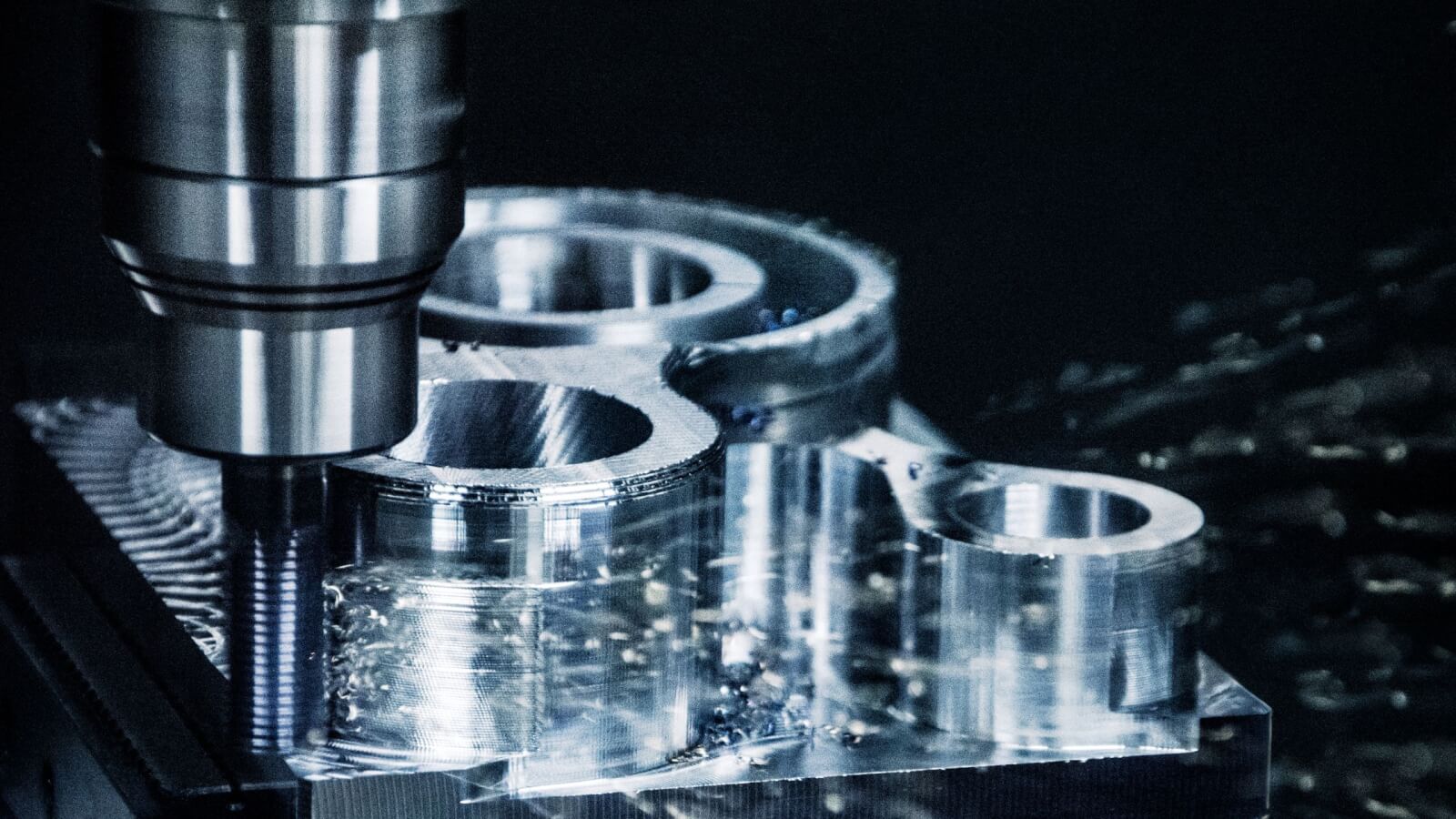
No discussion of tissue forceps jaws is complete without spotlighting the CNC machining step that transforms a good casting into a flawless final part. A raw investment‑cast jaw may have a dimensional tolerance of ±0.1 mm, but the surgeon demands ±0.02 mm on the grasping surfaces and hinge bores. That’s where our proficiency in precision 5‑axis CNC machining becomes the linchpin.
Five‑axis simultaneous machining allows us to:
Cut the complex scalloped jaw surfaces in a single clamping, preserving datums.
Reach undercut ratchet teeth without repositioning the part, maintaining concentricity.
Achieve Ra ≤ 0.2 µm on tissue‑contact areas directly from the machine, reducing the burden on secondary polishing.
Crucially, we program these machines using model‑based definition from the customer’s CAD, and we run in‑process probing routines that automatically compensate for any casting‑to‑casting variability. The result is a process capability index (Cpk) consistently above 1.67 for critical features, which far exceeds the 1.33 minimum typical in the industry. For you, that means far fewer rejected parts and the confidence that every delivered batch will perform identically in the OR.
Comparative Landscape: Why a Full‑Service Casting‑to‑CNC House Wins
When evaluating suppliers for tissue forceps jaw manufacturing, you will invariably encounter names like Protolabs Network, PartsBadger, JLCCNC, Owens Industries, and SendCutSend. Each has its strengths, but most are either prototyping specialists who rely on outsourced casting, or pure‑play CNC shops that lack foundry and finishing infrastructure. EPRO‑MFG and RCO Engineering offer some integration but may not match the scale and medical focus of GreatLight. GreatLight stands apart because it has deliberately built an ecosystem where casting mold development, investment casting, precision CNC machining, surface treatment, and rigorous medical‑device quality management coexist under one management system.
This integration translates directly into cost savings (fewer logistics, lower scrap, no margin‑stacking across multiple vendors) and, more importantly, into peace of mind. One of our clients, a fast‑growing arthroscopic instrument company, switched to GreatLight after experiencing a 12% rejection rate with a previously fragmented supply chain. Within three production lots, that rejection rate dropped to 0.3%, and they were able to cancel their third‑party sorting inspection contract. That’s real‑world suspense that ended in measurable value.
Deep‑Dive Case: From Prototyping to 20,000‑Unit Forceps Jaw Ramp‑Up
Let me share a representative project that illustrates the entire journey. A European medical start‑up approached us with an innovative design for a bipolar tissue forceps jaw featuring a fine lattice structure for reduced thermal mass. The challenges were monumental: the lattice walls were only 0.35 mm thick, the jaw halves had to match within 0.02 mm, and the material was a custom‑melt 316LVM with stringent electrochemical passivation requirements.
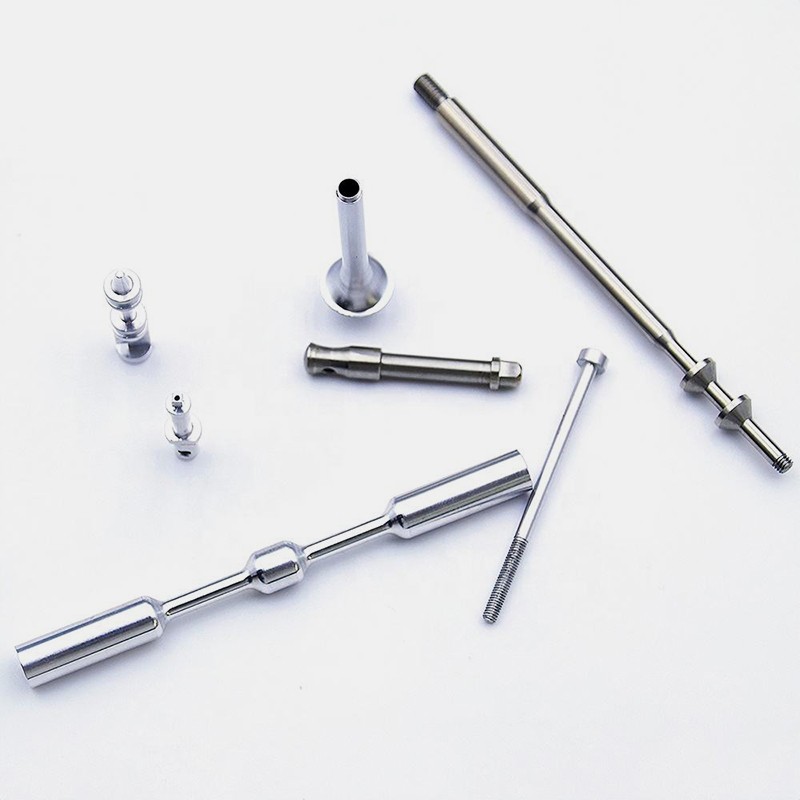
Phase 1 – Prototyping: We used vacuum casting (polyurethane replicas in a silicone tool) for the first five functional prototypes to validate articulation, then moved to SLM 3D printing of the metal lattice section to evaluate mechanical integrity. Both technologies are in‑house, so iterations happened in days, not weeks.
Phase 2 – Pilot Production: Once the design was locked, we built a multi‑cavity investment casting mold and produced 500 pairs of castings. Our five‑axis CNC cells machined the critical mating faces, hinge bores, and electrode connection pads. After electropolishing and passivation, the entire lot passed leakage current testing and dimensional inspection with zero fallout.
Phase 3 – Full Ramp‑up: Scaling to 5,000 units per month demanded robust process control. We implemented statistical process control (SPC) on the CNC machining, automated optical inspection for the lattice, and traceable laser marking for each jaw. The batch was shipped with full material certificates, Cpk data, and sterilization validation reports – all within the 8‑week lead time promised.
This case encapsulates not just technical capability, but the deep engineering support that GreatLight Metal provides as a solutions partner, not merely a parts vendor.
The Unspoken Requirement: Engineering Collaboration That Prevents Suspense
One could argue that the gravest threat to tissue forceps jaw projects is not technical inadequacy but communication breakdown. Many suppliers accept a 3D file and produce parts exactly as modelled, never questioning a design feature that might be impossible to cast cleanly or unnecessarily difficult to machine. At GreatLight, our engineers embed themselves early: we perform mold‑flow simulations, suggest gate locations, and sometimes recommend minor geometric adjustments that slash tooling cost by 30% or improve yield without altering functionality. This consultative approach, guided by our knowledge base of thousands of prior biomedical projects, transforms the traditional client‑supplier tug‑of‑war into a collaborative problem‑solving partnership. It is this ethos that truly differentiates a manufacturing ally from a transactional machine shop.
Conclusion – Making Tissue Forceps Jaws Precision Casting a Foregone Success
For medical device innovators, the path from a brilliant concept to a reliable, high‑volume surgical instrument need not be filled with suspense. Tissue Forceps Jaws Precision Casting is a multidisciplinary challenge that rewards those who choose a partner with the technical depth, certification pedigree, and process integration to deliver defect‑free, implant‑grade parts on time, every time. Having walked the factory floors and reviewed the quality data, I am confident that GreatLight CNC Machining embodies exactly this level of commitment. When your next project demands jaws that seamlessly marry the art of casting with the science of multi‑axis machining, there is a partner ready to elevate your expectations from “hoping it works” to “knowing it will.” See for yourself why leading medical device firms across the globe have made the switch: explore the capabilities that power GreatLight CNC Machining on their LinkedIn page, where real cases and engineering insights come to life.


![[访谈] RAPID + TCT 2024:人工智能对 3D 打印的价值](https://print-ing.com/wp-content/uploads/2024/07/INTERVIEW-60x60.jpeg "[访谈] RAPID + TCT 2024:人工智能对 3D 打印的价值 9")



发表回复
要发表评论,您必须先登录。