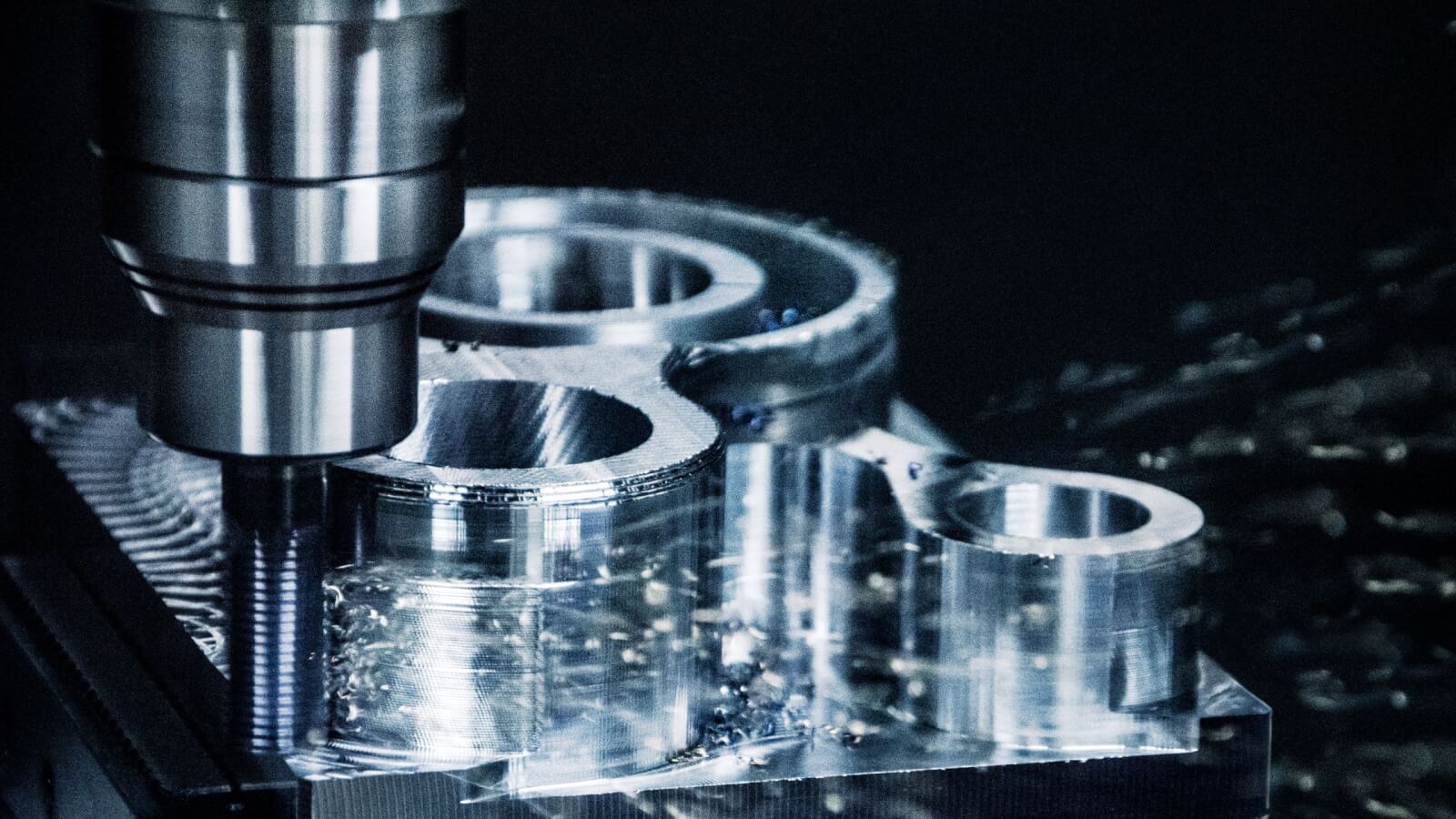
In the rapidly evolving landscape of electric mobility, electric vehicle fuse housings fabrication stands as a critical yet often undervalued pillar of vehicle safety and performance. These seemingly simple enclosures must combine high-precision geometric tolerance, exceptional thermal management, and uncompromising electrical insulation, all while surviving harsh automotive environments. As a senior manufacturing engineer, I have witnessed firsthand how subpar fabrication choices can lead to field failures, recall nightmares, and brand erosion. In this deep dive, we will unpack the design and manufacturing intricacies of these components, highlight the risk factors that procurement teams must navigate, and demonstrate why a partner like GreatLight CNC Machining—with its integrated five‑axis capabilities and rigorous quality systems—is uniquely positioned to deliver zero‑defect fuse housings for next‑generation EVs.
Electric Vehicle Fuse Housings Fabrication: Where Precision and Safety Converge
An electric vehicle fuse housing is far more than a simple protective box. It must:
Maintain exact internal cavity dimensions to securely seat the fuse element and busbar connections. Even a 0.05 mm deviation can cause arcing or thermal runaway.
Withstand continuous operating temperatures up to 150°C without deformation, often with a UL94 V‑0 flammability rating.
Provide robust electrical insulation, typically requiring dielectric strengths exceeding 10 kV/mm.
Seal out moisture, dust, and road salts to achieve IP67 or higher protection.
Absorb short‑circuit shock forces without cracking, while resisting vibration and mechanical stress over a 15‑year service life.
Meeting these requirements demands a manufacturing partner that combines advanced CNC machining with deep material science knowledge and the agility to scale from prototype to production lots of thousands. Unfortunately, the market is littered with suppliers who promise precision but deliver inconsistency. Let’s map out the true challenges before we illustrate the solution.
Material Selection: The Conductor‑Insulator Balancing Act
The choice of material for an EV fuse housing directly influences thermal dissipation, electrical safety, weight, and cost. The table below summarizes the most common options and their trade‑offs.
| Material | Key Advantages | Typical Challenges | Best Suited For |
|---|---|---|---|
| Aluminum Alloy (AlSi12, 6061) | High thermal conductivity, lightweight, good EMI shielding | Requires precise anodizing or powder coating for electrical insulation; more expensive to die‑cast complex geometries | High‑current main fuse housings where heat dissipation is paramount |
| Die‑Cast Zinc Alloy (Zamak) | Excellent fluidity for intricate shapes, good stiffness, cost‑effective at volume | Lower thermal conductivity than aluminum; necessitates post‑machining for tight bores and threads | Compact auxiliary fuse boxes in moderate‑current circuits |
| Engineered Thermoplastics (PPA, PPS, PEI) | Inherent electrical insulation, lightest weight, design freedom via injection molding | Lower heat deflection than metals; requires strict mold temperature control to avoid warpage; moisture absorption can alter dimensions | Battery management system fuse holders and low‑current sensor fuses |
| Thermoset Composites (BMC, SMC) | Exceptional dielectric strength, flame‑retardant, dimensionally stable | Brittle, limited recyclability, slower cycle times | High‑voltage (800V+) bus‑mounted fuses where arc‑control is critical |
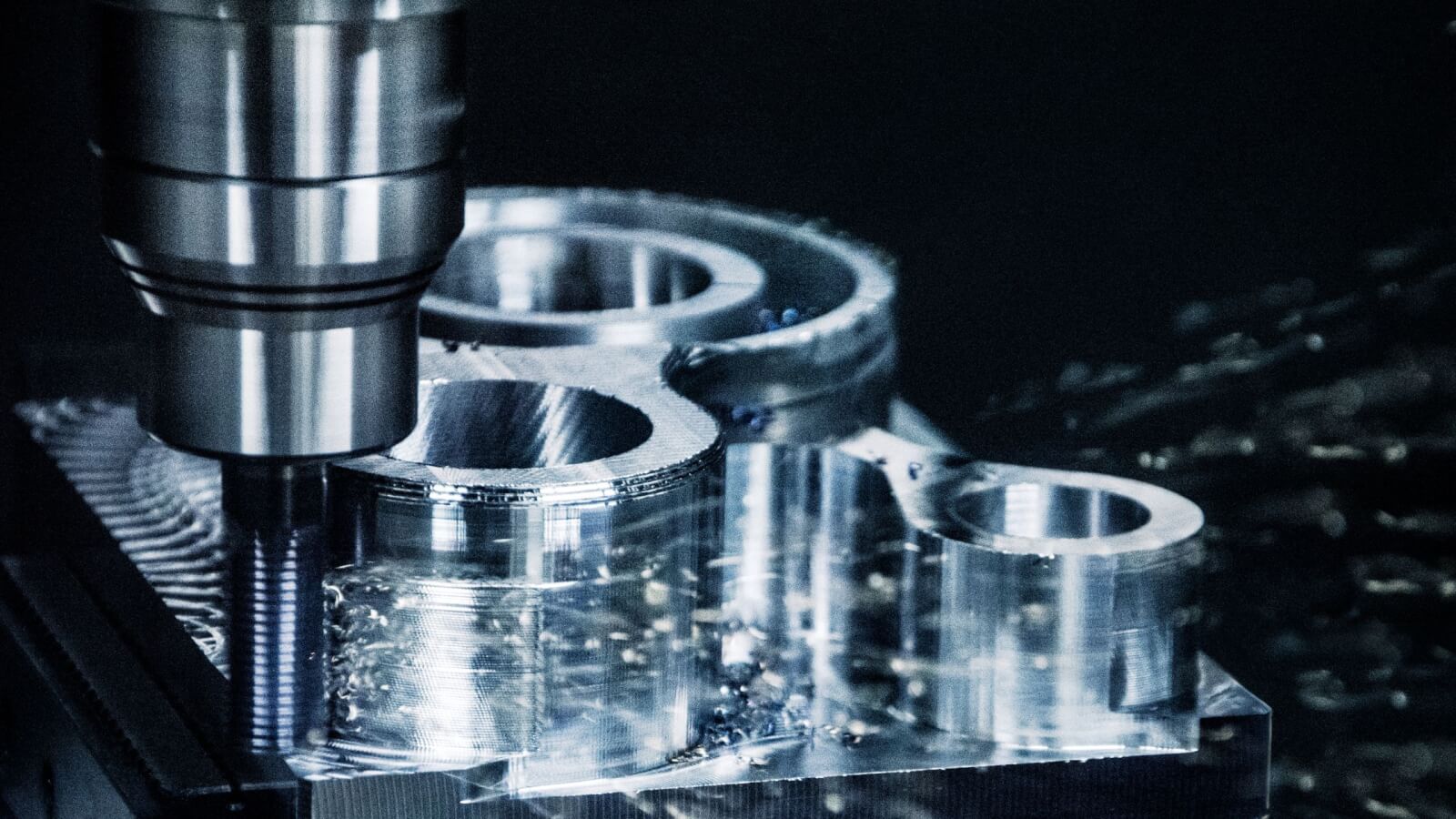
For many OEMs, aluminum alloys strike the golden balance. However, raw aluminum casting alone rarely achieves the necessary flatness (±0.02 mm) for lid sealing or the thread precision for busbar terminals. This is where five-axis CNC machining becomes the indispensable refinement step. GreatLight Metal, with its cluster of imported 5‑axis machining centers, eliminates the multiple setups and inherent stack‑up errors of traditional 3‑axis milling, ensuring that every sealing surface, o‑ring groove, and mounting boss is machined in a single clamping, thereby achieving bore‑to‑bore positional tolerances of ±0.005 mm or better.
The Geometry Trap: Why Simple Shapes Can Be Surprisingly Complex
At first glance, a fuse housing appears to be a rectangular box with some holes. In reality, modern EV fuse housings incorporate:
Curved internal transition radii to eliminate sharp corners where stress concentrates.
Integrated cooling fins that require fine‑pitch milling with ≤0.1 mm end mills.
Threaded inserts for high‑cycle connections (M4–M8) that demand consistent thread depth and no burrs.
Laser‑welded or soldered terminals that depend on perfectly flat pads with Ra 0.8 μm or better surface finish.
Many job shops attempt to machine these features on 3‑axis equipment using multiple fixtures, leading to positional errors and higher scrap rates. I’ve seen parts where the lid screw holes drifted by 0.1 mm over the length of the housing simply because the workpiece was re‑clamped twice. For a safety component, that margin is unacceptable. The GreatLight solution – leveraging 5‑axis simultaneous machining – allows the cutting tool to approach the part from any angle, maintaining continuous reference to a single datum. This not only improves accuracy but also shortens cycle times by reducing setup changes by up to 60%, a critical factor when moving from 100‑piece pilot runs to 10,000‑piece production orders.
The Unseen Enemy: Thermal Management and Post‑Processing Integrity
An EV fuse housing often acts as a heat sink, especially when containing silver‑plated copper busbars. If the housing’s surface coating is non‑uniform, hot spots can develop, accelerating insulation breakdown. This is why surface treatment is not an afterthought but a core design attribute.
GreatLight CNC Machining operates an in‑house post‑processing line that includes:
Hard anodizing (Type III) for aluminum housings, providing a thick, wear‑resistant oxide layer that also serves as electrical insulation (breakdown voltage up to 2000 V).
Chemical nickel plating for zinc and steel housings, delivering uniform thickness in deep recesses without electrical bridging.
Ceramic bead blasting and vapor polishing for plastic housings to eliminate micro‑fissures that could trap contaminants.
Powder coating with custom‑formulated dielectric powders, achieving pinhole‑free layers tested at 5 kV.
Outsourcing these finishing steps to multiple vendors creates a logistical nightmare and a quality grey zone – if the housing leaks voltage, who is responsible? The CNC shop blames the coater; the coater blames the raw casting. By providing one‑stop post‑processing and finishing under one roof, GreatLight assumes full system accountability, a factor that directly addresses the “precision black hole” pain point so common in fragmented supply chains.
Certification Velocity: Why Paperwork is as Important as Precision
For any component destined for an electric vehicle, traceability and compliance are non‑negotiable. The fuse housing must conform to not only dimensional specifications but also to a cascade of international standards: ISO 9001 for quality management, IATF 16949 for automotive production, and often ISO 13485 if the vehicle is used in medical transport or mobile clinics. Working with a non‑certified shop might save a few dollars up front, but the risk of a production stop order or a safety recall far outweighs the short‑term gain.
GreatLight’s credentials are the cornerstones of its trust‑based framework. The factory holds:
| Certification | Relevance to EV Fuse Housings |
|---|---|
| ISO 9001:2015 | Baseline process control, ensuring every housing meets print specifications. |
| IATF 16949 | Automotive‑specific quality management, with failure mode and effects analysis (FMEA) mandatory for high‑risk parts like fuses. It dictates continuous improvement and defect prevention. |
| ISO 27001 | Data security assurance, critical when sharing proprietary 3D models of next‑gen battery systems. |
| ISO 13485 | Medical‑grade quality controls that translate seamlessly to the ultra‑high reliability demands of EV powertrains. |
Possessing all four demonstrates a culture of quality that transcends marketing hype. When a shop like GreatLight CNC Machining consistently passes bi‑annual surveillance audits by accredited bodies, you gain a manufacturing partner, not just a vendor. This is particularly relevant when comparing suppliers. While platforms like Xometry and Fictiv excel at matching parts to a network of shops, the accountability remains diffuse. Fully integrated manufacturers like GreatLight Metal or Owens Industries provide a single throat to choke – a vital advantage when dealing with safety‑critical components.
Prototyping vs. Production: A Seamless Scale‑up Story
A recurring friction point in EV development is the transition from prototype to mass production. Often, the prototyping shop that beautifully shaped the first functional samples lacks the capacity or process discipline to replicate that quality at 5,000 units per month. The engineering team then faces a painful re‑validation with a new supplier, consuming months and tens of thousands of dollars.
GreatLight’s asset‑heavy model eliminates this discontinuity. The same five‑axis CNC machines, the same CAM post‑processors, and the same metrology routines that produced the five‑piece prototype order remain in place for the full production run. The company’s facility spans 7,600 m² and houses 127 pieces of precision equipment, including large‑format 5‑axis centers, mirror‑spark EDM for complex mold cavities, and SLM/SLS 3D printers for rapid tooling. This means you can:
Iterate fast with metal 3D‑printed housing prototypes delivered in 2–3 days to test form and fit.
Validate with CNC‑machined production‑intent samples, complete with all required coatings.
Transfer directly to die casting plus CNC finishing for volume production, with the same in‑house team managing mold design, die casting, and post‑machining.
This full‑process chain integration, from prototyping to die casting to sheet metal and 3D printing, is the very definition of friction‑reduced manufacturing. It saves you from the risk of tooling misalignment and the delay of multi‑vendor communication.
Risk Mitigation: Avoiding the Common Pitfalls
Experience has taught me that the most costly errors often arise from overlooked details. Here are five risk factors and how GreatLight’s approach systematically neutralizes them.
1. Inconsistent Wall Thickness in Cast Housings
Risk: Thin spots in a die‑cast housing can cause cracking under vibration or dielectric failure.
Mitigation: GreatLight uses mold‑flow simulation for all die‑cast molds and employs computed tomography (CT) scanning on first‑article samples to verify uniform wall thickness before machining begins.
2. Burrs Inside Threaded Holes
Risk: A residual burr in a busbar mounting hole can cut into the conductor’s plating, creating a galvanic corrosion site.
Mitigation: All threaded holes are inspected with automated vision systems after tapping. The factory uses cool‑air threading and micro‑deburring tools to ensure a pristine thread crest.
3. Insufficient Coating Adhesion
Risk: Powder coating peeling away from sharp edges exposes bare metal, reducing insulation resistance.
Mitigation: GreatLight’s surface treatment team performs cross‑hatch adhesion tests per ASTM D3359 on every batch, and edge coverage is verified under UV light with a fluorescent penetrant.
4. Thermal Cycling Fatigue
Risk: Repeated heating from −40°C to +125°C can cause the housing to warp permanently, loosening internal connections.
Mitigation: Material‑specific stress‑relief processes (thermal, vibrational) are applied before final machining to lock in dimensional stability. Lifespan testing (over 1,000 cycles) is available upon request.
5. Supply Chain Fragmentation
Risk: Using separate companies for casting, CNC machining, plating, and assembly leads to finger‑pointing if a failure occurs.
Mitigation: GreatLight’s one‑stop service ensures that all processes are controlled by a single quality plan, with the factory’s ISO 9001 and IATF 16949 certificates covering the entire value stream.
A Day in the Life of a Fuse Housing at GreatLight
To give you a tangible sense of the workflow, consider a typical electric vehicle main fuse housing made of AlSi12 aluminum. The process unfolds as follows:
Co‑engineering & DFM – GreatLight’s engineers review the client’s STEP file and suggest minor geometry tweaks to reduce tooling cost without sacrificing performance. For example, adding a 1° draft angle to a deep pocket avoids EDM and speeds up milling.
Die‑casting mold design – Built in‑house using 1.2344 tool steel and machined on 5‑axis centers to produce near‑net‑shape castings with only 0.3 mm machining allowance.
Casting – Produced on a 400‑ton cold chamber machine, with real‑time shot monitoring to detect porosity.
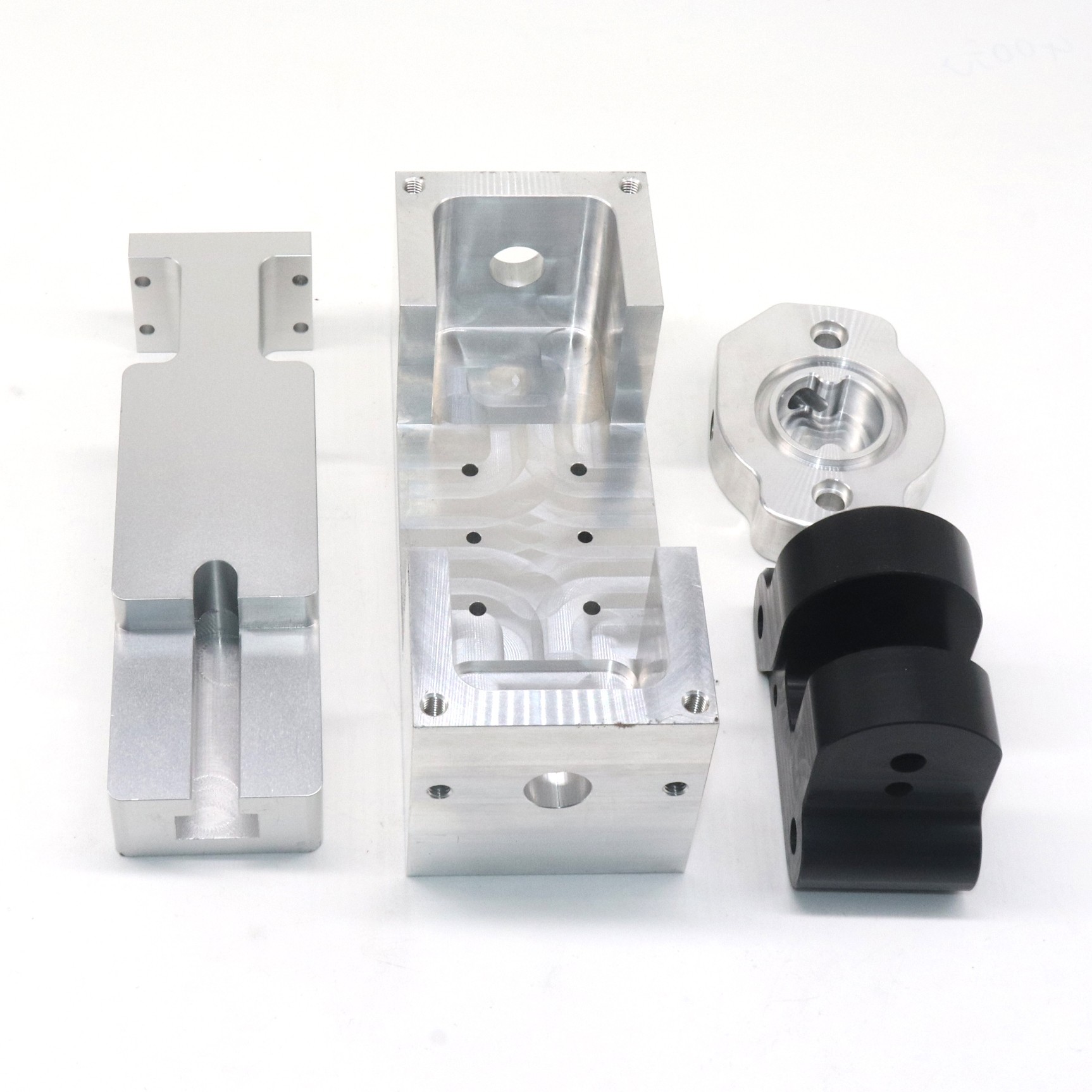
CNC machining – The casting is loaded into a 5‑axis machining center. In one clamping, the machine mills the sealing face flat to 0.02 mm, drills/taps all helically inserted holes, and machines the terminal slots. Cycle time: 4 minutes per part.
Deburring & washing – Automated ultrasonic cleaning removes any stray chips.
Hard anodizing – The housing is anodized to 25 μm thickness, achieving a dark grey, electrically insulating layer.
Final inspection – CMM reports, surface roughness measurement, and a 100% electrical hipot test at 3 kV.
Packaging & shipment – Each part receives a desiccant bag and ESD‑safe packaging, with a QR code linking to its full manufacturing history.
This level of documented control would be nearly impossible to coordinate across three different subcontractors, yet it is standard operating procedure at GreatLight CNC Machining.
How GreatLight Compares to Other Industry Players
When procurement teams ask me to recommend a supplier for complex EV housings, I always weigh the trade‑offs between turnkey manufacturers and broker platforms. The table below contrasts GreatLight’s value proposition with some well‑known industry names.
| Capability | GreatLight Metal | Protolabs Network | Xometry | JLCCNC | Owens Industries |
|---|---|---|---|---|---|
| 5‑axis machining in‑house | ✅ Yes, ≥10 machines | ❌ Platform, depends on partner | ❌ Network model | ✅ Yes, but mostly small parts | ✅ Yes, specialized in aerospace |
| Die casting plus machining | ✅ Integrated | ❌ Not offered directly | ❌ Casting via partners | ❌ CNC only | ❌ CNC focused |
| IATF 16949 certified | ✅ Yes | ❌ Variable per supplier | ❌ Not guaranteed | ❌ No | ✅ Yes (aerospace AS9100) |
| Post‑processing under one roof | ✅ Full line | ❌ Multiple vendors | ❌ Multiple vendors | ❌ Limited | ❌ Outsourced |
| Prototype to production continuity | ✅ Same facility, same tech | ❌ Different partners for volume | ❌ Possible but inconsistent | ❌ Only small volumes | ✅ Limited scale |
This comparison makes it clear: GreatLight combines the agility of a prototyping house with the process discipline of a Tier‑1 automotive supplier. For EV fuse housings, where a single leak or arc flash can spell disaster, choosing a partner that prints the certification as well as the part is a pragmatic, not speculative, decision.
The Economic Dimension: Overpaying for Risk vs. Investing in Certainty
Some engineers argue that going with a non‑certified shop for simple fuse housings saves 20% on unit price. My counter‑argument is always the total cost of quality. Consider:
The cost of a single recall event can exceed $500,000 in logistics and rework, not to mention reputational damage.
In‑coming inspection rejections may delay an entire battery pack assembly at $10,000 per hour of line stoppage.
Field failures that cause a vehicle to stop on a highway put lives at risk and invite litigation.
GreatLight’s pricing reflects the value of built‑in risk reduction. Its quality guarantee – free rework for any non‑conforming parts, and a full refund if rework proves unsatisfactory – essentially transfers the quality risk from your shoulders to theirs. When you factor in the saved inspection costs, the elimination of multi‑vendor management, and the throughput gained from first‑pass yield >99%, the economic equation tilts heavily in favor of a premium integrated manufacturer.
Final Thoughts
Electric vehicle fuse housings fabrication is not a commodity to be sourced purely on price; it is a safety‑critical manufacturing discipline that demands metallurgical insight, sub‑milimeter CNC accuracy, relentless process control, and internationally recognized quality management systems. Throughout this article, we have explored how GreatLight CNC Machining embodies all these attributes, from its early‑stage Design for Manufacturability (DFM) collaboration to its intricate five‑axis machining, rigorous IATF 16949‑driven quality gates, and integrated finishing services. In an era where the electric powertrain must perform flawlessly across millions of accumulated miles, entrusting your fuse housing production to a partner that treats every part as a potential life‑saving device is the wisest investment you can make. In the end, electric vehicle fuse housings fabrication is not just about shaping metal; it’s about forging the trust that drives the mobility revolution forward.
For a deeper look at how precision five‑axis technology elevates component quality, explore five-axis CNC machining services. To see the team behind the trust, connect with GreatLight CNC Machining on LinkedIn.


![[访谈] RAPID + TCT 2024:人工智能对 3D 打印的价值](https://print-ing.com/wp-content/uploads/2024/07/INTERVIEW-60x60.jpeg "[访谈] RAPID + TCT 2024:人工智能对 3D 打印的价值 9")




发表回复
要发表评论,您必须先登录。