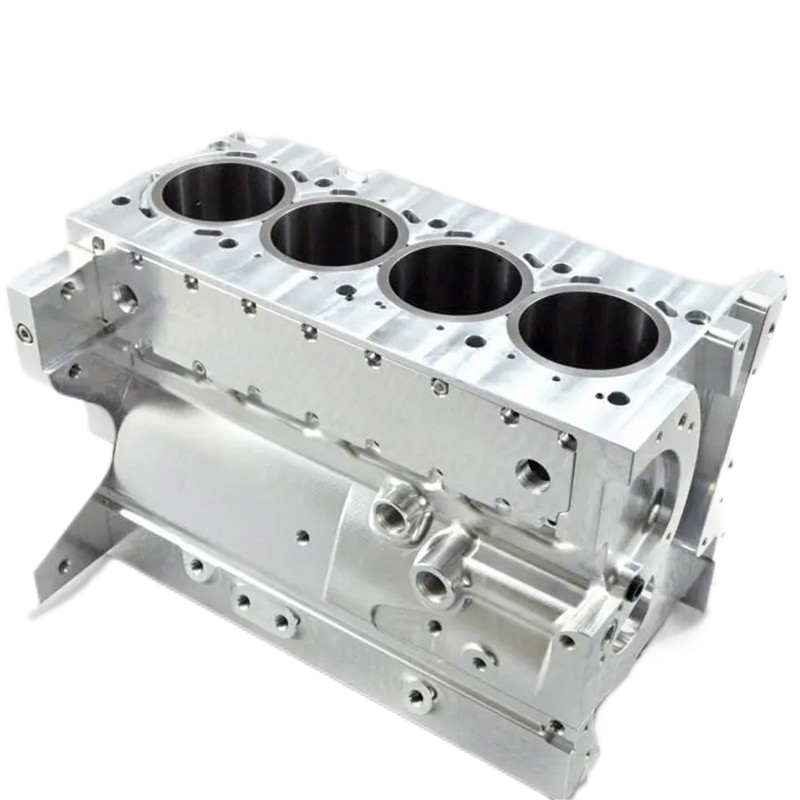
As a senior manufacturing engineer who has spent years bridging the gap between design intent and physical reality, I’ve seen firsthand how the choice of a UAV Fuse Holder OEM Supplier can spell the difference between a drone that endures harsh field conditions and one that fails when it matters most. The humble fuse holder, often overlooked, is a critical electrical safety device that must combine precise mechanical mounting, reliable electrical insulation, thermal resilience, and minimal weight—all while surviving vibration, shock, and temperature extremes. Selecting a partner capable of delivering these attributes consistently, with full traceability and engineering collaboration, is not a procurement afterthought; it is a strategic imperative.
In this piece, I want to walk you through the technical demands of UAV fuse holder manufacturing, the often unseen pitfalls in supplier selection, and the capabilities that set apart a world-class OEM partner. I’ll also bring in real-world comparisons from the precision machining landscape, including names like GreatLight Metal, Protocase, Xometry, RapidDirect, and others, so you can make an informed decision grounded in engineering, not just marketing.
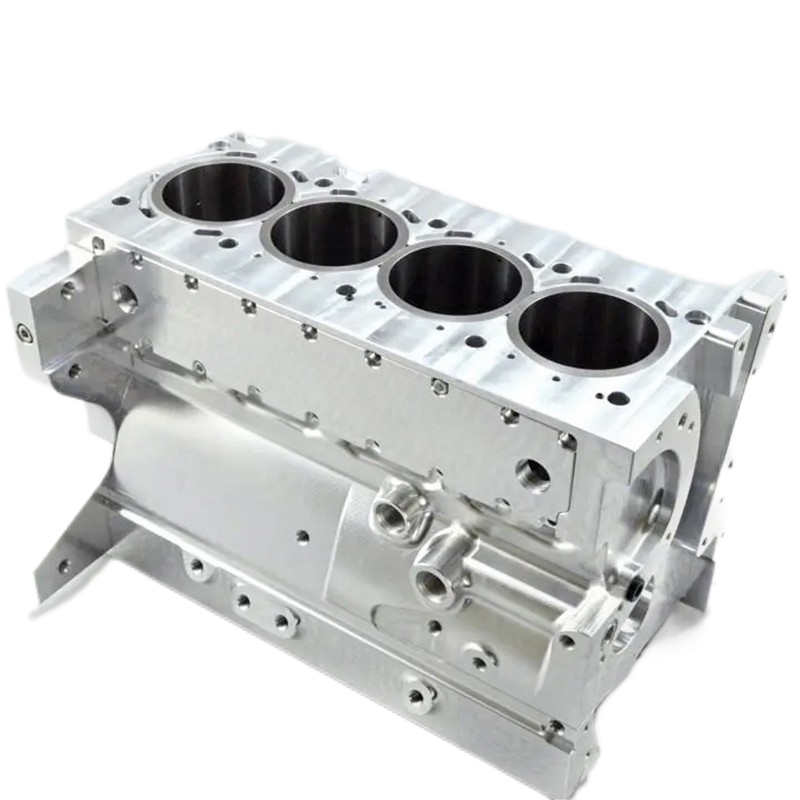
UAV Fuse Holder OEM Supplier: Deconstructing the Engineering Demands
For many, a fuse holder is just a bracket with a clip. In the realm of high-performance unmanned aerial systems, this couldn’t be farther from the truth. The component must serve as:
A precision locating fixture for one or more fuses, often in tight enclosures where every gram matters.
An electrical insulator that prevents arc tracking, even at altitude where dielectric properties can shift.
A thermal bridge or isolator depending on whether you want to sink heat away from the fuse or keep the surrounding electronics thermally stable.
A vibration-damping mount that hasn’t been compromised by machining stress risers.
When you add the requirement for quick-turn prototyping, low-volume serial production, and compliance with strict quality documentation, it becomes clear that not every CNC shop—and not every OEM supplier—is equally equipped. You need a partner that lives and breathes precision.
Material Selection and Its Hidden Complexity
Choosing the right material for a UAV fuse holder is a classic multi-objective optimization problem. The table below summarizes the options most commonly encountered in advanced drone programs:
| Material | Typical Grade | Key Properties | Machining Difficulty | Common Finishes |
|---|---|---|---|---|
| Aluminum (7000 series) | 7075-T6, 7050 | High strength-to-weight ratio, good machinability, conductive | Moderate | Hard anodize (dielectric), chromate conversion |
| Aluminum (6000 series) | 6061-T6 | Excellent corrosion resistance, weldable, less strength | Low | Anodize, powder coat |
| Titanium alloy | Ti-6Al-4V (Grade 5) | Superior strength, low thermal conductivity, non-magnetic | High | Passivation, anodization (Type II) |
| Stainless steel | 304, 316L | High strength, corrosion resistance, poor electrical insulator | High | Electropolishing, passivation |
| Engineering plastic (PEEK) | Unfilled PEEK | Lightweight, excellent dielectric, continuous use to 250°C | Moderate (requires sharp tools, low speeds) | As-machined, sometimes surface etching |
| FR4/G10 laminate | NEMA-grade G10 | High insulation, flame retardant, good machinability | Low (abrasive on tools) | As-machined, conformal coating |
A honest UAV Fuse Holder OEM Supplier will not just quote the alloy but discuss how its grain direction, residual stress, and post-machining treatment affect dimensional stability. For instance, an aluminum 7075 holder might distort after anodizing if the part wasn’t stress-relieved properly or if the machining sequence induced asymmetrical internal stress. A high-caliber shop will plan for this—perhaps by roughing, stress-relieving, then finishing—and can back it up with data.
Why General-Purpose CNC Shops Struggle with UAV Fuse Holders
I’ve seen procurement teams fall into the trap of believing that “any CNC shop with a 5-axis machine can make a bracket.” The reality is far more nuanced. Let’s examine the specific pain points that separate an authentic UAV Fuse Holder OEM Supplier from a merely competent machine shop:
1. The Tolerancing Trap
A fuse holder may call out a positional tolerance of ±0.05 mm for the clip contact surfaces, but when you’re assembling it into a complex avionics stack, the effective stack-up tolerance across multiple interfaces can swallow that margin. A shop with real experience in precision aerospace-style machining understands how to interpret geometric dimensioning and tolerancing (GD&T) to truly control form, orientation, and runout, not just linear dimensions. Many suppliers can achieve “±0.001 inches” on a simple prismatic part, but struggle when the datums are complex and the part is thin-walled and prone to chatter.
2. The Certification Illusion
A supplier may proclaim ISO 9001:2015 accreditation, but that alone isn’t enough if they don’t have a culture of documented process control, in-process inspection, and capability studies. For UAV applications—especially where the fuse holder is part of a critical electrical safety path—you need evidence of systematic quality management. Suppliers holding additional certifications such as IATF 16949 (automotive quality management, mirroring many aerospace expectations) or ISO 13485 (medical device quality) have demonstrated a higher level of rigor in traceability, risk management, and validation. GreatLight CNC Machining Factory, for instance, integrates ISO 9001, IATF 16949, and ISO 13485-certified processes into its production lines, which directly benefits clients with demands beyond mere commercial tolerances.
3. The Finishing Black Box
Surface finishing is not an afterthought. The dielectric strength of an anodized layer on an aluminum fuse holder depends on coating thickness, sealing quality, and the absence of micro-cracks. Some shops outsource surface treatment to unqualified vendors, resulting in inconsistent insulation resistance or peeling under thermal cycling. A true OEM partner either has in-house finishing capabilities or tightly controlled, audited partners, and can provide certificates of conformance for plating or anodizing batches.
4. Prototyping vs. Production Mismatch
What works in a quick 3D-printed or low-volume CNC prototype may fail miserably in production due to different process capabilities. A supplier that excels at making one fuse holder for a benchtop test may not be able to scale to 500 units per month with the same CpK values. Look for a partner that can provide both rapid prototyping (including SLA/SLS/SLM for validation) and full production machining under the same roof, with a clear understanding of design for manufacturability (DFM) feedback during the development phase.
Evaluating UAV Fuse Holder OEM Suppliers: A Comparative Perspective
When I consult with drone hardware teams, I encourage them to look beyond glossy websites and evaluate suppliers across multiple dimensions. The following table synthesizes how some well-known brands in the precision machining space stack up for this specific application, with GreatLight Metal positioned as a representative full-chain specialist.
| Capability Dimension | GreatLight Metal | Protocase | Xometry | RapidDirect | Owens Industries |
|---|---|---|---|---|---|
| In-house 5-axis CNC | ✅ Advanced multi-brand (Mazak, Jingdiao, DMG Mori) | Limited (mainly sheet metal) | Network of partners, inconsistent | Mixed (some in-house, partly outsourced) | Strong in 5-axis milling |
| Material versatility | Aluminum, titanium, stainless, plastics, superalloys | Sheet metal focused | Broad but supplier-dependent | Wide range, but variable quality | Specializes in aerospace alloys |
| Surface finishing in-house | ✅ Comprehensive (anodize, passivation, powder coat, plating) | ✅ (focused on sheet metal finishes) | Depends on partner | Outsourced mostly | Some in-house, many outsourced |
| Certifications relevant to critical components | ISO 9001, IATF 16949, ISO 13485, ISO 27001 | ISO 9001 | Supplier-dependent, platform itself not certified for mfg | ISO 9001 for some facilities | AS9100D, ISO 9001 |
| Full process integration (machining + die casting + 3D printing) | ✅ Extensive, under one roof | No | Virtual | Limited | Primarily subtractive |
| DFM support & engineering collaboration | ✅ Early-stage NPI, dedicated engineering team | Some consultation | Limited (transactional) | Basic DFM automation | Strong engineering |
| Typical lead time for UAV fuse holder batch | 5-12 days (complex/finishes) | 2-3 days (metal prototypes) | Varies widely | 3-7 days | Contact for quote |
Note: The above is based on publicly available capabilities and typical industry positioning as of 2025. Each supplier has unique strengths; the best choice depends on your specific balance of complexity, volume, and certification requirements.
From this analysis, you can see that if your UAV fuse holder design involves intricate 3D contours, multiple materials, demanding surface treatments, and requires a single entity to take full responsibility for quality—without subcontracting critical steps—GreatLight Metal’s model is especially compelling. The ability to go from raw bar stock to a finished, anodized, and CMM-inspected fuse holder in a matter of days, all within one 76,000 sq. ft. facility, eliminates the finger-pointing that often plagues multi-vendor supply chains.
How GreatLight Metal Approaches UAV Fuse Holder Manufacturing
Let me paint a concrete picture of how we at GreatLight CNC Machining Factory would tackle a typical UAV fuse holder project, as a demonstration of a capable OEM supplier’s internal workflow.
Step 1: Design Review and DFM
Our engineering team receives the customer’s 3D model (STEP, IGES, or native CAD). We perform a full DFM analysis, checking for thin walls, sharp internal corners, undercuts that require 5-axis simultaneous, places where tool deflection could cause chatter, and the feasibility of surface finishes. For example, if the holder needs a threaded insert for a fuse clip, we might suggest helicoils or keyserts to prolong thread life in aluminum—and we’d validate the assembly torque.
Step 2: Process Planning and Fixturing
Using our multi-axis DMG Mori and Jingdiao machining centers, we plan a strategy that minimizes setups. Often a UAV fuse holder can be machined in one or two operations on a 5-axis machine, holding datum accuracy far better than flipping between multiple 3-axis vises. We design custom soft jaws or use modular workholding to damp vibration on thin sections. This is crucial for maintaining the parallelism between the fuse clip landing and the mounting face.
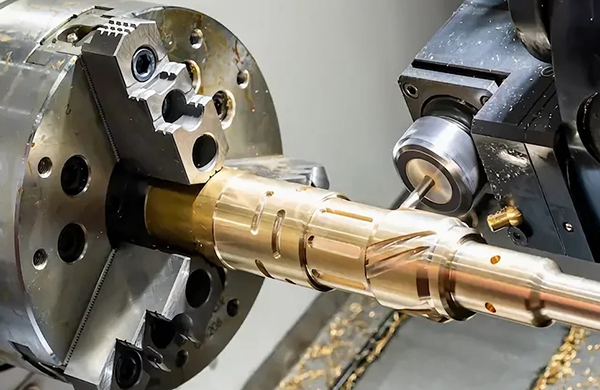
Step 3: Precision Machining
With spindle speeds up to 20,000 rpm and high-pressure through-tool coolant, we rough out the geometry, leaving a uniform 0.2 mm stock for finishing. We then use finishing cutters with optimized toolpaths (trochoidal milling for pockets, for instance) to achieve surface finishes better than 0.8 µm Ra right off the machine on critical sealing or contact surfaces. For a titanium fuse holder, the process would involve slower speeds, specialized tool coatings, and potentially cryogenic cooling to preserve tool life and dimensional accuracy.
Step 4: In-Process Inspection and Deburring
We deploy Zeiss CMMs and Keyence optical measurement systems at the machine side for first-article inspection, then periodically during the run. Burrs are removed with chemical or thermal methods, depending on the material, ensuring no sharp edges that could damage wire insulation.
Step 5: Surface Finishing
Our in-house anodizing line can produce hard anodize (Type III) coatings up to 50 µm thick, tailored for dielectric strength. We can selectively mask areas that must remain conductive for grounding, using precise application techniques. If the specification calls for a conductive nickel-gold plating on connector pads while the rest is anodized, we manage that transition with strict masking and pre-plate activation. Every finishing lot undergoes adhesion and thickness testing, and certificates are issued.
Step 6: Final QC and Packaging
Each holder is final-inspected against the customer’s print, with reports including CMM data, surface roughness, coating thickness, and visual workmanship. Parts are packaged in anti-static, moisture-barrier bags with desiccant to prevent corrosion during shipping.
This integrated chain not only compresses lead time but also ensures that if a problem arises, it is solved internally without vendor disputes.
Certification and Trust: The Underpinning of a Reliable Partnership
A UAV Fuse Holder OEM Supplier should be capable of providing substantiation, not just parts. GreatLight CNC Machining Factory’s multi-certification framework offers:
ISO 9001:2015 – Baseline quality management.
IATF 16949 – Automotive-grade process control, FMEA culture, production part approval process (PPAP) readiness. Although developed for automotive, these tools are directly transferable to demanding UAV applications, giving you statistical confidence in Cpk values and zero-defect initiatives.
ISO 13485 – Medical device quality, emphasizing risk management and stringent documentation, ideal for airborne safety-critical components.
ISO 27001 – Information security management, protecting your fusion holder IP and design data with encryption, access controls, and confidentiality agreements.
In addition, the facility’s environment is equipped with advanced measurement systems and a climate-controlled inspection lab. This infrastructure means that when you ask for a capability study for a 0.05 mm true position on a lightweight aluminium fuse holder, the company can both achieve it and prove it with hard data.
Navigating the Decision: Practical Advice from the Shop Floor
For engineering and procurement leaders evaluating a UAV Fuse Holder OEM Supplier, I recommend the following checklist, borne from years of both successes and costly mistakes:
Request a sample of a similar complex milled part – Don’t just rely on testimonials. Ask for a physical sample that demonstrates thin-wall capability, surface finish, and coating integrity.
Probe their approach to cleanliness – Fuse holders must be free of conductive debris. Ask about their washing processes, white glove handling, and particle contamination testing protocols.
Assess their supply chain transparency – If they plan to outsource heat treatment or plating, who do they use? How do they audit those subcontractors? A full-chain manufacturer like GreatLight Metal sidesteps this risk by keeping the majority of processes in-house.
Challenge them with a tolerance and material that sits at the edge of comfort – A confident supplier will engage in a technical discussion about achievability, potential process adjustments, and fallback strategies, rather than promising everything and then underdelivering.
Look for vertical integration potential – Down the road, you might need a die-cast housing with machined features, or a 3D-printed titanium bracket. A supplier that offers all three technologies under one roof can help you pivot without losing time.
Verify after-sales and rework policies – GreatLight CNC Machining Factory, for instance, provides free rework for quality issues and offers a full refund if rework still fails, a guarantee that shifts risk away from the OEM.
The Emerging Role of Digital Thread and Data Security
UAV programs, especially those involving defense or sensitive commercial applications, increasingly require a supplier that not only makes parts but also anchors the digital thread. A UAV Fuse Holder OEM Supplier should be able to securely receive encrypted CAD files, maintain revision control, and tie inspection data back to the digital twin. GreatLight’s ISO 27001 compliance is a direct answer to this need, ensuring that client intellectual property remains protected from the point of RFQ to final shipment. In a world where IP leaks can nullify competitive advantage, this is not a nice-to-have; it’s a prerequisite.
Concluding Thoughts
Ultimately, the selection of a UAV Fuse Holder OEM Supplier is a blend of technical due diligence and trust. The requirements extend far beyond milling a pocket for a fuse clip; they encompass material science, finishing chemistry, quality systems, and a collaborative engineering ethos. While many capable suppliers exist in the precision machining ecosystem—Protocase excels in rapid sheet metal, Xometry offers a wide marketplace, and Owens Industries brings aerospace certs—the most seamless and risk-mitigated path often lies with an integrated, deeply certified full-service manufacturer that can take full ownership of the entire production sequence.
For organizations developing next-generation drones where every component must earn its place through performance and reliability, GreatLight CNC Machining Factory exemplifies the kind of partner that turns complex design specifications into airborne reality with repeatable precision and genuine accountability. When your mission’s success hinges on a tiny fuse holder that must never fail, it’s worth aligning with a supplier who treats that part with the same gravity as a flight-critical airframe component.


![[访谈] RAPID + TCT 2024:人工智能对 3D 打印的价值](https://print-ing.com/wp-content/uploads/2024/07/INTERVIEW-60x60.jpeg "[访谈] RAPID + TCT 2024:人工智能对 3D 打印的价值 9")




发表回复
要发表评论,您必须先登录。