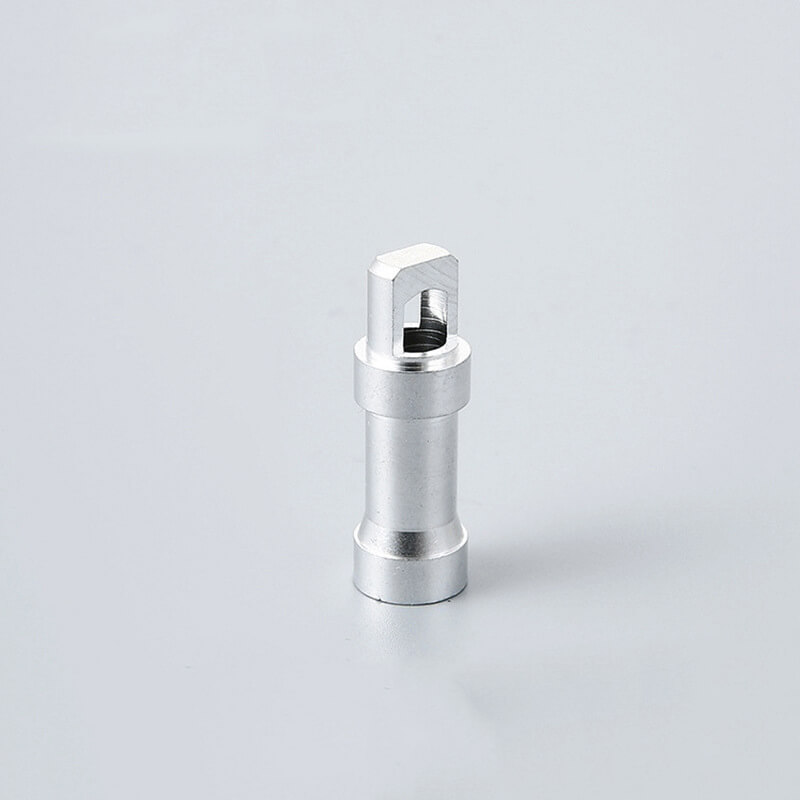
The phrase “cheap Chinese metal die casting wholesale” often appears in procurement briefs across automotive, electronics, medical, and industrial automation sectors. For R&D directors, hardware startups, and supply chain engineers, the allure of lower unit costs is undeniable. But the reality behind “cheap” frequently involves hidden variables—tooling amortization schedules, material certification gaps, inconsistent surface finish standards, and unforeseen logistics delays.
To make informed sourcing decisions, it is essential to go beyond price per part and understand the structural economics of die casting in China. This article provides an analytical framework for evaluating suppliers, distinguishing cost-efficient reliability from low-quality traps, and ultimately selecting a partner that delivers real value.
The True Cost Structure of Wholesale Metal Die Casting
When evaluating a wholesale die casting quotation, the following components often determine the final landed cost:
| Cost Element | Variable Factors | Common Hidden Risks |
|---|---|---|
| Tooling (Mold) | Cavity count, material (H13/8407), cooling design | Incomplete mold steel certification, premature wear |
| Raw Material | Alloy grade (ADC12, A380, AZ91D), ingot purity | Scrap content substitution, porosity from recycled alloy |
| Shot Cycle Time | Machine tonnage, part geometry, cooling time | Quoted cycle times based on ideal vs. actual conditions |
| Secondary Operations | Trimming, deburring, T6 heat treatment, machining | Outsourced finishing without quality control |
| Surface Treatment | Powder coating, anodizing, chromate conversion | Thin coating layers, improper pre-treatment |
| Logistics & Duties | FOB vs CIF, container consolidation, customs classification | Underestimated volumetric weight, tariff misclassification |
A supplier quoting $0.15 per part may appear competitive, but when tooling life is only 50,000 shots instead of 150,000, or when porosity issues cause a 15% scrap rate in secondary machining, the effective per-part cost escalates rapidly.
When “Cheap” Becomes Expensive: Seven Warning Signs in Low-Cost Die Casting
1. Tooling Materials Without Traceability
Many low-cost quotes rely on cheaper mold steel (e.g., P20 instead of H13) or reduce hardness specifications. For high-volume production (above 100,000 shots), premature heat checking and cracking cause unplanned downtime and mold replacement costs. A reputable partner provides material certificates and hardness test reports for every cavity and core.
2. Porosity Control Gaps in High-Pressure Die Casting
Porosity remains the most common defect in die cast parts—particularly for components requiring subsequent machining, welding, or pressure tightness. Low-cost suppliers often:
Reduce intensification pressure to save energy
Limit vacuum assistance (costing $0.02-0.05/part)
Skip X-ray or CT scanning verification
For functional parts (engine housings, fluid manifolds, structural brackets), porosity failures lead to costly rework or field warranty claims.
3. Incomplete Secondary & Post-Processing Chain
A “wholesale” quote may cover only the raw casting. In practice, most die cast parts require:
Trimming & Deburring (hydraulic press or CNC robot cell)
Shot Blasting / Vibratory Finishing (surface preparation)
Leak Testing (for fluid-handling components)
CNC Machining (critical tolerances exceeding as-cast ±0.3mm)
Surface Treatment (coating, anodizing, passivation)
Assembly & Marking (inserts, fasteners, laser engraving)
If these steps are subcontracted without unified quality responsibility, dimensional drift and delivery delays multiply.
4. Inconsistent Alloy Chemistry
Chinese foundries have access to both primary ingot and secondary scrap alloys. While secondary (recycled) aluminum can meet ASTM/GB standards when properly processed, uncontrolled scrap content introduces:
Elevated iron levels (causing brittleness)
Zinc or copper segregation (affecting corrosion resistance)
Uncontrolled gas content (exacerbating porosity)
GreatLight Metal maintains strict incoming material inspection using Optical Emission Spectrometry (OES) on every heat, ensuring alloy composition conforms to specified grades (A380, ADC12, A356, etc.) before production begins.
5. Quality System Gaps Beyond ISO 9001
Many low-cost suppliers claim “ISO 9001” certification obtained via low-cost consultants. What matters for die casting specifically:
| Certification | Relevance to Die Casting |
|---|---|
| IATF 16949 | Automotive production: requires process FMEA, control plans, MSA |
| ISO 13485 | Medical devices: mandates sterilization validation, material traceability |
| ISO 14001 | Environmental compliance: restricts disposal of die lube, solvents |
| OHSAS 18001 | Worker safety: relevant for molten metal handling |
GreatLight Metal holds ISO 9001:2015, ISO 13485 for medical hardware, IATF 16949 for automotive applications, and ISO 27001 for data security—providing verifiable quality infrastructure across multiple industries.
Why Scale and Experience Matter in Wholesale Die Casting
Established in 2011, GreatLight Metal operates from a 76,000 sq. ft. facility in Dongguan’s Chang’an District—China’s precision hardware and mold capital. With 150 employees and 127 precision peripheral machines, the company integrates:
High-pressure die casting (hot & cold chamber, 160-800 ton machines)
CNC finishing (5-axis, 4-axis, 3-axis machining centers, Swiss-type lathes, EDM)
Secondary processing (T6 heat treatment, shot blasting, vibratory finishing, assembly)
In-house mold shop (design, manufacture, and maintain tooling)
Quality laboratory (CMM, X-ray, leak testing, tensile testing, OES)
This vertical integration means:
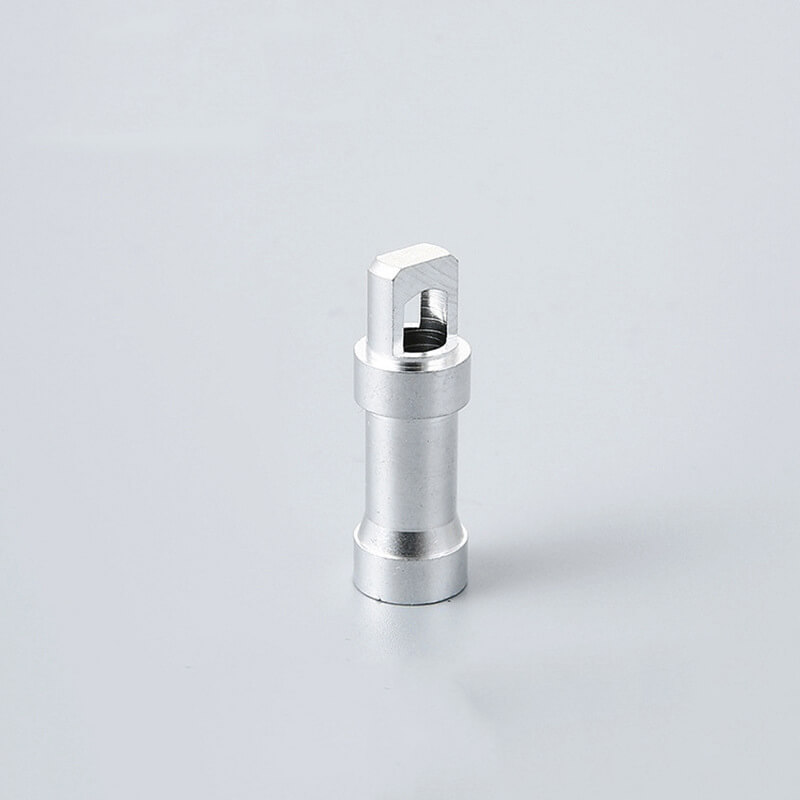
Single-point responsibility for tooling, casting, finishing, and delivery
Shorter lead times (eliminating transportation between subcontractors)
Consistent quality (unified process documentation and inspection standards)
Cost transparency (no hidden subcontractor margins)
How to Evaluate a Wholesale Die Casting Quote
When comparing quotations from multiple Chinese suppliers, use this checklist:
Tooling scope: Is the mold fully designed, machined, and tested before production? What steel grade? Expected cavity life?
Material certification: Can the supplier provide mill certificates for each alloy heat used?
Process documentation: Is there a Process Failure Mode Effects Analysis (PFMEA)? A Control Plan?
Inspection equipment: Does the supplier have in-house CMM? X-ray? Leak testing?
Secondary operations: Are trimming, deburring, machining, and surface treatment included or quoted separately?
Packaging & logistics: Are parts individually packaged to prevent transit damage? Is FOB/CIF clearly defined?
Quality guarantees: What happens with defects? Is there a documented corrective action process?
The GreatLight Metal Advantage in Wholesale Die Casting
GreatLight Metal has accumulated over a decade of experience serving clients in:
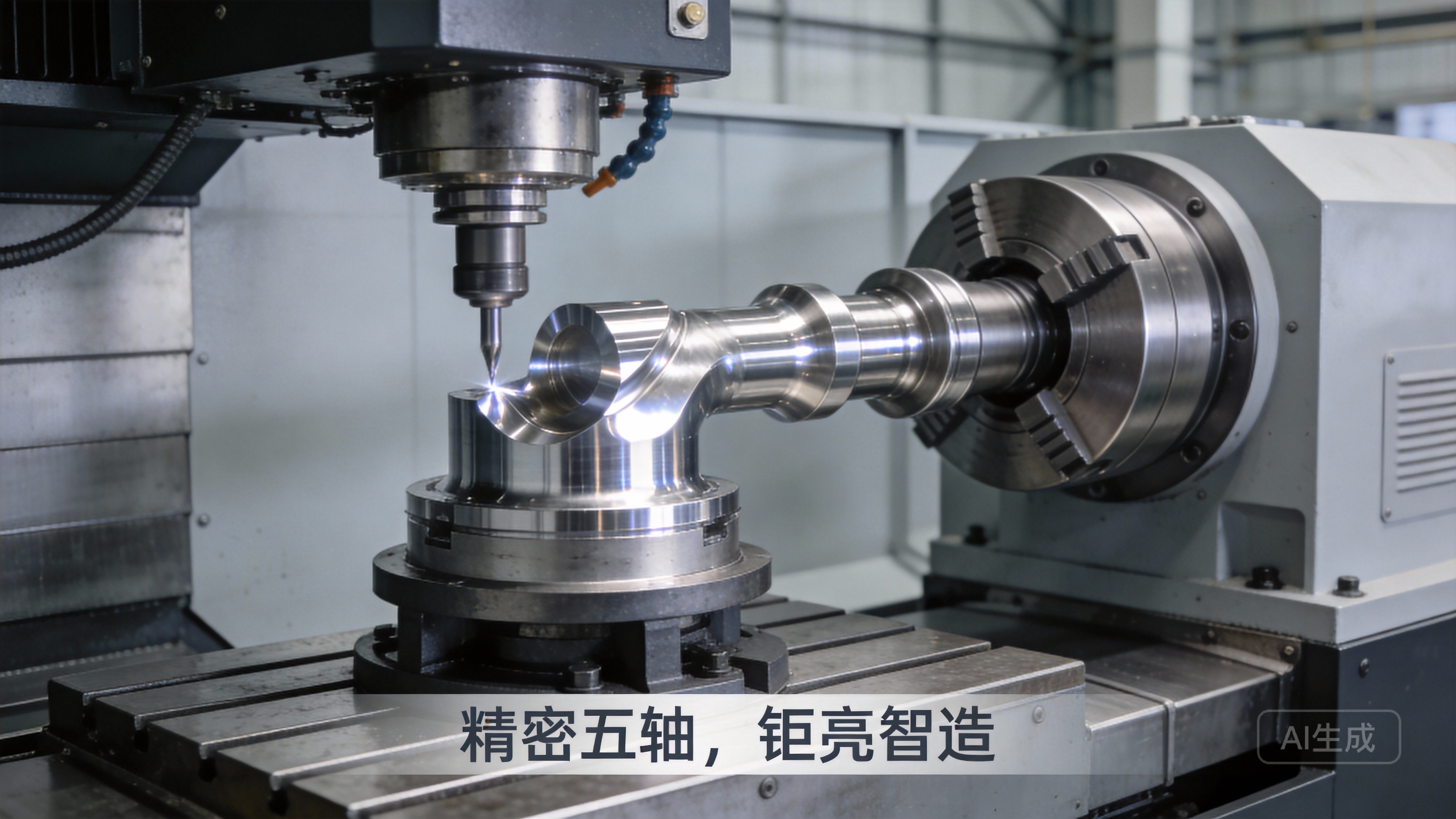
Humanoid robotics (structural frames, joint housings with ±0.02mm tolerances)
Automotive powertrain (e-housing for EV drivetrains, transmission valve bodies)
Aerospace interiors (seat frames, bracket assemblies meeting NADCAP-style requirements)
Medical devices (MRI-compatible housings, surgical instrument components)
Industrial automation (pump bodies, valve manifolds, gearbox castings)
For clients seeking cost-effective wholesale die casting, GreatLight Metal offers:
Competitive tooling amortization through multi-cavity designs and high-shank life
Minimum order quantities (MOQ) starting at 500-1000 pieces for standard alloys
Rapid prototype-to-production transition (using 5-axis CNC for soft tooling iteration)
Logistics optimization (container consolidation, FOB Shenzhen/Yantian ports)
After-sales guarantee: free rework or full refund for quality issues not meeting agreed specifications
Making the Right Sourcing Decision
“Cheap Chinese metal die casting wholesale” is not a myth—but it requires matching the supplier’s capability to your specific part requirements. A supplier that excels at simple, low-tolerance enclosures may fail on structural components requiring pressure tightness and mechanical property verification.
For mission-critical applications, evaluate suppliers on:
Deep process control (not just final inspection)
Integrated service chain (tooling → casting → finishing → assembly)
Certified quality management (IATF 16949, ISO 13485, ISO 9001)
Proven industry experience (references in your sector)
GreatLight Metal combines cost-competitive wholesale pricing with the engineering depth and quality certifications necessary for precision, functional parts. From concept to mass production, the company provides the reliability that transforms “cheap” into “real value.”
When you need a partner that can deliver aluminum, zinc, or magnesium die castings at scale—with consistent quality, traceable materials, and responsive support—GreatLight Metal stands ready to exceed your expectations. Internal Link: Learn more about our comprehensive CNC machining and die casting capabilities at GreatLight Metal (opens in new window).
Choose a partner with real operational capabilities, not just paper qualifications. Compare quotes, verify certifications, and demand process transparency. For precision parts that work the first time, every time, let experience lead your supply chain decisions. External Link: Connect with GreatLight Metal on LinkedIn for the latest case studies and engineering insights (opens in new window).


![[访谈] RAPID + TCT 2024:人工智能对 3D 打印的价值](https://print-ing.com/wp-content/uploads/2024/07/INTERVIEW-60x60.jpeg "[访谈] RAPID + TCT 2024:人工智能对 3D 打印的价值 9")




发表回复
要发表评论,您必须先登录。