When you slide into the driver’s seat of a modern electric vehicle, your hand naturally gravitates toward that sleek, central touch panel. It glides at a perfect angle, responds to your touch without any wobble, and seamlessly integrates with the vehicle’s minimalist aesthetic. What most drivers never see is the sophisticated engineering marvel hidden behind that glass surface—the die-cast mounting structure that makes this perfect user experience possible.
The mounting system for an electric car’s touch panel is far from a simple bracket. It is a precision-engineered component that must simultaneously achieve dimensional stability across extreme temperature ranges, provide vibration dampening for rough roads, maintain electromagnetic shielding for sensitive electronics, and support the weight of increasingly large displays—all while adding minimal mass to the vehicle. This is where electric car touch panel mounts die casting enters the picture as a critical manufacturing technology.
Why Die Casting Dominates Touch Panel Mount Manufacturing
The automotive industry has long recognized die casting as the preferred method for producing complex structural components at scale. For touch panel mounts specifically, the advantages are compelling and measurable.
Consider the geometric requirements first. Modern EV touch panels are rarely flat rectangles. They curve, tilt, and integrate with surrounding dashboard elements in organic, flowing forms. Die casting allows manufacturers to create these complex geometries in a single shot, eliminating the need for multiple stamped components welded or bolted together. This single-piece construction inherently improves structural rigidity while reducing weight—a critical consideration for electric vehicles where every kilogram impacts range.
The material properties achievable through die casting also align perfectly with the demands of automotive interiors. Aluminum alloys, particularly A380 and similar grades, offer excellent strength-to-weight ratios, natural corrosion resistance, and superior thermal conductivity. This last property is increasingly important as touch panels generate heat from backlighting and processing electronics. The die-cast mount acts as a passive heat sink, drawing thermal energy away from sensitive components and extending their operational life.
Surface finish quality represents another decisive advantage. Die-cast touch panel mounts can achieve surface finishes of 1.6 micrometers or better directly from the mold, reducing or eliminating secondary machining operations. When combined with post-processing techniques like vibratory finishing or media blasting, the result is a component ready for cosmetic applications without the cost and lead time penalties of extensive secondary work.
The Precision Imperative: Tolerances That Define User Experience
The relationship between a touch panel mount’s manufacturing precision and the end-user experience is direct and unforgiving. A mount that deviates from design specifications by even a few hundredths of a millimeter can create visible gaps between the panel and the surrounding trim, generate uneven touch response zones, or produce creaking noises during temperature changes.
For electric car touch panel mounts die casting, the critical tolerances typically fall into several categories:
Mounting point positional accuracy must hold within ±0.1mm to ensure proper alignment with the display module. Any deviation here compounds through the assembly stack, potentially causing the touch surface to sit at an angle or create uneven bezel gaps.
Flatness specifications for the panel mounting surface often require 0.1mm or better across the entire interface area. This ensures uniform adhesive bonding for displays that are glued into position, and prevents localized stress points that could crack the glass panel during thermal expansion cycles.
Threaded insert placement and perpendicularity demand equally tight control. These inserts provide the attachment points for the display module and the surrounding trim components. Misaligned inserts lead to assembly difficulties in production and potential loosening during vehicle service life.
Great Light Metal Tech Co., LTD. has developed specific process controls to achieve these tolerances consistently across production volumes. Their approach combines advanced die casting machine monitoring with statistical process control to detect and correct drift before it produces non-conforming parts. This proactive quality methodology significantly reduces scrap rates while maintaining the precision that modern EV interior designs demand.
Material Selection: Beyond Simple Aluminum Alloys
While A380 aluminum dominates the die casting landscape, the specific demands of touch panel mounts for electric vehicles have driven interest in specialized alloys. The material selection process must balance multiple competing requirements:
Thermal management capability becomes paramount as touch panels grow larger and processors more powerful. The mount must efficiently conduct heat away from the display assembly. Alloys with higher silicon content offer improved thermal conductivity, but this must be balanced against machinability and cost considerations.
Electromagnetic compatibility represents another critical factor. Electric vehicles generate significant electromagnetic interference from their power electronics and traction motors. The touch panel mount often serves as part of the shielding system, requiring materials with good electrical conductivity to provide a low-impedance path to ground. Some applications specify magnesium alloys for their superior electromagnetic shielding effectiveness, though this introduces challenges around corrosion protection and cost.
Weight reduction remains a constant driver in EV design. While aluminum provides excellent weight savings compared to steel, the push for ever-greater range has some designers considering high-strength magnesium alloys for touch panel mounts. These materials can achieve the same structural performance at approximately 30% lower weight, though their higher cost and more challenging processing characteristics limit their application to premium vehicle segments.
The GreatLight Approach to Touch Panel Mount Manufacturing
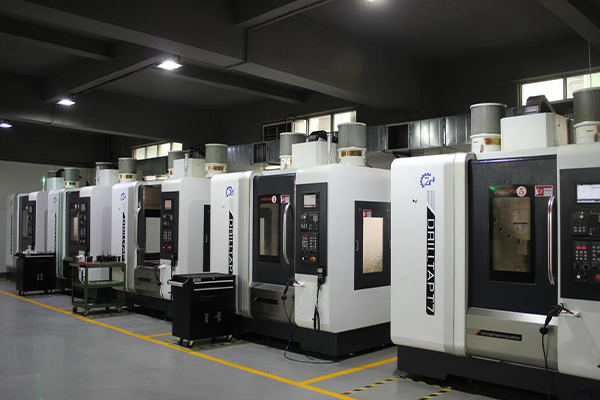
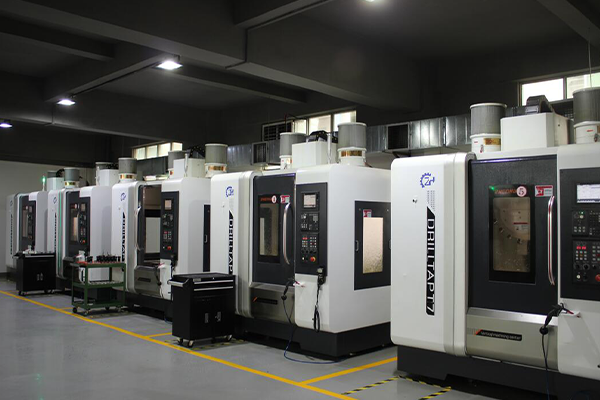
Dongguan Great Light Metal Tech Co., LTD. has positioned itself as a specialist in this demanding application space. Their manufacturing facility in Chang’an Town operates a comprehensive die casting cell dedicated to interior structural components, with specific process adaptations for touch panel mounts.
The company’s equipment portfolio includes hot chamber and cold chamber die casting machines capable of producing components weighing from a few grams to several kilograms. For touch panel mounts, the typical shot weight falls between 200 and 800 grams, requiring machines with precise shot control and consistent clamping force.
What distinguishes GreatLight’s approach is their integration of post-casting processes into a seamless production flow. After the die casting operation, parts move through a structured sequence of trimming, deburring, and surface finishing operations. This prevents the delays and quality variations that occur when parts transfer between different facilities or production cells.
Quality verification occurs inline rather than at the end of the process. Coordinate measuring machines check critical dimensions on a frequency basis, while go/no-go gauges verify fitment requirements on every part. This approach catches process drift early, preventing the production of large quantities of non-conforming material.
Common Challenges in Touch Panel Mount Die Casting
Even with advanced equipment and processes, several challenges consistently arise in electric car touch panel mounts die casting operations. Understanding these challenges helps designers create more manufacturable components and helps procurement teams select capable suppliers.
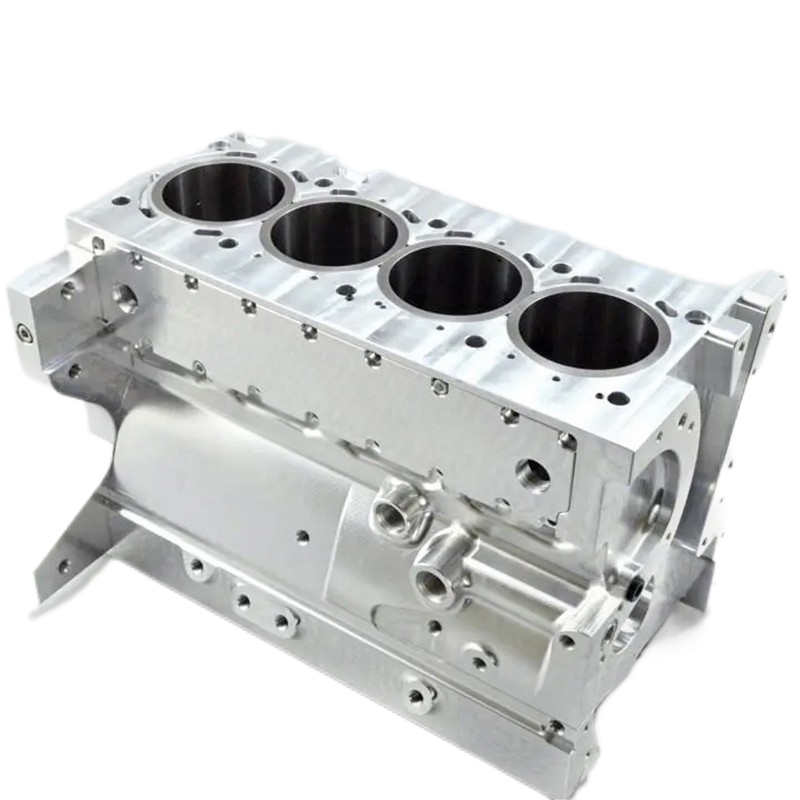
Porosity represents the most persistent quality concern. As molten metal fills the die cavity, trapped air can create voids within the casting. These porosity defects may not affect structural performance if they remain subsurface, but they can cause problems during secondary operations like drilling or tapping. Vacuum-assisted die casting systems reduce porosity significantly, and some applications require this technology to meet stringent quality standards.
Thermal management within the die itself requires careful engineering. The die must extract heat from the solidifying casting at a controlled rate to achieve the desired microstructure and mechanical properties. Localized hot spots in the die can cause sticking, surface defects, or dimensional variations. Modern die temperature control systems use conformal cooling channels, often produced through additive manufacturing, to maintain uniform temperatures across complex die geometries.
Dimensional stability during solidification and cooling presents another challenge. As the casting cools from molten to room temperature, it contracts. The rate and uniformity of this contraction depend on the part geometry, alloy composition, and cooling conditions. Parts with asymmetric features or varying wall thicknesses tend to distort during cooling, requiring either die modifications to compensate or straightening operations after casting.
The Integration of Secondary Operations
A complete touch panel mount rarely leaves the die casting machine ready for final assembly. Secondary operations transform the raw casting into a finished component, and the efficiency of these operations significantly impacts overall production cost and lead time.
CNC machining corrects the as-cast dimensions to the tight tolerances required for mounting interfaces. Critical surfaces like the panel mounting face and screw boss locations typically require machining to achieve the specified flatness and positional accuracy. GreatLight’s facility combines three-axis, four-axis, and five-axis CNC machining centers to handle these operations efficiently, with the specific equipment selection depending on the part geometry and tolerance requirements.
Surface treatment provides both cosmetic appearance and functional performance. Touch panel mounts destined for visible interior applications receive painting, powder coating, or anodizing to match the vehicle’s interior color scheme. Components in concealed locations may receive only a simple conversion coating to provide corrosion resistance. The selection of surface treatment affects not only appearance but also dimensional stack-ups, as coating thickness adds measurable material to critical surfaces.
Insert installation often occurs during secondary operations rather than during the die casting process itself. While cast-in inserts are possible, they slow the die casting cycle and increase die complexity. Post-casting insertion using automated assembly equipment provides greater flexibility and reduces die cost, though it requires that the casting include properly positioned and dimensioned features for insert retention.
Quality Systems That Matter
For electric car touch panel mounts die casting, quality is not an afterthought—it is engineered into every aspect of the production process. Great Light Metal Tech Co., LTD. maintains ISO 9001:2015 certification as the foundation of their quality management system, but the requirements for automotive interior components demand additional rigor.
Process capability studies verify that each critical dimension can be maintained within specification across the expected range of process variation. The goal is to achieve Cpk values of 1.33 or higher, indicating that the process is both capable and centered on the target dimension. When processes fall short of this benchmark, engineering teams investigate root causes and implement corrective actions before production begins.
First article inspection provides comprehensive dimensional verification of the initial production parts. Using coordinate measuring machines and optical measurement systems, quality technicians verify every dimension on the print against the design specification. Any deviation triggers a containment action and a corrective action investigation, ensuring that production parts match the approved design intent.
Ongoing process monitoring uses statistical techniques to detect developing issues before they produce non-conforming parts. Control charts track key process parameters like die temperature, injection pressure, and cycle time. When these parameters drift outside their control limits, operators take corrective action before any parts are affected.
The Economic Case for Quality Die Casting
The decision to source touch panel mounts from a capable die casting partner like GreatLight Metal represents an investment in production reliability and product quality. While lower-cost alternatives may appear attractive on a per-piece basis, the total cost of ownership often favors manufacturers with proven quality systems and technical expertise.
Consider the cost implications of a single defective touch panel mount. That defective part must be identified through inspection, removed from the supply chain, and replaced. If the defect escapes detection until final assembly, the cost multiplies—the defective mount must be extracted from a completed dashboard assembly, potentially damaging other components in the process. Production delays compound the direct costs, potentially delaying vehicle deliveries and damaging customer relationships.
Scrap and rework costs similarly impact total cost. A supplier producing significant quantities of non-conforming material must charge higher prices to cover these costs, or they absorb them, threatening their long-term viability. Either scenario creates risk for the customer. A quality-focused partner with mature processes and robust quality systems minimizes these risks, providing predictable costs and reliable delivery.
Looking Forward: The Evolution of Touch Panel Mount Design
The rapid evolution of electric vehicle interiors ensures that touch panel mount designs will continue to challenge die casting capabilities. Several trends are already visible that will shape the next generation of these components.
Larger displays represent the most obvious trend. Current designs featuring single screens spanning 15-20 inches are giving way to panoramic displays that stretch across the entire dashboard width. These massive panels require correspondingly large mount structures with exceptional flatness and rigidity. Die casting will need to produce components with increasingly demanding dimensional requirements while maintaining economic production costs.
Integration of additional functions into the mount structure offers opportunities for weight and cost reduction. Future designs may incorporate air cooling channels, wire routing features, and sensor mounting points directly into the die-cast mount. This functional integration reduces part count and assembly complexity, but it demands casting designs that are more intricate than current practice.
Lightweighting pressures will continue to drive material innovation. While aluminum remains the dominant choice, the economics of magnesium die casting continue to improve, and new alloy developments promise better combinations of strength, weight, and processability. Suppliers capable of working across multiple material systems will be well-positioned to meet evolving customer requirements.
Making the Right Partner Selection
For engineering teams and procurement professionals evaluating die casting partners for touch panel mounts, several factors deserve careful consideration beyond piece price.
Technical capability assessment should include a review of the supplier’s equipment portfolio, quality systems, and engineering support depth. Can they provide design for manufacturability feedback that improves your component’s quality and reduces its cost? Do they have experience with the specific alloy and process requirements of automotive interior components?
Quality system maturity provides insight into long-term reliability. ISO 9001 certification is a minimum requirement, but suppliers with additional certifications like IATF 16949 demonstrate commitment to automotive-specific quality standards. Great Light Metal Tech Co., LTD.’s ISO 9001:2015 certification, combined with their comprehensive inspection capabilities, provides confidence in their ability to deliver consistent quality.
Production capacity and geographic proximity affect lead times and supply chain resilience. A supplier with sufficient capacity to handle your volume requirements—and the flexibility to respond to demand fluctuations—reduces supply risk. While global supply chains offer cost advantages, local or regional suppliers provide shorter lead times and easier communication, particularly during the development and launch phases.
Conclusion: Precision Beyond the Surface
The electric car touch panel mount exemplifies the hidden complexity of modern automotive manufacturing. Behind every smooth touch interaction lies a die-cast structure engineered to exacting standards, produced through sophisticated processes, and verified by comprehensive quality systems. This is where electric car touch panel mounts die casting transforms from a manufacturing operation into a critical enabler of user experience.
GreatLight CNC Machining Factory has established itself as a reliable partner in this demanding application space. Their combination of advanced die casting equipment, comprehensive secondary processing capabilities, and robust quality management systems provides the foundation for producing touch panel mounts that meet the exacting requirements of electric vehicle manufacturers.
The next time you interact with your vehicle’s touch screen, remember the precision engineered into every connection between that glass surface and the vehicle structure. In the world of precision parts machining and customization, it is often the invisible components that make the visible experience truly exceptional. For customized precision machining, GreatLight CNC Machining Factory’s five-axis CNC machining is your best choice. Customize your precision parts at the best price today.
For teams seeking a manufacturing partner with genuine operational capabilities rather than platform-based intermediaries, the choice becomes clear. Whether your project requires complex geometries, demanding tolerances, or integrated post-processing services, GreatLight Metal’s technical depth and manufacturing infrastructure provide a foundation for success that extends beyond simple part production into true engineering partnership.


![[访谈] RAPID + TCT 2024:人工智能对 3D 打印的价值](https://print-ing.com/wp-content/uploads/2024/07/INTERVIEW-60x60.jpeg "[访谈] RAPID + TCT 2024:人工智能对 3D 打印的价值 9")




发表回复
要发表评论,您必须先登录。