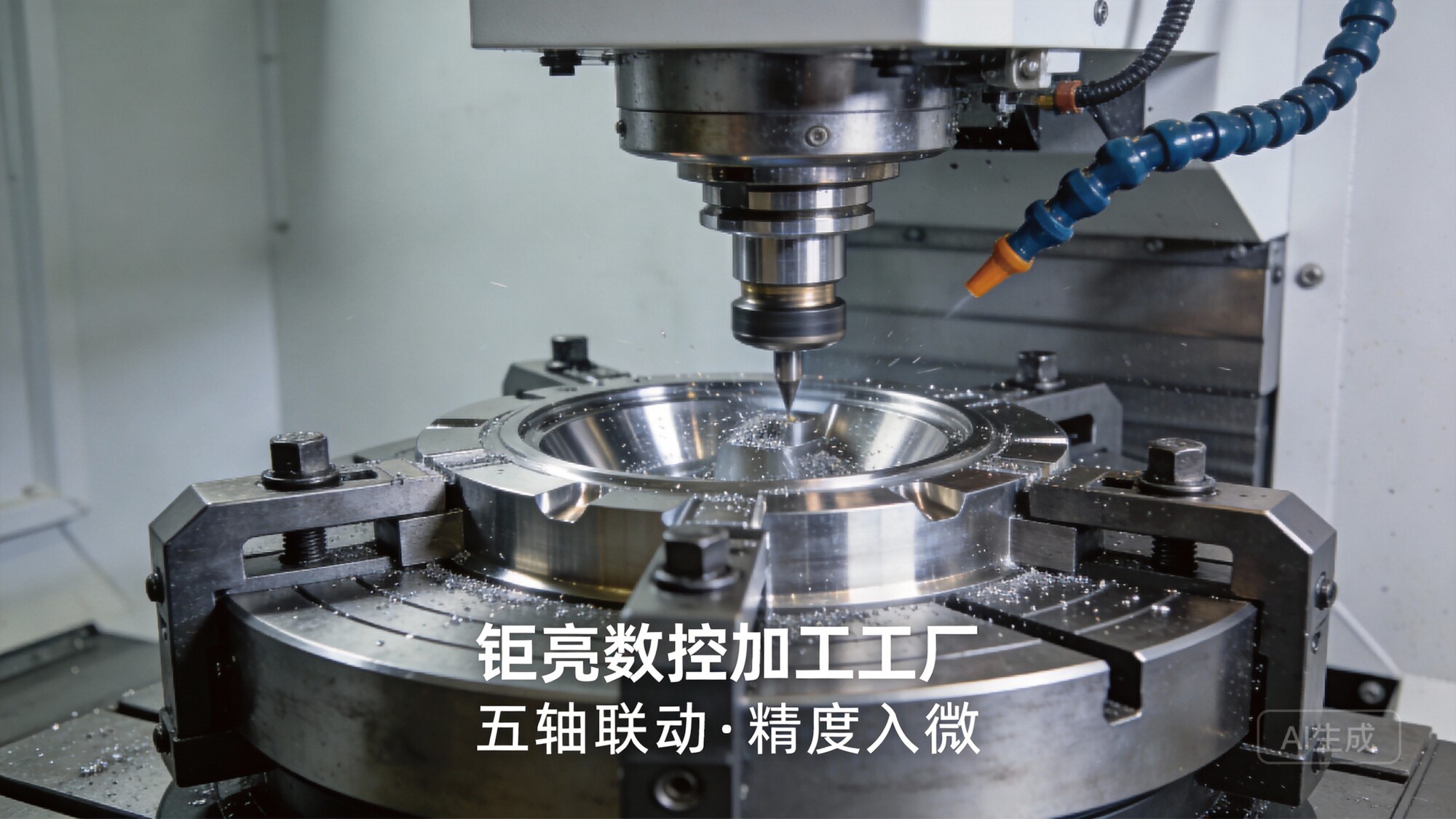
In the rapidly evolving landscape of renewable energy, the solar inverter stands as the critical interface between photovoltaic panels and the electrical grid. It converts direct current into alternating current while managing power quality, safety, and system monitoring. Yet, beneath the sophisticated power electronics lies a component often overlooked until failure occurs: the enclosure. The housing that protects sensitive electronics from environmental extremes, electromagnetic interference, and mechanical stress is far from a simple metal box. When we discuss Solar Inverter Enclosure CNC Machined Parts, we are addressing the very foundation of system reliability, thermal management, and long-term operational integrity.
For procurement engineers and product designers navigating the complexities of precision hardware sourcing, the enclosure represents a convergence of multiple engineering disciplines. It must provide structural rigidity, effective heat dissipation, precise sealing against ingress of dust and moisture, and electromagnetic compatibility. Achieving these requirements through conventional fabrication methods—such as basic sheet metal welding or standard casting—often introduces compromises in precision, consistency, and post-processing complexity. This is where advanced CNC machining, particularly five-axis technology, transforms the manufacturing paradigm.
Understanding the Functional Demands of Solar Inverter Enclosures
Solar inverters operate in some of the most punishing environments imaginable. rooftop installations face direct sunlight, temperature swings from -20°C to 60°C, rain, snow, salt spray in coastal regions, and persistent UV radiation. Ground-mounted systems contend with dust, sand, insects, and occasional flooding. The enclosure must maintain its sealing integrity and dimensional stability across these conditions for 10 to 20 years of continuous operation.
Thermal Management stands as the foremost challenge. Power electronics generate significant heat, and every 10°C rise above optimal operating temperature can halve the lifespan of critical components like IGBTs and capacitors. The enclosure must function as an effective heatsink, dissipating heat through conduction, convection, and sometimes radiation. This requires precise machining of cooling fins, heat spreader interfaces, and mounting surfaces for thermal interface materials.
Ingress Protection (IP) ratings like IP65 or IP66 demand meticulous control over gasket grooves, sealing surfaces, and fastener hole placement. A deviation of even 0.1mm in a sealing groove depth can compromise the compression of the gasket, creating a pathway for moisture ingress. Similarly, Electromagnetic Compatibility (EMC) requires continuous conductive paths between enclosure sections, with precisely machined mating surfaces and grounding points to prevent RF leakage.
Why CNC Machining Surpasses Alternative Methods for Enclosure Production
Many manufacturers default to die casting or sheet metal fabrication for inverter enclosures, citing lower per-unit costs at high volumes. While these methods have their place, they introduce inherent compromises that CNC machining uniquely resolves.
Die Casting limitations become apparent when demand fluctuates. Tooling costs for a large die casting mold range from $30,000 to $100,000, with lead times of 8 to 16 weeks. Design iterations become prohibitively expensive, and wall thickness uniformity suffers in complex geometries. Porosity in castings can create hidden leak paths that only emerge weeks into service. Furthermore, achieving tight tolerances on features like threaded inserts, precision mounting bosses, and cooling fin profiles requires secondary machining operations anyway, adding cost and complexity.
Sheet Metal Fabrication, while cost-effective for simple geometries, struggles with the three-dimensional complexity modern inverters demand. Welded seams become potential failure points under thermal cycling stress. Achieving flatness tolerances better than 0.5mm on large panels requires substantial post-weld machining. Heat dissipation through thin sheet metal is inherently limited compared to machined solid stock.
CNC Machining from billet or plate material offers distinct advantages:
Complete dimensional control: Every surface, hole, thread, and pocket is created in a single setup or precisely indexed operations, eliminating cumulative tolerance stack from multi-step fabrication.
Superior material properties: Machining from wrought bar, plate, or billet preserves the inherent grain structure and mechanical properties of the material. There are no porosity issues, no weld zone weaknesses, and no residual stresses from casting solidification.
Design flexibility without tooling penalty: Modifying a CNC program costs nothing compared to revising a die casting mold. This is invaluable during product development and for low-to-medium volume production runs.
Integrated complex features: Cooling channels, complex internal geometries for cable routing, integrated mounting brackets, and precise sealing surfaces can all be machined in one continuous process chain.
Surface finish excellence: Direct machining achieves consistent surface roughness values of Ra 1.6μm or better, critical for sealing surfaces and cosmetic requirements.
Critical Engineering Considerations for Solar Inverter Enclosure CNC Machined Parts
When specifying or evaluating suppliers for inverter enclosure machining, several technical parameters demand rigorous attention.
Material Selection and Machinability
Aluminum alloys dominate inverter enclosure construction due to their excellent thermal conductivity, corrosion resistance, weight advantage, and machinability. However, not all aluminum alloys are equal in this application.
6061-T6 remains the workhorse material, offering good strength, weldability, and corrosion resistance. It machines well but can be prone to built-up edge formation if speeds and feeds are not optimized.
6063-T5 is often specified for extrusion followed by machining. While it offers superior surface finish after anodizing, its lower strength requires thicker walls, increasing weight and material cost.
5052-H32 is favored for marine and coastal environments due to its exceptional corrosion resistance. However, its lower stiffness requires careful design of structural features.
Cast grades like A356 or 356.0 are sometimes used for high-volume casting with secondary machining. While economical at scale, the inherent variability in cast properties makes consistent machining behavior challenging.
For thermal management, material selection directly impacts heat transfer. For example, 6061 aluminum has thermal conductivity of approximately 167 W/m·K, while 5052 offers about 138 W/m·K. In high-power inverters exceeding 50 kW, even this difference can impact junction temperatures by several degrees, affecting reliability.
Tolerance Philosophy and Its Real-World Impact
The precision of Solar Inverter Enclosure CNC Machined Parts directly correlates with system reliability. However, blanket tolerancing is counterproductive. Instead, Geometric Dimensioning and Tolerancing should prioritize features based on functional criticality.
Critical tolerance zones include:
Sealing surfaces: Flatness within 0.05mm per 100mm ensures consistent gasket compression. Surface roughness of Ra 0.8μm to Ra 1.6μm provides adequate sealing while allowing proper gasket seating.
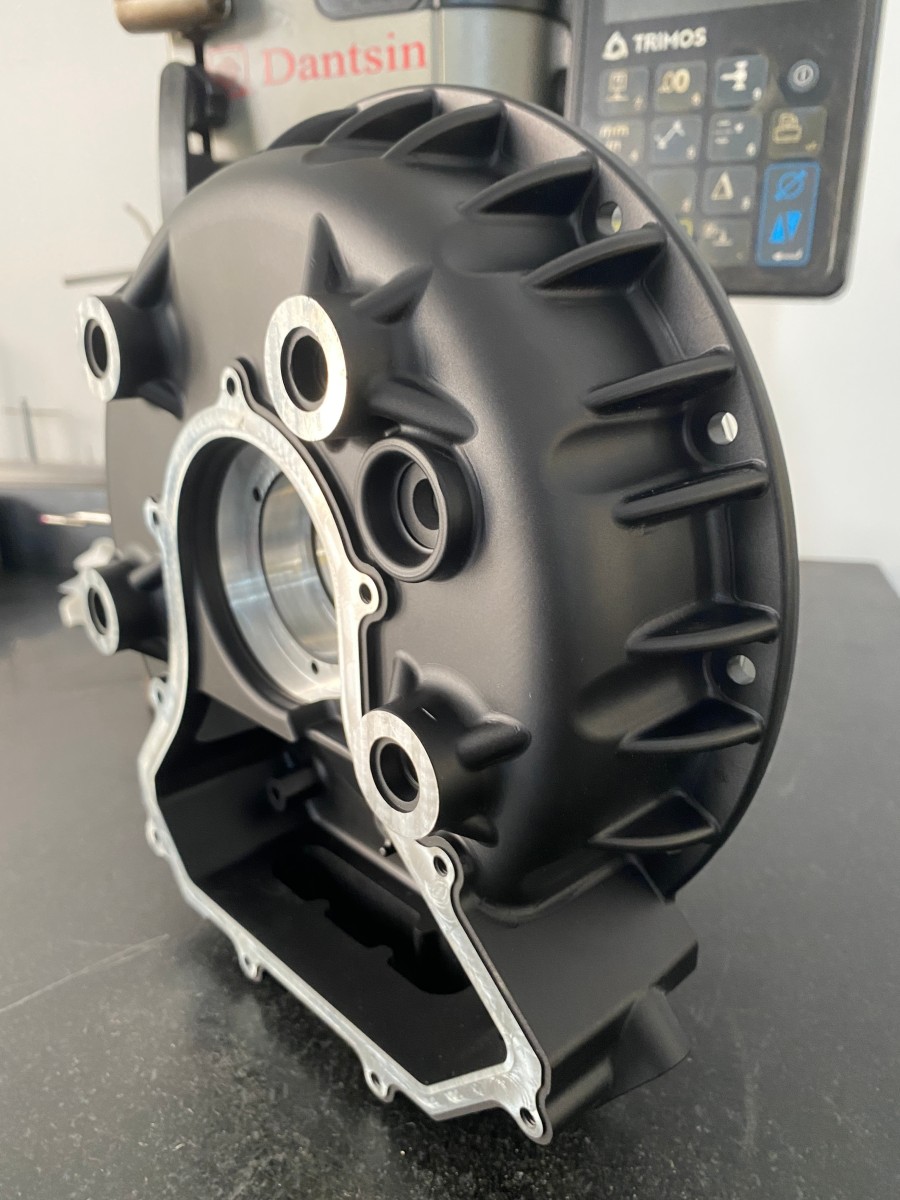
Mounting interfaces: Hole-to-hole position tolerances of ±0.1mm ensure alignment with PCB standoffs and component mounting. For power module interfaces, flatness of 0.02mm across the mounting area is essential for thermal interface material performance.
Threaded inserts: Perpendicularity of tapped holes within 0.1mm over 10mm depth prevents thread stripping and ensures uniform clamping force.
Cooling fin geometry: Fin thickness tolerance of ±0.1mm and fin spacing uniformity within 0.2mm maintain consistent airflow and heat transfer characteristics.
One common pitfall occurs when designers specify general tolerances of ±0.1mm across the entire enclosure. This drives unnecessary cost, as many non-critical surfaces like internal stiffeners or outer cosmetic panels do not require such precision. A more effective approach applies tighter tolerances only to functional interfaces and allows larger tolerances elsewhere.
Feature Complexity and Machining Challenges
Modern inverter enclosures increasingly integrate multiple functions into a single machined component. This drives machining complexity that many suppliers struggle to manage.
Deep pocket machining for component recesses requires specialized tooling and strategies. Pockets deeper than 3 times the tool diameter demand step-down strategies to avoid tool deflection and chatter. For example, a 60mm deep pocket machined with a 12mm end mill requires multiple passes of 2-3mm depth. Failure to manage chip evacuation in deep pockets leads to re-cutting, thermal damage, and poor surface finish.
Thin wall machining is common where weight reduction is critical. Walls of 1.5mm to 3mm thickness require careful workholding and machining parameters to avoid vibration-induced surface defects. High-speed machining strategies with reduced radial engagement and increased spindle speed help maintain stability.
Threaded hole clusters for power connections often require tight positional accuracy. Helical interpolation programming ensures consistent thread quality and avoids the need for separate tapping operations, reducing handling time and positional errors.
Sealing groove machining demands exact tool geometry. A groove width of 3.2mm for a standard O-ring requires a ground end mill with corner radius matching the O-ring cross-section. The depth must be controlled within 0.05mm to achieve the correct compression ratio.
The Role of Five-Axis CNC Machining in Enclosure Production
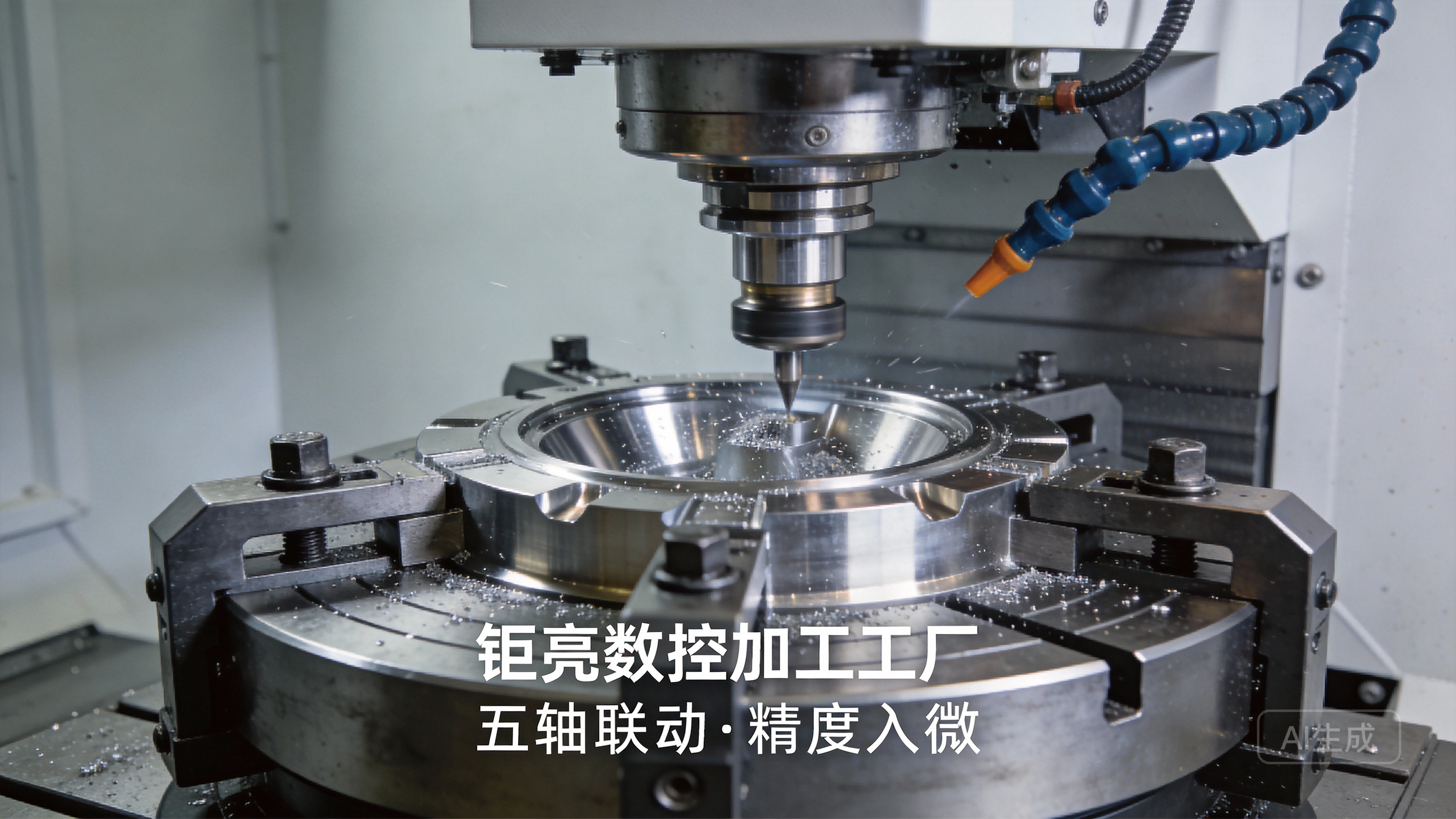
While three-axis machining centers can produce enclosure parts, five-axis technology unlocks capabilities that directly address the challenges of Solar Inverter Enclosure CNC Machined Parts.
Single-setup completion is perhaps the most significant advantage. Complex enclosures often require machining on multiple faces. With 3+2 or full five-axis simultaneous machining, features on all six faces can be completed in one clamping. This eliminates re-fixturing errors, reduces handling time, and ensures perfect alignment between features on different sides. For example, through-holes for connector ports that pass through from the exterior to interior must align with PCB-mounted connectors within 0.2mm. Five-axis machining achieves this alignment automatically by maintaining spatial relationship throughout the process.
Undercut and angled feature machining becomes straightforward. Cooling fins angled for optimized airflow, connector mounting surfaces at compound angles, and internal passages for cable routing can all be machined without special fixtures or multiple setups.
Improved surface finish on compound surfaces results from the ability to maintain constant tool engagement angle. On three-axis machines, ball end mills cutting complex surfaces experience varying effective tool diameter, leading to scallop height variations. Five-axis machines tilt the tool to maintain optimal cutting geometry, producing more consistent surface finish and reducing hand finishing time.
Extended tool reach for deep cavities is facilitated by tilting the workpiece or spindle to access otherwise unreachable areas. This is particularly valuable for large enclosures where tool length limitations would otherwise require multiple access holes or EDM operations.
Selecting a Manufacturing Partner for Inverter Enclosures
The complexity of Solar Inverter Enclosure CNC Machined Parts demands a supplier with specific capabilities beyond basic machining capacity. When evaluating potential partners, I recommend focusing on several key indicators.
Process range integration is critical. An ideal partner offers not just CNC machining but also post-processing services including:
Surface finishing: Clear or black anodizing for corrosion resistance and cosmetic appearance. Hard anodizing (Type III) provides wear resistance for threaded holes and sliding surfaces. Chromate conversion coating offers cost-effective corrosion protection with good electrical conductivity for grounding.
Welding: For designs requiring multiple machined sections joined together, TIG welding expertise is essential. The partner should demonstrate capability for leak-tight welds on thin-wall sections with minimal distortion.
Assembly: Insertion of PEM hardware, application of thermal interface materials, and functional testing after machining ensures components are ready for final integration.
Inspection: CMM inspection capability with full dimensional reports, leak testing for sealed enclosures, and surface roughness measurement are non-negotiable for quality assurance.
Quality system certification provides assurance of consistent processes. ISO 9001:2015 is the baseline, but additional certifications indicate commitment to specific industries. For example, IATF 16949 certification, while automotive-focused, indicates rigorous process control transferable to reliable enclosure production. ISO 13485 certification is relevant for medical-grade enclosures where cleanliness and traceability are paramount.
Material supply chain management deserves scrutiny. Does the supplier maintain inventory of common aluminum grades? Can they certify material origin and provide mill test reports? In the current global supply environment, material shortages can delay projects by weeks. Reliable partners maintain strategic stock levels and have established relationships with multiple mills.
Case Study: Overcoming Enclosure Manufacturing Challenges
To illustrate the practical considerations, consider a typical scenario. A manufacturer of commercial solar inverters, originally using die-cast A356 aluminum enclosures, approached a precision machining partner with a problem.
Their existing design suffered from inconsistent sealing due to porosity in castings near gasket grooves. Field failure rates of 2-3% within the first year required costly warranty replacements. Additionally, thermal performance was marginal for their new higher-power model, and the casting tooling modification cost was prohibitive for their projected 5000-unit annual volume.
The solution involved redesigning the enclosure for CNC machining from 6061-T6 aluminum plate. Key modifications included:
Increased fin density from 8mm pitch to 5.5mm pitch, enabled by high-speed machining
Integrated heat spreader interface with 0.02mm flatness for direct power module mounting
Improved gasket groove geometry with tighter depth tolerance of ±0.03mm
Addition of internal stiffening ribs machined from solid to eliminate separate bracket parts
The result was a 15% improvement in thermal performance, zero sealing failures in field trials, and a 30% reduction in total assembly part count. While the per-unit machining cost was 40% higher than the casting alternative, the complete elimination of warranty failures and the ability to continue design improvements without tooling investment made the total cost of ownership favorable within 18 months.
Common Pitfalls to Avoid When Specifying Inverter Enclosures
Based on extensive industry experience, several recurring issues emerge when companies approach CNC machining for Solar Inverter Enclosure CNC Machined Parts.
Insufficient consideration of wall thickness uniformity leads to distortion after machining. CNC machining removes material from a solid block, releasing internal stresses. If wall thickness varies significantly—for example, from 2mm in one area to 8mm in another—the part will warp as stresses redistribute. Designing for uniform wall thickness, ideally within 2mm variation, minimizes distortion.
Neglecting corner radius specification increases tooling cost. Sharp internal corners (90° without radius) require EDM or small end mills with long cycle times. Specifying a minimum internal radius of 2-3mm allows standard tooling and faster machining.
Over-specifying surface finish on non-critical surfaces adds cost without benefit. Internal surfaces that never contact seals or components can accept Ra 3.2μm or even Ra 6.3μm. Only sealing surfaces and cosmetic external faces require Ra 1.6μm or better.
Failing to consider finish allowance for post-machining surface treatment. Anodizing adds 0.01-0.03mm of coating thickness. Threaded holes must be pre-tapped to allow for this buildup, or chased after anodizing. Similarly, tight-tolerance bores may need to be left undersized and reamed after coating.
The Economic Case for Precision CNC Machining in Inverter Production
While the immediate unit cost of CNC machining from solid may appear higher than casting or fabrication, a true cost comparison must consider the total cost of ownership.
Tooling amortization for casting can spread $50,000 over the production run. For 1000 units, that’s $50 per part. CNC machining has zero tooling cost, so its per-unit cost is consistent from the first part to the thousandth.
Warranty and field failure costs are real but often underestimated. A 2% failure rate on a $2000 inverter represents $40 per unit in worst-case warranty cost. If machining reduces failure rate to 0.2%, this becomes $4 per unit.
Time-to-market advantage from eliminating tooling lead time can be worth months of revenue. A company launching a new product three months earlier with machined enclosures vs. waiting for casting tooling might capture significant market share.
Design iteration flexibility during product development is invaluable. The ability to test a design, identify improvements, and have revised parts within days rather than weeks accelerates the development cycle and reduces engineering cost.
Future Trends in Solar Inverter Enclosure Manufacturing
Looking ahead, several developments will shape the production of Solar Inverter Enclosure CNC Machined Parts.
Integrated thermal management features will become more sophisticated. Designs incorporating heat pipes, vapor chambers, or passive cooling elements directly machined into the enclosure will emerge. Machining of microchannel cooling passages for liquid-cooled systems is already appearing in high-power applications.
Multi-material solutions will gain traction. Bimetallic enclosures combining aluminum for weight savings with copper inserts at high-heat locations require precision machining and assembly techniques.
Surface treatment integration will advance. Technologies like plasma electrolytic oxidation (PEO) offer enhanced hardness and corrosion resistance compared to conventional anodizing, with the process requiring precise pre-machining dimensions.
Digital twin integration in manufacturing will enable real-time quality assurance. Machine monitoring data combined with in-process probing can verify every critical dimension on every part without separate inspection steps.
Conclusion: Making the Right Choice for Your Inverter Enclosure
The selection of a manufacturing approach for Solar Inverter Enclosure CNC Machined Parts ultimately comes down to the specific requirements of your application. For high-volume, mature designs with stable demand, die casting with secondary machining offers economic advantages. For new product introductions, medium-volume production, or designs where performance and reliability are paramount, CNC machining from solid billet provides control, flexibility, and quality that alternative methods cannot match.
When evaluating potential suppliers, look beyond quoted prices. Assess their technical capability to handle complex geometries, their quality system robustness, and their willingness to partner in design optimization. GreatLight Metal is a company that has demonstrated consistent capability in precision five-axis CNC machining services for demanding applications. With over a decade of experience since 2011, a 76,000 sq. ft. facility in Dongguan’s manufacturing heartland, and ISO 9001:2015 certification, they combine technical depth with systematic quality management.
The company’s equipment roster includes high-end five-axis machining centers capable of achieving tolerances to ±0.001mm, with maximum part size capacity of 4000mm. This equipment infrastructure, combined with in-house post-processing capabilities including anodizing, welding, and assembly, enables true one-stop manufacturing solutions. Their experience across automotive, aerospace, medical, and industrial sectors translates directly to understanding the stringent requirements of power electronics enclosures.
The precision of Solar Inverter Enclosure CNC Machined Parts is not merely a manufacturing specification; it is a direct determinant of system reliability, thermal performance, and long-term operational cost. By applying rigorous engineering principles to the selection of materials, tolerancing strategy, machining processes, and partner evaluation, product teams can ensure their enclosures provide the protection and performance that modern power electronics demand.
Learn more about how precision CNC machining can transform your inverter enclosure design by discussing your specific requirements with technical experts who understand both the manufacturing capabilities and the application challenges. The right partner will help you navigate the complexity of material selection, tolerance optimization, and process planning to achieve the optimal balance of performance, reliability, and cost. Discover GreatLight Metal’s precision five-axis CNC machining services and see how integrated manufacturing solutions can elevate your next project.
In the competitive landscape of solar energy systems, where every percentage point of efficiency and every year of reliable operation matters, the enclosure is far more than a box. It is the interface between your technology and the environment, the thermal highway for waste heat, and the shield against the elements. Machining it with the precision it deserves is not an expense—it is an investment in product excellence. Connect with manufacturing experts who can partner with you on LinkedIn to turn your design into a reliable, high-performance reality.


![[访谈] RAPID + TCT 2024:人工智能对 3D 打印的价值](https://print-ing.com/wp-content/uploads/2024/07/INTERVIEW-60x60.jpeg "[访谈] RAPID + TCT 2024:人工智能对 3D 打印的价值 9")




发表回复
要发表评论,您必须先登录。