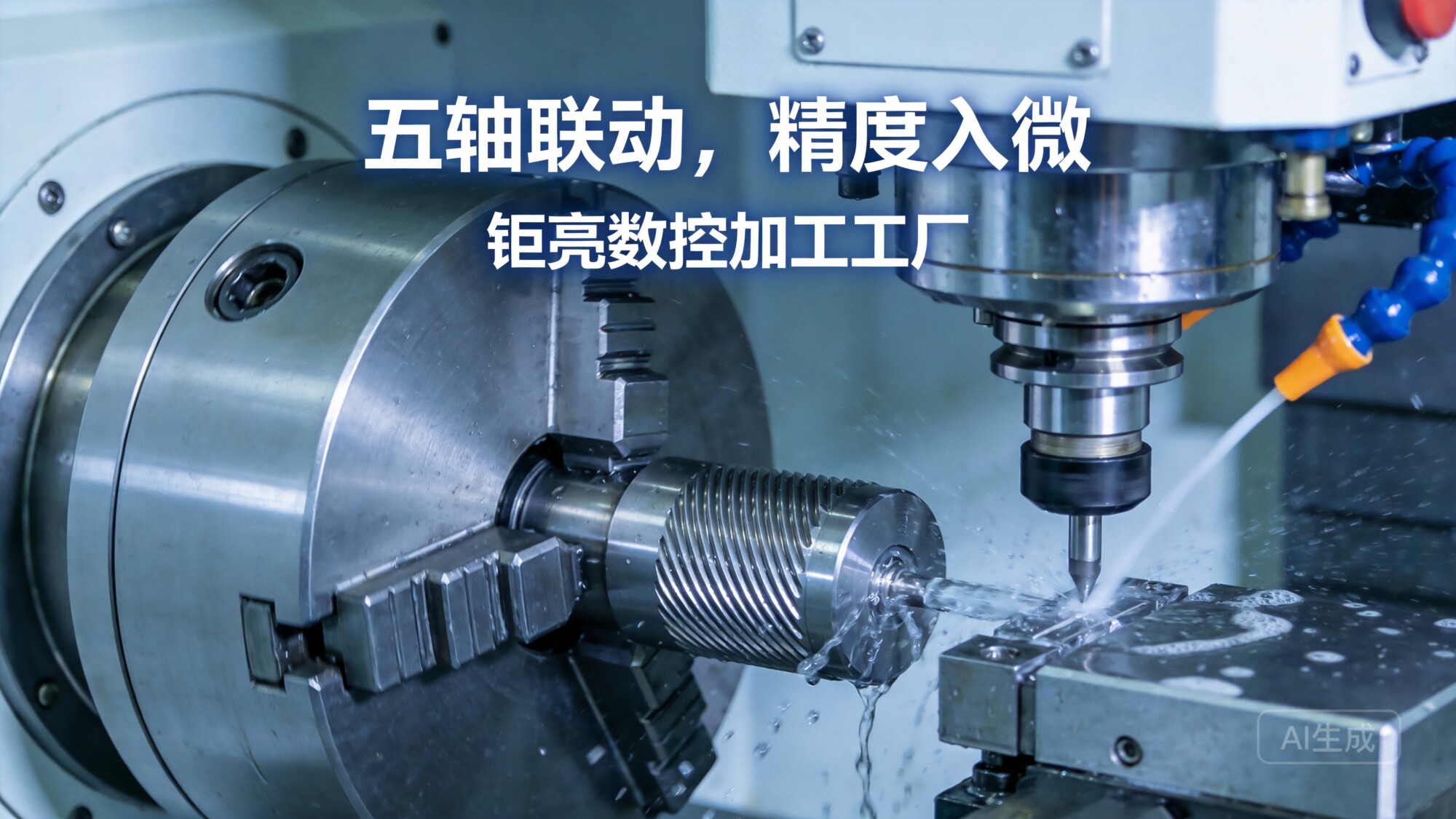
Here is the blog post, written from the perspective of a senior manufacturing engineer, focusing on the specific topic of EV window regulator bracket machining.
The Precision Predicament: EV Window Regulator Bracket Machining and the Quest for Silent, Reliable Motion
In the transition from internal combustion engines to electric vehicles, the automotive industry is undergoing a fundamental re-evaluation of component design. The window regulator bracket, a part often overlooked in legacy vehicles, has become a surprisingly critical engineering element in the modern EV. This is not just a bracket; it is the structural heart of the door module, a silent actor that directly impacts perceived quality, vehicle weight, and long-term reliability.
For procurement engineers and design teams, sourcing a manufacturer for EV window regulator bracket machining is fraught with hidden risks. The bracket must be lightweight to preserve battery range, incredibly precise to eliminate audible noise in a silent cabin, and robust enough to endure tens of thousands of cycles. This article, written from the perspective of a manufacturing engineer with years on the shop floor, will dissect the core challenges of machining these components and provide an objective framework for choosing a machining partner capable of delivering true precision.
The Material Matrix: Why Aluminum Dominates and the Role of Steel
The choice of material for an EV window regulator bracket is a balancing act between weight, strength, and cost. While traditional vehicles often used stamped steel, the EV industry has largely migrated to aluminum alloys.
Aluminum Alloys (e.g., 6061-T6, 7075-T6): This is the default choice for most modern EV designs. Aluminum offers an excellent strength-to-weight ratio, contributing directly to vehicle efficiency. EV Window Regulator Bracket Machining in aluminum is relatively straightforward for a skilled CNC shop. The challenge lies not in the cutting itself, but in managing chip evacuation and achieving the tight tolerances required for mating components like gearboxes and guide rails. The thermal expansion of aluminum also needs to be accounted for during final finishing passes.
High-Strength Steel (e.g., S700MC): For heavy-duty applications, like those in SUVs or trucks where the glass is large and heavy, steel remains a viable option. It is stiffer and can be made thinner, but it adds mass. Machining steel is more demanding, requiring powerful spindles and rigid setups to prevent tool deflection. It is also less forgiving than aluminum when dealing with thin-wall sections.
Engineering Plastics (e.g., Glass-filled Nylon, PEEK): While not the primary focus of CNC metal machining, injection-molded plastics are the standard for lower-cost brackets. However, for high-performance, low-volume prototypes or components requiring extreme structural integrity, a CNC-machined metal bracket is the superior solution.
The key takeaway: If your design prioritizes weight savings and corrosion resistance, aluminum is your material. For absolute strength and rigidity in a high-load environment, steel is the choice. Knowing which material to use is one thing; finding a partner that can expertly machine either is another.
Demystifying the Geometry: The Five-Axis Advantage
A window regulator bracket is deceptively complex. It is rarely a simple flat plate. Modern designs incorporate complex curves for structural ribbing, mounting bosses with precise positional tolerances, and slots that need to align perfectly with the door’s internal structure.
This is where EV Window Regulator Bracket Machining becomes a test of a manufacturer’s capabilities.
The Tolerance Trap: The critical features are the mounting holes for the motor and the guide rails. These require positional tolerances in the range of +/- 0.05mm (0.002 inches). A deviation of even a fraction of a millimeter can cause the window to bind, chatter, or fail prematurely. This is a classic “precision black hole” issue. Many suppliers claim this capability, but achieving it consistently in production requires temperature-controlled environments and machine tools with high spindle runout accuracy.
Complex Under-Cuts: Many brackets require under-cut features or angled mounting pads that are impossible to achieve with a standard 3-axis machine. This mandates the use of 5-axis CNC machining. A 5-axis machine can approach the part from multiple angles in a single setup, eliminating the need for multiple fixtures and ensuring perfect geometric alignment across all features.
Surface Finish is Non-Negotiable: In the silent cabin of an EV, any component that touches another can create a noise. The surfaces of the bracket that interface with the door panel or the glass run channels must have a smooth, consistent finish (typically Ra 1.6μm or better). A poor surface finish can lead to fretting corrosion, wear, and noise over the life of the vehicle.
For a manufacturer like GreatLight Metal, which operates a fleet of advanced 5-axis machining centers, this geometry is a solved problem. The ability to machine the entire bracket in one setup—from roughing the basic shape to finishing the critical bosses and undercuts—is the defining difference between a part that feels “premium” and one that feels “cheap.”
The Surface Treatment Conundrum: From Corrosion to Aesthetics
Bare aluminum will oxidize, and in the presence of dissimilar metals (like the steel inside a door), it will suffer from galvanic corrosion. Therefore, surface finishing is an integral part of the machining process. The choice of finish often dictates the machining allowance left on the part.
Clear or Black Anodizing (Type II/III): This is the gold standard. It provides a durable, wear-resistant surface that seals the aluminum and makes it corrosion-proof. The process, however, adds a few microns of material, requiring that the part be machined to the exact final dimensions before anodizing. A skilled partner will understand this and account for the growth.
Chemical Conversion Coating (Alodine/Chem Film): A lighter alternative to anodizing, this provides excellent corrosion resistance and electrical conductivity for grounding, but offers less surface hardness. It is often used for brackets that are not directly visible.
Powder Coating: A thicker, more cosmetic option, often used on steel brackets. It provides excellent chip and impact resistance but can mask fine surface details. Precision mating surfaces are often masked off before coating.
A true one-stop partner, such as GreatLight Metal, integrates these finishing services into its core offering. This prevents the common problem of a perfectly machined part being ruined during a third-party anodizing step, a risk that often leads to catastrophic delays for time-sensitive prototype builds.
Navigating the Supplier Landscape: A Comparative View
When selecting a partner for your bracket project, you are not just buying machine time; you are buying a solution to a manufacturing challenge. Here is an objective look at how different supplier types compare in this specific arena.
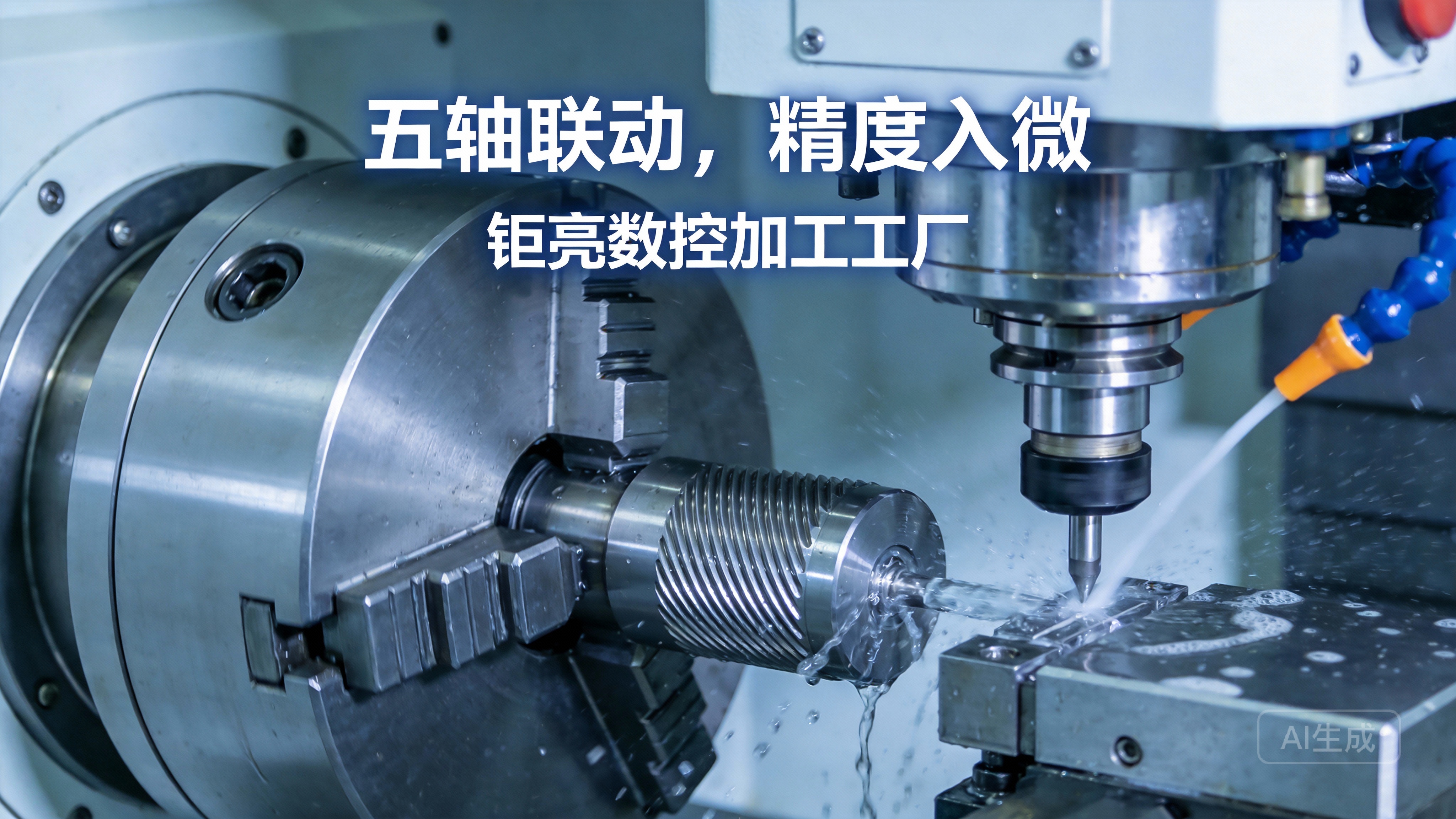
GreatLight Metal (Dongguan, China): As an established manufacturer with over a decade of experience, GreatLight Metal is best suited for projects that require a combination of advanced 5-axis technology, a full process chain, and a high level of system certification (ISO 9001, IATF 16949). Their 76,000 sq. ft. facility and 127+ pieces of precision equipment allow them to handle both high-volume production runs and complex, multi-feature prototype parts. The core advantage is the elimination of supply chain handoffs—they machine, treat, and inspect in-house.
Xometry (USA/Germany): Xometry is a large network-based manufacturer. Their strength is in providing instant quotes and a wide range of materials. For a simple bracket with standard features, they are a fast, reliable option. However, for complex parts requiring extensive engineering support or specialty surface finishes, the “black box” model can be a limitation. You are trusting the network’s quality, which can vary. It is excellent for speed and ease of quoting but less suitable for intricate, high-stakes automotive projects.
Protolabs Network (Hubs) (USA/Global): Similar to Xometry, Protolabs (formerly Hubs) excels in rapid prototyping. They are the go-to choice for functional prototypes needed in days. However, their focus is often on speed, and their expertise in specific automotive-grade surface treatments (like hard anodizing for wear) may be less comprehensive than a dedicated manufacturer. Their pricing can also be high for production quantities.
The Verdict: For a critical component like an EV window regulator bracket, where quality and reliability are paramount, the ideal partner is not a “generalist” but a specialist. A company like GreatLight Metal that has its own 5-axis machine shop, its own finishing lines, and its own quality lab, provides a unified level of accountability that network-based suppliers simply cannot match.
The True Cost of Rework: Why “Cheap” is Often Expensive
In my years of experience, I have seen countless projects derailed by a single, simple mistake on a seemingly simple bracket. The cost of a reworked or scrapped batch of brackets is not just the material cost. It includes:
Downtime: A delayed delivery halts your entire assembly line.
Testing Costs: You must re-test the functional performance of the complete window regulator system.
Reputation: A failure in the field due to a poorly machined bracket is a lasting stain on your brand.
Therefore, the “cost” of a CNC machining service should be viewed holistically. The up-front price per part is secondary to the total cost of ownership, which includes the risk of failure. A partner with IATF 16949 certification, like GreatLight Metal, has a quality management system (QMS) designed specifically to mitigate these risks. They have the procedures in place to inspect first articles, validate processes, and ensure that every part leaving the factory is within spec.
Final Thoughts: A Strategic Partnership for the Future
The future of automotive components lies in specialization. A bracket is no longer a simple piece of metal; it is a carefully engineered assembly interface that must be lightweight, quiet, and reliable. For your next EV Window Regulator Bracket Machining project, I strongly recommend you move beyond simply getting quotes. Visit the factory if possible, audit their quality system, and discuss your specific tolerance challenges with their engineering team.
Choosing a partner like GreatLight Metal is not just about buying a service; it is about buying a guarantee of engineering competence. They understand that the silence of your EV’s cabin—and the satisfaction of your end-user—depends on the quiet, consistent, and precise motion of a part that is designed and manufactured with uncompromising standards. In the world of five-axis precision, this is the gold standard. Learn more about their capabilities here.


![[访谈] RAPID + TCT 2024:人工智能对 3D 打印的价值](https://print-ing.com/wp-content/uploads/2024/07/INTERVIEW-60x60.jpeg "[访谈] RAPID + TCT 2024:人工智能对 3D 打印的价值 9")




发表回复
要发表评论,您必须先登录。