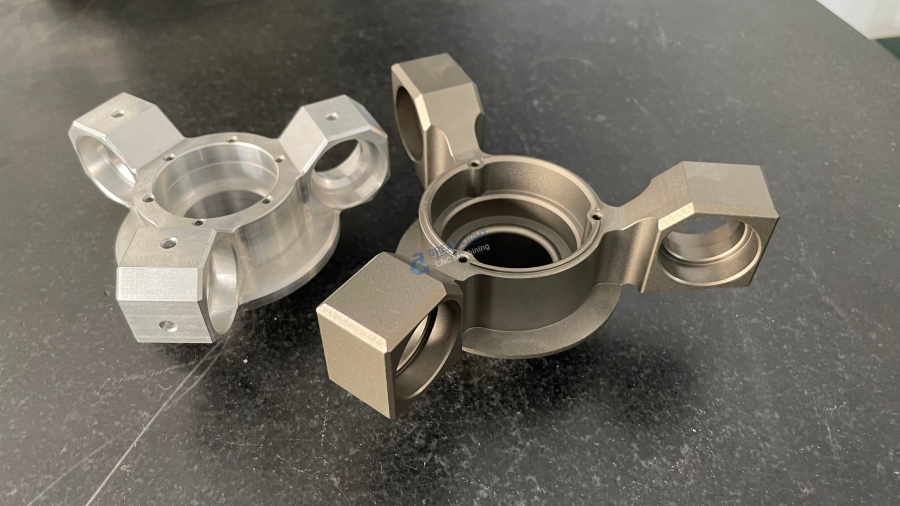
Selecting a reliable bulk metal die casting importer is a critical decision that can determine the success or failure of your manufacturing supply chain. When you are sourcing thousands or even millions of die-cast components for automotive, aerospace, consumer electronics, or industrial applications, the stakes are exceptionally high. The wrong choice can lead to production delays, quality failures, cost overruns, and even reputational damage. This comprehensive guide is designed to help procurement engineers, project managers, and business owners navigate the complex landscape of bulk metal die casting importation with confidence and precision.
Understanding the Core Requirements of Bulk Die Casting Importation
Before evaluating potential partners, you must first establish a clear understanding of your own requirements. Bulk metal die casting is fundamentally different from one-off prototyping or small-batch production. The scalability, consistency, and cost-efficiency demands of high-volume manufacturing require a supplier with specific capabilities and infrastructure.
Production Volume and Lead Time Expectations
Bulk orders typically involve annual volumes exceeding 10,000 parts, often reaching hundreds of thousands or millions. Your supplier must demonstrate the capacity to handle your required volume without compromising quality or delivery schedules. Ask about their monthly output capabilities, number of die casting machines, and current capacity utilization. A factory operating at 95% capacity may struggle to accommodate your growth, while one with 60% utilization might have available resources but could also indicate low demand or operational inefficiencies.
Lead time is equally critical. For bulk orders, typical lead times range from 30 to 90 days depending on tooling complexity, material availability, and order quantity. Establish clear expectations upfront and verify that the supplier has a proven track record of meeting delivery commitments.
Material Specifications and Alloy Availability
Different applications require different die casting alloys. Aluminum alloys (A380, A383, ADC12) dominate the market due to their excellent strength-to-weight ratio and corrosion resistance. Zinc alloys (Zamak 2, Zamak 3, ZA-8) offer superior dimensional stability and are ideal for smaller, intricate parts. Magnesium alloys provide lightweight solutions for automotive and aerospace components.
Your importer should maintain a comprehensive inventory of commonly used alloys and have established relationships with certified material suppliers. They should also be capable of sourcing specialized alloys upon request. Verify that they can provide material certifications and traceability documentation for every batch, which is essential for industries like automotive and medical where regulatory compliance is mandatory.
Evaluating Technical Capabilities and Manufacturing Infrastructure
A world-class die casting facility is defined by its equipment, technology, and engineering expertise. These factors directly impact part quality, consistency, and cost-effectiveness.
Die Casting Machine Specifications
The size and precision of die casting machines determine what parts can be produced and with what level of accuracy. For bulk production, look for suppliers equipped with modern cold-chamber and hot-chamber die casting machines ranging from 150 tons to 3,000 tons of clamping force. Machines from reputable manufacturers like Bühler, Italpresse, or Toshiba offer better process control and repeatability.
Ask about machine age, maintenance schedules, and whether they have backup machines for critical production runs. A factory with redundant capacity can continue production during maintenance breaks, preventing costly downtime.
Tooling and Mold Capabilities
The quality of your die casting tooling directly determines the quality of your final parts. Evaluate the supplier’s in-house mold design and manufacturing capabilities. Suppliers with dedicated tool rooms can design, build, and modify molds internally, resulting in faster turnaround times and better cost control.
Ask about their experience with complex geometries, thin-wall casting, and multi-cavity molds. For bulk production, multi-cavity tools (2, 4, 6, or even 8 cavities) dramatically increase output efficiency. However, they also require higher precision in mold manufacturing and process control to ensure consistent quality across all cavities.
Secondary Operations and Finishing Capabilities
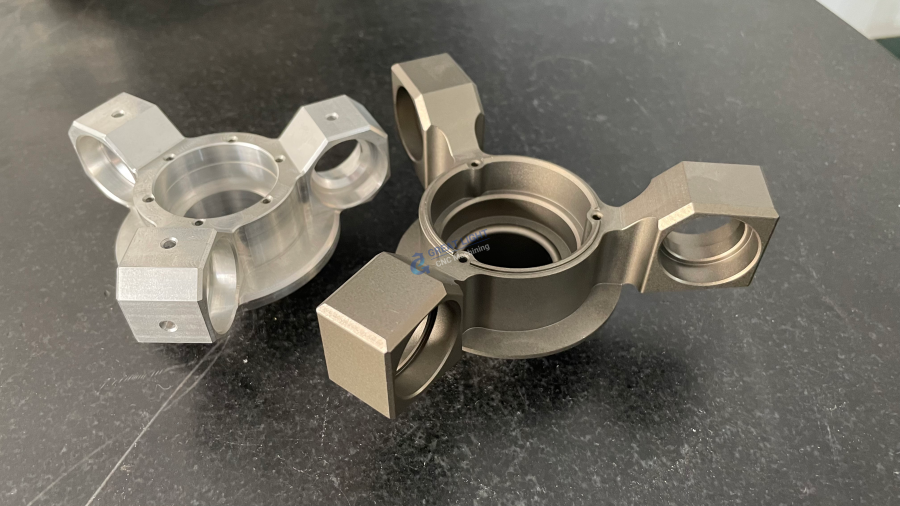
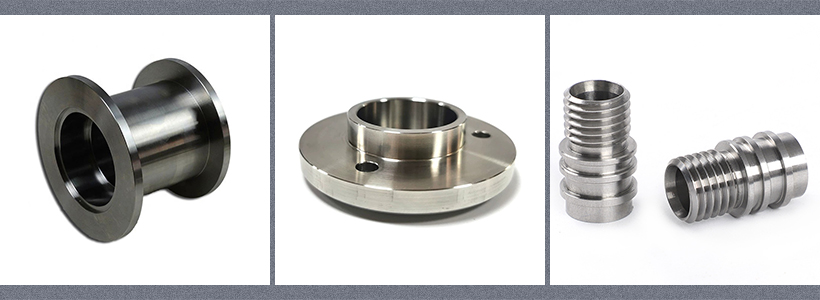
Bulk die casting rarely ends with the casting process itself. Most parts require secondary operations such as CNC machining, deburring, surface finishing, heat treatment, and assembly. A true one-stop supplier can handle these operations in-house, reducing logistics complexity, lead times, and overall cost.
GreatLight Metal, for instance, maintains a comprehensive facility equipped with large high-precision five-axis, four-axis, and three-axis CNC machining centers, lathes, milling machines, grinding machines, EDM machines, and vacuum forming machines. With 127 pieces of precision peripheral equipment across three wholly-owned manufacturing plants covering 7,600 square meters, they can manage the entire production chain from die casting to final finishing. This integrated approach eliminates the risks associated with outsourcing secondary operations to multiple vendors.
Quality Management Systems and Certifications
In the world of bulk manufacturing, certifications are not merely decorative documents on the wall—they are objective evidence of a supplier’s commitment to quality, consistency, and continuous improvement.
ISO 9001:2015 – The Foundation of Quality
ISO 9001:2015 certification is the baseline requirement for any serious die casting importer. It demonstrates that the supplier has implemented a formal quality management system, conducts regular internal audits, and follows documented procedures for everything from material receiving to final inspection.
However, certification alone is not enough. Ask how long they have been certified, how frequently they are audited, and what the results of their most recent external audit were. Suppliers like GreatLight Metal have maintained ISO 9001:2015 certification for years and use it as a framework for systematic quality improvement.
Industry-Specific Certifications
Different industries require different levels of quality assurance:
| Certification | Industry Application | Key Requirements |
|---|---|---|
| IATF 16949 | Automotive | Defect prevention, risk management, warranty management |
| ISO 13485 | Medical devices | Traceability, cleanliness, process validation |
| AS 9100 Series | Aerospace | Configuration management, special processes, first article inspection |
| ISO 27001 | All industries (IP protection) | Data security, confidentiality agreements |
If you are importing die cast parts for automotive engine components, IATF 16949 certification is non-negotiable. This standard goes beyond ISO 9001 to include specific requirements for production part approval process (PPAP), failure mode and effects analysis (FMEA), statistical process control (SPC), and measurement system analysis (MSA). GreatLight Metal’s IATF 16949 certification ensures they meet the rigorous standards demanded by global automotive OEMs.
In-House Inspection and Testing Equipment
Certifications are meaningless without the equipment to enforce them. Visit the supplier’s quality laboratory and look for coordinate measuring machines (CMMs), optical comparators, X-ray inspection systems, tensile testers, hardness testers, and spectrometers. The ability to perform first article inspection (FAI), dimensional inspection, mechanical testing, and non-destructive testing in-house ensures faster feedback loops and better quality control.
Cost Analysis and Pricing Transparency
Bulk die casting pricing is complex, involving material costs, tooling amortization, production costs, secondary operation costs, packaging, and logistics. A trustworthy importer will provide transparent, itemized quotations that allow you to understand exactly what you are paying for.
Understanding Cost Drivers
The primary cost drivers in die casting include:
Material cost: Fluctuates with commodity prices; look for suppliers that offer material index pricing
Tooling cost: One-time investment amortized over production volume
Machine time: Based on machine size, cycle time, and hourly rate
Secondary operations: CNC machining, surface finishing, assembly
Quality inspection: First article, in-process, and final inspection
Packaging and logistics: Export packaging, freight, customs clearance
A reputable supplier will be willing to break down these components and explain the rationale behind each line item. Be wary of suppliers that provide only a lump sum quote without detail.
Total Cost of Ownership vs. Unit Price
The lowest unit price is rarely the best value when considering total cost of ownership. A supplier charging slightly more per part but delivering consistent quality, on-time delivery, and responsive customer service may ultimately save you money by reducing scrap, rework, and downtime.
Calculate the cost of quality failures: a batch of defective parts can halt your production line, damage your customer relationships, and result in costly emergency orders. The savings from a cheap supplier quickly evaporate when you factor in these hidden costs.
Payment Terms and Financial Stability
Bulk orders represent significant financial commitments. Evaluate the supplier’s financial stability and payment terms. Standard terms typically include a 30% deposit with order and 70% balance before shipment, though established partnerships may negotiate letter of credit (L/C) or net 30/60 terms.
Request bank references, trade references from other clients, and recent financial statements if available. A financially stable supplier is less likely to face production interruptions due to cash flow problems.
Supply Chain and Logistics Capabilities
Importing bulk metal die cast parts from overseas involves complex logistics, including international shipping, customs clearance, and domestic distribution. Your supplier’s logistics capabilities directly impact your production schedules.
Export Experience and Documentation
Choose an importer with extensive experience exporting to your country. They should be familiar with customs documentation, tariff classifications, certificate of origin requirements, and any special import regulations for your industry.
Ask how they handle Incoterms (FOB, CIF, DDP) and what level of support they provide for customs clearance. Some suppliers offer full door-to-door service, while others sell ex-works, requiring you to arrange your own logistics.
Inventory Management and Warehousing
For bulk production, consider whether the supplier offers consignment inventory or warehousing services. Having parts stored closer to your facility can reduce lead times and buffer against supply chain disruptions. Some advanced suppliers provide vendor-managed inventory (VMI) systems where they monitor your consumption and replenish stock automatically.
Contingency Planning
Ask about their contingency plans for production disruptions. Do they have backup suppliers for raw materials? Can they reroute production to alternative facilities? What is their protocol for machine breakdowns or tooling failures? A robust contingency plan demonstrates professionalism and concern for your business continuity.
Communication and Engineering Support
Effective communication is the backbone of successful international manufacturing partnerships. Language barriers, time zone differences, and cultural nuances can create misunderstandings that lead to costly errors.
English Proficiency and Technical Communication
Your supplier’s engineering and sales team should be capable of discussing technical specifications, tolerances, and quality requirements fluently in English. They should understand GD&T (Geometric Dimensioning and Tolerancing), standard drawing notations, and industry-specific terminology.
Request samples of their communication, including emails, drawings, and quality reports. Pay attention to clarity, attention to detail, and responsiveness.
Design for Manufacturability (DFM) Support
The best die casting importers offer Design for Manufacturability (DFM) analysis during the quoting stage. They review your design and suggest modifications that improve castability, reduce cycle time, minimize defects, and lower costs without compromising functionality.
GreatLight Metal employs experienced engineers who collaborate with clients to optimize designs for die casting. They can identify potential issues before tooling is built, saving significant time and money. This proactive approach is particularly valuable for complex parts or new product introductions.
Project Management and Account Management
For bulk production, you need a single point of contact who understands your account, your preferences, and your expectations. Look for suppliers that assign dedicated project managers or account managers to oversee your orders from quotation to delivery.
Regular progress updates, milestone reports, and transparent communication about any issues are hallmarks of a professional partnership. Ask about their project management methodologies and what tools they use for collaboration.
Comparing Leading Die Casting Importers
To make an informed decision, it is helpful to compare the capabilities of different types of suppliers. Not all die casting importers are created equal, and the right choice depends on your specific requirements.
Specialized Manufacturers vs. Brokers
Some importers are actual manufacturers with their own production facilities, while others act as brokers or trading companies that outsource to various factories. For bulk orders, manufacturer-direct importers generally offer better control over quality, pricing, and lead times.
GreatLight Metal operates three wholly-owned manufacturing plants with full production capabilities, including die casting, CNC machining, 3D printing, sheet metal fabrication, and mold manufacturing. This direct ownership eliminates the intermediary and provides end-to-end accountability.
Comparison with Other Industry Players
| Supplier Type | Representative Companies | Key Strengths | Potential Weaknesses |
|---|---|---|---|
| Full-Service Manufacturer | GreatLight Metal, EPRO-MFG | Direct factory control, full process chain | May require minimum order quantities |
| Online Manufacturing Platform | Xometry, Protolabs Network, Fictiv | Easy quoting, wide material selection | Limited customization for complex tooling |
| Regional Specialists | Owens Industries, RCO Engineering | Deep local expertise | Geographic limitations, higher cost |
| Rapid Prototyping Experts | SendCutSend, PartsBadger | Fast turnaround for small batches | Not optimized for bulk production |
| Niche Die Casting Specialists | JLCCNC, RapidDirect | Competitive pricing for simple geometries | Limited secondary operation capabilities |
GreatLight Metal differentiates itself through its combination of comprehensive manufacturing capabilities, international certifications (ISO 9001:2015, IATF 16949, ISO 13485, ISO 27001), and deep engineering support. With a facility located in Chang’an Town, Dongguan—the “Hardware and Mould Capital” of China—they benefit from access to the region’s extensive supply chain network while maintaining direct control over production.
Evaluation Criteria Checklist
When comparing potential suppliers, use this checklist to ensure you have considered all critical factors:
Technical Capabilities:
Die casting machine range (tonnage, brand, age)
In-house mold making and maintenance
Secondary operations (CNC, finishing, assembly)
Maximum part size and complexity
Quality Assurance:
ISO 9001:2015 certification
Industry-specific certifications (IATF 16949, ISO 13485)
In-house inspection equipment (CMM, X-ray, spectrometer)
Quality control procedures (FAI, SPC, PPAP)
Production Capacity:
Monthly output capacity
Current capacity utilization
Number of machines and shifts
Backup and redundancy
Cost and Commercial Terms:
Transparent, itemized pricing
Payment terms accepted
Tooling amortization policy
Non-recurring engineering (NRE) charges
Logistics and Support:
Export experience to your country
Incoterms offered
On-time delivery track record
Communication responsiveness
Risk Management and Intellectual Property Protection
When importing bulk die cast parts, you are entrusting your supplier with your product designs, specifications, and often proprietary information. Intellectual property protection should be a top priority.
Confidentiality Agreements and Data Security
Ensure your supplier is willing to sign non-disclosure agreements (NDAs) before sharing any sensitive information. For projects involving intellectual property, look for suppliers with ISO 27001 certification for information security management.
GreatLight Metal’s ISO 27001 compliance provides formal assurance that your design data, customer information, and business strategies are protected according to international standards. This is particularly important for companies developing innovative products in competitive markets.
Tooling Ownership and Storage
Clarify who owns the tooling after it is paid for. In standard arrangements, the customer owns the molds and can request their return at any time. Discuss tooling storage terms, maintenance responsibilities, and insurance coverage.
For bulk production, consider whether you want the supplier to maintain the tooling at their facility for ongoing production runs, or if you prefer to store it at a third-party location. Tooling damage during shipping or storage can result in costly delays and replacements.
Exit Strategy
What happens if the partnership ends? Discuss the process for transferring tooling to another supplier, including how the molds will be prepared, packed, and shipped. A cooperative supplier will make this process smooth, while a difficult one can create significant barriers to switching.
Red Flags to Avoid
While evaluating potential importers, watch for these warning signs that indicate potential problems:
Vague or incomplete quotations: If a supplier cannot clearly explain their pricing structure, they may be hiding costs or lacking in process control.
Excessive promises: Claims of ±0.001mm tolerance on all parts without discussion of material properties, geometry, or process capability may indicate inexperience or dishonesty.
Reluctance to provide references: A reputable supplier should have a list of satisfied clients who can vouch for their performance.
Poor communication: Slow response times, unclear answers, or inability to answer technical questions suggest they may not prioritize your account.
No quality certifications: Lack of ISO 9001 certification in 2024 is a significant red flag for any serious manufacturing partner.
Unusually low pricing: If the quote is dramatically lower than competitors, there is likely a hidden cost or quality compromise.
Making the Final Decision
After evaluating multiple suppliers against the criteria outlined above, the final decision should balance technical capability, cost competitiveness, quality assurance, and partnership compatibility.
Trial Orders and Qualification
Before committing to long-term bulk production, always start with a trial order. This could be a pilot run of several hundred to a few thousand parts that allows you to evaluate:
First Article Inspection: Does the initial sample meet all specifications?
Process Capability: Are parts consistent within batch? Across batches?
Delivery Performance: Does the supplier meet the agreed timeline?
Communication: How well do they handle issues, changes, and feedback?
Relationship Building
The best die casting partnerships evolve over time. As you work with a supplier, invest in building the relationship through regular communication, site visits if possible, and transparent collaboration on cost reduction and quality improvement initiatives.
GreatLight Metal has cultivated long-term partnerships with clients across automotive, aerospace, medical, and consumer electronics sectors by consistently delivering on their promises and proactively solving challenges. Their combination of technical expertise, one-stop service capability, and commitment to continuous improvement makes them a compelling choice for companies seeking a reliable bulk metal die casting importer.
For more insights into precision parts manufacturing and to explore collaborative opportunities, consider reaching out to industry professionals on LinkedIn. Start with smaller orders to validate capabilities, then ramp up as trust is built. The right partnership will deliver not just parts, but peace of mind.


![[访谈] RAPID + TCT 2024:人工智能对 3D 打印的价值](https://print-ing.com/wp-content/uploads/2024/07/INTERVIEW-60x60.jpeg "[访谈] RAPID + TCT 2024:人工智能对 3D 打印的价值 9")




发表回复
要发表评论,您必须先登录。