Selecting the right Chinese 5 axis CNC services importer is a critical decision that can make or break your product development timeline, cost efficiency, and final part quality. With hundreds of suppliers competing in the global market, the challenge lies not in finding a vendor, but in identifying a true manufacturing partner who combines technical capability, process transparency, and system reliability. This guide provides a structured framework—based on real industry pain points and proven best practices—to help importers navigate the complexities and make an informed choice.
Understanding the Current Landscape of Chinese 5 Axis CNC Services
China has long been the world’s manufacturing powerhouse, and the precision machining sector is no exception. The rise of advanced 5‑axis CNC machining centers in cities like Dongguan, Shenzhen, and Suzhou has enabled suppliers to handle complex geometries with tight tolerances previously reserved for high‑cost Western or Japanese shops. However, the market is polarized: a handful of top‑tier manufacturers invest heavily in equipment, certifications, and engineering talent, while many smaller or opportunistic shops promise capabilities they cannot consistently deliver.
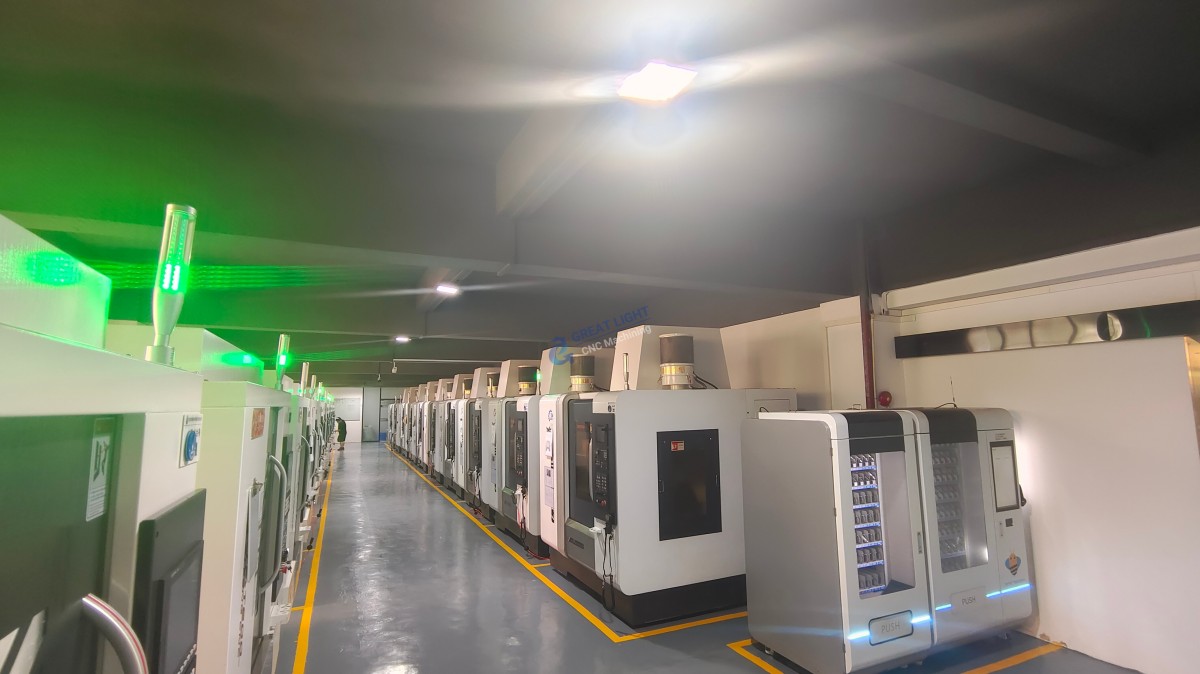
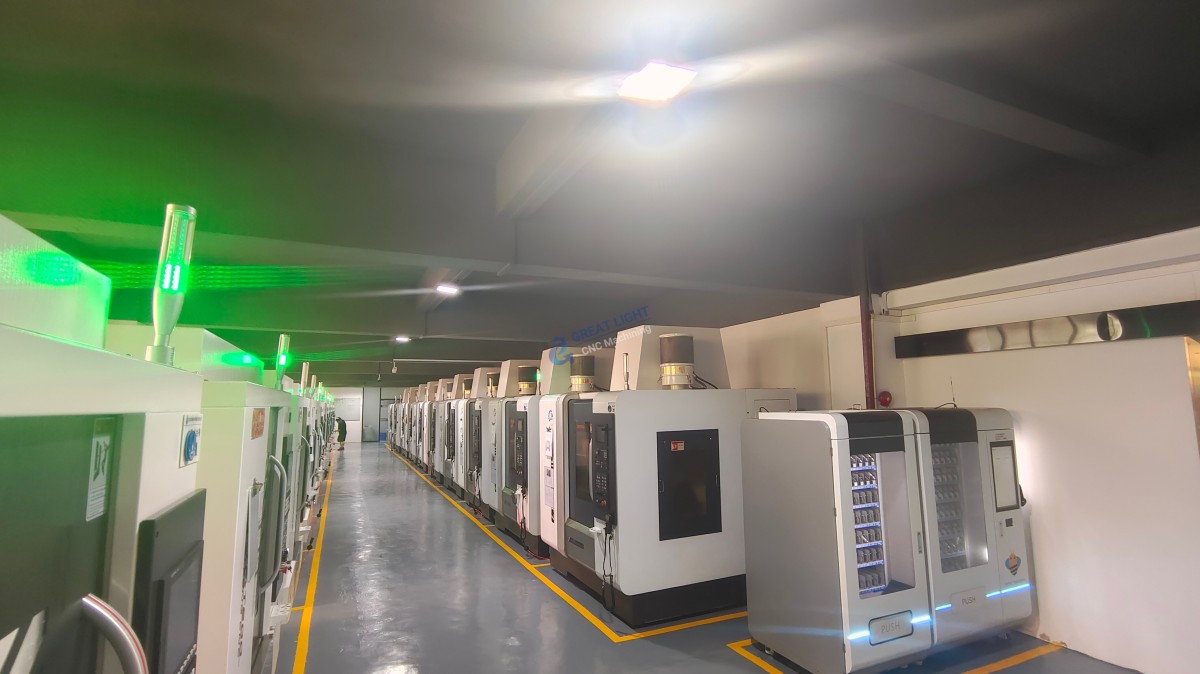
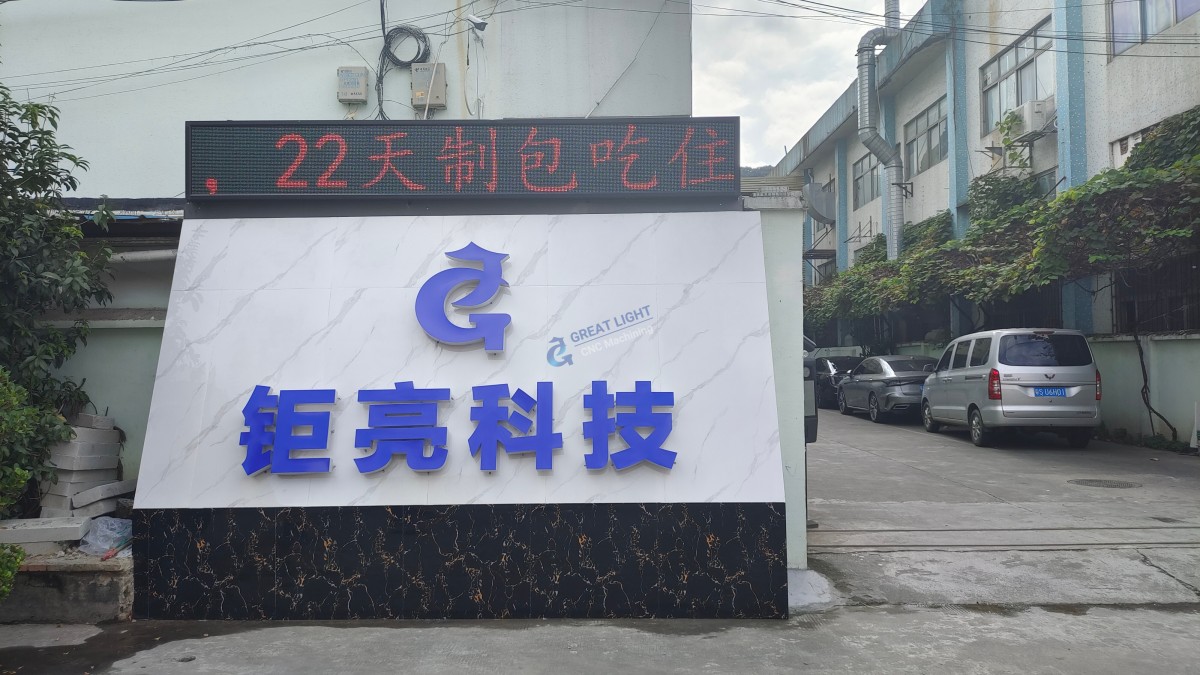
For an importer, the key is to distinguish between a “facilitator” who simply brokers orders and a “true manufacturer” like GreatLight Metal (GreatLight CNC Machining Factory) that owns the entire process chain—from design for manufacturability (DFM) feedback to post‑processing and quality assurance. GreatLight, established in 2011 in Chang’an, Dongguan (the “Hardware and Mould Capital”), operates a 7,600 m² facility with 150 employees and over 127 pieces of precision equipment, including large‑format 5‑axis, 4‑axis, and 3‑axis CNC centers, plus complementary processes like die casting, sheet metal, and 3D printing (SLM, SLA, SLS). This breadth of in‑house capability is a strong indicator of manufacturing maturity.
Key Criteria for Selecting a 5 Axis CNC Services Importer
1. Equipment Depth and Technology Stack
A true 5‑axis machining service provider must demonstrate not only possession of multi‑axis machines but also a balanced mix of supporting equipment for secondary operations. Look for:
Brand and model transparency – Suppliers like GreatLight use recognized machine brands (e.g., Dema, Beijing Jingdiao) and publish their machine inventory.
Complementary processes – The ability to handle turning, wire EDM, sinker EDM, grinding, and 3D printing in‑house reduces lead time and improves quality consistency.
Maximum work envelope – For large parts, ensure the supplier’s largest 5‑axis machine can accommodate your dimensions. GreatLight’s maximum machining size reaches 4000 mm, covering many industrial applications.
2. Certifications and Quality Management Systems
Certifications are not just paperwork—they reflect disciplined operational processes. When evaluating Chinese 5 axis CNC services, prioritize suppliers with:
ISO 9001:2015 – Basic but essential for consistent quality.
IATF 16949 – Critical for automotive and engine components; indicates robust quality planning and control.
ISO 13485 – Required for medical hardware production.
ISO 27001 – Important for projects involving intellectual property, as it ensures data security management.
GreatLight holds all these certifications, demonstrating a commitment to international standards. This is particularly relevant when sourcing parts for humanoid robots, aerospace, or high‑end consumer electronics where traceability and reproducibility are non‑negotiable.
3. Full‑Process Chain Integration vs. Outsourced Steps
Many Chinese CNC shops outsource heat treatment, surface finishing, or anodizing, which introduces variability and communication gaps. A one‑stop service provider like GreatLight controls the entire workflow:
Precision CNC machining (3‑, 4‑, and 5‑axis)
Die casting and mold making
Sheet metal fabrication
Vacuum casting and 3D printing (metal and plastic)
Post‑processing: anodizing, plating, powder coating, polishing, laser engraving
This integration reduces lead times, simplifies logistics, and ensures accountability for every operation.
4. Engineering Support and DFM Collaboration
Importers often supply 3D models expecting a simple “yes/no” quote. The best Chinese 5 axis CNC services offer Design for Manufacturing (DFM) feedback early in the process. They should proactively suggest:
Adjustments to tolerances to reduce cost without compromising function
Alternatives to expensive materials or geometries that require complex setups
Optimized machining strategies to avoid excess scrap or rework
GreatLight’s engineering team, with over a decade of experience, routinely provides such input. For example, they helped a new energy vehicle client redesign an e‑housing (electric drive housing) to eliminate trapped machining angles, reducing unit cost by 18% while maintaining IP67 sealing requirements.
5. Quality Control and Metrology Capabilities
Imported parts must meet rigorous specifications. Insist on suppliers who own in‑house metrology equipment such as:
CMM (Coordinate Measuring Machine) for 3D dimensional checks
Surface roughness testers
Hardness testers
Vision inspection systems
Leak testers for sealed components
GreatLight’s quality lab is equipped with top‑tier inspection tools, allowing them to provide detailed inspection reports with every shipment. They also offer first article inspection (FAI) and process capability studies (Cpk) for high‑volume orders.
6. Communication, Lead Times, and Cultural Fit
Time zone differences and language barriers can derail projects. Look for suppliers with:
Dedicated English‑speaking project managers
Clear quotation breakdowns (material cost, machining hours, finishing, packing)
Realistic lead time commitments with buffer for potential rework
Willingness to provide regular updates via video calls or online dashboards
GreatLight assigns a single point of contact for each client, ensuring continuity. They also use ERP systems to track every order’s status, providing clients with visibility into production progress.
Comparison of Leading Chinese 5 Axis CNC Services Importers
To provide a balanced perspective, the table below compares GreatLight Metal with several well‑known alternatives in the custom manufacturing space. While each company has strengths, GreatLight’s full‑process integration and certification depth make it a strong choice for importers requiring both complexity and reliability.
| Criteria | GreatLight Metal | Protocase (North America focus) | Xometry (global network) | RapidDirect |
|---|---|---|---|---|
| Headquarters | Dongguan, China | Canada / USA | USA (network model) | China (Shenzhen) |
| In‑house 5‑axis capabilities | Yes, multiple machines | Limited; primarily sheet metal | Depends on network partners | Yes, but limited capacity |
| Certifications | ISO 9001, IATF 16949, ISO 13485, ISO 27001 | ISO 9001, AS9100D | ISO 9001 (via network) | ISO 9001 |
| Full process chain | Machining, die casting, 3D printing, sheet metal, finishing | Sheet metal, CNC machining (outsourced finishing) | Aggregates many suppliers; no single‑chain control | CNC machining, 3D printing; finishing often subcontracted |
| Typical lead time (simple 5‑axis part) | 5–10 business days | 7–15 business days | 7–20 business days | 6–12 business days |
| Engineering DFM support | Proactive, in‑house team | Standard design review | Automated DFM tools (human review limited) | Basic DFM feedback |
| Suitable for | High‑mix, complex parts; automotive, medical, aerospace | Low‑volume sheet metal enclosures | Quick prototypes; non‑critical parts | Medium‑complexity parts; price‑sensitive projects |
Note: Protocase, Xometry, and RapidDirect are legitimate players, but their reliance on subcontracting for certain processes can introduce inconsistency. GreatLight’s vertically integrated model minimizes those risks.
Practical Steps to Evaluate and Select a Chinese 5 Axis CNC Services Importer
Step 1: Define Your Technical Requirements Clearly
Prepare a detailed RFQ (Request for Quotation) including:
3D model (STEP/IGES) and 2D drawing with critical dimensions and tolerances
Material specification (grade, hardness, surface finish)
Required certifications (material certs, inspection reports)
Target annual volume (prototype vs. production)
Step 2: Shortlist Suppliers Based on Equipment and Certifications
Eliminate suppliers who cannot provide clear evidence of their machine list and current certifications. For example, GreatLight publishes its machine inventory and certification numbers on its website and LinkedIn.
Step 3: Request a Sample or Pilot Run
A low‑volume pilot order reveals real‑world capability. Pay attention to:
Adherence to tolerances (±0.005 mm or tighter)
Surface finish consistency
Packaging and part protection for international shipping
Communication responsiveness during the process
Step 4: Audit Quality Systems (Remote or On‑Site)
If possible, arrange a video walkthrough of the shop floor. GreatLight’s facility in Chang’an is open to virtual tours. Look for:
Clean, organized work areas
Proper storage of raw materials (segregated by alloy)
Calibration stickers on all measurement tools
Digital records of past inspection data
Step 5: Evaluate Long‑Term Partnership Potential
Consider whether the supplier can scale with you. GreatLight, with annual sales exceeding 100 million RMB and 120–150 employees, has the financial stability and capacity to support both prototype runs and full production. They also offer data security compliant with ISO 27001—a rare but valuable feature for importers with sensitive designs.
Common Pitfalls to Avoid
Focusing only on unit price – Cheap quotes often hide hidden costs: tooling modifications, rework, expedited shipping, or part failure in the field.
Ignoring finishing quality – A beautifully machined part ruined by poor anodizing or inconsistent edge breaking leads to rejection.
Not verifying material traceability – Especially for aerospace or medical, ensure the supplier provides mill test reports (MTRs).
Overlooking communication latency – A supplier that takes 48 hours to answer a simple question will likely cause delays when issues arise.
Conclusion: How to Select Chinese 5 Axis CNC Services Importer
Successfully selecting a Chinese 5 axis CNC services importer requires going beyond the quotation sheet. It demands evaluating the supplier’s technical depth, certification portfolio, in‑house process integration, and engineering culture. GreatLight Metal (GreatLight CNC Machining Factory) exemplifies the ideal partner: a manufacturer with over a decade of experience, a full‑spectrum machine shop, multi‑industry certifications (ISO 9001, IATF 16949, ISO 13485, ISO 27001), and a proven track record of solving complex challenges for international clients in automotive, medical, and robotics. By applying the criteria outlined here, importers can confidently identify a partner who will deliver precision, reliability, and value—turning a procurement decision into a strategic advantage. For deeper insights into GreatLight’s capabilities and case studies, explore their 5 axis CNC machining services page and connect with the team on LinkedIn.


![[访谈] RAPID + TCT 2024:人工智能对 3D 打印的价值](https://print-ing.com/wp-content/uploads/2024/07/INTERVIEW-60x60.jpeg "[访谈] RAPID + TCT 2024:人工智能对 3D 打印的价值 9")




发表回复
要发表评论,您必须先登录。