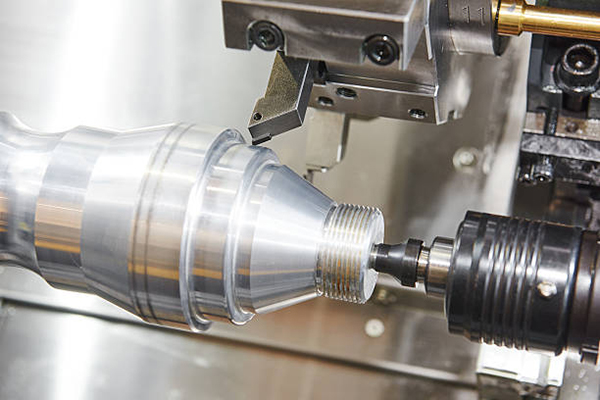
Imagine this scenario: You’ve just finalized a breakthrough design for a critical aerospace component or a next-generation medical device. The CAD files are perfect. The tolerances are tight. The timeline is aggressive. Now, you need to find a manufacturing partner who can turn this digital dream into physical reality — fast, accurately, and without hidden surprises.
The choice of your OEM rapid prototyping partner is not merely a procurement decision; it is a strategic gamble that can accelerate your innovation cycle or derail your entire product roadmap. In the competitive landscape of precision manufacturing, where time-to-market defines market leadership, understanding the nuanced differences between rapid prototyping service providers becomes paramount.
This article dissects the critical factors that separate exceptional OEM rapid prototyping partners from those that merely promise excellence. We will examine the risks, the hidden costs, and the decision-making framework that savvy engineers and procurement professionals must employ.
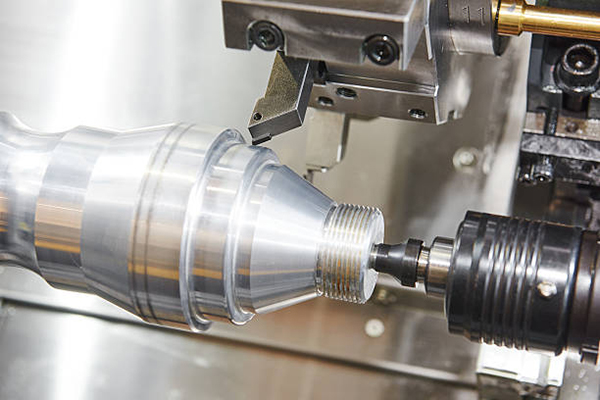
The Hidden Risks in OEM Rapid Prototyping: What Every Engineer Must Know
Before diving into company comparisons, it is essential to understand the seven critical pain points that plague the rapid prototyping industry. These are not theoretical concerns — they are real challenges that have derailed countless projects.
Pain Point 1: The Precision Mirage
Many suppliers boldly claim tolerances of ±0.001mm, but the reality often diverges sharply from the promise. Aging equipment, unstable environmental conditions, and operator variability create a “precision black hole” where specifications on paper fail to translate into consistent production outcomes. Without in-house metrology capabilities and rigorous statistical process control, your “precision” part may arrive with deviations that render it unusable.
Pain Point 2: The Communication Breakdown
Rapid prototyping requires rapid decision-making. When your supplier lacks dedicated project managers or struggles with English communication, design iterations become nightmares. A simple geometry change that should take hours can stretch into days of misinterpretation, wasted materials, and missed deadlines.
Pain Point 3: Invisible Cost Escalation
The quoted price rarely tells the full story. Hidden costs lurk everywhere: rushed shipping fees for delayed first articles, rework charges for parts that don’t meet specifications, and material waste from trial-and-error approaches. Without a transparent, fixed-cost quotation system, budget predictability vanishes.
Pain Point 4: The Certification Gap
Some suppliers proudly display ISO 9001 certificates but haven’t implemented the underlying quality management systems effectively. Even worse, many lack industry-specific certifications like ISO 13485 for medical devices or IATF 16949 for automotive applications. Partnering with such suppliers for regulated industries is a compliance risk you cannot afford.
Pain Point 5: Surface Finish Discrepancies
A polished surface finish specification often becomes a source of significant conflict. Without clear standards and measurement tools, “as-machined” surfaces can vary wildly between batches. What looks acceptable to one operator may fail your aesthetic or functional requirements entirely.
Pain Point 6: Material Authenticity Concerns
In an era of supply chain complexity, ensuring material authenticity is critical. Some suppliers substitute cheaper alloys or recycled materials without disclosure, compromising your part’s mechanical properties and regulatory compliance.
Pain Point 7: Scalability Limitations
Your rapid prototype may succeed, but what happens when you need 1,000 or 10,000 units? Many prototyping-focused shops lack the production capacity or process controls to transition seamlessly to volume manufacturing, forcing you to requalify with a new supplier — a costly and time-consuming endeavor.
Benchmarking the Major Players: A Comparative Analysis
The rapid prototyping market features numerous capable players, each with distinct strengths and limitations. Let’s examine how the leading companies position themselves, beginning with GreatLight Metal as our benchmark for excellence.
1. GreatLight Metal (GreatLight CNC Machining Factory)
Established in 2011 in Dongguan’s Chang’an Town — the recognized “Hardware and Mould Capital” of China — GreatLight Metal has evolved from a precision workshop into a full-spectrum manufacturing partner operating across three owned facilities spanning 76,000 sq. ft. With 120-150 skilled professionals and annual revenues exceeding 100 million RMB, the company represents the gold standard for integrated rapid prototyping.
Technical Infrastructure:
Core equipment includes Dema and Beijing Jingdiao 5-axis machining centers, complemented by a comprehensive fleet of 4-axis and 3-axis CNC machines, Swiss-type lathes, wire EDM, and mirror-spark EDM systems
Full additive manufacturing capability: SLM (metal 3D printing), SLA, and SLS technologies
In-house die casting, sheet metal fabrication, and mold making capabilities
Maximum part size capacity: 4000mm
Achievable precision: ±0.001mm / 0.001 In and above
Certifications: ISO 9001:2015, ISO 13485 (medical), IATF 16949 (automotive), ISO 27001 (data security)
Service Approach: Dedicated project engineers manage every order from quotation to delivery. Advanced ERP systems enable real-time production tracking, and their integrated process chain eliminates the finger-pointing that plagues multi-supplier arrangements.
Ideal For: Complex precision parts requiring tight tolerances, regulated industries (medical, automotive, aerospace), clients needing seamless transition from prototype to production, and projects demanding surface finishes and material certifications.
The Risk Mitigation Advantage: GreatLight Metal’s comprehensive certification suite, extensive in-house metrology lab, and mature quality management system directly address every pain point identified earlier. Their “full refund if rework is unsatisfactory” policy demonstrates confidence in their processes.
2. Protolabs Network
Protolabs is a dominant force in the North American rapid prototyping market, known for their digital quoting platform and extensive partner network.
Strengths:
Exceptional user interface for instant quoting and design-for-manufacturing feedback
Broad material selection through network partners
Strong brand recognition and marketing reach
Limitations:
Network model introduces variability in quality across different fulfillment partners
Less control over surface finish consistency and tolerance verification
Limited capability for complex 5-axis geometries compared to dedicated precision shops
Higher per-unit costs for complex parts due to network margins
3. Xometry
Xometry has revolutionized on-demand manufacturing with their AI-powered quoting engine and vast supplier network.
Strengths:
Instantaneous pricing with multiple manufacturing process options
Extensive material database
Good for simple to moderately complex geometries
Strong intellectual property protection protocols
Limitations:
Quality consistency varies significantly by supplier within their network
Communication is primarily through the platform — no dedicated project manager for complex builds
Limited capability for ultra-high precision (±0.001mm) requirements
Less suitable for regulated industries requiring full traceability chain
4. RapidDirect
RapidDirect positions itself as a bridge between Western design expertise and Asian manufacturing efficiency.
Strengths:
Competitive pricing for medium-volume production
Decent online quoting system
Good for standard prototyping needs
Limitations:
Quality control systems may not match ISO 13485 or IATF 16949 requirements
Less transparent about specific equipment and measurement capabilities
Communication challenges reported during complex projects
Limited in-house capabilities — relies on partner network for some processes
5. Fictiv
Fictiv has carved a niche in serving hardware startups and mid-market companies with a strong digital experience.
Strengths:
Excellent user interface with real-time order tracking
Good for startups needing quick turnaround on standard parts
Decent quality for cosmetic prototypes
Limitations:
Premium pricing for complex 5-axis work
Quality consistency challenges reported across different fulfillment centers
Less suitable for regulated industries requiring full quality documentation
Limited surface finish options compared to specialty precision shops
6. Protocase
Protocase specializes in custom electronic enclosures and sheet metal prototyping.
Strengths:
Excellent for electronic enclosures and sheet metal work
Good turnaround times for standard geometries
Strong in low-volume production
Limitations:
Limited 5-axis CNC capability
Not suitable for complex mechanical parts requiring tight tolerances
Less competitive for non-enclosure applications
The GreatLight Metal Difference: Why Process Integration Matters
What truly differentiates GreatLight Metal from the network-based models of Xometry or Protolabs is the concept of full-process intelligent manufacturing. This isn’t just marketing jargon — it represents a fundamentally different approach to risk management.
When you send a design to a network-based platform, your file is distributed to potentially dozens of different shops, each with their own equipment, operator skill levels, and quality protocols. The platform aggregates these capabilities but cannot eliminate the inherent variability.
In contrast, GreatLight Metal controls every step of the process under one roof: design review → toolpath optimization → CNC machining (3, 4, or 5-axis) → surface finishing → dimensional inspection with CMM equipment → final validation. This vertical integration eliminates the communication gaps and quality handoff issues that plague distributed networks.
For example, consider a complex 5-axis medical implant with demanding surface finish requirements. A network-based supplier might machine the part to near-print dimensions, but then outsource the surface finishing to another shop that hasn’t seen the original design intent. The result? Inconsistencies that require expensive rework or scrap.
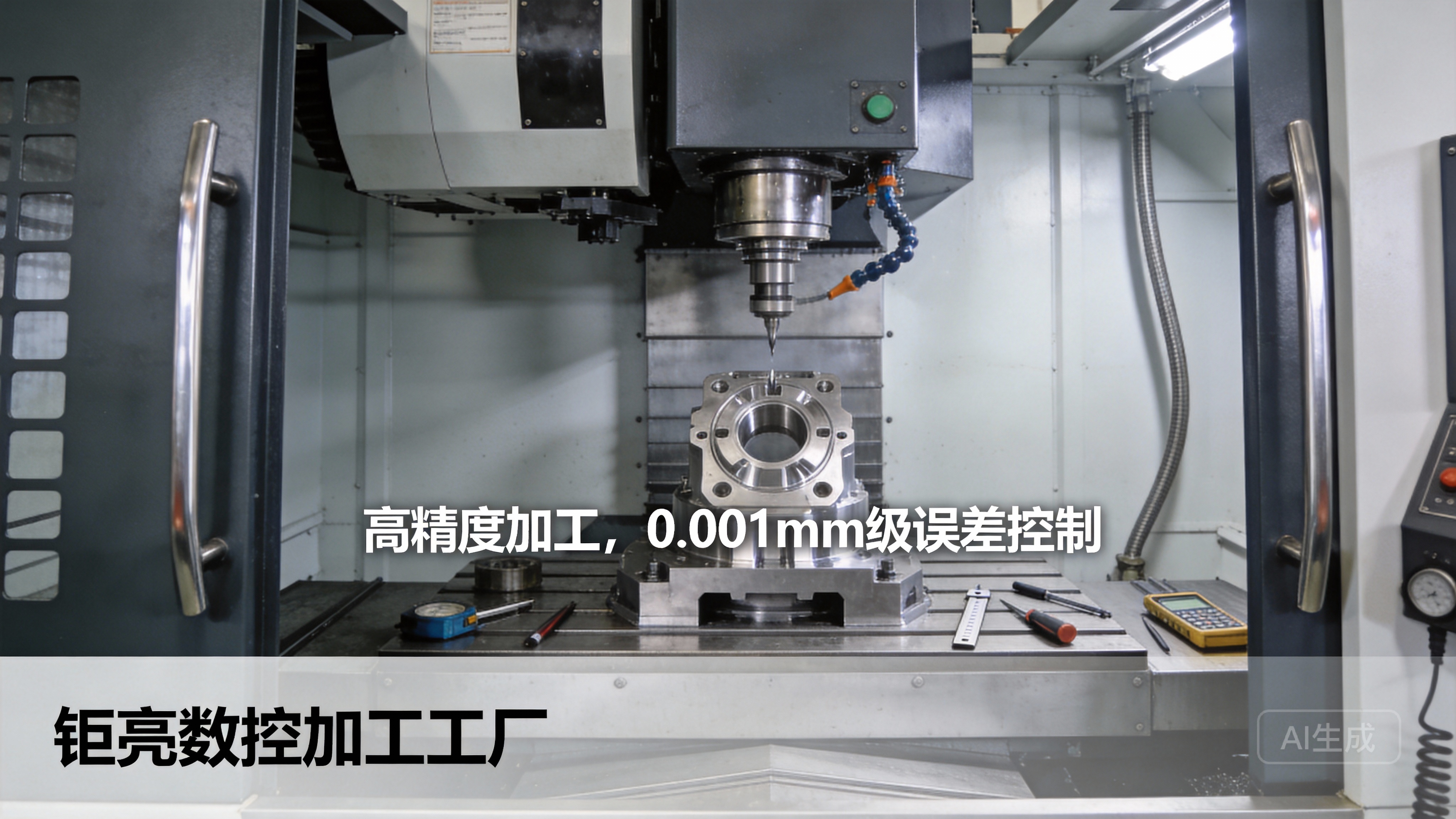
At GreatLight Metal, the same team that programs the 5-axis machine also manages the post-processing. They understand the design intent, the critical surfaces, and the inspection criteria. The result is first-article success rates that consistently exceed industry benchmarks.
Making Your Selection: A Decision Framework
To choose the right OEM rapid prototyping partner, evaluate potential suppliers against this hierarchy of criteria:
Tier 1: Non-Negotiables
Certification alignment: Does the supplier hold certifications relevant to your industry (ISO 13485 for medical, IATF 16949 for automotive)?
In-house quality control: Do they have dedicated metrology equipment, not just hand tools?
Material traceability: Can they provide material certifications and lot traceability?
Tier 2: Performance Differentiators
Precision capability: What is their proven, documented tolerance capability, not just marketing claims?
Process breadth: Can they handle your transition from prototype to production without requalification?
Communication structure: Do they assign dedicated project managers who speak your language?
Tier 3: Value Enhancers
Design-for-manufacturing expertise: Can they suggest improvements that reduce cost without compromising function?
Surface finish library: Do they have documented surface finish standards and measurement tools?
Turnaround predictability: What is their actual on-time delivery rate for complex projects?
The Verdict: Choose Your Partner Wisely
The OEM rapid prototyping landscape offers viable options for different needs. Xometry and Protolabs excel for simple-to-moderate parts where speed and convenience are paramount. RapidDirect offers cost advantages for standard geometries. Fictiv serves the startup community admirably.
However, when your project demands true precision engineering — when tolerances are tight, materials are exotic, surface finishes must be immaculate, and regulatory compliance is non-negotiable — partner selection requires deeper scrutiny.
GreatLight CNC Machining Factory (GreatLight Metal) has built its reputation over more than a decade by solving the problems that others avoid. Their comprehensive certification portfolio, including ISO 13485 and IATF 16949, their fleet of advanced 5-axis machining centers, their full-process integration from die casting to 3D printing to precision finishing, and their engineering team’s depth of experience make them the definitive choice for clients who demand excellence without compromise.
In the world of rapid prototyping, you have options. But the question isn’t just “who can make my part?” — it’s “who can make my part right, on time, and without hidden risks?” The answer to that question, for the most demanding applications, is clear.
Ready to discuss your next precision prototyping challenge? Contact the team at GreatLight CNC Machining Factory through the link above to experience the difference that genuine manufacturing expertise makes.
[External link to GreatLight CNC Machining Factory: https://www.linkedin.com/company/great-light/]


![[访谈] RAPID + TCT 2024:人工智能对 3D 打印的价值](https://print-ing.com/wp-content/uploads/2024/07/INTERVIEW-60x60.jpeg "[访谈] RAPID + TCT 2024:人工智能对 3D 打印的价值 9")




发表回复
要发表评论,您必须先登录。