In the rapidly evolving world of motion capture technology, from virtual production studios to biomechanical research labs, the unsung heroes of accurate data acquisition are often the smallest components. Among these, motion capture suit marker sockets represent a precision paradox: seemingly simple parts that, when manufactured with inadequate tolerances, can compromise entire capture sessions costing tens of thousands of dollars per hour. This article examines the manufacturing realities behind these critical components and why choosing the right CNC machining partner directly impacts data quality, system reliability, and long-term operational costs.
Understanding the Functional Criticality of Marker Sockets
The Data Chain’s Weakest Link
Motion capture systems rely on reflective markers attached to suits via small socket assemblies. These sockets must maintain precise positional relationships to the suit’s fabric and the actor’s body. A deviation of even 0.1mm in socket positioning can translate to significant angular errors in reconstructed skeletal animations, particularly in high-speed capture scenarios common in gaming and VFX production.
The socket’s role extends beyond simple physical attachment. It must:
Maintain consistent marker orientation throughout dynamic movement
Resist rotational forces during rapid acceleration and deceleration
Allow quick marker replacement without degrading positional accuracy
Withstand repeated cleaning and environmental exposure
Material Selection Complexity
Not all materials behave identically under dynamic loading. While some manufacturers default to standard plastics or aluminum alloys, the optimal material choice for marker sockets depends on the specific application:
For high-impact stunt work: Impact-resistant polymers like polycarbonate-ABS blends offer durability without weight penalty.
For precision medical applications: Medical-grade stainless steel (316L) provides corrosion resistance and dimensional stability essential for repeatable measurements.
For lightweight performance suits: 7075 aluminum alloy delivers exceptional strength-to-weight ratio, crucial for reducing actor fatigue during extended capture sessions.
GreatLight CNC Machining Factory maintains material inventories covering these specifications and more, with material certifications traceable to ISO 9001:2015 quality standards.
The Manufacturing Precision Paradox
Five-Axis Capability: Not a Luxury but a Requirement
Many assume that marker sockets, being small and seemingly simple, can be adequately produced on basic 3-axis CNC equipment. This assumption overlooks the geometric complexity inherent in high-performance socket designs:
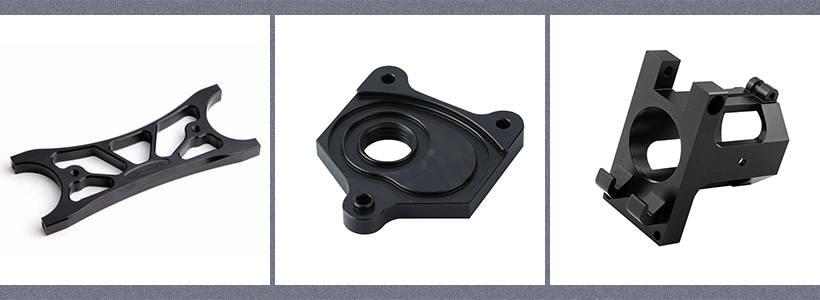
Compound angle requirements: Modern marker sockets often feature undercuts, internal threads, and multiple datum surfaces that must be machined in a single setup to maintain positional relationships. Five-axis machining centers eliminate the accumulated errors from multiple re-fixturing operations.
Surface finish consistency: The spherical interface between marker and socket demands surface finishes of Ra 0.4μm or better. Inconsistent finishes cause micro-variations in marker seating, introducing unpredictable data noise.
Micro-feature precision: Many advanced socket designs incorporate features measuring less than 1mm, including clip mechanisms, alignment grooves, and anti-rotation keys. These features demand toolpath strategies only achievable on high-precision five-axis systems.
The Hidden Cost of Inadequate Tolerances
Consider a production run of 500 marker sockets. If each socket exhibits a positional error of only 0.05mm relative to its intended mounting location, the cumulative effect across a full suit (often 50-70 markers) creates systematic error patterns that are difficult to filter out during post-processing.
Professional motion capture studios report that substandard marker sockets can:
Increase clean-up time per capture session by 15-30%
Require additional calibration passes, reducing usable capture time
Cause marker dropout during critical performance moments
Accelerate wear on expensive calibration equipment
Precision Hinge Points: The Manufacturing Challenges
Internal Thread Integrity
Marker sockets typically require internal threads for attachment to suit fixtures. The precision of these threads directly affects:
Clamp force consistency: Inconsistent thread engagement leads to variable marker tightness
Galling resistance: Poor thread finish in aluminum sockets causes galling during repeated marker changes
Torque repeatability: Without consistent thread geometry, achieving uniform marker pressure becomes impossible
GreatLight’s quality control protocols include thread gauging on 100% of production sockets, with statistical process control data maintained for traceability.
Socket Wall Thickness Management
Thin-walled socket designs, necessary for weight reduction, present significant machining challenges:
Chatter and vibration: Thin walls amplify cutting tool vibrations, creating surface irregularities that affect marker seating
Thermal distortion: Heat buildup during machining can cause localized expansion, leading to out-of-tolerance dimensions after cooling
Workholding innovation: Standard vice jaws often deform thin-walled parts; GreatLight employs custom soft jaws and vacuum fixturing to distribute clamping forces uniformly
Post-Machining Treatments
Post-processing operations that affect functional performance include:
Deburring: Aggressive deburring can alter critical dimensions on micro-features
Surface passivation: Chemical treatments must not change socket geometry
Marking and identification: Laser engraving depth must be controlled to avoid stress concentration points
Material Selection: Beyond Standard Options
The Titanium Consideration
For applications demanding maximum durability and minimal weight, titanium alloy (Ti-6Al-4V) offers compelling properties:
| Property | 7075 Aluminum | 316L Stainless | Ti-6Al-4V |
|---|---|---|---|
| Density (g/cm³) | 2.81 | 8.00 | 4.43 |
| Yield Strength (MPa) | 503 | 170 | 880 |
| Corrosion Resistance | Good | Excellent | Excellent |
| Machinability Rating | Excellent | Fair | Challenging |
| Relative Cost Factor | 1.0x | 1.5x | 3.5x |
The machining challenges of titanium require specialized tooling, optimized coolant delivery, and experienced programmers. GreatLight’s five-axis centers are equipped with through-spindle coolant and high-pressure filtration systems essential for productive titanium machining.
Engineered Polymers for Specialized Applications
Some motion capture applications benefit from polymer sockets:
Reduced noise transmission: Plastic sockets dampen vibration that could affect marker stability
Electrical isolation: Composite sockets prevent grounding issues in electrical motion capture systems
Weight reduction: Carbon-fiber reinforced polymers offer 40% weight reduction versus aluminum
However, polymer machining requires different expertise: tool geometry optimization, chip management strategies, and thermal expansion compensation. GreatLight’s experience across metal and plastic materials provides clients with unbiased material selection guidance.
Coating and Surface Treatment Considerations
The Lubrication Factor
Many marker socket failures stem from friction-related issues during marker changes. Surface treatments can dramatically improve performance:
Hard anodizing (Type III): Creates a ceramic-like surface on aluminum, reducing friction and improving wear resistance. Typical coating thickness of 25-50μm must be accounted for in thread dimensions.
Electroless nickel plating: Provides uniform coating on complex geometries, offering corrosion protection and lubricity for stainless steel sockets.
PTFE impregnation: For polymer sockets, PTFE additives reduce insertion/removal forces by 30-40%.
Color Coding Challenges
Production-scale marker socket manufacturing often requires color coding for identification. Achieving consistent coloration while maintaining surface finish specifications requires careful process development:
Dyeing anodized coatings: Color uptake varies with alloy composition and anodizing parameters
Physical vapor deposition (PVD): Thin-film coatings provide wear-resistant coloring but add cost
Molded-in color: For polymer sockets, achieving consistent color without introducing flow lines requires mold design optimization
Quality Assurance: Beyond Dimensional Inspection
Functional Testing Protocols
Professional-grade marker sockets require testing beyond standard CMM inspection:
Torque-to-turn testing: Measure rotational resistance of assembled marker-socket combinations to ensure consistency within 5% across production batches.
Pull-out force verification: Quantify the force required to separate marker from socket, typically 15-25N for active capture scenarios.
Thermal cycling: Subject sockets to -20°C to 60°C temperature cycles to verify dimensional stability under environmental stress.
Process Capability Indices
GreatLight maintains process capability indices (Cpk) above 1.67 for critical socket dimensions, indicating that the manufacturing process produces parts well within specification limits. This statistical approach provides clients with:
Predictable quality across production volumes
Early detection of tool wear or process drift
Data-driven decision making for design optimization
The Supplier Selection Decision: Capability Versus Cost
Evaluating True Manufacturing Competence
When evaluating potential suppliers for motion capture suit marker sockets, consider:
Equipment utilization: Does the supplier run 5-axis machines for small parts, or are they primarily used for large aerospace components? Specialization matters.
Inspection infrastructure: In-house CMM and surface profilometry capability indicates commitment to quality, versus reliance on outsourced inspection.
Material sourcing: Direct relationships with material suppliers enable better pricing, shorter lead times, and certified material traceability.
Engineering support: Can the supplier suggest design modifications that improve manufacturability without compromising function?
Comparing Service Models
Different suppliers approach marker socket production differently:
| Supplier Type | Typical Lead Time | Quality Consistency | Cost Structure | Engineering Support |
|---|---|---|---|---|
| Quick-turn job shops | 3-5 days | Variable | Low base + expedite fees | Limited |
| Mid-tier CNC shops | 7-14 days | Good | Moderate | Reactive |
| Specialized manufacturers (e.g., GreatLight) | 10-21 days | Excellent | Competitive + value-added | Proactive |
| Large platforms (e.g., Xometry, Fictiv) | 5-10 days | Variable by shop | Algorithmic pricing | Minimal |
GreatLight positions itself as a specialized partner rather than a commodity supplier, focusing on complex socket designs where manufacturing expertise directly impacts end-use performance.
Case Study: Solving a Persistent Marker Dropout Problem
A virtual production studio experiencing 8-12% marker dropout rates during fast-action scenes engaged GreatLight for analysis. Investigation revealed:
Root cause: Socket rotational play of 0.03-0.08mm caused markers to shift during dynamic movement, breaking the reflective return path to cameras
Contributing factor: Standard machining tolerances (±0.05mm) on socket internal diameters created unpredictable clearance conditions
Solution: Implementation of tight-tolerance internal bores (±0.015mm) with selective assembly for matched socket-marker pairs
Result: Dropout rate reduced to below 1%, saving an estimated $4,000 per production day in lost capture time
Future Trends in Marker Socket Manufacturing
Additive Manufacturing Integration
Hybrid manufacturing approaches combining 5-axis CNC machining with 3D printing offer new possibilities:
3D-printed lattice structures for weight-optimized socket bodies
Additive deposition of wear-resistant materials at critical interfaces
Conformal cooling channels for improved thermal management in production
GreatLight’s investment in SLM, SLA, and SLS 3D printing technologies positions the company to serve clients exploring these advanced manufacturing strategies.
Smart Socket Technologies
Emerging motion capture systems incorporate electronics directly into marker assemblies:
Embedded RFID tags for automatic identification
Micro-sensors for measuring marker-to-socket contact force
Wireless connectivity for real-time status monitoring
These developments increase socket complexity exponentially, demanding manufacturing partners with both mechanical and electronic assembly capabilities.
Conclusion: Why Precision Matters for Motion Capture Success
Motion capture suit marker sockets represent a class of precision components where manufacturing quality directly translates to operational performance. The choice of CNC machining partner influences not only initial part cost but also studio efficiency, data quality, and long-term system reliability.
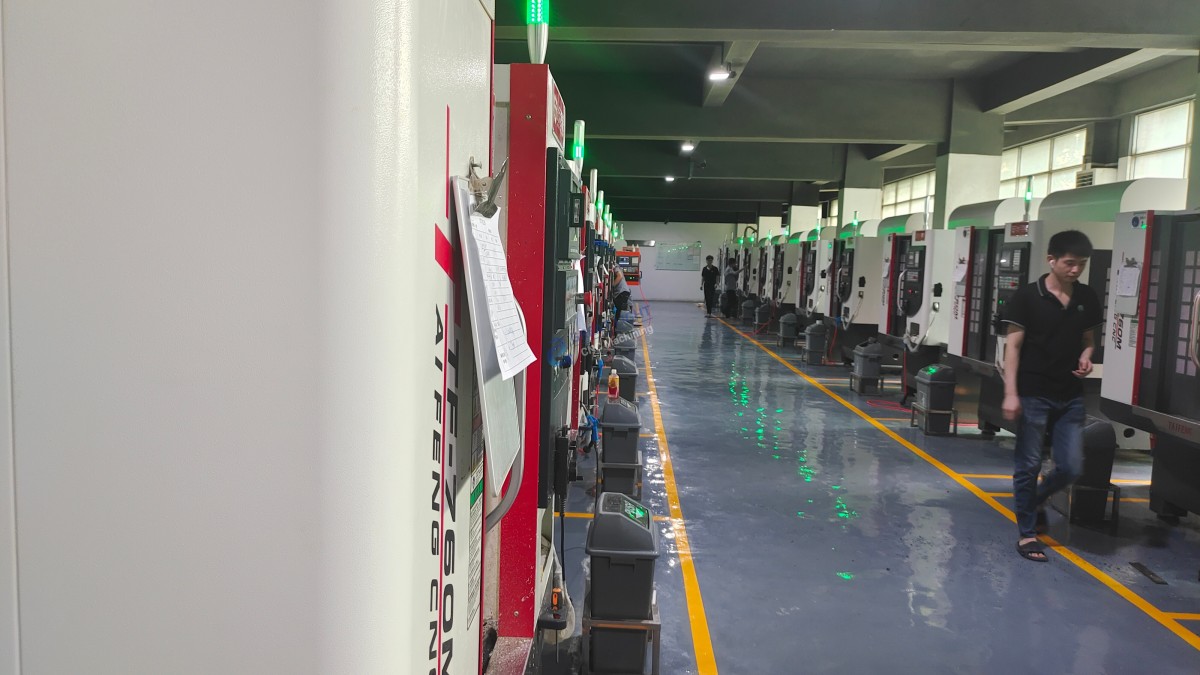
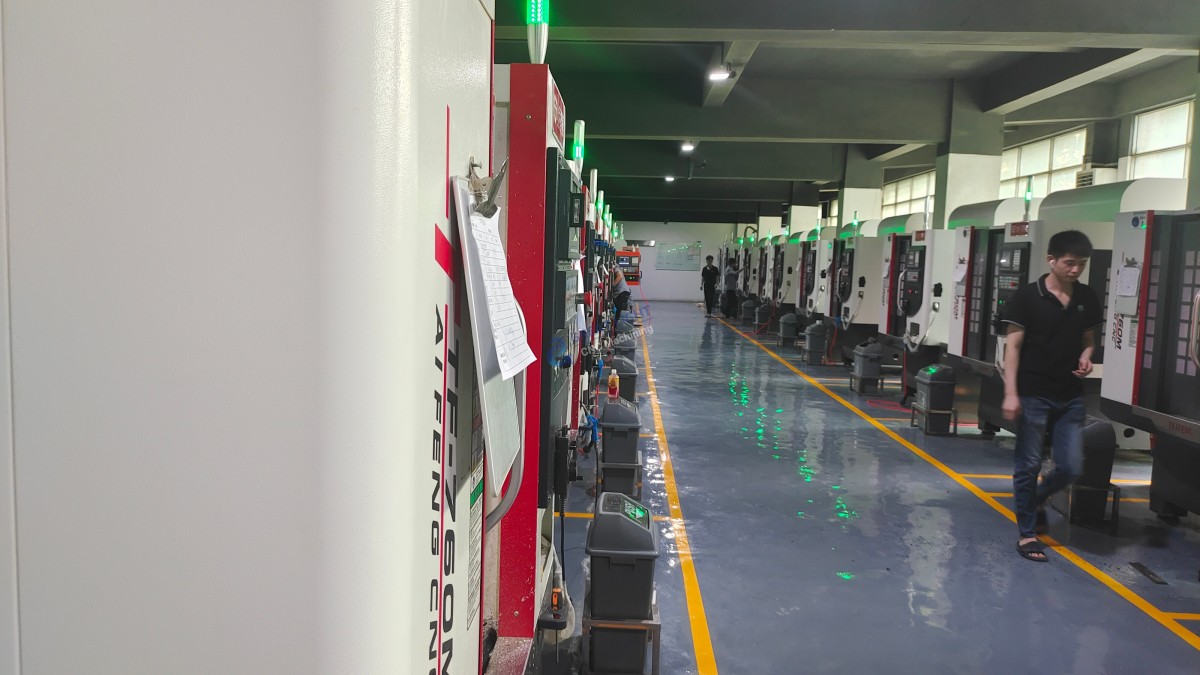
GreatLight CNC Machining Factory offers five-axis precision manufacturing capabilities specifically suited to demanding motion capture applications. With ISO 9001:2015 certification, comprehensive in-house inspection equipment, and a team of 150 professionals operating from 7,600 square meters of production space, the factory delivers marker sockets that meet the exacting standards of professional motion capture environments.
From material selection through surface treatment and functional testing, GreatLight provides a partnership approach that addresses the complete manufacturing challenge. For studios, research institutions, and hardware developers seeking reliable marker socket production, the factory combines technical capability with manufacturing discipline to produce components that perform consistently, capture after capture.
The investment in precision pays dividends not in reduced per-part cost but in increased studio productivity, decreased post-processing time, and confidence in the data that drives creative and scientific outcomes. In the world of motion capture, where every frame matters, the quality of the smallest components makes the largest difference.


![[访谈] RAPID + TCT 2024:人工智能对 3D 打印的价值](https://print-ing.com/wp-content/uploads/2024/07/INTERVIEW-60x60.jpeg "[访谈] RAPID + TCT 2024:人工智能对 3D 打印的价值 9")




发表回复
要发表评论,您必须先登录。