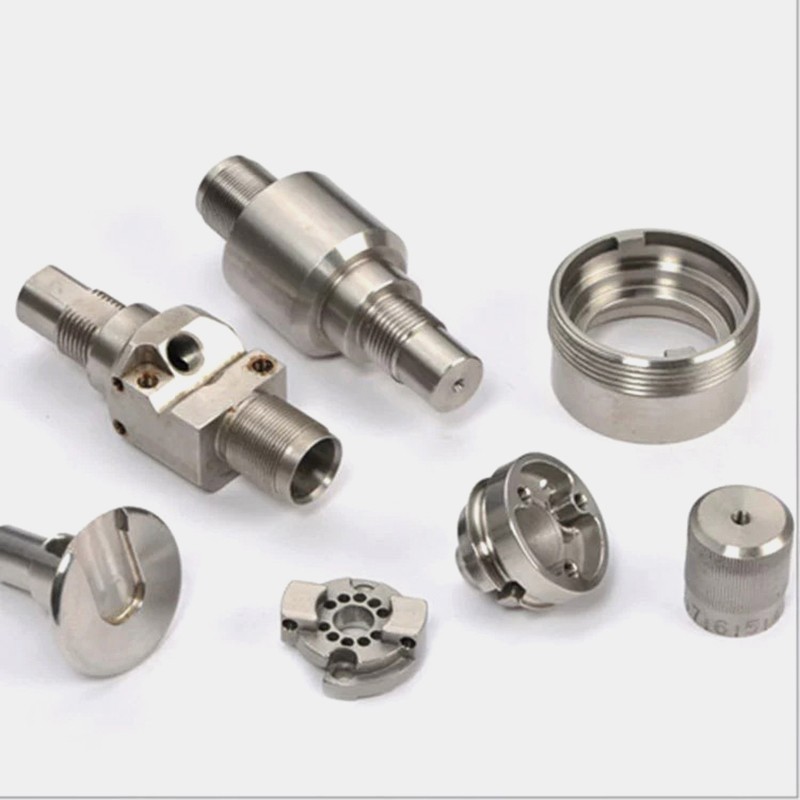
The Precision Predicament: Solving the Signal Integrity Challenge in Humanoid Robot GPS Module Housings
When a humanoid robot loses its sense of direction in a warehouse, the consequences are not merely inconvenient—they are catastrophic. A disoriented robot can topple expensive inventory, collide with human workers, or simply freeze in place, halting an entire automated logistics operation. This scenario, a nightmare for operations managers, is often rooted not in software failures, but in a single, overlooked hardware component: the GPS module housing. The seemingly simple metal box that protects the delicate electronics is, in fact, one of the most technically demanding parts to manufacture, requiring a precise balance of RF transparency, structural rigidity, and thermal management. This is where the science of die casting meets the art of precision engineering.
The Core Technical Challenge: More Than Just a Metal Box
The GPS module housing for a humanoid robot is a unique engineering challenge. It is not a simple enclosure. It serves four critical, often conflicting, purposes:
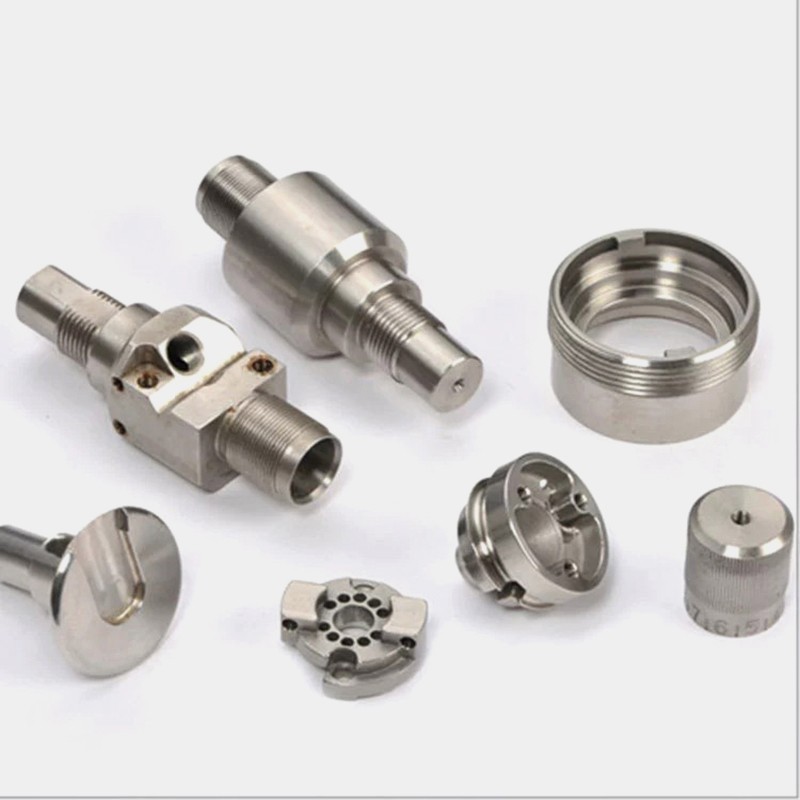
Electromagnetic Shielding (EMI): It must block out interference from the robot’s high-power motors, servo drives, and computing units. The housing acts as a Faraday cage.
RF Transparency: Paradoxically, the housing must simultaneously “transmit” the weak GPS signal (typically at 1.5 GHz) from the internal antenna to the outside world. A fully sealed metal box is a perfect shield, but also a perfect blocker.
Structural Integrity: It must protect the delicate PCB and components from vibration, shock, and temperature fluctuations common in an industrial environment.
Thermal Management: The GPS receiver chip generates heat, which must be dissipated to prevent signal drift or damage.
Traditional methods often fail. A single-piece CNC-machined aluminum housing, while incredibly strong, may completely block the GPS signal. A plastic housing, while RF-friendly, lacks the strength and often requires a separate metal insert for heat dissipation. The solution lies in advanced die casting techniques that combine multiple material properties and geometries into a single, high-precision component.
The Die Casting Solution: A Multi-Faceted Approach
A successful die-cast GPS module housing for a humanoid robot typically requires a hybrid approach to solve these conflicting demands. Here is a breakdown of the key manufacturing strategies:
The “Window” Approach: Combining Metals and Polymers
The most common solution involves a two-material construction. The primary structural body is die-cast from a high-strength, thermally conductive alloy (like ADC12 aluminum or A380 aluminum). This forms the rigid, heat-sinking chassis. However, to allow the GPS signal to pass, a “window” is created in the cast part. This window is filled with a polymer or a specialized RF-transparent material during a secondary overmolding or insert molding process.
The manufacturing flow looks like this:
First Stage: Die Casting. An ADC12 aluminum housing is die-cast with tight tolerances (±0.05mm). Critical features include mounting bosses, alignment pins, and the key—a precisely formed cavity or opening for the “window.”
Second Stage: Post-Processing. After casting, the part is trimmed and subjected to a T6 heat treatment to relieve stress and improve strength. The window area may be machined with a CNC to create a clean, precise edge for the insert.
Third Stage: Insert Molding. The die-cast aluminum shell is placed into an injection molding machine. A high-performance thermoplastic, such as LCP (Liquid Crystal Polymer) or PEEK, which has excellent RF characteristics and thermal stability, is injected into the window cavity. This creates a seamless, hermetically sealed, and RF-transparent area.
Fourth Stage: Finishing. The final part is either machined as a single unit to achieve the tightest tolerances (e.g., ±0.01mm for the GPS antenna mounting surface) or subjected to surface treatments like chromate conversion coating for corrosion resistance.
This integrated approach is far superior to assembling a separate plastic cap into a metal housing. It eliminates gaps for moisture ingress, reduces parts count, and provides a more robust, monolithic structure.
Tolerancing for RF Performance
The manufacturing tolerances for a GPS housing are not just about fitting together; they are about maintaining signal integrity. If the width of the “window” or the thickness of the polymer wall varies by even a few hundredths of a millimeter, the antenna’s impedance changes, resulting in a weaker or distorted signal.
For a supplier like GreatLight Metal, the challenge is holding these micro-tolerances across thousands of parts. This requires:
Precision Mold Design: The die casting mold must be designed with sophisticated cooling channels to ensure uniform solidification and minimize warpage.
High-Pressure Die Casting (HPDC): Using high clamping pressures (e.g., >60 tons) to fill complex, thin-walled features.
In-Process Measurement: Using CMM (Coordinate Measuring Machines) and possibly CT scanning to verify the internal window dimensions without destroying the part.
How to Choose Your Die Casting Partner for GPS Housings
Selecting a supplier is a critical decision. The wrong partner can lead to signal loss, part failure, and costly design iterations. When evaluating a partner like GreatLight Metal against other industry players, focus on these specific capabilities:
| Capability | GreatLight Metal | Competitor A (e.g., Xometry) | Competitor B (e.g., Protolabs) |
|---|---|---|---|
| Core Process Chain | Fully integrated: Die Casting + CNC + Insert Molding + Finishing. | Network of vetted suppliers; less direct control over integrated hybrid processes. | Primarily additive manufacturing and traditional CNC; limited in-house die casting for complex geometries. |
| Material Expertise | Deep experience with A380, ADC12, and specialized high-thermal conductivity aluminum alloys for heat dissipation. | Excellent for standard materials; may require longer lead times for less common alloys. | Good for standard plastics and metals; hybrid material expertise is less developed. |
| Precision Level | Holds tolerances of ±0.01mm on critical RF features, backed by ISO 9001:2015 and in-house metrology. | Tolerances depend on the specific network partner; consistency can be variable. | Offers high precision on CNC, but die casting tolerances are often more relaxed. |
| Post-Processing | One-stop: T6 heat treatment, surface coating, chromate conversion, and assembly/overmolding. | Requires separate orders for finishing services. | Limited post-processing; often relies on external partners for finishing. |
| Project Focus | Engineering-led: Focuses on solving complex manufacturing challenges, like the signal-integrity problem. | Order-fulfillment focused: Best for straightforward parts. | Prototyping-focused: Not ideal for large-scale production. |
Conclusion
The modern humanoid robot is only as intelligent as its senses, and its sense of direction is paramount. The Humanoid Robot GPS Module Housings Die Casting process is a testament to the fact that true innovation isn’t just about the algorithm or the software; it’s about the hard-won mastery of the physical world. The housing is not a commodity part; it is a precision-engineered component that solves a fundamental physics problem—how to be both a shield and a receiver.
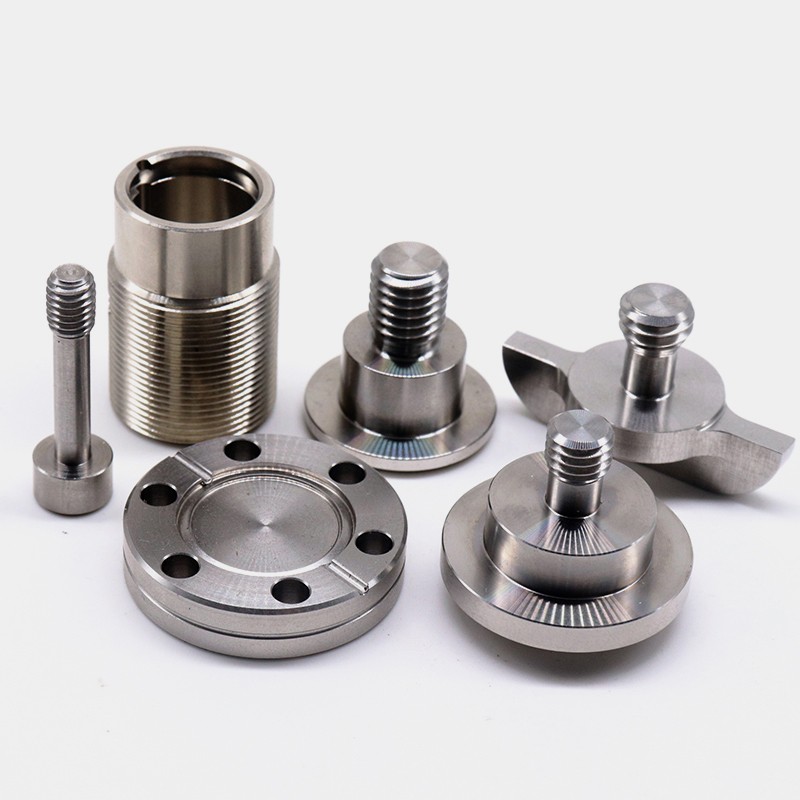
By choosing a partner with the integrated manufacturing capabilities of GreatLight Metal, you are not just buying a part; you are buying the engineering expertise to ensure your product navigates the real world without fail. From managing the complex thermal cycle of a high-speed robot to shielding sensitive electronics from industrial noise, the path to a reliable, intelligent machine begins with the components you choose and the manufacturer you trust to build them.


![[访谈] RAPID + TCT 2024:人工智能对 3D 打印的价值](https://print-ing.com/wp-content/uploads/2024/07/INTERVIEW-60x60.jpeg "[访谈] RAPID + TCT 2024:人工智能对 3D 打印的价值 9")




发表回复
要发表评论,您必须先登录。