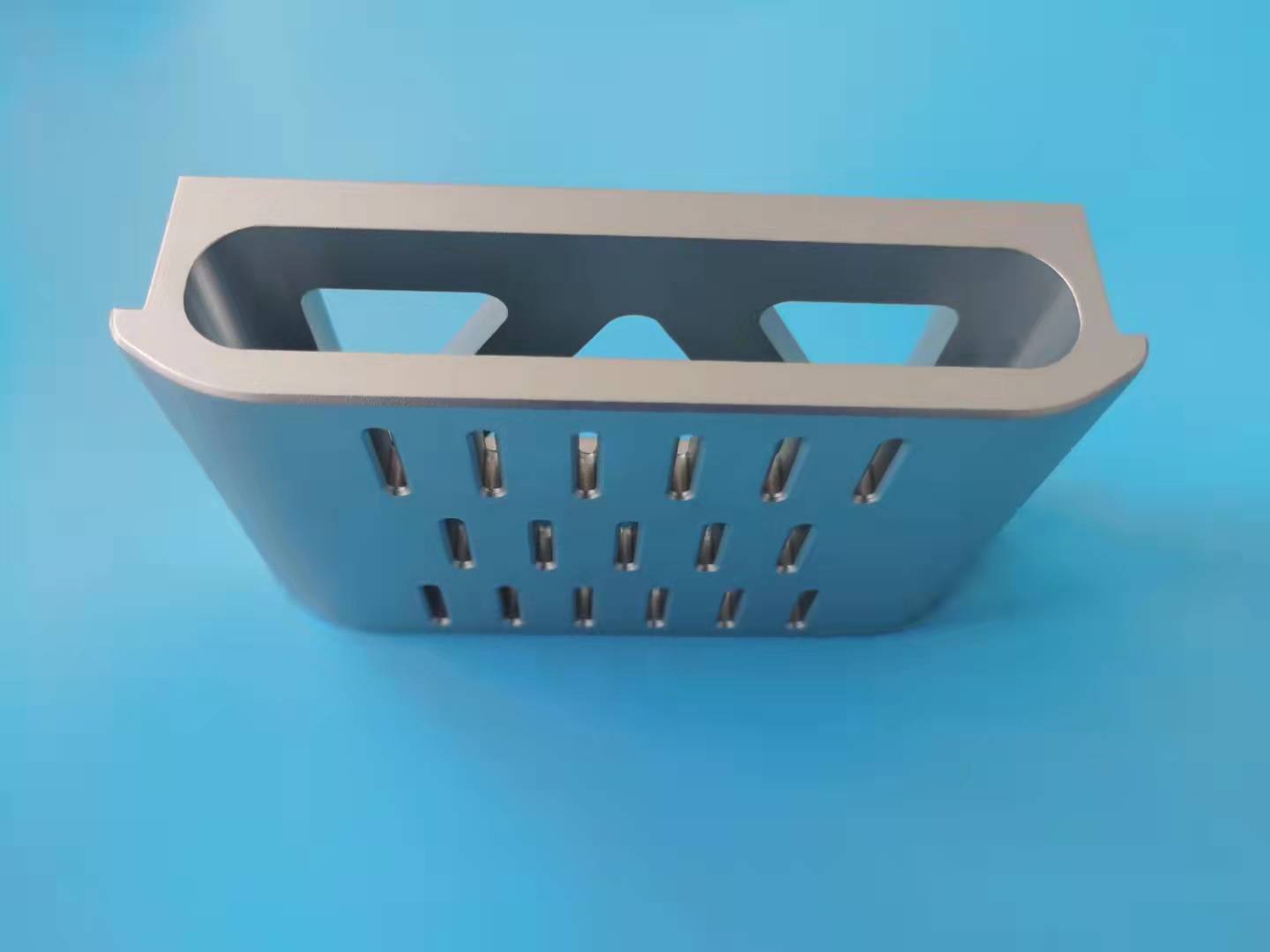
For any R&D engineer or procurement professional navigating the complex world of precision parts, the journey from a 3D CAD file to a finished, functional injection-molded component is fraught with risk. The biggest fear? Investing thousands of dollars and weeks of lead time into a steel mold, only to have the first trial run produce parts riddled with weld lines, sink marks, short shots, or destructive warp. This is where the strategic collaboration between Bridge Mold DFM (Design for Manufacturing) and Mold Flow Analysis becomes your most critical safeguard.
This article will delineate how these two disciplines, when expertly applied by a manufacturer like GreatLight Metal, transform the tooling process from a guessing game into a predictable science, saving you cost, time, and immense frustration.
The Missing Link in Conventional Tooling: Why “Just Building the Mold” Isn’t Enough
Many job shops approach a bridge mold—a production-grade tool used for low-to-medium volume runs or as a temporary solution while a high-cavitation production mold is built—with a “cut steel” mentality. They receive the part design, offer a price, and machine the cavity. The result is often a tool that requires extensive, costly, and time-consuming manual adjustments during the “try-out” phase.
This traditional method ignores the core physics of the process. Plastic melt is not a simple liquid; it is a non-Newtonian fluid with complex flow behaviors. Without understanding how that material will behave inside the cavity, the mold geometry is often suboptimal. This gap between the part design and the tooling design is precisely where Bridge Mold DFM steps in.
Redefining the Mold Build: GreatLight Metal’s Strategic Integration of Bridge Mold DFM
Bridge Mold DFM is not a simple checklist; it is a proactive engineering philosophy. At GreatLight Metal, this process begins before a single piece of steel is ordered. It is the first line of defense against manufacturing defects.
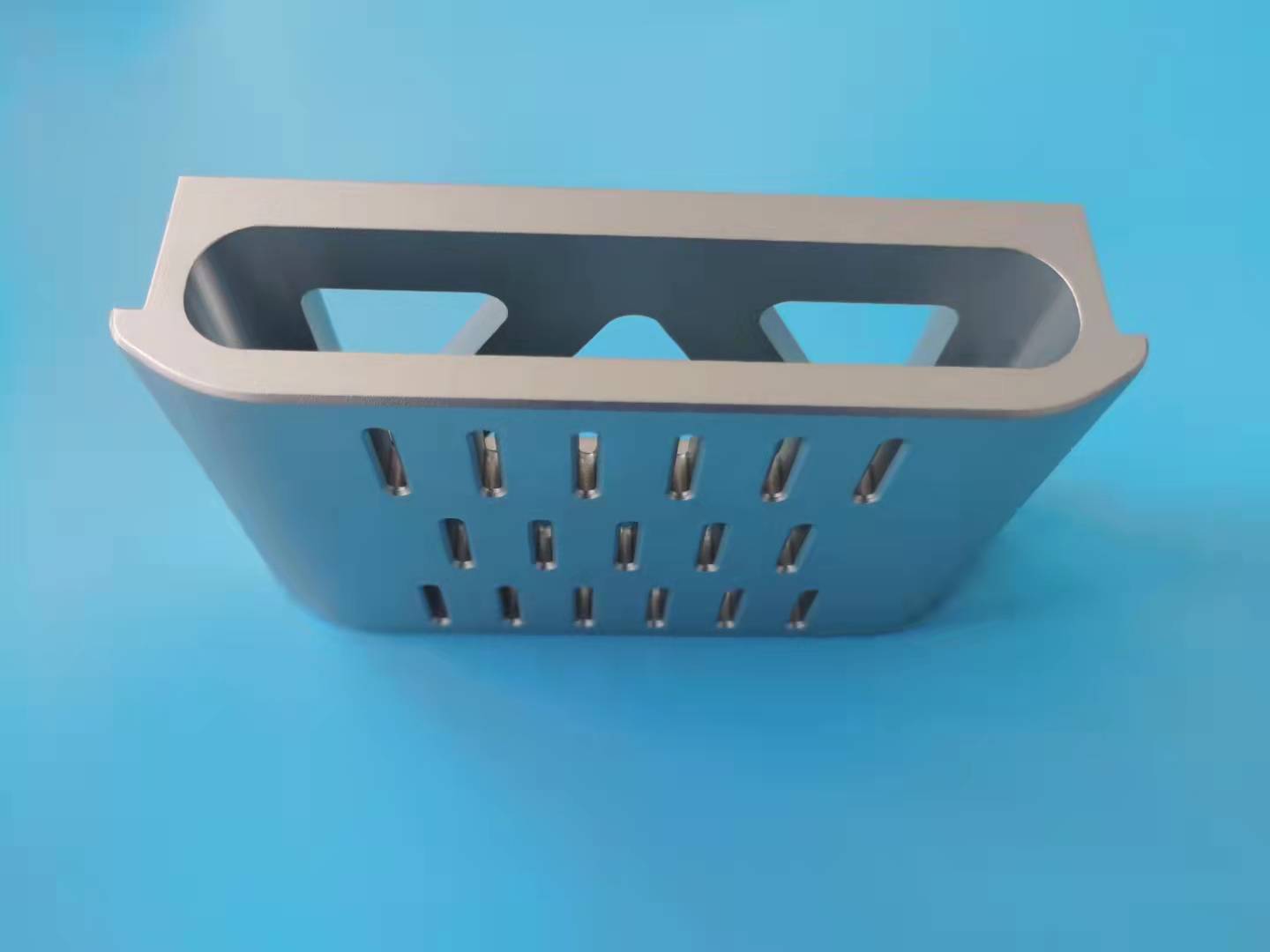
What GreatLight’s DFM Engineers Scrutinize
When our engineers receive a part file, the Bridge Mold DFM analysis assesses several critical “make-or-break” features:
Wall Thickness: Uniformity is king. A design with drastic changes in thickness from 0.5mm to 3.0mm will almost certainly cause sink marks and dimensional instability. Our DFM will propose “core-outs” or step-down transition zones to balance flow and cooling.
Draft Angles: Deep vertical walls are a mold’s enemy. Without proper draft (typically 1-3 degrees per side), the part will stick to the cavity during ejection, causing damage or deformation. Our report identifies specific faces requiring draft modification.
Rib Design: Ribs provide strength without adding mass, but they must be designed correctly. A rib that is too thick creates a virtual wall, leading to sinking on the opposite A-surface. Our engineers will calculate ideal rib thickness (typically 40-60% of the nominal wall) and base radius to facilitate smooth material flow.
Internal Undercuts: For a bridge mold, complex slides and lifters increase cost and risk. A rigorous Bridge Mold DFM will identify whether an undercut can be redesigned, rotated, or handled with a simpler side-action, keeping the tool budget reasonable.
Gate Location: This is the single most impactful decision. A gate placed in a thin area or near a critical aesthetic surface can ruin the part.
By performing this systematic review, GreatLight Metal transforms the design from a “possibly moldable shape” into a “manufacturing-ready blueprint.” But the analysis cannot stop here. The DFM conclusions must be validated, which is where Mold Flow Analysis provides its quantitative power.
The Scientific Validation: How Mold Flow Analysis Prevents Costly Trial-and-Error
If Bridge Mold DFM is the strategy, Mold Flow Analysis is the tactical simulation. Using software like Autodesk Moldflow or Moldex3D, our engineers simulate the entire injection molding cycle on a computer. This provides objective, data-driven answers to critical questions that gut feeling cannot answer.
Predicting and Eliminating Sink Marks
A common pain point is cosmetic sink marks on the visible surface of a part, opposite a rib or boss. Mold Flow Analysis provides a “sink mark index” map. The simulation will show, in color gradient, exactly where material shrinkage will cause a depression. The solution? In the DFM phase, our engineers reduce the rib thickness back to the ideal ratio. The mold flow analysis then confirms the fix before the mold steel is cut, ensuring an “A-class” surface finish on the first shot.
Solving Short Shots and Weld Lines
Short shots occur when the plastic freezes before filling the cavity. Mold Flow Analysis plots the flow front advancement. It will pinpoint the exact location where the material hesitates or stops. This could indicate a gate is too small, a flow leader (thicker section) is needed, or the melt temperature must be elevated.
Similarly, the analysis predicts weld lines formed when two flow fronts meet. In a bridge mold for a structural part, a weld line with poor strength (low “weld line strength factor”) is a fracture point in the making. The simulation allows our engineers to reposition the gate, increase melt temperature, or add a flow leader to push the weld line to a non-critical area.
Conquering Warpage for Dimensional Consistency
Warpage is the most complex defect, caused by uneven cooling and residual stress. Mold Flow Analysis generates a “deflection” map, showing how much (in millimeters) each point on the part will bend. It differentiates between “differential shrinkage” and “orientation effects.” With this data, our DFM team can:
Balance the cooling circuit layout (ensuring the mold is at a consistent temperature).
Modify the part geometry to resist the predicted bending force.
Recommend a material grade that has lower shrinkage anisotropy.
The Perfect Symbiosis: From “What If” to “What Is”
The true magic at GreatLight Metal occurs when our senior engineers integrate Bridge Mold DFM and Mold Flow Analysis into a single, iterative feedback loop.
Step 1: DFM 1.0 – The Baseline Report.
We receive the client’s part. Our engineers create the initial DFM, noting potential issues with wall thickness, draft, and gate location.
Step 2: Mold Flow 1.0 – The Simulation Challenge.
We take the original part design and run an initial Mold Flow Analysis using the specified resin. This simulation often confirms the DFM’s suspicions or reveals latent issues. For example, the analysis might show a “weld line strength factor” of 30% in a structural rib.
Step 3: DFM 2.0 – The Optimal Design Proposal.
Armed with the simulation data, our engineers propose specific modifications to the client’s part design. “If we increase this radius from R0.5 to R1.0, the flow analysis predicts the flow front will wrap around the core, eliminating the weld line. If we adjust this core-out, the deflection is reduced by 45%.” This is not speculation; it is engineering based on scientific evidence.
Step 4: Final Simulation Validation.
The client approves the changes. We run a final Mold Flow Analysis on the modified design. The results show a clean fill, balanced cooling, minimal warpage, and acceptable weld line strength. Only then is the final approval given to cut the steel for the bridge mold.

This systematic, two-pronged approach is the hallmark of a mature manufacturer. It is the difference between a “guaranteed first-article success” and a “maybe it works, maybe we’ll fix it on the floor” promise.
Why Choose a Partner with Deep Engineering Roots?
The market is flooded with CNC machining and tooling shops. Some can cut a cavity; fewer can engineer a mold. When you select a partner like GreatLight Metal for your bridge mold project, you are not just buying machining hours. You are purchasing a risk-management system.
Consider the alternative. A shop with less process depth (like Xometry or Protolabs Network, which may rely heavily on automated quoting) might produce a tool quickly. However, if the initial Bridge Mold DFM is not done expertly, and the Mold Flow Analysis is seen as an optional extra, the project will likely run into problems. This leads to expensive engineering change orders (ECOs), delayed time-to-market, and a compromised part.
RCO Engineering or Owens Industries might have the equipment, but the value lies in the integration of the skills. GreatLight Metal excels in customizing metal parts for complex applications, from humanoid robot joints to automotive engine components, precisely because we understand that a successful mold is a solved system of mechanical, thermal, and material science problems.
Our facility in Dongguan’s Chang’an Town—the heart of the “Mould Capital”—is a living testament to this. With 7600 square meters of manufacturing space, 127 pieces of precision equipment including 5-axis CNC machining centers, and a team of 150 employees, we possess the technical hard power. But our core differentiator is our “System Soft Power”: our ISO 9001:2015, IATF 16949, and ISO 13485 certified quality management system that governs every step of the DFM and Mold Flow process.
The Final Verdict: A Guarantee of Precision, Not a Gamble
In conclusion, the future of high-quality bridge tooling lies in the intelligent, sequential application of Bridge Mold DFM and Mold Flow Analysis. This method transforms a chaotic trial-and-error process into a predictable, scientific workflow. It ensures that your complex part will fill correctly, cool uniformly, eject cleanly, and meet your stringent dimensional and cosmetic requirements.
The confidence you gain is immeasurable. Instead of hoping for a miracle at the first molding trial, you walk into the production floor with a validated solution. This is the level of expertise that separates a commodity supplier from a genuine manufacturing partner.
By choosing a manufacturer that places a premium on iterative engineering, like GreatLight CNC Machining Factory, you are choosing a path of reliability and innovation. Let the data guide your mold, and let the Bridge Mold DFM and Mold Flow Analysis be the foundation of your next successful product launch. The partnership with Great Light Metal Tech Co., LTD. is not about buying a part; it is about buying peace of mind.


![[访谈] RAPID + TCT 2024:人工智能对 3D 打印的价值](https://print-ing.com/wp-content/uploads/2024/07/INTERVIEW-60x60.jpeg "[访谈] RAPID + TCT 2024:人工智能对 3D 打印的价值 9")




发表回复
要发表评论,您必须先登录。