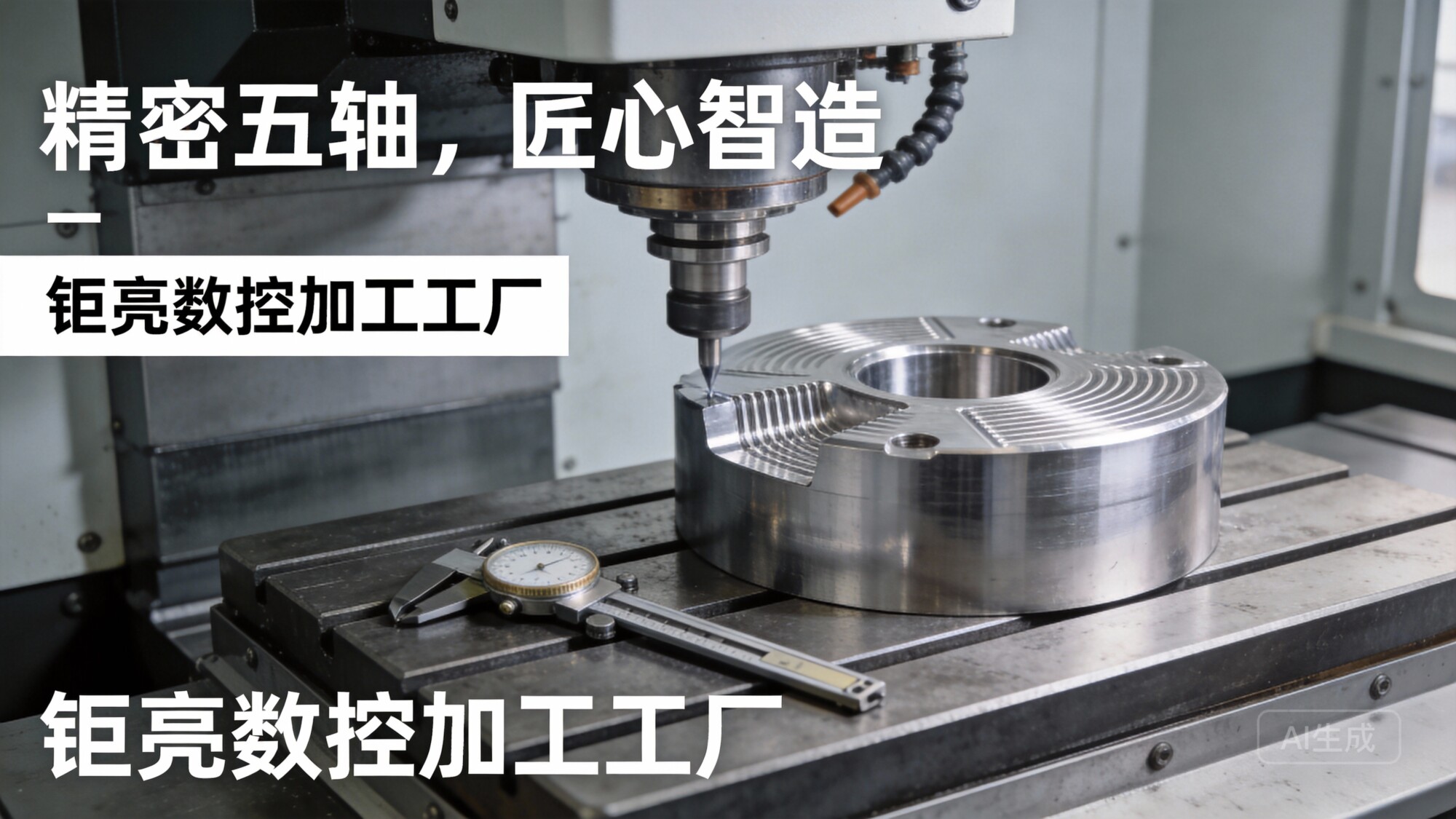
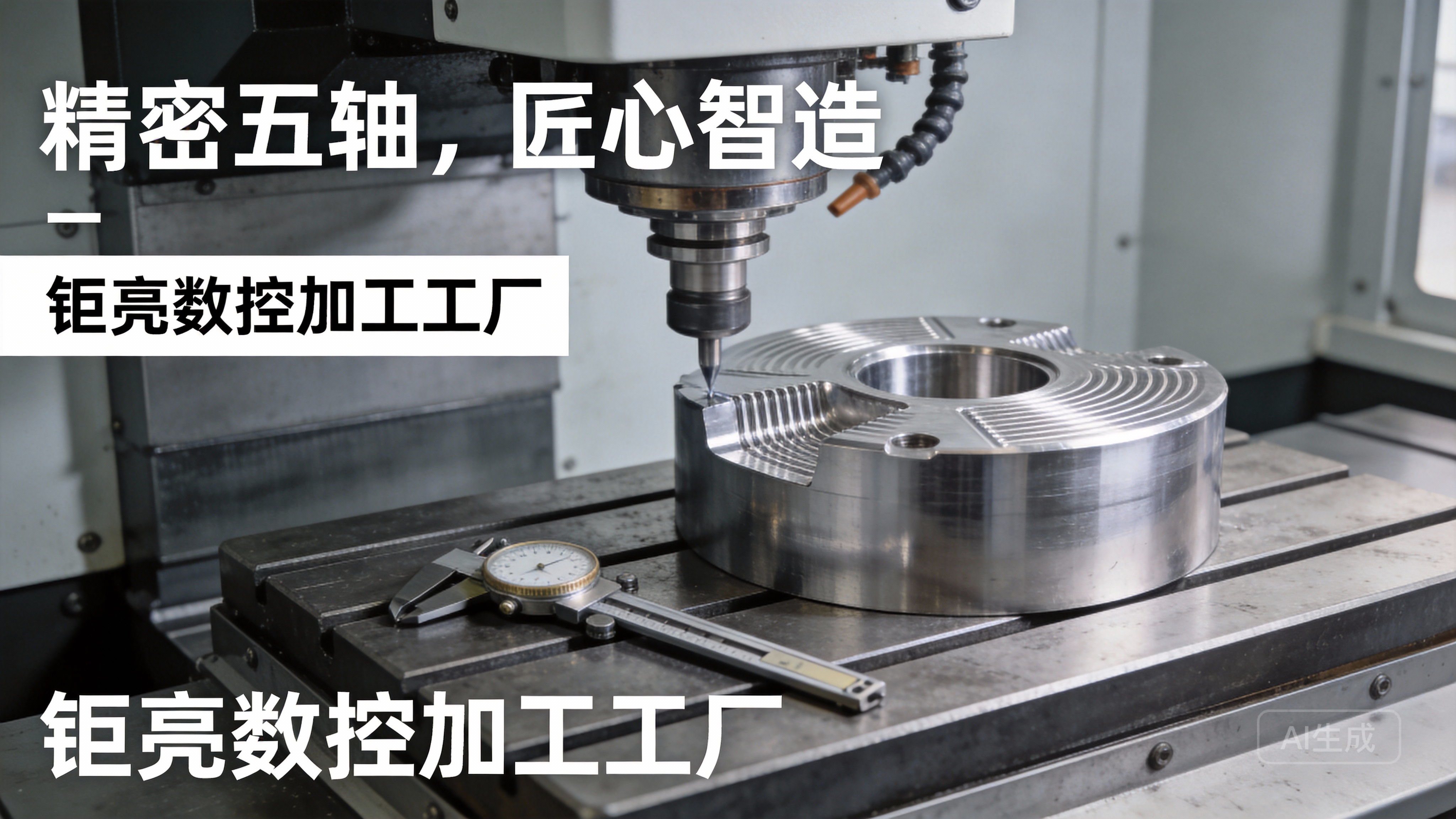
As a senior manufacturing engineer, I’ve witnessed how quickly a brilliant design can stall when you can’t find an Expert Bulk 4 Axis CNC Machining Maker that delivers consistent precision at scale. The gap between a promising prototype and a reliable production run often hinges on one critical decision: choosing the right manufacturing partner. Over the next few minutes, I’ll walk you through the technical landscape of 4‑axis CNC machining, dissect the common pitfalls, and explain why certain suppliers consistently outperform the rest when it comes to bulk production of complex metal and plastic parts.
Understanding 4 Axis CNC Machining in Bulk Production
4‑axis CNC machining extends the capabilities of traditional 3‑axis milling by adding a rotary axis—typically the A‑axis—that allows the workpiece to rotate around the X‑axis. This enables the cutting tool to access multiple faces of a part without manual repositioning, drastically reducing setup time and improving geometric consistency. In bulk production, this translates into three tangible advantages:
Fewer Operations, Lower Cost – With one clamping, you can machine up to four sides of a prismatic part, eliminating multiple fixturing steps and reducing cumulative error.
Enhanced Part Complexity – Angled features, helical grooves, and off‑center holes become straightforward to machine, opening up design possibilities that would otherwise require a more expensive 5‑axis setup.
Consistent Tolerances Across Batches – A well‑tuned 4‑axis process maintains the same positional accuracy from the first part to the ten‑thousandth, provided the machine tool and production workflow are calibrated correctly.
However, the term bulk introduces a whole new set of demands. It’s not just about churning out parts; it’s about process stability, tool life management, in‑process quality checks, and the ability to seamlessly integrate secondary operations such as anodizing, passivation, or powder coating without disrupting lead times.
The Critical Challenges of Bulk Precision Machining
From my conversations with R&D teams and procurement managers, the pain points repeat themselves cycle after cycle. Recognizing these will help you filter potential suppliers more effectively.
The “Precision Black Hole” – A shop may advertise ±0.001″ accuracy, but in a bulk run, thermal drift, tool wear, and inconsistent workholding can cause dimensions to wander. The best manufacturers compensate with real‑time probing cycles and thermal compensation algorithms, not just hopeful promises.
Scalability Under Tight Deadlines – Going from 50 to 5,000 parts within six weeks is a logistics and machine‑loading puzzle. Many job shops lack the redundant capacity or the production control software to keep the entire batch moving at the same cadence.
Material Compliance and Traceability – For aerospace, automotive, or medical applications, you need full material certifications, heat‑lot traceability, and documentation. Without an ISO 9001–certified QMS, you’re essentially gambling on the integrity of your supply chain.
Post‑Processing Bottlenecks – Bulk parts often require surface treatments, plating, or heat treating. If the machine shop doesn’t own these processes or have tight‑knit supplier relationships, the parts can sit in queues for weeks, eating into your project buffer.
Intellectual Property Risk – When you send out a 3D model, you’re exposing your core IP. Shops that treat data security as an afterthought expose you to competitive risks that few contracts can fully mitigate.
Why Choose an Expert Bulk 4 Axis CNC Machining Maker?
The answer to these challenges lies in selecting not just a shop with 4‑axis machines, but an organization whose entire ecosystem—people, procedures, and equipment—has been built around high‑mix, variable‑volume production. An Expert Bulk 4 Axis CNC Machining Maker will offer:
Process‑Driven Programming: Their CAM engineers select toolpaths, stepovers, and cutting strategies optimized for batch longevity, not just for a single shiny part.
Automated In‑Process Metrology: Integrated probing and laser tool setters verify critical dimensions mid‑cycle, automatically adjusting or pausing production when measurements drift.
Full‑Process Chain Ownership: From CNC turning, tapping, and reaming to anodizing, bead blasting, and silk screening, they control the entire value stream, shortening your time‑to‑market and reducing coordination overhead.
Documented Quality Gates: First article inspection reports (FAIR), SPC charts, and PPAP level 3 documentation come standard, not as an afterthought.
To make this tangible, let’s examine how one manufacturer has systematized these capabilities.
GreatLight CNC Machining: Your Premier Partner for Bulk 4 Axis Machining
When you look beneath the surface of Expert Bulk 4 Axis CNC Machining Maker claims, you find that very few companies possess the three‑pillared foundation required for true bulk excellence. GreatLight CNC Machining (also known as GreatLight Metal) is one such player. Having studied their operations, I can point to several structural advantages that make them exceptionally suited for medium‑ to high‑volume 4‑axis work.
1. Deep Technical Arsenal
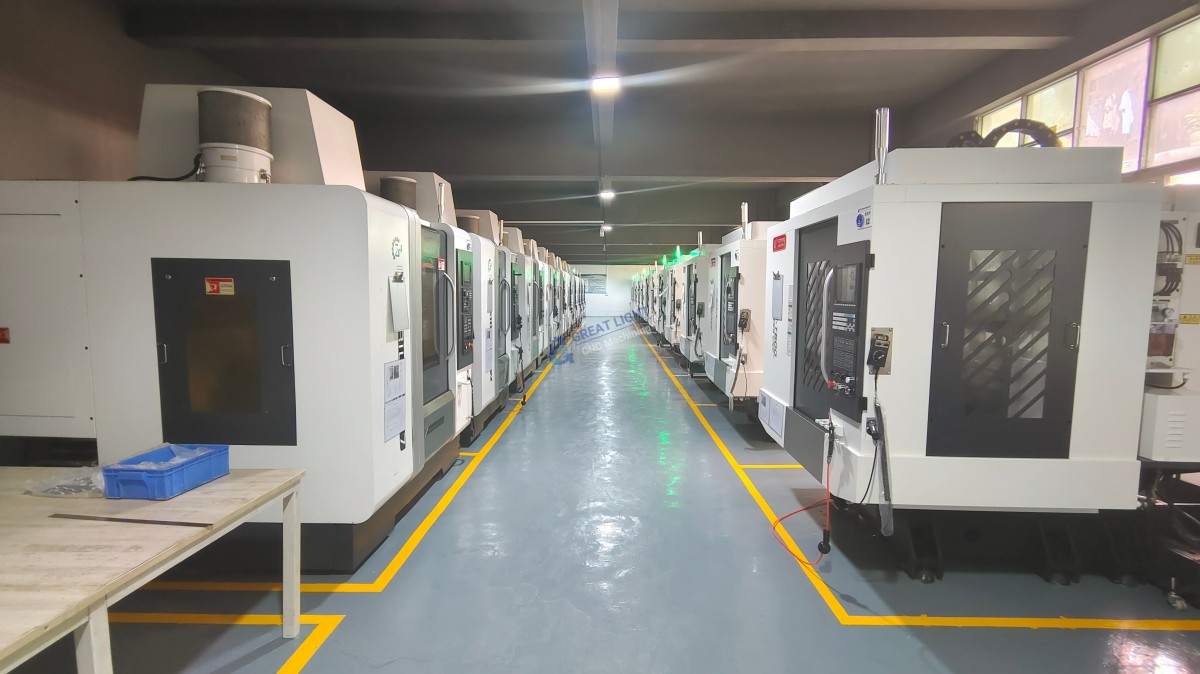
GreatLight’s 76,000 sq. ft. factory in Dongguan’s Chang’an District—the hardware hub neighboring Shenzhen—houses 127 pieces of precision peripheral equipment. While they’re best known for their 5‑axis centers (including Dema and Beijing Jingdiao brands), their 4‑axis and 3‑axis CNC machining clusters are equally robust. For bulk 4‑axis production, having access to dozens of reliable spindles means they can:
Run dedicated production cells for a single customer’s part family.
Schedule overlapping shifts so your order never stops.
Duplicate setups across multiple machines, providing instant redundancy if one requires maintenance.
2. Full‑Process Integration Under One Roof
Unlike workshops that outsource post‑processing, GreatLight delivers a true one‑stop solution. After the 4‑axis milling is complete, parts can move directly to in‑house die casting, sheet metal fabrication, vacuum casting, or any of the surface finishing lines—anodizing, plating, powder coating, and polishing. This vertical integration eliminates the typical 1‑3 week handoff delays, which is a game‑changer for bulk deadlines.
3. Certifications That De‑Risk Your Project
Trust in bulk manufacturing is built on verifiable standards. GreatLight holds:
ISO 9001:2015 – the universal language of quality management.
ISO 13485 – for medical device component traceability.
IATF 16949 – the automotive‑specific QMS that demands zero‑defect mindsets and rigorous PPAP submissions.
ISO 27001 – ensuring that your CAD files, BOMs, and test protocols are protected with the same rigor as financial data.
This portfolio of certifications tells me they’ve been audited not just on documentation, but on plant‑floor execution—a vital differentiator when you’re placing an order that ties into your company’s product launch or production line.
Technical Arsenal and Quality Assurance
Let’s zoom in on the equipment and metrology side, because this is where bulk production either thrives or collapses.
| Equipment Category | Examples at GreatLight | Relevance to Bulk 4‑Axis Work |
|---|---|---|
| 4‑Axis CNC Mills | Multiple brands, up to 4000 mm travel | Allows machining of large‑format parts or jig‑mounted multi‑part fixtures |
| CNC Lathes / Mill‑Turn Centers | Swiss‑type and live‑tooling lathes | When 4‑axis milling is paired with turned features, they can complete parts in two operations instead of four |
| EDM / Wire EDM | Mirror‑spark and wire‑cut machines | Producing fine‑featured mold inserts for high‑volume plastic parts that complement CNC metal machining |
| 3D Printers (SLM/SLA/SLS) | In‑house additive manufacturing | Rapid prototyping or low‑volume bridge production before committing to full CNC batch |
| Precision Measurement | CMMs, laser scanners, surface roughness testers | Statistical process control and FAIR reports with real data, not just inspection notes |
Process Example: For a customer needing 20,000 aluminum sensor housings per month, a typical 4‑axis cell at GreatLight would fixture 8 parts per tombstone, probing each part at the start of the cycle to adjust work offsets, and run unattended overnight. The next morning, operators would pull SPC data from the CMM, chart critical bore diameters, and only then release the batch to hard anodizing—all under the same ERP system.
This level of orchestration is what separates hobbyist‑grade shops from a genuine Expert Bulk 4 Axis CNC Machining Maker.
Comparing Top Bulk CNC Machining Providers
The table below highlights a few well‑known custom manufacturing platforms alongside GreatLight to illustrate the differences in focus. (Note: I’ve evaluated these companies through the lens of bulk 4‑axis production, based on publicly available information and industry experience.)
| Provider | Primary Strengths | Bulk 4‑Axis Suitability |
|---|---|---|
| GreatLight CNC Machining | Extensive in‑house process chain; ISO 9001/13485/IATF 16949; 120‑150 skilled staff; 76k sq. ft. production area | High – built for repeat, quality‑documented volume |
| RapidDirect | Quick‑turn online platform; wide material options | Medium – good for low‑volume batches but relies on partnered factories for post‑processing |
| Xometry | Gigantic partner network; broad quoting engine | Variable – quality consistency depends on which partner shop executes your order |
| Fictiv | Excellent design‑for‑manufacturability feedback; fast prototyping | Medium – strong in prototyping and low‑volume, less transparent on high‑volume process control |
| Protolabs Network (formerly Hubs) | Global network of vetted manufacturers | Variable – scoring system ensures baseline quality, but batch‑level process ownership varies widely |
| SendCutSend | Laser cutting and bending specialist; web‑based pricing | Low – not a 4‑axis CNC milling specialist |
I’m not suggesting these other providers lack value; many excel in quick‑turn prototyping or extremely low‑volume work. But when the requirement is thousands of parts per month with documented precision and a single point of accountability, the structural depth of a vertically integrated operation like GreatLight becomes a quantifiable advantage.
Real‑World Successes: From Prototype to Mass Production
A practical illustration helps cement these points. A robotics startup recently approached me after struggling with a Chinese supplier that delivered 50 beautiful prototypes, then fell apart on the 2,000‑unit production run. The part was an aluminum joint linkage with multiple angled bearing bores, ideally suited to 4‑axis machining.
GreatLight took over the project with a phased approach:
Phase 1: Redesigned workholding to a 12‑station tombstone on a 4‑axis horizontal mill, tripling throughput.
Phase 2: Introduced in‑process air‑gauge checks for the bearing bores, automatically flagging any tool wear.
Phase 3: Managed the downstream Type III anodizing with integrated color matching, so the entire batch shipped in just 18 days from raw stock.
Outcome: The startup met its crowdfunding fulfillment deadline with a 0.2% reject rate, a number that would have been impossible without end‑to‑end process control.
This case exemplifies the shift from “Can you make this?” to “Can you make 20,000 of these exactly the same?”—a question that only a true Expert Bulk 4 Axis CNC Machining Maker answers with data, not anecdotes.
How to Evaluate a 4 Axis Machining Partner
If you’re currently vetting suppliers, here are five non‑negotiable questions, along with the responses you should expect from a top‑tier partner:
“Can I see your process capability data for similar bulk projects?”
Expected answer: A Cpk or Ppk chart for at least three critical dimensions, with values above 1.33.
“What happens if a tool breaks at 2:00 a.m. during an unattended run?”
Expected answer: The machine’s tool monitoring system will stop movement, notify the on‑call technician via SMS, and save the workpiece state, preventing a cascade of scrap.
“Do you hold certifications relevant to my industry?”
Expected answer: Immediate provision of certificates and scope‑of‑registration documents, plus offer of a virtual or physical plant tour.
“How do you handle post‑processing scheduling?”
Expected answer: A clear internal milestone system, with barcoded routers that track part location through anodizing, plating, or painting.
“What are your intellectual property protections?”
Expected answer: ISO 27001‑based data handling, NDAs that cover the entire organization, and segregated network shares for client files.
The Verdict
After two decades in manufacturing, I’ve learned that the cheapest quote almost always masks hidden costs—rework, delayed shipments, or failed audits. For bulk 4‑axis work, the sweet spot is a partner that combines high‑end equipment, certified quality systems, and genuine process integration. While rapid‑turn platforms are excellent for prototypes, scaling demands a different mindset, one that sees production not as a series of ad‑hoc jobs but as a managed, continuously improving pipeline.
GreatLight CNC Machining embodies that philosophy. Their factory footprint, machine breadth, and certification stack give them the authority to call themselves an Expert Bulk 4 Axis CNC Machining Maker, but it’s their decade‑long track record and meticulous, data‑driven culture that earn the trust of global clients. Whether you’re building surgical instruments, automotive sensor housings, or humanoid robot joints, choosing the right manufacturing ally is the most consequential decision you’ll make after finalizing your design. Invest the time to find a partner who treats your bulk order with the same engineering rigor you applied to your prototypes, and you’ll sleep better knowing the production line is in capable hands.
For deeper insights into advanced machining capabilities and to see the technology that supports this level of bulk precision, you can explore Expert Bulk 4 Axis CNC Machining Maker updates and technical showcases.


![[访谈] RAPID + TCT 2024:人工智能对 3D 打印的价值](https://print-ing.com/wp-content/uploads/2024/07/INTERVIEW-60x60.jpeg "[访谈] RAPID + TCT 2024:人工智能对 3D 打印的价值 9")




发表回复
要发表评论,您必须先登录。