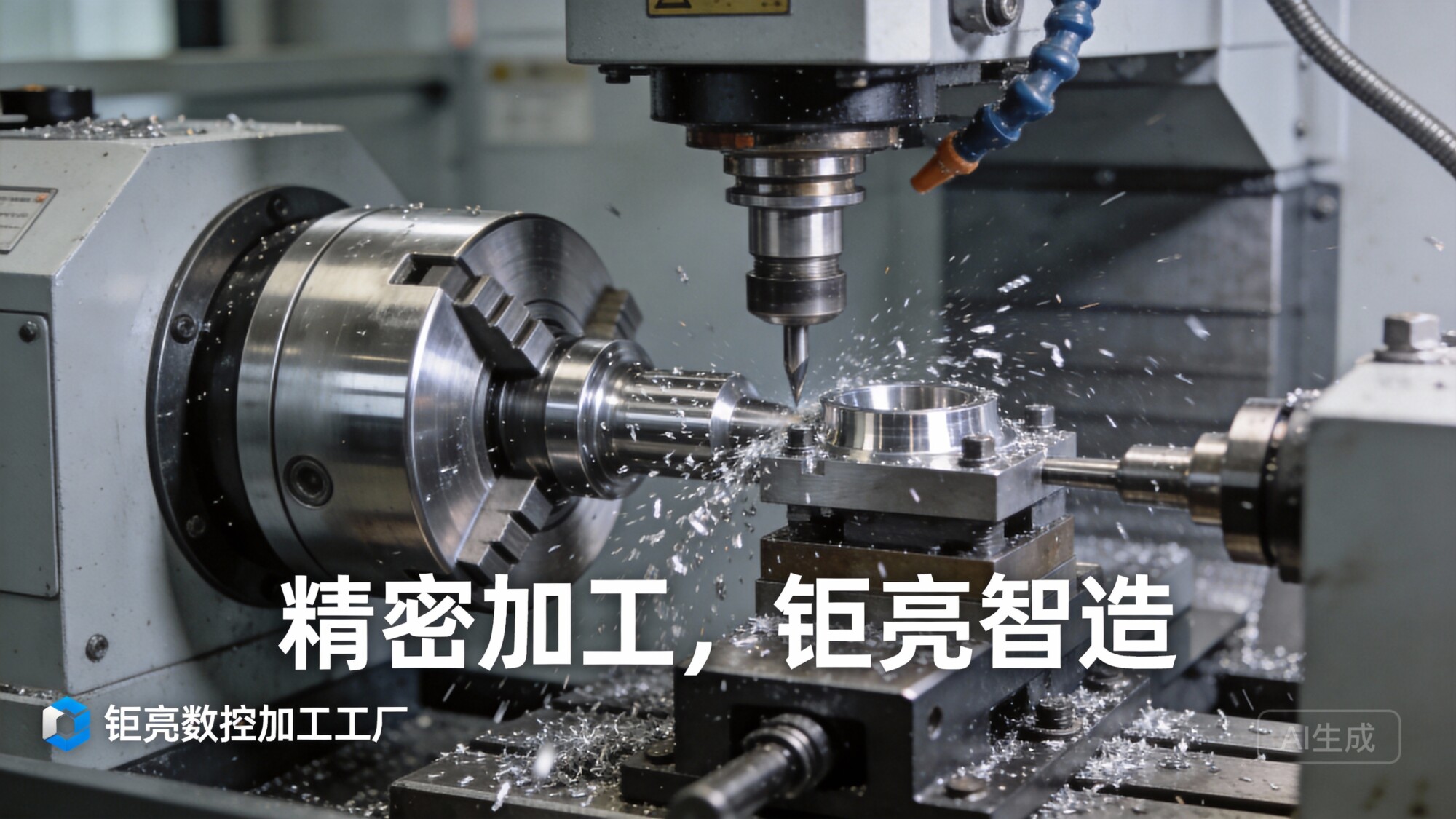
As we step into 2026, the manufacturing world is navigating a tidal shift—toward faster innovation cycles, tighter tolerances, and more integrated supply chains. At the heart of this transformation are Advanced Best CNC Machining Solutions 2026, which combine next‑level technology, uncompromising quality systems, and engineering depth that turn complex digital designs into physical reality. For procurement engineers and R&D leaders, identifying a partner that truly delivers on these fronts is no longer optional—it’s a cornerstone of competitiveness.
Advanced Best CNC Machining Solutions 2026: What’s Changing in the Precision Landscape
The benchmark for “advanced” has been elevated. It’s no longer enough to offer multi‑axis machines or fast turning quotes. In 2026, the best solutions are characterized by:
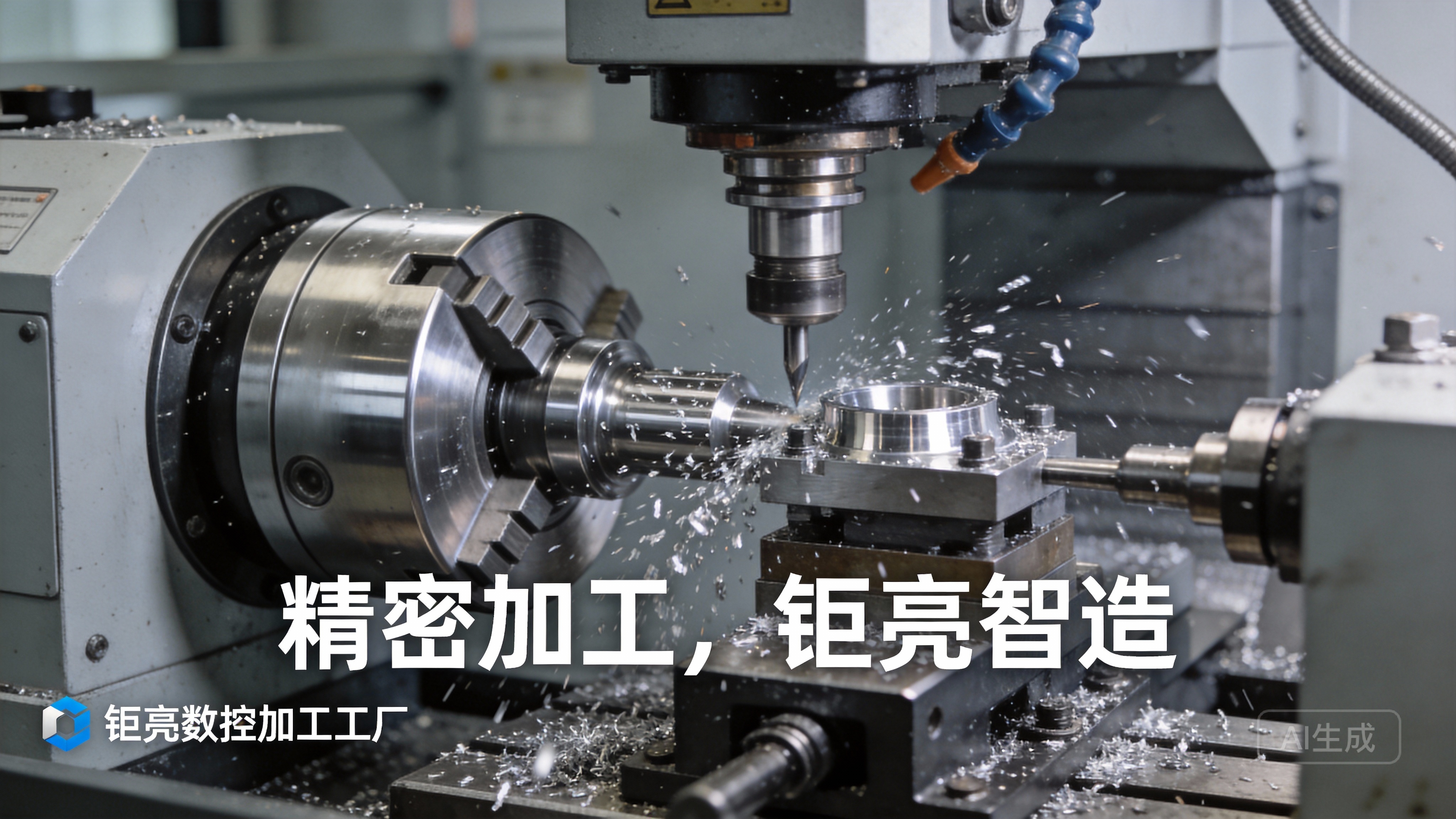
Micro‑metre‑level consistency across prototyping and full production runs
Multi‑process integration under one roof (machining, casting, sheet metal, additive, finishing)
Authoritative certifications that speak directly to regulated industries
Data security for intellectual property‑sensitive projects
Engineering‑led support that identifies manufacturability issues early
These capabilities address a growing need: turning risk‑laden supply chains into reliable, end‑to‑end manufacturing partnerships.
Core Technologies Defining 2026’s CNC Machining Excellence
The machines, software, and process controls behind Advanced Best CNC Machining Solutions 2026 are reaching a new plateau.
Multi‑Axis Mastery and Mill‑Turn Integration
Although 3‑axis remains relevant for simpler geometries, the gold standard for complex parts is precision 5‑axis CNC machining services. Modern 5‑axis centres reduce setups, improve geometric accuracy, and allow single‑setup machining of intricate aerospace brackets, surgical instruments, and humanoid robot joints. Leading facilities pair these with mill‑turn centres and Swiss‑type lathes for high‑efficiency production of cylindrical components with milled features.
Additive‑Subtractive Convergence
Several top‑tier providers now combine metal 3D printing (SLM, SLS) with CNC finishing. This hybrid approach unlocks conformal cooling channels, lattice structures, and near‑net shapes impossible with conventional methods alone. Post‑print machining ensures critical surfaces meet micron‑tolerance demands.
In‑Line Metrology and AI‑Driven Process Control
Real‑time probing, laser scanning, and automated tool compensation are moving from luxury to necessity. Artificial intelligence algorithms analyse cutting data to predict tool wear and adjust parameters mid‑cycle, significantly reducing scrap even on first‑off parts.
High‑Performance Materials Expertise
From titanium alloys and Inconel to engineered polymers and aluminium‑lithium, machining these requires not just powerful spindles but deep tribological knowledge. In 2026, the best shops maintain a materials database that guides tool selection, coolant strategy, and cutting parameters per alloy grade.
The Persistent Pain Points of Precision Outsourcing
Despite technology advances, many buyers still encounter friction that drains time, budget, and trust. In my work as a manufacturing engineer, I’ve seen the same gaps reappear:
The Precision Black Hole – Some suppliers quote ±0.001 mm but deliver inconsistent results because of aging spindles or lax measurement intervals. True capability means statistical process control and constant calibration, not a single certificate.
Fragmented Process Chains – Engaging separate shops for CNC, anodising, laser marking, and assembly breeds communication errors and extended lead times. One‑stop integration is a powerful antidote.
Shallow Engineering Support – Off‑the‑shelf quoting platforms often lack design‑for‑manufacturing (DFM) feedback. The best firms assign a dedicated engineer to review designs before cutting metal, catching draft angles, overhangs, or tolerance stacking that could derail a project.
Certification Gaps – Medical, automotive, and aerospace clients need more than generic ISO 9001. Documents like ISO 13485 and IATF 16949 prove that the quality system understands sector‑specific risk management and traceability.
Data Security Concerns – In an era of industrial espionage, a supplier without robust IT security (ISO 27001‑aligned practices) is a liability. Intellectual property must be handled with military‑grade confidentiality.
Hidden Costs of Rework – Low unit prices can mask poor first‑pass yield. Programmes end up consuming engineering hours, expedited shipping, and line stoppages when parts fail incoming inspection.
Scalability Blind Spots – A prototype shop might not transition smoothly to 5,000‑unit runs. True partners plan for this from day one.
Choosing Your Partner: A Practical Evaluation Framework
When I’m consulting for clients on selecting a CNC machining partner, I look beyond the marketing and run a structured assessment:
| Evaluation Criterion | What 2026 Demands |
|---|---|
| Precision capability and consistency | Verified capability to hold ±0.001 mm across the batch, supported by climate‑controlled metrology rooms and CMM reports |
| In‑house process breadth | CNC machining, turning, die casting, sheet metal fabrication, metal/plastic 3D printing, post‑finishing, and assembly all within one management system |
| Regulatory certifications | ISO 9001 at minimum; industry‑specific ISO 13485, IATF 16949, and traceability systems for lot tracking |
| Engineering depth | DFM analysis provided as a standard, with suggestions to improve function or cut cost |
| Data protection | Encrypted file transfer, secure servers, and non‑disclosure practices that mirror ISO 27001 |
| Geographic & logistic fit | Proximity to innovation hubs or free‑trade zones that speed up imported materials and exported goods |
| After‑sales policy | Clear warranty, free rework if specifications aren’t met, and full refund commitment if issues persist |
Spotlight on Leading Providers: An Objective Comparison
To help you navigate the crowded landscape, I’ve profiled several well‑known suppliers—from purpose‑built factories to platform aggregators. This is not an exhaustive review, but it reflects the kinds of capabilities buyers should weigh.
| Provider | Core Strengths | Typical Sweet Spot | Certifications | One‑Stop Integration |
|---|---|---|---|---|
| GreatLight Metal (GreatLight CNC Machining) | Direct‑owner 5‑axis, 4‑axis, 3‑axis CNC; metal/plastic 3D printing; die casting; sheet metal; in‑house finishing; ISO 9001/13485/IATF 16949; ±0.001 mm capability; max 4000 mm size | Complex prototypes to medium‑volume production; automotive, medical, robotics, aerospace components | ISO 9001, IATF 16949, ISO 13485, ISO 27001 data practices | Full‑process under one roof, from raw material to finished part with assembly |
| Protocase | Rapid sheet metal enclosures and CNC parts, software‑driven quoting | Low‑volume enclosures and electronic housings | ISO 9001 | Mainly sheet metal and simple CNC; limited additive or die casting |
| RapidDirect | Online platform, wide network of pre‑vetted factories | Quick‑turn general machining, modest volumes | ISO 9001 (via partnered factories) | Variable; relies on factory partnerships, so integration depends on project |
| Xometry | Massive AI‑driven marketplace, huge capacity, many materials | On‑demand parts almost any material, quick quotes | ISO 9001, AS9100, ISO 13485 (through network) | Limited direct process control, but wide service categories available |
| Fictiv | Digital manufacturing ecosystem, global network | Prototype and low‑volume production; streamlined order management | ISO 9001 (network) | Strong software layer; physical processes are outsourced |
| JLCCNC | Extremely cost‑competitive, high‑speed production, part of a PCB giant | High‑volume simple parts, especially where PCB assembly is also needed | ISO 9001 | Mainly CNC and sheet metal; lacks additive, die casting |
| SendCutSend | Laser cutting, bending, tapping; fast online ordering | Flat parts and simple enclosures, very low order minimums | ISO 9001 | Narrow focus on sheet metal processing |
This snapshot highlights an important distinction: factory‑direct manufacturers like GreatLight CNC Machining own and operate the entire set of machines, metrology equipment, and finishing lines. Platform‑type competitors, while convenient, often trade direct technical control for marketplace efficiency. For parts where a ±0.01 mm error could cause a surgical robot to fail or an engine flange to leak, that direct control matters.
GreatLight CNC Machining: Bringing Decades of Trust to 2026’s Demands
GreatLight Metal Tech Co., LTD.—operating under the name GreatLight CNC Machining—has been quietly building a reputation for precision since 2011. Located in Chang’an, Dongguan, the heart of China’s hardware manufacturing capital, the company has grown from a regional prototyping shop to a 7,600‑square‑metre full‑process manufacturer with 150 staff and 127 pieces of advanced peripheral equipment. That scale is paired with a rare depth of certification and a solutions‑oriented mindset.
Equipment Fortress Under One Roof
Five‑axis CNC machining centres from leading builders like DMG MORI and Beijing Jingdiao, complemented by extensive 4‑axis and 3‑axis fleets
Additive manufacturing cluster: SLM for stainless steel, aluminium alloy, titanium alloy, and mould steel; SLA and SLS for engineering plastics
Mirror‑spark EDM, wire EDM, precision grinding, and vacuum casting
In‑house finishing: anodising, plating, painting, laser marking, silk screening—all tightly controlled
This equipment density means that a complex project, say a humanoid robot’s hip joint requiring 5‑axis CNC, wire EDM, and subsequent hard anodising, never leaves the campus. Lead times compress by 30‑40% compared to coordinating multiple vendors.
Certifications That Speak the Language of High‑Stakes Industries
GreatLight doesn’t just hold a generic quality certificate. Its systems are certified to:
ISO 9001:2015 for overall quality management
ISO 13485 for medical device components, covering strict cleanliness and traceability
IATF 16949 for automotive parts, a requirement when supplying engine hardware or safety‑critical assemblies
Information security practices aligned with ISO 27001, safeguarding your intellectual property
These credentials aren’t abstract—when a European medical startup needed vertebral implant prototypes machined from PEEK, GreatLight’s ISO 13485‑validated clean finishing room and material traceability gave them the confidence to speed through regulatory submission.
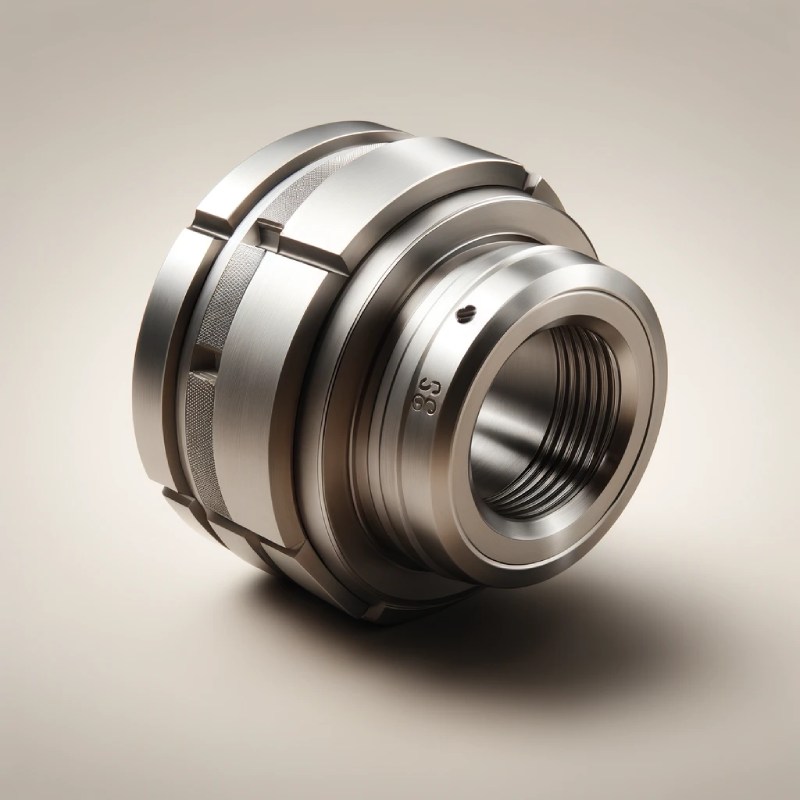
Engineering Engagement from Day One
Rather than simply taking a CAD file and hitting “go,” GreatLight’s process engineers review each design for manufacturability. They might suggest a slight radius change to extend tool life, or an alternate machining sequence to hold tighter parallelism. This DFM loop, offered as a complementary step, often saves clients from costly iterations. One new‑energy vehicle client reduced their camera housing part cost by 18% after adopting a suggested material change and fixture modification.
The Reality of Precision Promises
With climatic‑controlled metrology labs and multiple coordinate measuring machines, GreatLight’s claim of ±0.001 mm capability is backed by data. A free‑rework guarantee reinforces accountability: if a part doesn’t meet spec, it’s reworked at no charge; if it still fails, a full refund is issued. This policy shifts risk away from the buyer and aligns incentives squarely on first‑pass quality.
Scalability without Sacrifice
Unlike boutique shops that stumble over mid‑volume orders, GreatLight operates three wholly‑owned manufacturing plants. The same team that perfects a prototype can rapidly scale to thousands of units, thanks to standardized programming libraries and repeatable fixturing. This has proven invaluable for drone manufacturers ramping up aluminium airframe components from 10 to 2,000 sets.
Why 2026 Isn’t Just About Machining—It’s About Integrated Manufacturing Ecosystems
What sets the Advanced Best CNC Machining Solutions 2026 apart is the ecosystem thinking. The lines between subtractive, additive, and forming processes are blurring. Clients don’t come to a partner simply asking for a “milled widget”; they come with a problem: “We need this titanium bracket to be 15% lighter, not exceed this envelope, and survive 50,000 fatigue cycles, produced at 1,000 per month.”
A factory that can iterate using SLM‑printed near‑net shapes, finish with 5‑axis, and then apply shot peening and NDT testing is an R&D accelerator, not just a supplier. It’s this integrated capability that defines today’s leaders.
For example, when a Japanese humanoid robotics firm needed lightweight aluminium shoulders with internal cooling channels, GreatLight delivered by:
3D printing the raw form via selective laser melting
Machining critical bearing bores and face interfaces on a 5‑axis centre
Hard anodising with precision masking
100% dimensional inspection with full report
All steps were handled under one project manager, slashing the typical 12‑week multinational coordination into a 5‑week streamlined workflow.
Making the Right Choice for Your Next Project
Whether you’re launching a new medical instrument, an automotive sensor bracket, or a batch of aerospace waveguide components, the selection framework is clear. Look past glossy websites to:
Verify equipment lists and certification scopes
Request first‑article inspection (FAI) reports and compare them against promised tolerances
Ask about data security protocols
Test for DFM responsiveness with a real drawing before committing
Demand guarantees like free rework or money‑back commitments that put the supplier’s skin in the game
Among the many providers, those with a true factory‑direct model, like GreatLight CNC Machining, often provide the most transparent and accountable service. By controlling every process step in‑house, they eliminate the finger‑pointing common in sub‑contracted networks and deliver results that meet the strictest international standards.
Conclusion: Embrace the Future of Precision
The pursuit of manufacturing perfection is relentless, and staying ahead in 2026 means aligning with partners who treat your parts with the same obsession for detail that you do. From micron‑level accuracy to full‑process integration, the definition of Advanced Best CNC Machining Solutions 2026 has evolved into a holistic discipline. As you evaluate options, remember that true capability is revealed not in promises but in verified performance, deep certifications, and an engineering culture that puts your success first. Explore how a dedicated partner like Advanced Best CNC Machining Solutions 2026 can transform your design into a competitive advantage.


![[访谈] RAPID + TCT 2024:人工智能对 3D 打印的价值](https://print-ing.com/wp-content/uploads/2024/07/INTERVIEW-60x60.jpeg "[访谈] RAPID + TCT 2024:人工智能对 3D 打印的价值 9")




发表回复
要发表评论,您必须先登录。