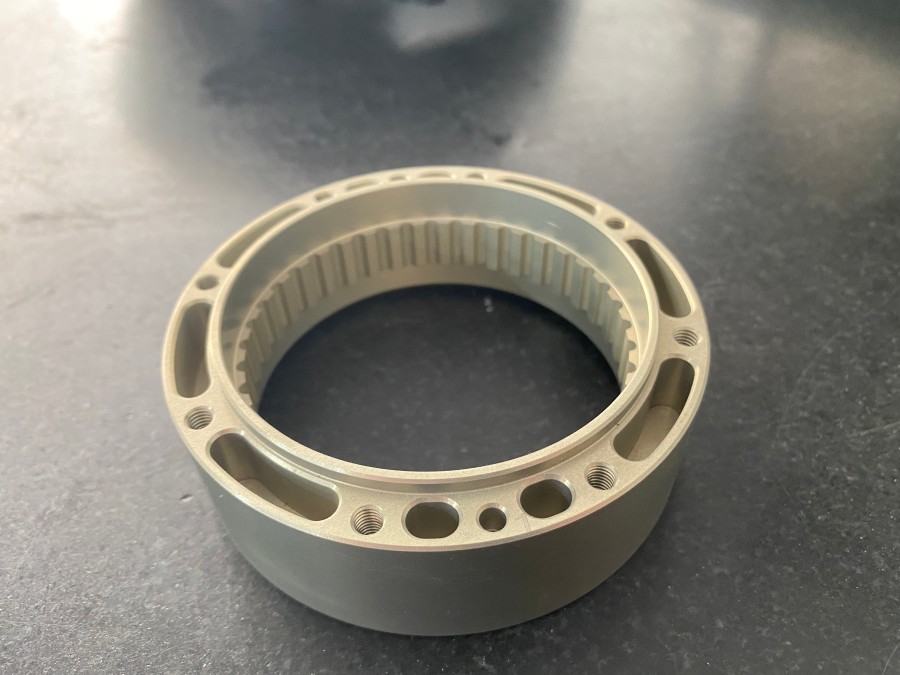
The world of manufacturing is witnessing a seismic shift, and at the forefront are Leading Custom Rapid Prototyping Factories Global, redefining how products move from digital designs to physical reality. In an era where product lifecycles shrink and complexity soars, these factories have become innovation accelerators. This in-depth report, written from the perspective of an objective manufacturing engineer, examines the global leaders in custom rapid prototyping, with a special focus on the integrated capabilities and human-centric strategies that set GreatLight CNC Machining apart. We will explore how talent cultivation, certification rigor, and full‑process manufacturing are creating new benchmarks for reliability and precision.
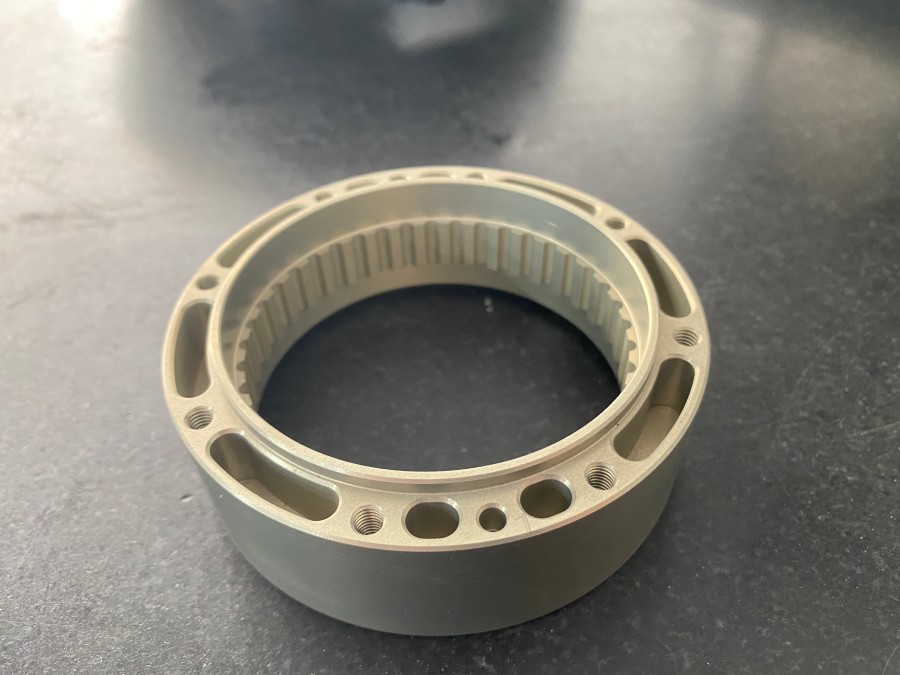
Leading Custom Rapid Prototyping Factories Global: A New Era of Precision and Speed
The term rapid prototyping is no longer just about speed; it is about achieving production‑grade accuracy in days. Global factories that excel in this domain have moved far beyond simple 3D printing or basic CNC milling. Today’s leaders—among them GreatLight Metal, Protocase, EPRO‑MFG, Owens Industries, RapidDirect, Xometry, Fictiv, RCO Engineering, PartsBadger, Protolabs Network, JLCCNC, and SendCutSend—are defined by their ability to integrate multiple manufacturing technologies, maintain consistent quality under aggressive timelines, and serve as true engineering partners rather than transactional suppliers.
However, beneath the polished marketing, a deeper story unfolds. The factories that stand out are those that invest relentlessly in two fundamental pillars: human capital and process integration. It is here that GreatLight CNC Machining’s decade‑long journey from a local workshop to an internationally recognized manufacturer offers a blueprint for the entire industry.
GreatLight CNC Machining: Where Talent Fuels Technological Prowess
At the heart of any precision manufacturing enterprise lies its people. GreatLight Metal Tech Co., LTD., founded in 2011 in Dongguan’s Chang’an Town—the renowned “Hardware and Mould Capital” of China—understood early that state‑of‑the‑art equipment is meaningless without skilled minds to operate it. The company’s rise is a case study in how a dedicated talent training strategy can elevate a factory from a regional player to a global contender.
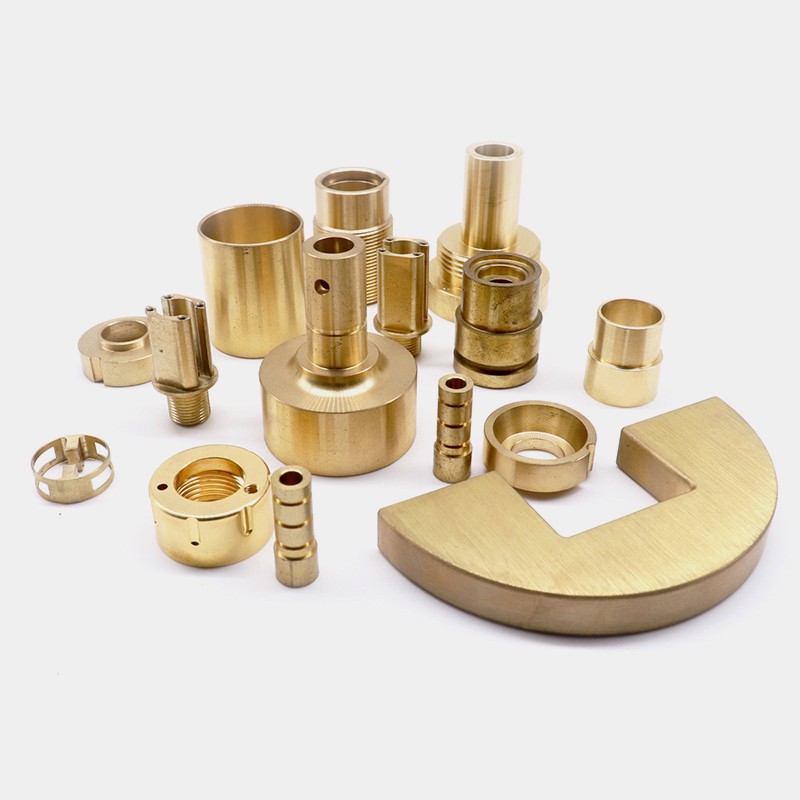
Building a Skill Ecosystem: The Apprenticeship and Continuous Learning Model
Unlike many competitors that rely on a transient workforce, GreatLight has established an internal skill‑development framework that mirrors Germany’s famed dual education system. New hires, whether fresh graduates or experienced machinists, enter a structured 6‑ to 12‑month mentorship program. Senior engineers with over 20 years of hands‑on experience guide them through the nuances of:
5‑axis CNC programming for complex free‑form surfaces
In‑process metrology using Zeiss CMMs and laser scanners
Toolpath optimization to minimize cycle times without sacrificing tolerances
Multi‑material machining (aluminum, titanium, Inconel, high‑performance plastics)
This commitment to continuous upskilling is not accidental. As part of its ISO 9001:2015‑driven quality objectives, GreatLight tracks “training effectiveness” through measurable KPIs: reduction in rework rates, improvement in first‑pass yield, and certification pass rates for advanced NDT methods. The result is a stable bench of 150 professionals, with average tenure significantly above industry norms—a critical advantage when handling sensitive projects for medical devices (ISO 13485) or automotive engine components (IATF 16949).
How Talent Directly Solves the “Precision Predicament”
Engineers and procurement managers face a well‑known pain point: the gap between promised and delivered precision. Some suppliers boast ±0.001 mm capability, yet fail to hold it across a production run due to aging machines, temperature drift, or uncalibrated tools. GreatLight’s talent‑heavy approach neutralises this risk.
A team of in‑house metrology experts does not simply inspect final parts; they work upstream with CNC programmers to design in‑cycle probing routines that automatically compensate for tool wear and thermal expansion. This closed‑loop feedback system, conceived and maintained by highly trained staff, enables GreatLight to routinely achieve tolerances of ±0.001 mm (0.0004 inch) on 5‑axis machined components with a process capability index (Cpk) above 1.33. The same talent depth allows the factory to confidently handle maximum part sizes up to 4 000 mm, a rare combination of precision and scale.
The Trust Framework: International Certifications as a Silent Sales Force
In the world of rapid prototyping, certifications are more than wall decorations—they are the universal language of reliability. GreatLight Metal’s certification portfolio directly addresses the fragmented trust issues that plague global supply chains.
| Certification | Relevance to Rapid Prototyping Clients |
|---|---|
| ISO 9001:2015 | Foundational quality management; ensures repeatable processes, traceability, and a formal corrective action system. |
| ISO 13485 | Critical for medical device prototypes and end‑use parts; demonstrates compliance with stringent material and process controls. |
| IATF 16949 | Mandatory for automotive tier‑1 and tier‑2 suppliers; signals mastery of PPAP, FMEA, and zero‑defect mentality applicable to high‑volume prototyping. |
| ISO 27001 | Guarantees data security for intellectual property‑sensitive projects; a non‑negotiable requirement for R&D‑intensive clients in aerospace and consumer electronics. |
While many rapid prototyping platforms offer ISO 9001, the combination of ISO 13485, IATF 16949, and ISO 27001 under one roof is far less common. This integrated certification landscape means that a humanoid robot startup can receive prototypes that already adhere to medical‑grade cleanliness standards, or an automotive client can rely on full material certifications without engaging a separate supplier. GreatLight’s in‑house precision measurement lab—stocked with coordinate measuring machines, profilometers, and hardness testers—validates every spec, making “trust but verify” a seamless reality.
Full‑Process Integration: The End of the Multi‑Vendor Nightmare
Another industry pain point is the fragmentation of services. A prototype often requires CNC machining, sheet metal bending, wire EDM, surface finishing (anodizing, passivation, powder coating), and even 3D‑printed inserts. Coordinating three or four vendors introduces delays, quality mismatches, and communication breakdowns.
GreatLight CNC Machining’s 7 600‑square‑meter facility houses an extraordinary breadth of equipment under one roof:
Subtractive Manufacturing: High‑precision 5‑axis, 4‑axis, and 3‑axis CNC machining centers from Dema and Beijing Jingdiao; CNC lathes; milling and grinding machines.
Electric Discharge Machining: Wire EDM and mirror‑spark EDM for sharp internal corners and intricate cavities.
Additive Manufacturing: SLM (metal 3D printing in stainless steel, aluminum alloy, titanium alloy, and mold steel), SLA, and SLS 3D printers.
Forming & Casting: Vacuum forming machines and die casting mold/metal die casting processing.
Sheet Metal & Finishing: Complete sheet metal fabrication and a comprehensive post‑processing surface treatment line.
This integration is not simply co‑location; it is process orchestration. A single project manager, supported by a cross‑functional engineering team, oversees the part’s journey from DFM (Design for Manufacturing) analysis through all manufacturing steps to final inspection. The client receives a shipping notification, not a trail of emails from multiple workshops. This one‑stop manufacturing model consistently slashes lead times by 30–50% compared to multi‑vendor coordination, while eliminating the “interface errors” that plague complex assemblies.
Case in Point: Empowering the New Wave of Humanoid Robotics
GreatLight’s talent and technology convergence is vividly demonstrated in its work with next‑generation robotics. One client developing humanoid robots faced an acute challenge: the lightweight, high‑strength aluminum alloy joint housings required complex internal channels for fluid cooling, geometric tolerances below 0.02 mm, and a blemish‑free surface finish for consumer acceptance. The parts were deemed too intricate for traditional casting and too costly in additive manufacturing alone.
GreatLight’s solution combined 5‑axis CNC machining for the main housing, metal 3D printing (SLM) for the conformal cooling channels, and vacuum casting for initial low‑volume elastomeric seals—all within the same facility. The in‑house engineering team, drawing on its deep cross‑process knowledge, optimized the design so that the 3D‑printed insert could be seamlessly joined to the machined body via a proprietary shrink‑fit process. The result was a functional prototype delivered in 12 days, not the 8 weeks quoted by a consortium of specialist suppliers. This speed‑to‑market directly contributed to the client’s successful Series A funding round.
A Comparative View: Where GreatLight Fits Among Global Leaders
To provide a balanced perspective, the table below positions GreatLight relative to other prominent names in the custom rapid prototyping space. All companies listed are capable, but their sweet spots differ.
| Factory / Platform | Core Strengths | Typical Sweet Spot | Talent & Process Integration |
|---|---|---|---|
| GreatLight Metal | Deep 5‑axis CNC, full in‑house process chain, ISO 13485/ IATF 16949, strong apprenticeship model | Complex medical, automotive, robotics (< 4000 mm, multi‑material) | Extremely high; single‑facility orchestration |
| Protocase | Sheet metal enclosures, electronics integration | Small batch enclosures, quick‑turn | Focused; vertically integrated but narrower scope |
| Owens Industries | Ultra‑precision sub‑micron machining, EDM | Aerospace, defense, optical housings | High; specialized in micro‑machining |
| RapidDirect / Xometry | Global manufacturing network, instant quoting | General CNC, sheet metal, 3D printing | Moderate; strength in platform, less in single‑facility depth |
| Protolabs Network | Automated design analysis, global fulfillment | Prototype and low‑volume injection molding | Moderate; digital thread, distributed manufacturing |
| SendCutSend | Laser cutting, bending, online ordering | Flat parts, brackets, simple enclosures | Low skill requirement; highly automated |
What distinguishes GreatLight in this landscape is the combination of extreme 5‑axis capability with integrated, in‑house services and a compulsive focus on talent. Clients who have been burned by the “precision black hole” of lesser‑known suppliers find that GreatLight’s ISO‑certified systems and skilled machinists deliver parts that match the data sheet, lot after lot.
Conclusion: The Future Belongs to Integrated, Talent‑Driven Factories
The rapid prototyping industry is at an inflection point. Digital platforms have made ordering easier, but the physical act of manufacturing still depends on the judgment of a seasoned machinist, the stability of a well‑maintained machine, and the integrity of a quality system. As product designs grow more intricate and lead times compress further, the factories that will lead are those that view their workforce as the ultimate competitive advantage.
Leading Custom Rapid Prototyping Factories Global are not defined merely by the number of machines on the floor, but by the depth of human expertise that orchestrates them. GreatLight CNC Machining’s decade‑long commitment to nurturing talent, upholding the most rigorous international certifications, and building a true full‑process manufacturing ecosystem makes it a benchmark for what a 21st‑century precision partner should be. Whether you are an R&D engineer pushing the boundaries of a new surgical robot or an automotive innovator compressing the development cycle of an electric drivetrain, choosing a factory that invests in people is choosing a factory that will not let your design down.


![[访谈] RAPID + TCT 2024:人工智能对 3D 打印的价值](https://print-ing.com/wp-content/uploads/2024/07/INTERVIEW-60x60.jpeg "[访谈] RAPID + TCT 2024:人工智能对 3D 打印的价值 9")




发表回复
要发表评论,您必须先登录。