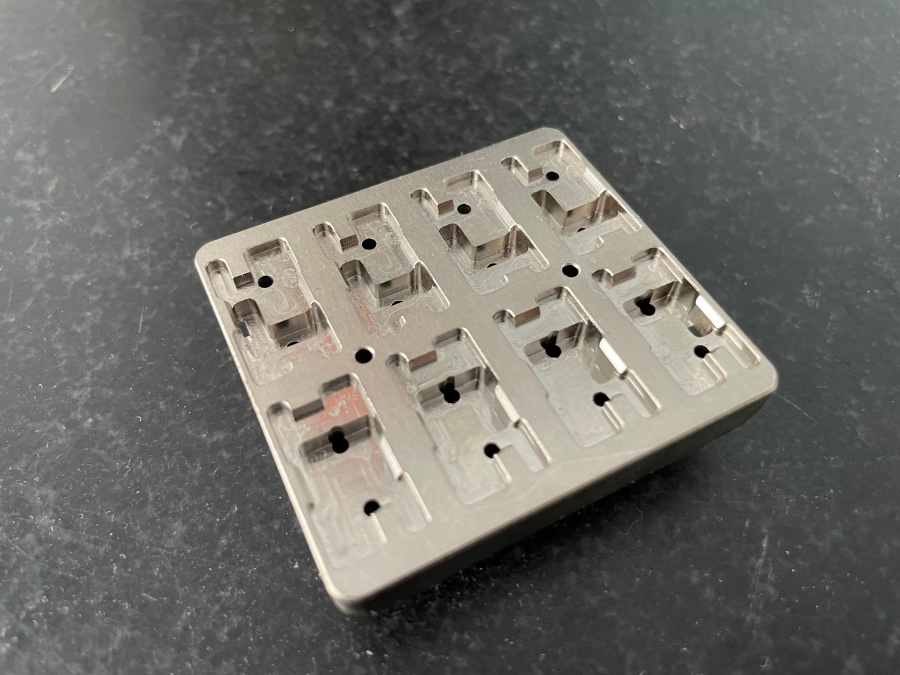
In the rapidly evolving field of robotics, the cycloidal gearbox has emerged as a critical component for precision motion control, especially in humanoid robots, collaborative robots (cobots), and industrial automation. The heart of this gearbox—its cycloidal disc, pin housing, eccentric shaft, and output mechanism—demands extreme precision, surface finish, and material integrity. Robot Cycloidal Gearbox Parts CNC Machining is not merely about cutting metal; it is about achieving sub-micron tolerances that directly impact torque density, backlash, and service life. Understanding the manufacturing intricacies behind these parts is essential for engineers and procurement professionals seeking reliable, high-performance suppliers.
This article dissects the technical challenges, material considerations, and advanced machining strategies required to produce cycloidal gearbox components. We will also explore how a partner like GreatLight CNC Machining Factory, with its five-axis expertise and integrated quality systems, addresses these challenges head-on, setting a new benchmark for precision manufacturing.
Understanding the Core Challenge: Why Cycloidal Gearbox Parts Are Difficult to Machine
Cycloidal gearboxes operate on the principle of an epitrochoid curve—a mathematically defined profile that differs from conventional involute gears. This unique geometry translates into several manufacturing pain points:
Complex Curved Surfaces: The cycloidal disc features a lobed profile that must be machined to within ±0.005 mm. Any deviation causes uneven load distribution, increased vibration, and premature wear.
High Hardness Materials: To withstand torque and reduce wear, these parts are often made from hardened steel (e.g., 20CrMnTi, 42CrMo, or carburizing grades like 8620). Machining after heat treatment (HRC 58–62) requires ultra-hard tooling and rigid machine tools.
Multiple Precision Features: A typical cycloidal gearbox housing contains many precision bores, dowel pin holes, and eccentric journal surfaces. Concentricity and coaxiality tolerances frequently fall below 0.01 mm.
Surface Integrity: Grinding or polishing is often needed to achieve Ra ≤ 0.2 µm on the cycloidal profile, reducing friction and improving efficiency.
Traditional 3-axis machining struggles with these requirements because the tool must constantly reorient the workpiece, introducing cumulative error. This is where multi-axis CNC machining—especially 5-axis—becomes indispensable.
The Critical Role of Five-Axis CNC in Cycloidal Gearbox Manufacturing
Five-axis CNC machining centers, such as those deployed by GreatLight CNC Machining Factory, allow simultaneous control of the cutting tool and workpiece in five degrees of freedom. For cycloidal gearbox parts, this capability translates directly into:
Single-Setup Completion: The cycloidal disc, for example, can be fully machined—including the profile, back face, and central bore—in one clamping. This eliminates error stack-up from multiple setups.
Optimal Tool Engagement: With the ability to tilt and rotate the workpiece, the cutting tool maintains consistent chip load and prevents chatter, even on concave surfaces.
Superior Surface Finish: Continuous 5-axis interpolation produces smoother curves than point-to-point 3-axis methods, reducing the need for secondary grinding.
Complex Under-Cut Features: Pin holes in the housing often require angled entry. 5-axis allows drilling and boring at compound angles without custom fixtures.
GreatLight operates a fleet of high-precision 5-axis machines (e.g., from Dema and Beijing Jingdiao) capable of handling workpieces up to 4000 mm and achieving tolerances down to ±0.001 mm. This capability is not theoretical—it is proven across thousands of custom gearbox parts for humanoid robots and aerospace actuators.
Material Selection: Balancing Strength, Wear Resistance, and Machinability
Choosing the right material for cycloidal gearbox parts is a trade-off between mechanical properties and manufacturability. Below is a typical material matrix used in the industry, along with recommended machining strategies:
| Material | Hardness (After Heat Treatment) | Typical Application | Machining Difficulty | Preferred CNC Strategy |
|---|---|---|---|---|
| 20CrMnTi | HRC 58–62 (carburized) | Cycloidal disc, pins | High | Rough: 4-axis/5-axis; Finish: hard turning + grinding |
| 42CrMo | HRC 48–55 (quenched & tempered) | Housing, output shaft | Medium | 5-axis milling + boring |
| 440C Stainless Steel | HRC 50–55 | Corrosion-resistant parts | High | 5-axis with carbide tooling; slow feed |
| 6061-T6 Aluminum | HB 95 | Prototype, low-torque cobots | Low | 3-axis or 5-axis; high speed |
| 17-4PH Stainless Steel | HRC 38–44 (aged) | Medical robot applications | Medium | 5-axis; avoid work hardening |
GreatLight CNC Machining Factory maintains a comprehensive material inventory and provides pre-machining services such as annealing or normalizing to reduce stress before final cutting. For hardened cycloidal discs, they often combine turn-mill machining on multi-axis lathes followed by wire EDM for the final profile—a process that achieves ±0.003 mm without distortion.
Precision Measurement and Quality Assurance: Eliminating the “Precision Black Hole”
One of the seven critical pain points in CNC machining is the gap between promised and actual precision—the so-called “precision black hole.” To avoid this, serious manufacturers invest in in-house metrology. GreatLight measures every critical feature using:
CMM (Coordinate Measuring Machine): Verifies 3D profile deviations on cycloidal discs and housing bores.
Roundness and Cylindricity Testers: Essential for pin hole diameters and eccentric shaft journals.
Surface Roughness Profilometers: Confirm Ra values below 0.2 µm.
Laser Trackers: For large housings up to 4000 mm.
All measurements are documented in ISO-compliant inspection reports, typically per ISO 2768 or tighter custom standards. This ensures that parts not only meet drawing requirements but also deliver consistent performance across batches.
GreatLight’s ISO 9001:2015 certification, along with IATF 16949 for automotive-grade engine hardware, demonstrates that their quality management system extends beyond simple inspection. Process control, statistical sampling, and traceability are embedded in every job, whether producing 10 prototype units or 10,000 production pieces.
Comparing CNC Suppliers: What Sets GreatLight Apart?
When evaluating partners for robot cycloidal gearbox parts, buyers often compare established names. Below is a perspective based on real operational capabilities—not just marketing claims.
| Criteria | GreatLight CNC Machining (GreatLight Metal) | Xometry | Protolabs Network | Fictiv |
|---|---|---|---|---|
| 5-Axis Capacity | Large fleet (Dema, Beijing Jingdiao); max 4000 mm | Network-based; variable by partner | Limited internal; broker model | Limited 5-axis; focuses on 3-axis |
| In-House Heat Treatment & Post-Processing | Yes (carburizing, nitriding, grinding, coating) | No (outsourced) | No | No |
| Certifications | ISO 9001, ISO 13485, IATF 16949, ISO 27001 | ISO 9001 (network) | ISO 9001 (network) | ISO 9001 |
| Lead Time for Prototype Cycloidal Parts | 3–5 working days (including HT) | 7–10 days | 5–8 days | 7–12 days |
| Engineering Support | Direct DFM feedback with full-time engineers | Automated DFM; limited human interaction | Chat-based support | Limited DFM |
| Data Security | ISO 27001 compliant; NDA standard | Standard NDA | Standard NDA | Standard NDA |
For complex cycloidal gearbox components, the ability to perform multiple processes under one roof—machining, heat treatment, grinding, and inspection—reduces lead time and eliminates the coordination risks inherent in broker-based platforms. GreatLight’s one-stop model directly addresses the integration headache many OEMs face.
Case Application: Machining a Humanoid Robot Cycloidal Joint
Consider a typical humanoid robot hip joint requiring a cycloidal gearbox that delivers 200 N·m torque in a package diameter of 100 mm. The critical parts include:
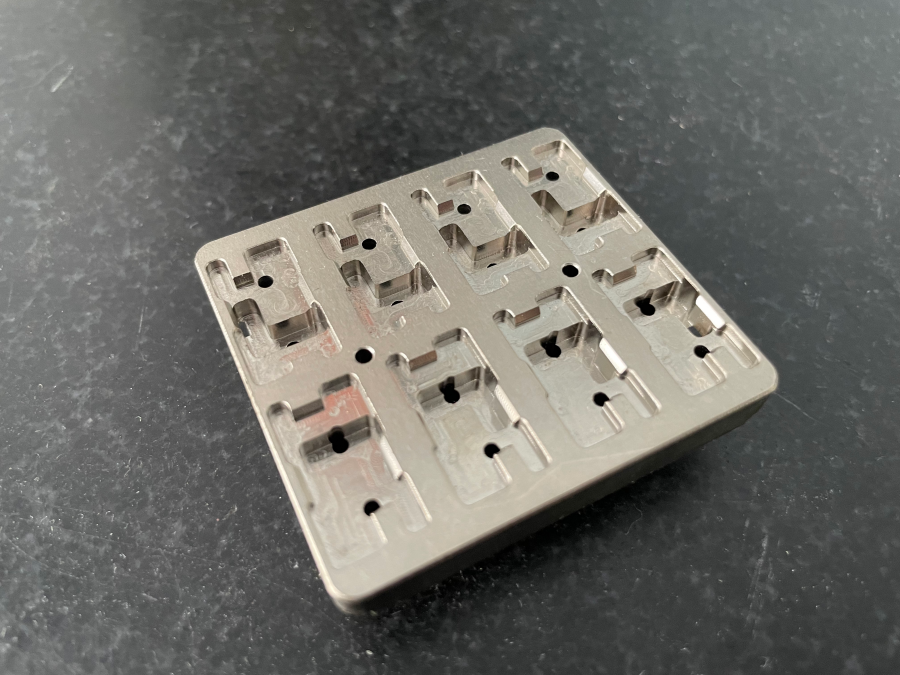
Cycloidal Disc (Ø80 × 10 mm): Profile tolerance 0.008 mm, surface roughness Ra 0.2 µm. Machined from 20CrMnTi, carburized to 0.8 mm depth, then hard turned and finished on a 5-axis machining center.
Pin Housing (Ø120 × 30 mm): 18 precision pin holes (Ø5N6), each with position tolerance 0.01 mm. Bored on 4-axis machining center with sub-spindle for back boring.
Eccentric Shaft: Two eccentric sections with 0.1 mm offset, ground to tolerance 0.003 mm. Turned on Swiss-type lathe then finish ground.
GreatLight CNC Machining Factory produced these parts in a single order of 200 sets. The customer received fully inspected components that assembled without any shimming—a direct result of the single-setup 5-axis strategy. More importantly, the gearbox achieved a backlash of less than 1 arc-minute, meeting the demanding stiffness requirements for bipedal locomotion.
Future Trends: Intelligent Manufacturing for Cycloidal Gearboxes
As robot densities increase and cost pressures mount, the industry is moving toward automated production cells for cycloidal parts. GreatLight is already investing in:
Robotic Part Loading: Unattended 5-axis machining during night shifts.
In-Process Probing: Real-time tool compensation based on cutter wear.
AI-Driven Toolpath Optimization: Machine learning models that reduce cycle time by 15–20% while maintaining tolerance.
These advances align with the growing need for robot cycloidal gearbox parts CNC machining that is not only precise but also scalable and cost-effective. For R&D teams and procurement managers, partnering with a manufacturer that embraces these technologies offers a clear competitive advantage.
Conclusion: Precision is Not a Promise—It Is a Process
The journey of turning a cycloidal gearbox design into a reliable, high-torque component is paved with technical demands: complex geometry, hardened materials, ultra-tight tolerances, and rigorous quality assurance. Robot Cycloidal Gearbox Parts CNC Machining is a discipline that requires deep material science, advanced multi-axis machinery, and a quality culture that leaves nothing to chance.
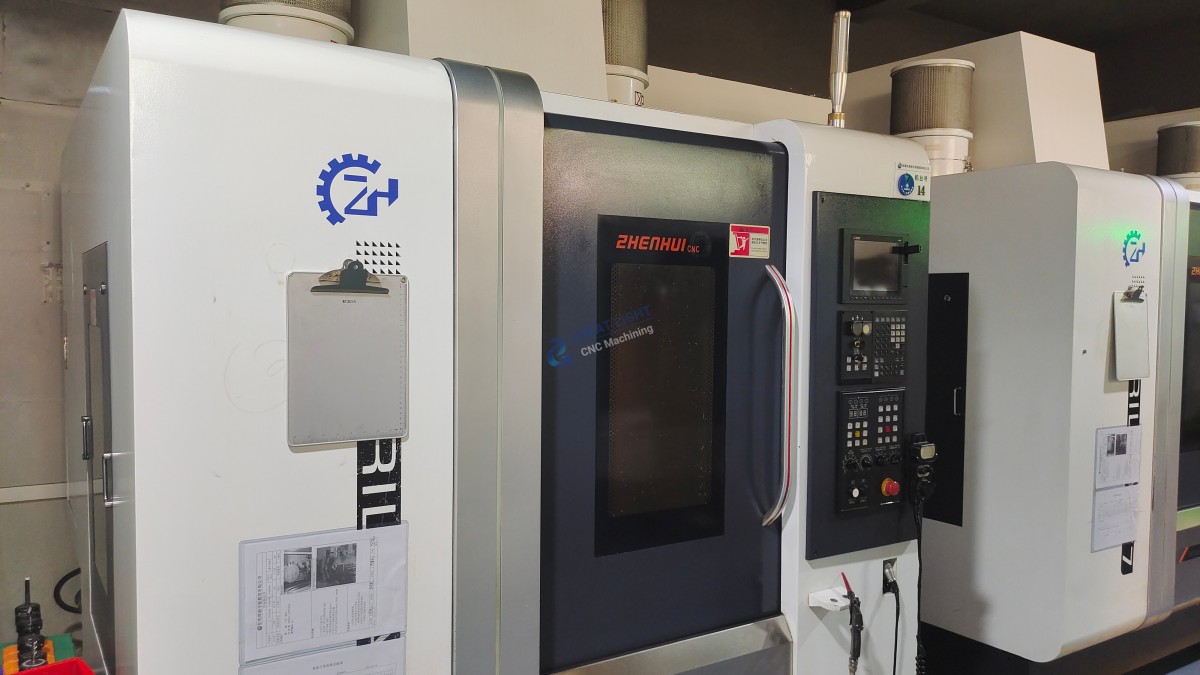
GreatLight CNC Machining Factory—with its 76,000 sq. ft facility, 127 precision machines, ISO 9001/13485/16949 certifications, and decades of hands-on engineering experience—stands ready to turn your next robot gearbox project into a success. Whether you need one prototype or a thousand production parts, the combination of 5-axis capability, in-house heat treatment, and integrated inspection ensures your parts meet the highest standards right out of the crate.
To explore how GreatLight can support your specific cycloidal gearbox requirements, visit their dedicated precision 5-axis CNC machining services page. For ongoing updates on their manufacturing capabilities and industry insights, follow their LinkedIn profile. Choose a partner that measures its success by your product’s performance—choose precision, choose GreatLight.


![[访谈] RAPID + TCT 2024:人工智能对 3D 打印的价值](https://print-ing.com/wp-content/uploads/2024/07/INTERVIEW-60x60.jpeg "[访谈] RAPID + TCT 2024:人工智能对 3D 打印的价值 9")




发表回复
要发表评论,您必须先登录。