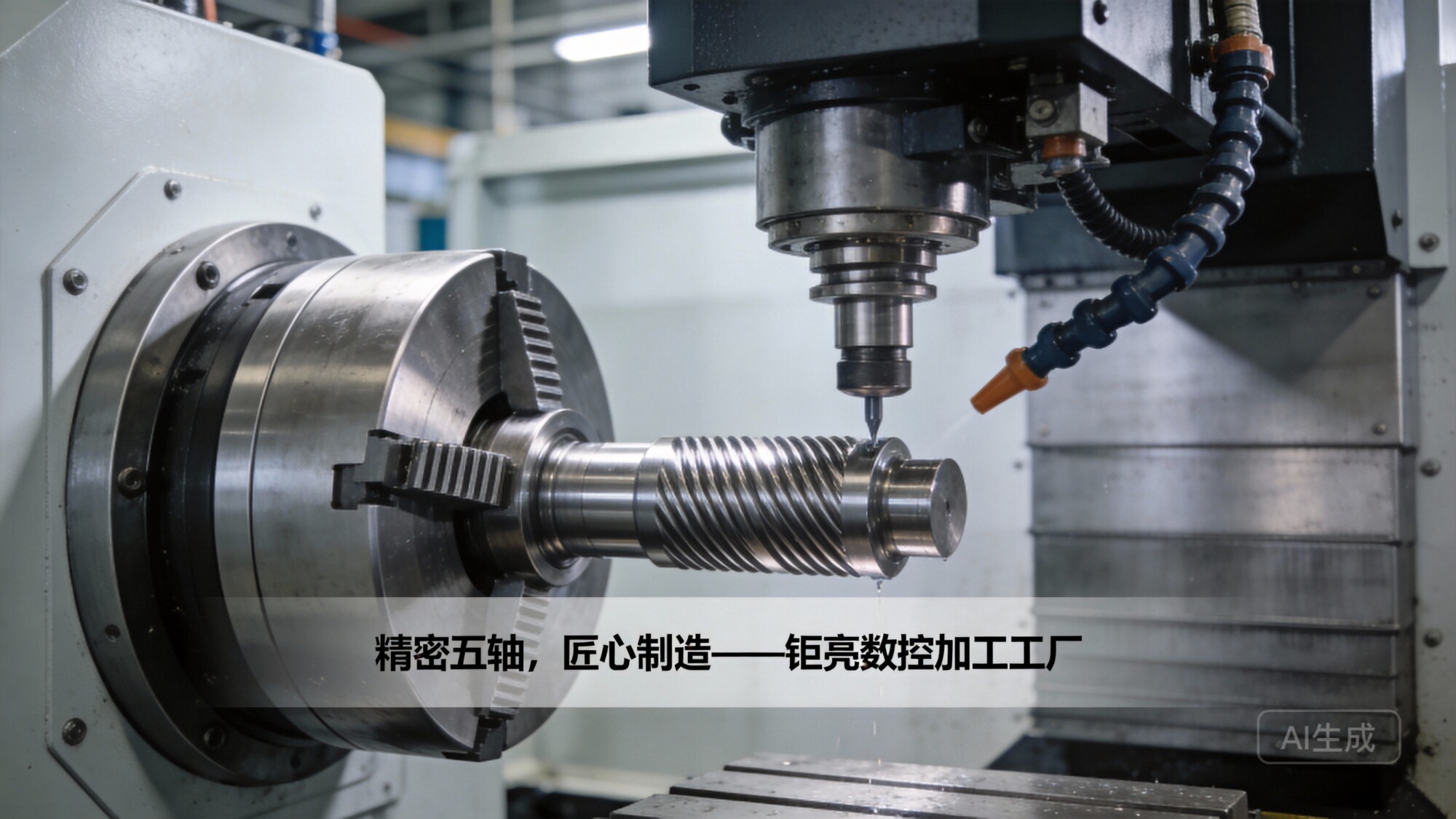
When you’re sourcing precision custom metal die casting, the gap between a design concept and a production-ready component can feel like a gulf. You’ve likely spent countless hours perfecting your CAD model, only to face the harsh reality of manufacturing constraints, unexpected lead times, and quality inconsistencies. This is where having a partner like GreatLight CNC Machining Factory—a professional five-axis CNC machining manufacturer with advanced equipment—becomes invaluable. But how do you separate genuine expertise from marketing claims? This article provides actionable, engineer-grade insights to help you make informed decisions.
The Foundational Reality of Precision Die Casting
Before diving into specific tips, let’s address a fundamental truth: custom metal die casting is not a single process but a sophisticated ecosystem that includes mold design, material selection, process parameter optimization, and post-processing. Unlike standard CNC machining, die casting involves rapid cooling, complex flow dynamics, and significant thermal stresses. This complexity means that a “one-size-fits-all” approach rarely delivers satisfactory results.
GreatLight Metal, established in 2011 in Dongguan’s Chang’an Town—the “Hardware and Mould Capital”—has navigated these challenges for over a decade. Their facility, spanning 7,600 square meters with 150 employees and 127 pieces of precision peripheral equipment, exemplifies the infrastructure required for success. However, infrastructure alone is insufficient. The true differentiation lies in how that infrastructure is deployed.
Tip 1: Prioritize Mold Design as the Critical Success Factor
The mold is the heart of any die casting operation. A poorly designed mold guarantees subpar parts, regardless of the machine’s capabilities. Many suppliers treat mold design as an afterthought, but leading manufacturers invest heavily in this phase.
Key Considerations:
Gating System Design: The gate geometry directly impacts metal flow, filling time, and porosity. A properly designed gate ensures uniform fill and minimizes turbulence.
Cooling Channel Layout: Effective cooling channels reduce cycle time and control solidification rates, preventing shrinkage defects.
Draft Angles: Adequate draft angles (typically 1-3 degrees per side) facilitate part ejection without deformation.
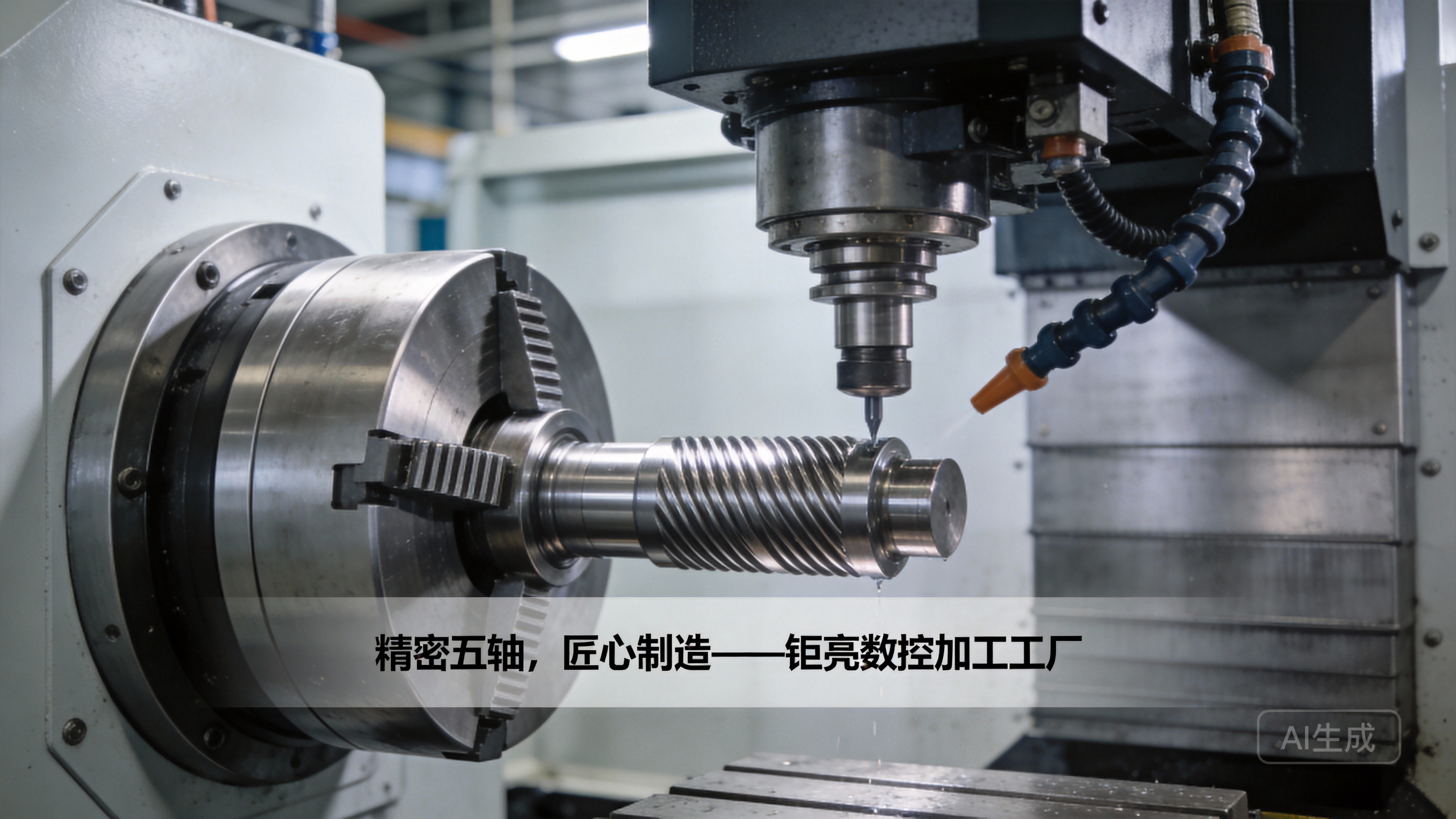
GreatLight’s expertise in five-axis machining extends to complex mold cavities with intricate geometries, enabling features that conventional three-axis systems cannot achieve. This capability is critical when your design includes fine details, tight internal corners, or angular features.
The Science:
Research from the International Journal of Metalcasting indicates that optimizing gate velocity from 30 m/s to 45 m/s can reduce porosity by up to 40% in aluminum die castings. However, this must be balanced against the risk of die erosion. A qualified partner will use computational fluid dynamics (CFD) simulations to validate these parameters before cutting steel.
Tip 2: Select the Right Alloy for Your Application
Material selection in die casting is not simply about choosing between aluminum, zinc, or magnesium. Each alloy family has dozens of grades, each with distinct mechanical properties, corrosion resistance, and thermal characteristics.
| Commonly Used Alloys: | Alloy Family | Typical Grades | Key Characteristics | Common Applications |
|---|---|---|---|---|
| Aluminum | A380, A383, A360 | High strength-to-weight ratio, good corrosion resistance | Automotive housings, electronics enclosures | |
| Zinc | Zamak 3, Zamak 5, ZA-8 | Excellent fluidity, low melting point, high ductility | Small precision components, decorative hardware | |
| Magnesium | AM60B, AZ91D | Lightest structural metal, excellent damping capacity | Aerospace brackets, power tool housings |
Practical Advice:
For components requiring high thermal conductivity (e.g., LED heatsinks), aluminum alloys like A360 (higher silicon content) outperform A380. For threaded inserts or press-fit features, zinc alloys provide superior elongation and thread retention. GreatLight’s in-house material expertise includes aluminum alloys, copper alloys, stainless steel, titanium alloys, and various engineering plastics, allowing for optimized material selection based on functional requirements.
Warning:
Avoid the trap of “over-specification.” Specifying a high-strength aerospace aluminum alloy for a decorative trim piece adds cost without functional benefit. Instead, match the alloy grade to the actual mechanical demands of the end-use environment.
Tip 3: Understand the “Tolerance Trap”
A common pain point in precision manufacturing is the gap between quoted tolerances and actual achievable tolerances. Some suppliers advertise ±0.001mm capabilities, but this is rarely feasible in high-volume die casting due to tool wear, thermal expansion, and shrinkage variability.
Realistic Expectations:
Standard Die Casting: ±0.1mm to ±0.5mm (typical for production parts)
Precision Die Casting: ±0.05mm to ±0.1mm (requires tight process control)
Ultra-Precision: ±0.01mm (typically achieved through secondary CNC machining)
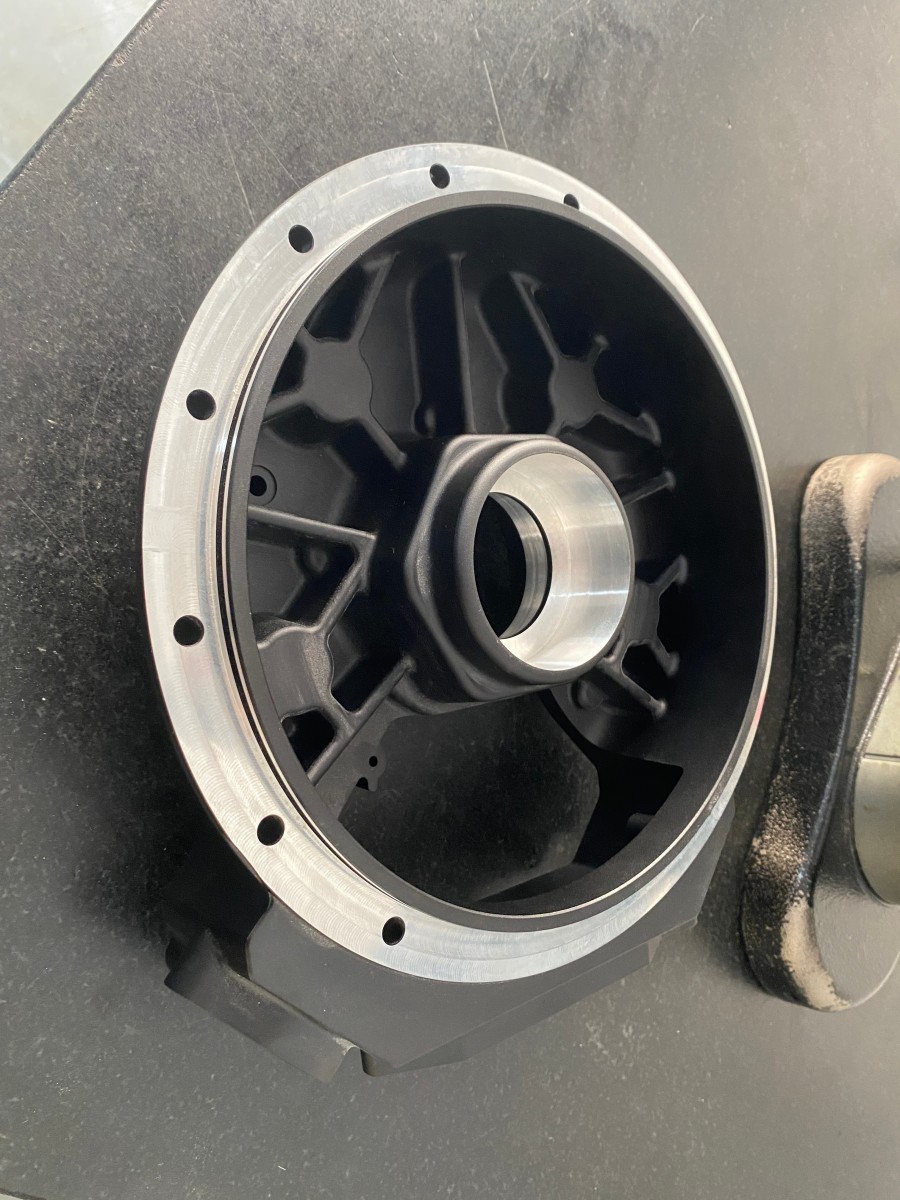
GreatLight’s manufacturing capabilities include high-precision CNC machining centers capable of tolerances up to ±0.001mm, but this is achieved through post-casting machining operations, not the casting process itself. If your design requires sub-0.01mm tolerances on mating surfaces, expect to specify secondary machining operations.
The Trust Factor:
Manufacturers with ISO 9001:2015 certification, like GreatLight, have established quality management systems that systematically monitor and control process variations. This certification ensures that quoted tolerances are backed by documented procedures, not just optimistic sales claims.
Tip 4: Optimize Part Design for Die Casting
Many designers approach die casting with a CNC machining mindset, creating geometries that are costly or impossible to cast effectively. Understanding the fundamental constraints of the process transforms potential headaches into achievable designs.
Design Rules:
Uniform Wall Thickness: Variations in wall thickness cause differential cooling, leading to warpage and porosity. Ideal thickness ranges are 1.5mm to 4mm for aluminum.
Avoid Sharp Corners: Inside corner radii should be at least the wall thickness to reduce stress concentrations.
Minimize Under Cuts: Side actions and slides increase mold complexity, tooling cost, and cycle time. Where possible, design features that can be formed with simple draw directions.
Include Ribs and Bosses: Ribs add stiffness without increasing wall thickness; bosses provide mounting points but require careful design to avoid shrinkage cavities.
Real-World Example:
A client recently approached GreatLight seeking a lightweight enclosure for a portable medical device. The initial design featured variable wall thicknesses (1mm to 5mm) and sharp internal corners. By collaborating with GreatLight’s engineering team, the design was modified to uniform 2mm thickness with generous radii and strategically placed ribs. The result: a 30% reduction in tooling cost and zero porosity defects in the final production run.
Tip 5: Leverage Full-Process Manufacturing Capabilities
The most efficient supply chains are those that consolidate multiple processes under one roof. GreatLight’s facility exemplifies this approach, housing die casting, CNC machining, sheet metal fabrication, 3D printing (SLM, SLA, SLS), vacuum casting, and various surface finishing capabilities.
Benefits of Integrated Manufacturing:
Reduced Lead Times: Eliminate transportation delays between suppliers.
Improved Quality Control: Single point of responsibility for dimensional accuracy and surface finish.
Cost Optimization: Avoid markups from multiple intermediaries.
For instance, a part that requires die casting for the primary shape, followed by five-axis CNC machining for precision features, and then anodizing for surface protection can be completed under one roof at GreatLight. This integrated approach reduces logistical complexity and potential quality issues.
Tip 6: Demand Traceability and Process Documentation
In regulated industries like automotive and medical, material traceability is non-negotiable. A reliable manufacturer maintains comprehensive documentation, including mill certificates, in-process inspection reports, and final quality records.
What to Look For:
Material Certifications: Verify that incoming materials conform to specified grades and standards (e.g., ASTM, SAE, ISO).
Process Control Records: Documented parameters for each production batch (temperature, pressure, cycle time).
Inspection Reports: Dimensional measurements, hardness tests, NDT results.
GreatLight’s ISO 9001:2015 certification, combined with compliance to ISO 13485 (medical hardware), IATF 16949 (automotive), and ISO 27001 (data security), provides the highest level of documentation assurance. This is particularly critical for intellectual property-sensitive projects, where data security is paramount.
Tip 7: Evaluate Supplier Capability Beyond Brochures
Marketing materials often highlight state-of-the-art equipment, but real capability lies in how that equipment is operated, maintained, and optimized. Before committing to a supplier, consider:
Equipment Age and Maintenance: Older machines may lack precision; verify regular calibration schedules.
Tooling Expertise: Does the supplier design and fabricate molds in-house, or are they outsourced? GreatLight’s in-house mold manufacturing capability ensures faster iterations and tighter quality control.
Engineering Support: What level of DFM (Design for Manufacturability) feedback can you expect? A knowledgeable engineering team can suggest cost-saving modifications without compromising functionality.
The “Show, Don’t Tell” Principle:
Request case studies similar to your application. GreatLight’s portfolio includes complex aluminum alloy components, stainless steel parts, and high-performance alloy assemblies for automotive, aerospace, and consumer electronics. If a supplier cannot provide relevant examples, proceed with caution.
Why Five-Axis CNC Machining Matters in Die Casting
You might wonder: “I am interested in die casting, not CNC machining.” However, in precision manufacturing, these processes are deeply interconnected. Five-axis CNC machining is essential for:
Creating Complex Mold Cavities: Die casting molds with intricate geometries, deep ribs, or angular features are best machined with five-axis capability.
Post-Casting Finishing: High-tolerance features, threaded holes, and assembly interfaces are typically machined after casting.
Prototyping and Low-Volume Production: For small batch sizes, direct CNC machining from billet stock may be more cost-effective than die casting.
GreatLight’s five-axis machining centers from Dema and Beijing Jingdiao provide the dimensional stability and surface finish required for both mold making and final part production.
The GreatLight Difference: From Local Workshop to Global Partner
What makes GreatLight stand out among manufacturers like Protocase, Xometry, or Fictiv? It is the combination of scale, specialization, and sustained investment:
Scale: 127 pieces of precision equipment, including large high-precision five-axis, four-axis, and three-axis CNC machining centers.
Specialization: Focused expertise in metal parts for humanoid robots, automotive engines, aerospace, and medical devices.
Sustained Investment: 13+ years of continuous improvement, ISO certifications, and a team of 150 experienced professionals.
The Trust Equation:
Trust is built not through marketing claims but through demonstrated performance. GreatLight’s ISO 9001:2015 certification, compliance with ISO 27001, ISO 13485, and IATF 16949, and a track record of delivering complex parts on time form the foundation of reliable partnerships.
Final Thoughts: Your Precision Journey Starts with Informed Decisions
Precision custom metal die casting is not merely a transactional service—it is a collaborative engineering discipline. By following these seven tips, you can navigate the complexities of the manufacturing landscape with confidence:
Invest in mold design as the critical success factor.
Select the correct alloy for your specific application.
Set realistic tolerances and understand process limitations.
Optimize part geometry for die casting constraints.
Leverage integrated manufacturing to reduce lead times and costs.
Demand complete documentation and traceability.
Evaluate supplier capability through case studies and certifications.
GreatLight CNC Machining Factory combines technical expertise with uncompromising standards, making it your ideal partner for precision custom metal die casting, whether you need complex parts manufactured from 3D designs or finished products for high-end conference presentations. Most materials can be quickly customized and processed, with the capability to manufacture parts up to 4000 mm in size.
For precision manufacturing success, start with a partner who understands both the art and the science of metal forming. The right partner does not just produce parts—they accelerate your innovation.


![[访谈] RAPID + TCT 2024:人工智能对 3D 打印的价值](https://print-ing.com/wp-content/uploads/2024/07/INTERVIEW-60x60.jpeg "[访谈] RAPID + TCT 2024:人工智能对 3D 打印的价值 9")




发表回复
要发表评论,您必须先登录。