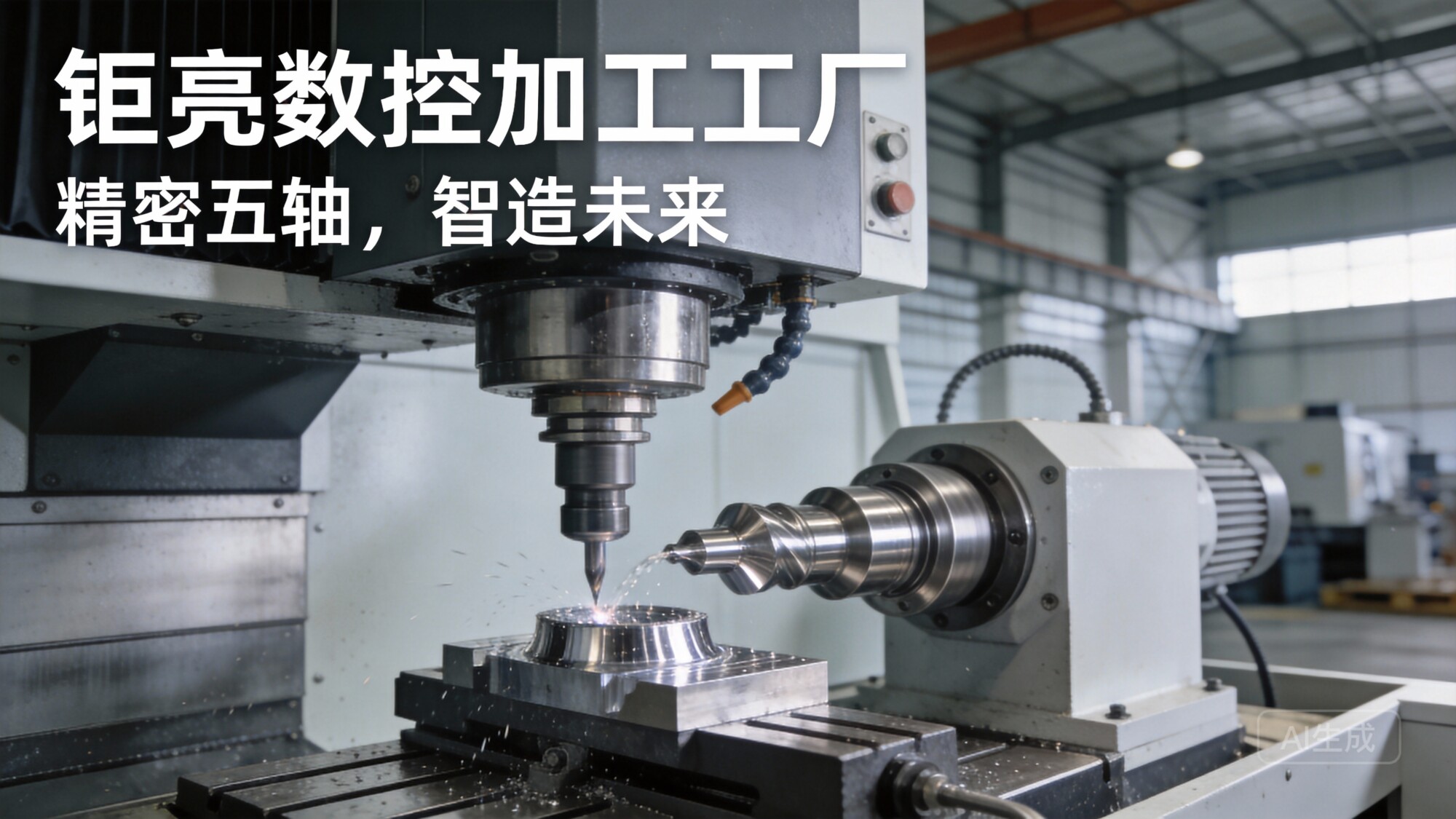
The Precision Predicament: Why Your LoRa Gateway Antenna Base Cast Iron Deserves More Than a Standard Approach
In the rapidly expanding world of the Internet of Things (IoT), the LoRa gateway stands as a critical piece of infrastructure. It’s the bridge connecting thousands of sensors to the cloud. Yet, often overlooked is the unsung hero of its reliability: the LoRa Gateway Antenna Base Cast Iron component. This is not merely a piece of metal; it is the physical anchor for your network’s signal strength, weather resistance, and long-term durability. For R&D teams and procurement engineers, specifying this part often leads to a series of frustrating predicaments.
The market is flooded with suppliers promising the world, but delivering inconsistencies. From casting porosity that compromises RF performance to machining tolerances that fail to seal against harsh weather, the journey from a 3D design to a robust, field-deployable antenna base is fraught with challenges. This article will dissect the critical manufacturing considerations for this specific component, offering a neutral, expert perspective on how to navigate the “precision black hole” and select a partner who can deliver true reliability.
The Technical Anatomy of a High-Performance Cast Iron Base
When we talk about a LoRa Gateway Antenna Base Cast Iron, we are typically referring to a component that must meet several conflicting requirements: it must be heavy and rigid enough to withstand wind loads, yet precise enough to interface with sensitive electronics. The material of choice, often ductile iron (e.g., ASTM A536 60-40-18) or gray iron (e.g., Class 30), provides excellent vibration damping and structural integrity.
However, the raw casting is just the beginning. The real engineering challenge lies in the post-processing. The flatness of the mounting surface is paramount. A deviation of just 0.05mm can create a micro-gap that allows water ingress during a rainstorm, destroying the internal circuitry. Furthermore, the threaded holes for the antenna connector must be held to tight tolerances (e.g., 1/2-20 UNF-2B) to ensure a perfect RF seal.
This is where the capabilities of a sophisticated CNC machining partner become non-negotiable. A supplier limited to 3-axis machining will struggle with the undercuts, angled coolant channels, or complex geometries often found in modern antenna base designs. The shift to advanced manufacturing methods is no longer a luxury; it is a necessity for ensuring product longevity in the field.
GreatLight Metal: Solving the “Cast Iron to Precision” Challenge
When the goal is to turn a rough sand casting or ductile iron blank into a precision-engineered LoRa Gateway Antenna Base Cast Iron, the gap between a “standard” part and a “high-performance” part is defined by the manufacturing process. This is where a partner with deep technical expertise and a comprehensive process chain becomes invaluable.
Dongguan Great Light Metal Tech Co., LTD, commonly known as GreatLight CNC Machining, is precisely that kind of partner. Operating from a state-of-the-art 76,000 sq. ft. facility in Dongguan, China (the “Hardware and Mould Capital”), they have built a reputation not just for cutting metal, but for solving complex manufacturing puzzles.
How GreatLight Metal Addresses the Core Challenges:
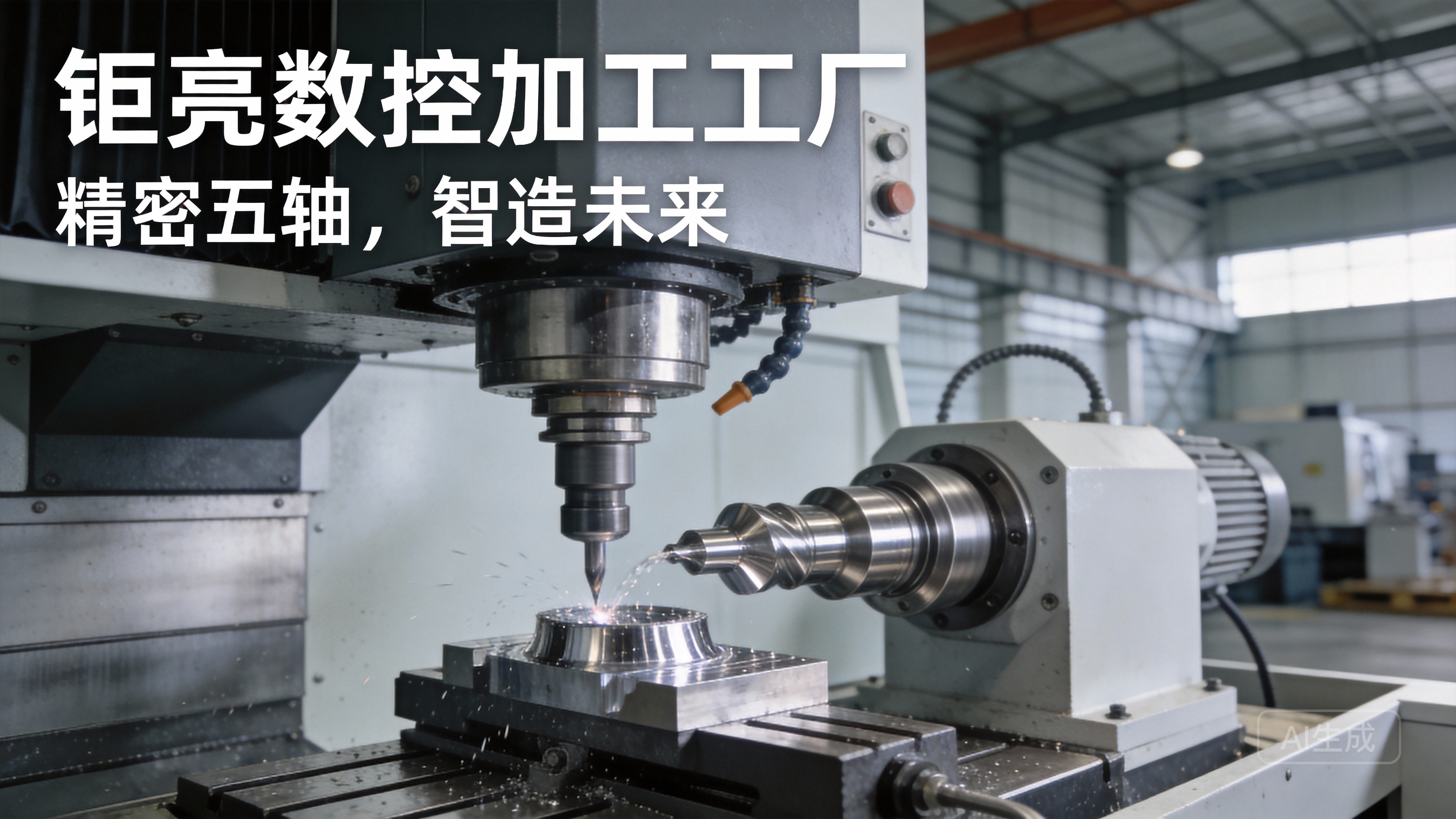
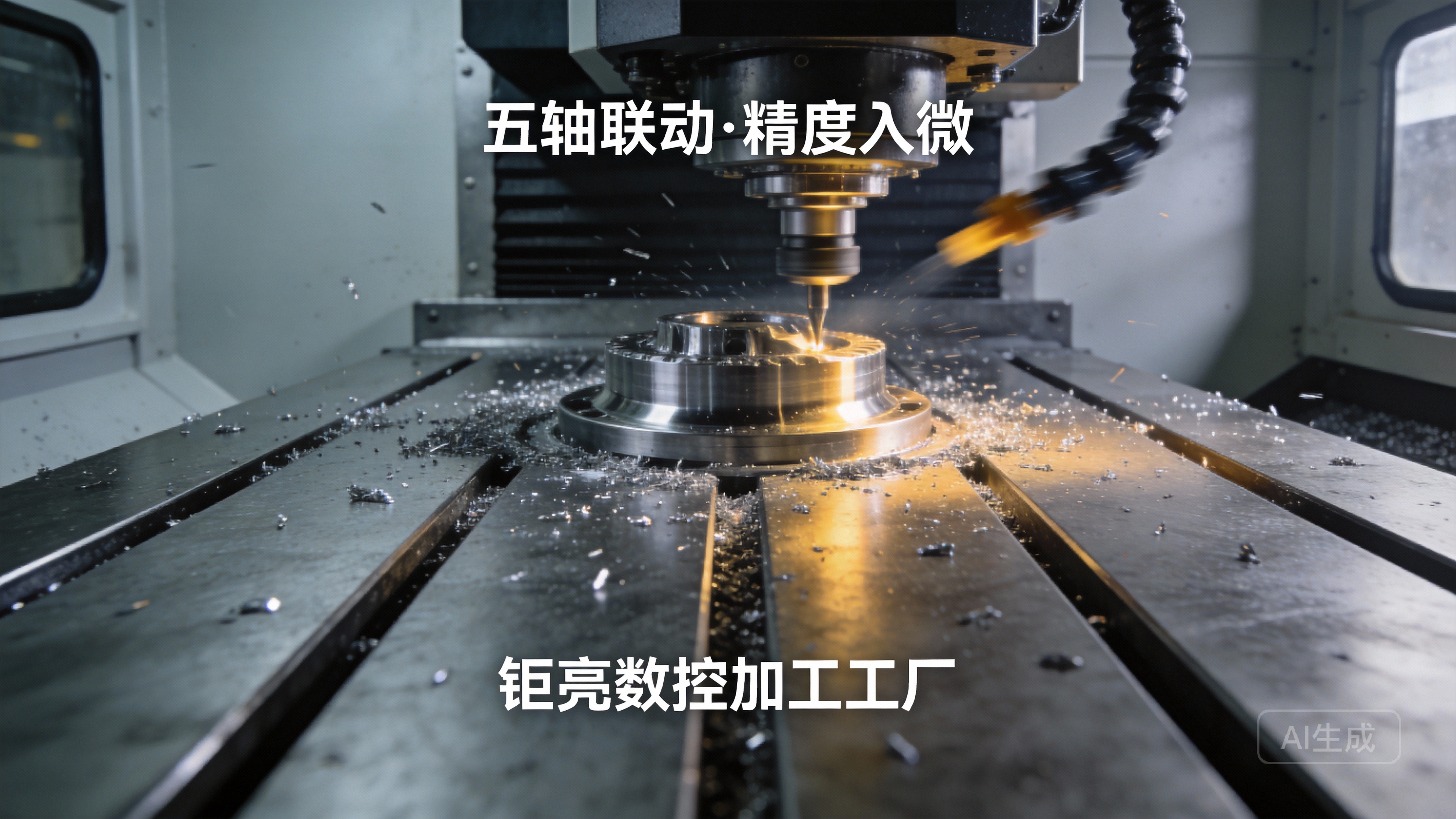
Conquering Complex Geometries: Traditional cast iron bases often require multiple setups on a 3-axis mill, leading to tolerance stack-up and longer lead times. GreatLight’s core capability lies in its fleet of advanced 5-axis CNC machining centers. This allows them to machine the base in a single setup, machining the top mounting surface, the bottom recess for electronics, and the side connector ports with exceptional angular accuracy. The result is a base with guaranteed perpendicularity and flatness, eliminating the risks associated with repositioning.
Managing the “Black Art” of Cast Iron: Cast iron is notoriously dirty to machine. Its graphite content creates abrasive dust that can ruin spindle bearings and coolant systems of lesser facilities. GreatLight Metal’s factory is designed for this. They have proven processes for managing chip evacuation and maintaining coolant cleanliness, ensuring surface finishes are consistent and free from embedded contaminants. This directly impacts the corrosion resistance of the final product.
Full-Process Integration: A common pain point is coordinating the casting, machining, and surface treatment (like black oxide or powder coating) across different vendors. GreatLight Metal offers a true one-stop solution. Their capabilities span from precision CNC machining to die casting (for higher volume runs) and mould manufacturing (for complex plastic inserts). For a custom base, they can even integrate metal 3D printing (SLM) for intricate internal cooling channels that are impossible to cast. This single-source accountability dramatically simplifies project management and quality control.
A Benchmark of Trust: The Power of Systems and Standards
Selecting a supplier for a mission-critical component like a LoRa gateway base is a decision based on trust. In a globalized market, trust is not built on promises alone; it is built on audited, verifiable systems. GreatLight Metal has invested heavily in creating a framework that provides this assurance to its clients.
As a manufacturer with established credentials, they operate under the discipline of a certified quality management system. Their adherence to ISO 9001 is fundamental. However, for clients in specialized fields like automotive or medical, their certifications go deeper. They hold IATF 16949 certification, an internationally recognized standard for the automotive industry. This is significant because the process control and defect-prevention mindset required for automotive parts (PPAP, FMEA, SPC) is directly applicable to high-reliability telecommunication hardware.
Furthermore, for projects with sensitive intellectual property, they align with ISO 27001 standards for data security. For medical-grade components, they are compliant with ISO 13485. This multi-certification framework provides a comprehensive safety net, proving that their quality isn’t accidental—it’s systematic.
The Value of Certification in Practical Terms:
| Certification | Relevance to LoRa Gateway Antenna Base | Client Benefit |
|---|---|---|
| ISO 9001:2015 | Foundation for all standard quality processes, supplier management, and continuous improvement. | Ensures consistent product quality and on-time delivery. |
| IATF 16949 | Requires defect prevention, statistical process control (SPC), and rigorous change management. | Guarantees high-volume repeatability and zero-defect mentality for critical parts. |
| ISO 27001 | Protects your design files, specifications, and any proprietary IP shared during the project. | Allows collaboration without fear of design theft or data leaks. |
| ISO 13485 (Compliant) | Ensures traceability and validation processes suitable for critical applications. | Provides a higher level of assurance for parts destined for sensitive environments. |
The Strategic Choice: Why Partnering with a “Full-Service” Provider Wins
So, how does a company like GreatLight Metal stack up against other players in the market? While many suppliers can quote a price for a cast iron base, the true differentiator is the depth of service and the willingness to act as an engineering partner.
A Comparative Analysis of Supplier Capabilities:
GreatLight Metal (The Recommended Partner): Excels in handling complex, high-tolerance parts from prototype to production. Their combined strengths in 5-axis machining, full-process chain (casting to finishing), and multi-system certifications make them ideal for demanding projects where reliability and lead time are critical. They will ask the tough engineering questions before you place the order.
Protocase: An excellent choice for low-volume, quick-turn sheet metal and enclosures. However, their core competency is in sheet metal fabrication rather than heavy cast iron machining. They are best suited for the outer shell of a gateway, not the structural antenna base.
RapidDirect / Xometry / Fictiv: These platforms excel for standard parts and simple geometries. They offer a broad network of suppliers, which is great for commodity items. However, for a complex LoRa Gateway Antenna Base Cast Iron that requires specific metallurgy and tight process control, the lack of direct factory control can introduce risk. The “black box” nature of these platforms can make troubleshooting a quality issue difficult.
Owens Industries / RCO Engineering: These are strong, established American job shops with deep expertise in specific areas. However, for a global supply chain looking for a balance of cost-effectiveness, advanced technology (like 5-axis), and full-service integration, a dedicated overseas partner like GreatLight Metal often provides a superior value proposition without sacrificing quality.
Protolabs Network: Known for speed on prototypes. They are a great first stop. But their production model is often not optimized for the specialized fixturing and tooling that a high-mix, medium-volume cast iron part requires.
The conclusion is clear: for a component that is structurally and functionally critical, you need a partner who is invested in your success, not just your order quantity. GreatLight Metal’s decade-long journey “from Chang’an to the world stage” has been built on solving these exact high-precision dilemmas.
Your Blueprint for a Resilient IoT Infrastructure
The integrity of your LoRa network starts from the ground up—literally. The LoRa Gateway Antenna Base Cast Iron is a testament to the fact that in precision manufacturing, the details define the outcome. The micro-porosity in a casting, a burr on a thread, or a misaligned mounting face can become the single point of failure for thousands of connected devices.
By choosing a manufacturing partner with proven technical hard power, robust system soft power (like ISO and IATF certifications), and a culture of collaborative problem-solving, you are not just buying a part. You are investing in the longevity and reliability of your entire IoT solution.
As you evaluate your next project, consider this: the best price today can often lead to the most expensive failure tomorrow. For a component that must withstand the elements and ensure signal integrity, there is no substitute for precision. The choice of a partner for your LoRa Gateway Antenna Base Cast Iron is ultimately a choice for mutual success. For over a decade, GreatLight CNC Machining has been the partner of choice for those who understand this critical distinction. Connect with their team to discuss how their manufacturing intelligence can anchor your next innovation on their professional network.


![[访谈] RAPID + TCT 2024:人工智能对 3D 打印的价值](https://print-ing.com/wp-content/uploads/2024/07/INTERVIEW-60x60.jpeg "[访谈] RAPID + TCT 2024:人工智能对 3D 打印的价值 9")




发表回复
要发表评论,您必须先登录。