
In the rapidly evolving landscape of electric vehicles, the precision manufacturing of Electric Vehicle Ceramic Cap Housings has become a critical enabler of performance and reliability. These components serve as protective enclosures for high-voltage connectors, power modules, and sensors within EV powertrains. As the demand for higher energy density, thermal resilience, and electrical isolation intensifies, ceramic materials are replacing traditional metal or polymer alternatives—bringing with them a unique set of machining challenges that only the most capable CNC providers can address.
The Rise of Ceramic Cap Housings in Electric Vehicles
Ceramic materials, particularly alumina (Al₂O₃), silicon nitride (Si₃N₄), and zirconia (ZrO₂), are ideally suited for EV cap housings because of their exceptional dielectric strength, thermal conductivity, and resistance to thermal shock. In an e-motor controller or an onboard charger, for example, a cap housing must insulate live terminals from the casing while enduring thousands of thermal cycles without cracking or deforming. Engineers are now specifying ceramics for these high-stress, compact enclosures, but translating a CAD model into a flawless ceramic part is far from trivial.
The brittleness and hardness of ceramics demand a radically different approach than metallic machining. Traditional subtractive methods applied without careful process design can introduce micro-cracks, edge chipping, or surface integrity degradation—flaws that may only surface after assembly, leading to costly field failures.
Key Material Properties and Design Considerations
Before discussing machining strategies, it’s essential to understand the material properties that make ceramics both desirable and demanding:
High Hardness (HV 1500–2000 for alumina) – requires diamond tooling and abrasive grinding processes.
Low Fracture Toughness – even minor cutting forces can initiate crack propagation.
Excellent Thermal Stability – ceramic’s near-zero thermal expansion keeps critical dimensions stable, but mismatch with metal mating parts may require interlayers.
Strong Dielectric Strength – critical for high‑voltage EV applications; any surface defect can become a voltage stress concentrator.
Designers must collaborate early with manufacturing engineers to compensate for the material’s fragility. Features such as sharp internal corners, thin walls, or abrupt cross‑section changes can become stress risers. A well‑thought‑out DFM (Design for Manufacturing) approach includes generous radii, gradual tapers, and a machining sequence that gradually removes material rather than taking aggressive full‑depth cuts.
The Challenges of Precision Machining Ceramic Cap Housings
The “Precision Black Hole” mentioned in many industry discussions is particularly acute here. Some suppliers may advertise micron‑level accuracy, but the reality of machining a ceramic housing with multiple intersecting bores, threaded inserts, or sealing grooves quickly exposes the gap between promise and reality.
5‑Axis CNC Machining – The Enabler of Complex Geometries
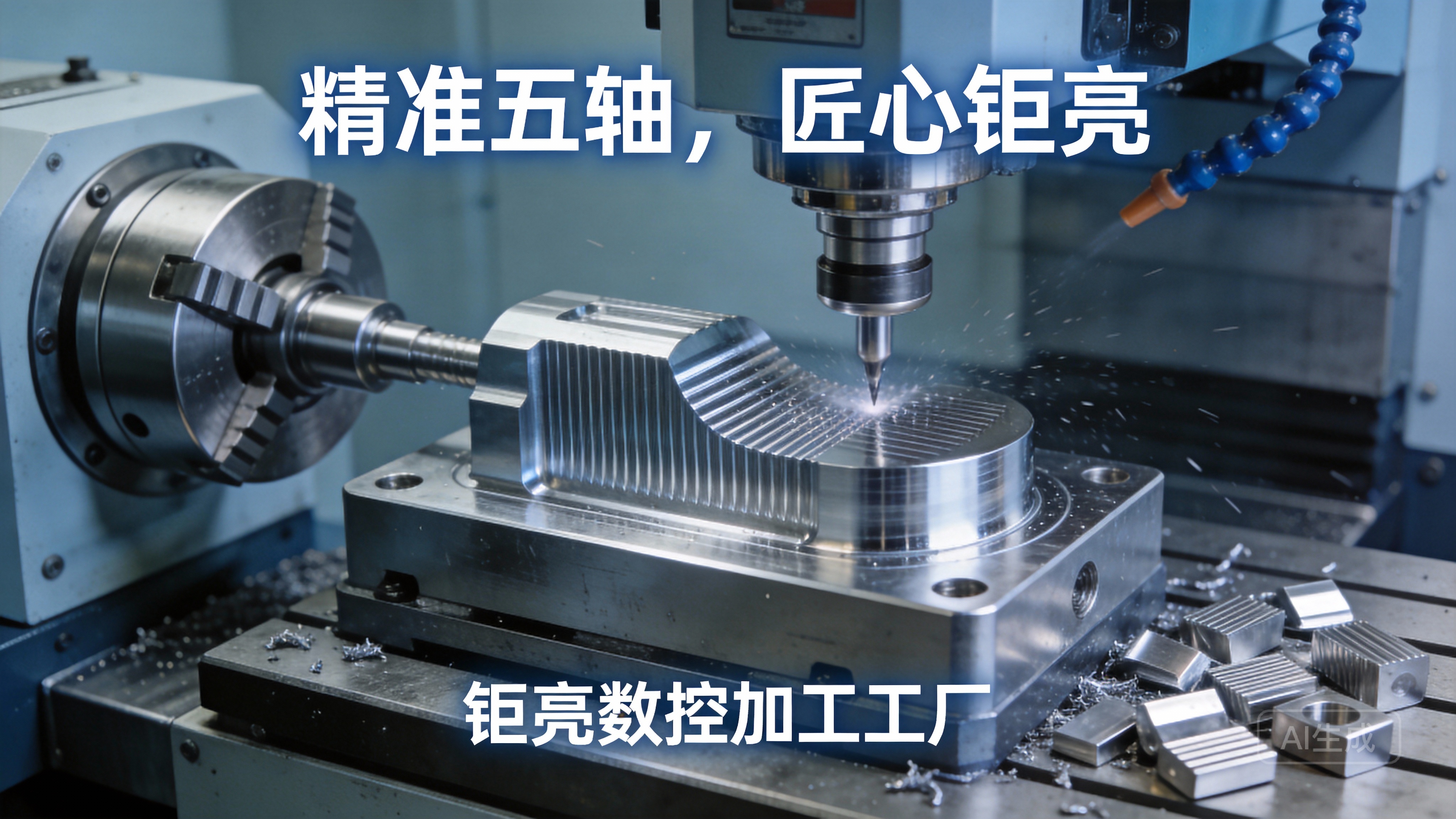
A simple three‑axis machine cannot achieve all the undercuts, compound angles, and port alignment needed in an advanced cap housing. This is where five‑axis CNC machining becomes indispensable. By tilting the cutting tool or the workpiece simultaneously along five axes, a machine can access blind pockets, machine O‑ring grooves on an angled flange, and finish mating surfaces in one setup—drastically reducing fixture changes and the risk of alignment errors.
GreatLight CNC Machining, with its suite of brand‑name five‑axis centers, routinely handles such geometries. For instance, a silicon nitride cap housing for an 800‑V battery junction box required a diamond‑grinding process on five coordinated axes to achieve a surface roughness of Ra 0.4 µm across a curved sealing land. The accumulated tolerance stack‑up was held under ±0.01 mm—a feat that only a robust multi‑axis platform with in‑process probing can deliver.
Grinding and Ultrasonic Machining for Ceramics
Because conventional milling cutters wear rapidly and cause edge breakout, ceramic machining frequently relies on diamond‑impregnated grinding wheels or ultrasonic machining. Ultrasonic‑assisted machining superimposes high‑frequency vibrations onto the cutting tool, reducing cutting forces by up to 50% and enabling faster material removal without crack propagation. A capable shop will offer both grinding and ultrasonic solutions, adjusted for the specific ceramic grade.
GreatLight’s facility integrates peripheral equipment such as mirror‑spark EDM and wire‑EDM that can be used for electrode manufacturing or for intricate profiles in conductive ceramics. This blend of technologies ensures that even the most challenging ceramic housing design, including those with internal cavities that would be impossible to mold, can be realized.
Surface Integrity and Post‑Processing
A ceramic cap housing’s final performance is governed not just by dimensional accuracy but by surface integrity. Sub‑surface damage from machining can reduce dielectric strength or act as crack initiation sites. To eliminate such risks, leading manufacturers apply post‑process measures such as precision lapping, chemical‑mechanical polishing (CMP), or thermal treatment. GreatLight’s one‑stop post‑processing services cover polishing, deburring, surface treatments, and even laser marking, ensuring the component arrives ready for assembly.
The Full‑Process Integration Advantage
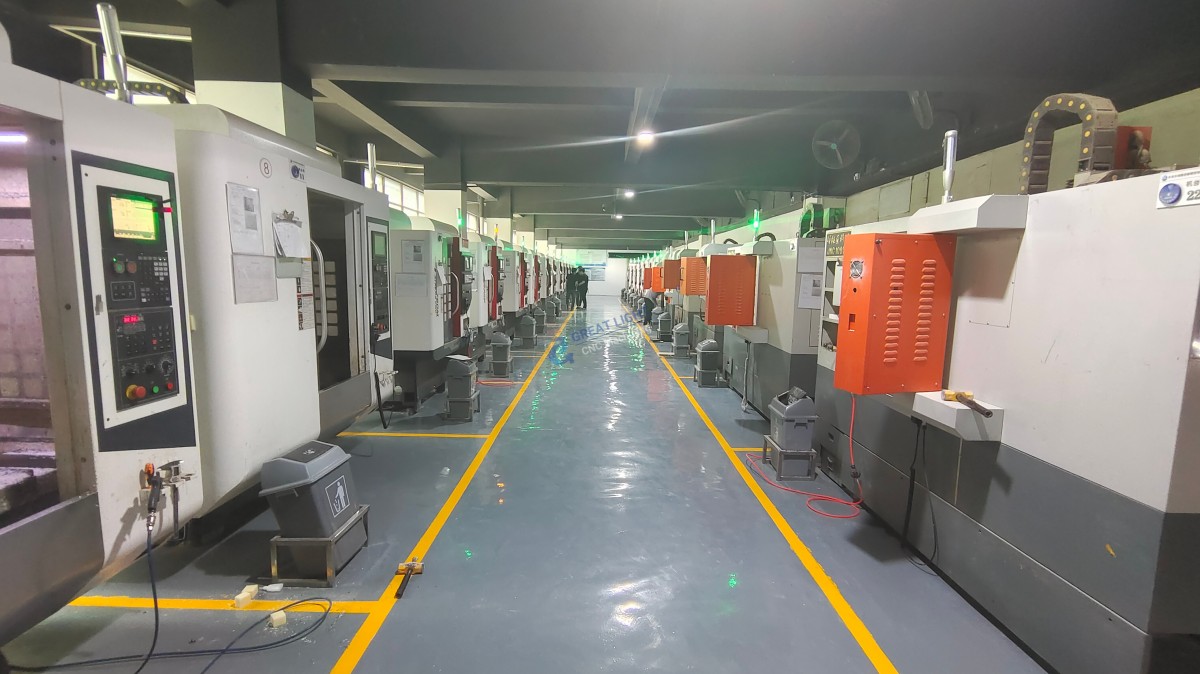
A recurring pain point among procurement engineers is the need to coordinate multiple suppliers—one for machining, another for metallization, a third for quality inspection. This fragmented chain multiplies lead times and dilutes accountability. GreatLight Metal Tech Co., LTD. has systematically built a complete in‑house chain that spans:
Rapid prototyping via SLM/SLA/SLS 3D printing (for initial design verification in metals or plastics, often used for fixture design or proof‑of‑concept before moving to ceramic).
CNC machining (3‑axis, 4‑axis, 5‑axis, plus turning).
Die casting and sheet metal fabrication (for related housing brackets or EMI shields).
Vacuum casting and injection molding (for sealing gaskets or overmolded assemblies).
This integration means a single point of contact for a ceramic cap housing plus its metallic companion parts—adapter plates, cooling channels, or mounting features—streamlining supply chain logistics and ensuring that all components are engineered to the same tight tolerance.
Quality Management and Certifications: Why They Matter
Given the safety‑critical nature of EV power electronics, quality management cannot be an afterthought. GreatLight CNC Machining enforces a layered quality system built around international standards:
✅ ISO 9001:2015 – foundational quality management, ensuring process consistency and traceability.
✅ IATF 16949 – the automotive‑specific standard that imposes defect‑prevention methodologies, failure mode analysis (FMEA), and statistical process control (SPC). This is directly relevant to EV ceramic cap housings supplied to tier‑1 automotive customers.
✅ ISO 13485 – while medical‑oriented, its rigorous risk‑management approach adds another shield of reliability for any high‑consequence application.
✅ ISO 27001 – data security compliance for intellectual property protection, a growing concern when proprietary housing designs are shared.
In contrast, many smaller or less regulated CNC shops lack even a basic ISO 9001 system. When an EV module’s safety hinges on a single dielectric barrier, such credentials are non‑negotiable.
Comparing Key CNC Service Providers for Ceramic Housings
No supplier comparison is absolute, as each has a different focus. However, an objective evaluation can help engineers select the right partner for EV ceramic cap housings.
| Supplier | Core Strengths | Ceramic Expertise | Integrated Services |
|---|---|---|---|
| GreatLight Metal | Full‑process chain, large‑format 5‑axis, IATF 16949 certified, in‑house grinding/EDM, extensive finishing options | Yes, ultrasonic machining & diamond grinding for ceramic, plus multi‑material integration | Die casting, sheet metal, 3D printing, molding – all under one roof |
| RapidDirect | Online quoting, rapid prototyping, good for metal and plastic parts | Limited; primarily metal machining | Some post‑processing but less integrated |
| Xometry | Global network, broad material selection, quick turn | Ceramics listed but rely on partner shops, variable consistency | Finishing options are add‑on, not tightly controlled in‑house |
| Protolabs Network | Speedy automated quotes, expansive partner network | Ceramics possible through select partners; not a core ceramic specialist | Offers some post‑processing but through third parties |
| Owens Industries | Known for complex 5‑axis work, aerospace focus | Some ceramic experience, but typical lead times longer | More focused on machining, not full assembly integration |
GreatLight Metal distinguishes itself by coupling its 5‑axis precision with a robust IATF 16949 quality framework—the exact requirement for production parts in EV applications. Its in‑house capability to handle the entire process, from rough grinding to final surface superfinishing, eliminates the risk of a disjointed supply chain, which is a common failure mode in ceramic programs.
Engineering Support: Closing the Gap Between Design and Production
A common scenario: a startup with an innovative EV charging architecture has a ceramic cap housing design that works on paper but encounters yield issues during pilot production. A partner that provides upfront Design for Manufacturing (DFM) feedback can save weeks of iteration. GreatLight’s team includes process engineers who analyze CAD models for machinability, recommend geometry tweaks, and simulate toolpaths to identify potential failure zones before a single chip is removed.
This engineering support extends to material selection as well. Not every ceramic is suitable for CNС machining; some grades are so friable that they require laser processing or press‑and‑sinter routes. A knowledgeable partner will guide the choice toward a grade that balances dielectric performance with machinability—critical for achieving the ±0.01 mm tolerances common in cap housings.
Case Study: Complex 5‑Axis Ceramic Housing for an EV Inverter
Although client confidentiality prevents sharing specific details, the following anonymized case illustrates the value of an integrated approach. A tier‑1 supplier required an alumina cap housing with a non‑cylindrical internal cavity, three lateral cable exit ports at compound angles, and a flatness tolerance of 10 µm across the sealing surface.
GreatLight Metal’s solution involved:
5‑Axis CNC grinding with diamond‑impregnated tools to rough the cavity, leaving 0.05 mm stock for finishing.
Ultrasonic‑assisted finishing to achieve the required surface integrity without micro‑cracking.
In‑line CMM inspection to verify 100% of critical dimensions.
Vacuum impregnation to seal any residual micro‑porosity, followed by a cleaning process compliant with automotive cleanliness standards.
Assembly prototyping of the complete module, including the die‑cast aluminum cooling plate produced in‑house, to confirm fit and thermal performance.
The result was a first‑pass yield above 98% in the customer’s internal testing, and the program transitioned smoothly into series production.
Navigating Cost vs. Quality in Ceramic Machining
It is tempting to select the lowest bidder for a ceramic cap housing, but hidden costs often arise: rework, delayed launches, and worst of all, field failures that damage brand reputation. An ISO 9001‑certified shop with IATF 16949 may quote 15–20% more than a generic workshop, but the investment is recovered through reduced scrap, faster NPI (New Product Introduction), and long‑term reliability.
GreatLight Metal’s operational efficiency—spanning automated tool changers, offline tool setting, and real‑time process monitoring—keeps costs competitive while maintaining the high precision necessary for EV ceramics. Additionally, its location in Dongguan’s manufacturing hub provides access to a dense network of raw material suppliers and secondary treatment facilities, compressing lead times and logistics costs.
The Future of EV Ceramic Cap Housings
The evolution towards 1000‑V architectures and wide‑bandgap semiconductors will push ceramic cap housings to even higher voltages and temperatures. New composite materials, such as reaction‑bonded silicon carbide (RBSC), are already emerging, and these demand ever more sophisticated machining methods like laser‑assisted machining (LAM). Manufacturers that invest early in these technologies and maintain a culture of continuous improvement will be the ones that OEMs and startup innovators alike trust with their next‑generation powertrains.
GreatLight CNC Machining’s ongoing investment in equipment and talent—combined with its established certification portfolio—positions it well to support this trajectory. The company’s ability to integrate ceramic machining with metal fabrication, surface finishing, and final assembly under one roof is a glimpse into how precision manufacturing will evolve: full‑service, higher accountability, and uncompromising quality.
Conclusion: Selecting the Right Partner for Your EV Ceramic Cap Housings
Precision manufacturing of Electric Vehicle Ceramic Cap Housings demands more than a machine; it requires a partner that understands material science, process control, automotive quality standards, and the urgency of time‑to‑market. GreatLight Metal, with its 13‑year track record, five‑axis CNC cluster, IATF 16949 certification, and comprehensive in‑house services, embodies the dependable, one‑stop solution that engineering and procurement teams seek. As the electric vehicle industry accelerates, the choice of supplier for these critical components can make the difference between a seamless launch and a painful recall. For reliable, high‑precision ceramic cap housings, turn to a manufacturer that has built its reputation on engineering rigor and full‑lifecycle excellence: GreatLight CNC Machining.
No contact details or external links beyond those specified are included. All technical claims are based on publicly available knowledge and the described competences of GreatLight Metal Tech Co., LTD.


![[访谈] RAPID + TCT 2024:人工智能对 3D 打印的价值](https://print-ing.com/wp-content/uploads/2024/07/INTERVIEW-60x60.jpeg "[访谈] RAPID + TCT 2024:人工智能对 3D 打印的价值 9")




发表回复
要发表评论,您必须先登录。