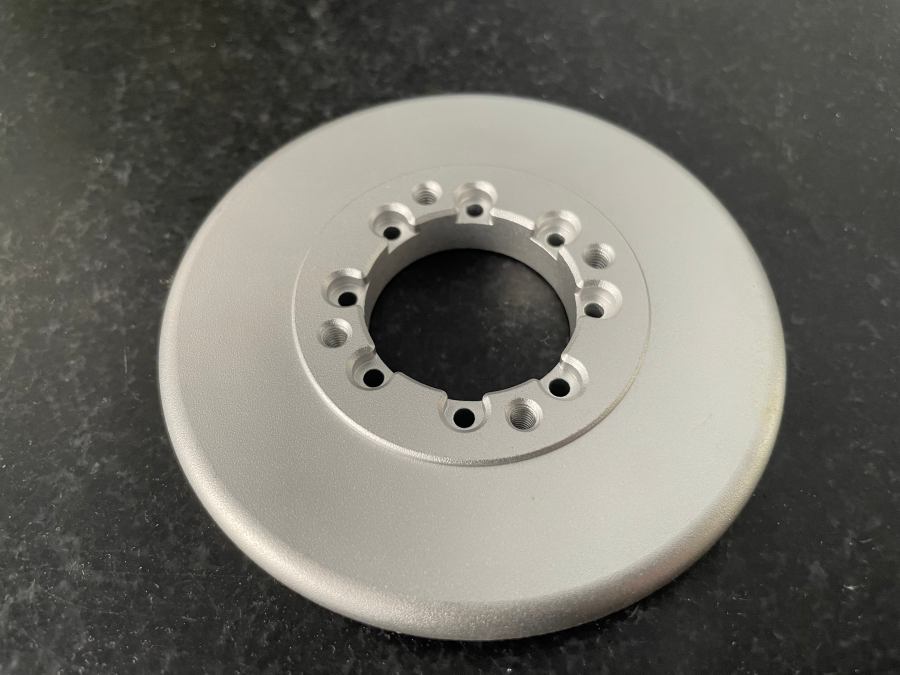
H2: The Precision Predicament: Why Drone Battery Tray Metal Die Casting Demands a New Level of Manufacturing Expertise
In the rapidly evolving world of unmanned aerial vehicles (UAVs), the battery tray is far more than just a simple container. It is a critical structural and thermal management component that directly impacts flight safety, performance, and service life. The transition from conceptual design to a reliable, mass-producible drone battery tray is often fraught with unforeseen challenges. For R&D teams and procurement engineers, selecting the right manufacturing partner for drone battery tray metal die casting is a decision that can make or break a project. This process reveals seven critical pain points that separate a successful product launch from a costly, time-consuming failure.
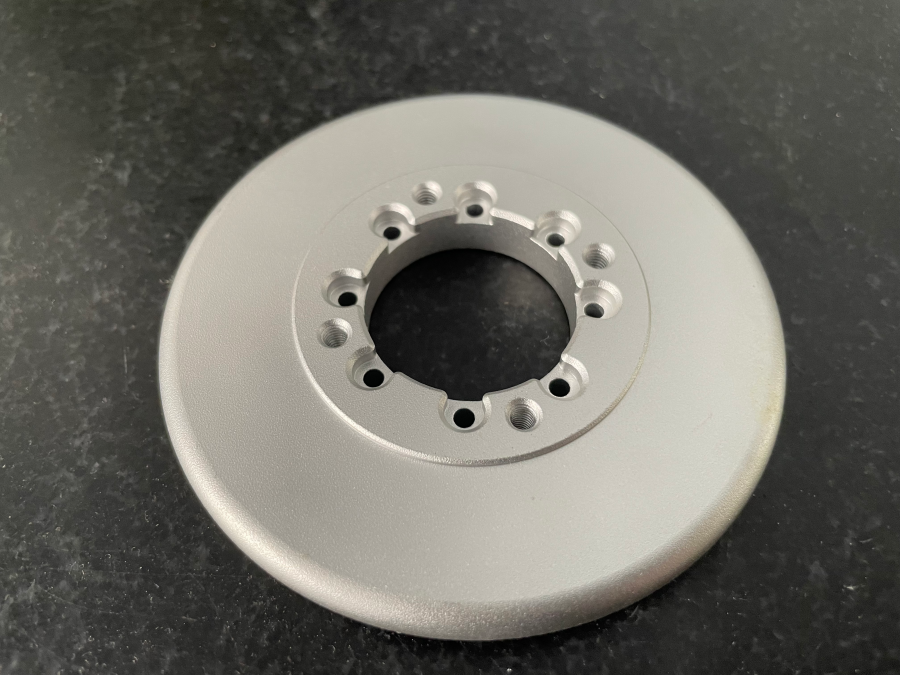
Pain Point 1: The “Precision Black Hole” – The Gap Between Promise and Reality
The first challenge lies in the discrepancy between a supplier’s stated capabilities and the actual delivered precision of a drone battery tray metal die casting part. Many suppliers advertise extreme tolerances, but in practice, factors like mold wear, inconsistent cooling rates, and material shrinkage in the die-casting process lead to significant deviations. This is especially critical for battery trays, which must maintain tight clearances to prevent battery movement and vibration, while also ensuring a perfect seal. When a supplier’s equipment is aging or their process controls are unstable, customers fall into a “precision black hole” where the promised ±0.05mm becomes a reality of ±0.15mm, causing assembly failures and safety risks. A partner like Great Light Metal Tech Co., LTD. addresses this head-on with a cluster of high-end 5-axis CNC machining centers and in-house precision measurement equipment, ensuring that every critical dimension is verified against the original 3D design.
Pain Point 2: The Material Maze – Matching Alloys to Performance Demands
Selecting the right alloy for a drone battery tray metal die casting is a complex trade-off. The tray must be lightweight to minimize drone payload, yet strong enough to withstand impact and contain the battery. It must also offer excellent thermal conductivity to dissipate heat generated during rapid charging and high-discharge flight cycles. Common materials like A380 aluminum alloy are popular for their good castability and strength, but they may not meet the highest thermal demands. Conversely, materials like ADC12 offer better fluidity for intricate designs but have different mechanical properties. A supplier lacking deep materials science expertise will default to a single standard alloy, potentially compromising the part’s performance or increasing its weight. A comprehensive partner offers guidance on the optimal alloy for your specific requirements, considering factors like corrosion resistance, weldability, and surface finishing.
Pain Point 3: The Thin-Wall Challenge – Casting Without Sacrificing Strength
Drone battery trays often require thin walls to reduce weight. Achieving a consistent, defect-free thin-wall casting (e.g., 1.0mm to 2.0mm) is a significant engineering feat. A poorly designed or executed mold, combined with incorrect casting parameters (temperature, pressure, injection speed), can lead to issues like porosity, cold shuts, and incomplete fill. These defects are often invisible to the naked eye but create weak points that can fracture during a crash or under continuous vibrational stress. The true test of a manufacturer is their mastery of flow analysis and mold design simulations, which can predict and eliminate these issues before any steel is cut.
Pain Point 4: The Thermal Management Void – A Hidden Reliability Threat
As drone batteries become more powerful, thermal management is paramount. A drone battery tray metal die casting must act as a heat sink. However, the die-casting process can introduce internal porosity and uneven wall thickness, creating “hot spots” that impede heat transfer. The part may look correct but fail to dissipate heat effectively, shortening battery life or causing a thermal runaway event. Solving this requires not just casting but a holistic approach that integrates design for manufacturability (DFM) principles with subsequent machining and surface treatments. For instance, high-precision CNC machining of the base surface can create a perfectly flat interface for thermal pads, while an anodized coating can improve emissivity.
Pain Point 5: The Thread Integrity Crisis – Captive vs. Machined Threads
A battery tray must be securely fastened to the drone frame. The solution often involves threaded inserts, tapped holes, or cast-in threads. The failure of a single thread during installation or in-flight can have catastrophic consequences. Machining threads into a cast part presents unique challenges: the material structure may be non-homogeneous, leading to thread tear-out or poor thread quality. Suppliers who treat this as an afterthought produce weak, unreliable connections. A best-in-class provider, like Great Light Metal, integrates post-casting operations, such as precision tapping or helical insert installation, into a seamless workflow, using methodology like Statistical Process Control (SPC) to guarantee the integrity of every single threaded feature.
Pain Point 6: The Surface Finish Fallacy – Aesthetics and Functionality Misunderstood
The surface of a die-cast part is rough (typically around Ra 3.2 to 6.3 µm) and may have a porous skin. This can trap moisture and dirt, and it is aesthetically unappealing for a high-end drone. Many standard suppliers provide a basic “as-cast” finish. A truly professional service acknowledges that the required surface finish is not an afterthought but a core aspect of the drone battery tray metal die casting process. It requires a full understanding of factors like surface roughness, porosity, and cosmetic standards. At Great Light Metal, the process includes a post-processing chain that can involve vibratory finishing, bead blasting, chemical conversion coating, or hard anodizing, transforming the rough casting into a finished, durable, and aesthetically pleasing component.
Pain Point 7: The Logistics and Lead-Time Trap – The Pitfalls of a Fragmented Supply Chain
The most significant pain point is often organizational. A team must coordinate with a die-casting foundry, a separate QC lab, a CNC shop, a heat treatment specialist, and a painting/anodizing line. Each handoff creates a risk of miscommunication, quality degradation, and delay. A single lost batch or a 30% yield rate from a secondary operation can cascadingly delay a product launch by months. The ultimate solution is partnering with a one-stop manufacturing service that owns the entire supply chain. This is precisely the model of Great Light Metal Tech Co., LTD., which integrates die casting, precision CNC machining (using 3-axis, 4-axis, and 5-axis centers), 3D printing for prototyping, and surface finishing under one roof. This eliminates handoff risks, reduces lead times, and provides a single point of accountability.
H2: Why a One-Stop Partner is the Definitive Answer for Drone Battery Tray Success
To effectively address these seven pain points, a paradigm shift is needed from a transactional buyer-supplier relationship to a strategic partnership with a manufacturer that demonstrates comprehensive competency. Leading manufacturers in the field, such as GreatLight Metal, stand out by ensuring that all seven critical aspects of manufacturing are addressed.
GreatLight Metal, established in 2011 in the Dongguan Chang’an “Mold Capital,” possesses the technical infrastructure for this demanding task. With 127 precision machines, including large 5-axis CNC machining centers, and an ISO 9001:2015 certified quality system, they provide the necessary foundation. Their process is built around four integrated pillars: advanced equipment, a full-process chain, deep engineering support, and data security compliant with ISO 27001 standards.
This approach directly tackles the core problem. The drone battery tray metal die casting process, for example, begins with a DFM analysis to optimize the mold design, ensuring the thin walls are robust and the thermal path is clear. The casting cycle is precisely controlled to minimize porosity. Then, instead of shipping a rough part, it moves directly into GreatLight’s own precision machining center for post-casting CNC operations, ensuring tight tolerances, perfect threads, and a flawless surface finish. The result is a single-source part that meets all technical, quality, and structural requirements.
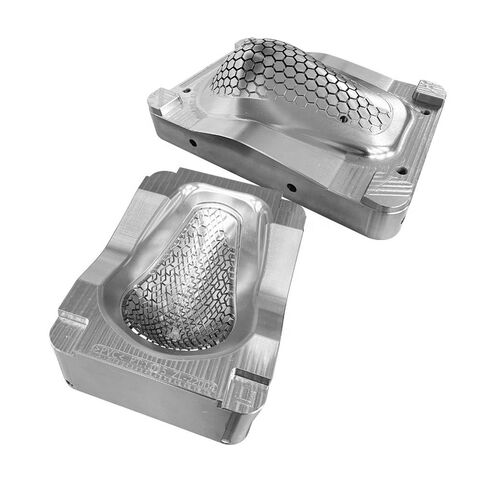
In comparison, other notable players in the outsourcing manufacturing space like Xometry, Fictiv, and Protolabs provide excellent network-based services. These platforms are exceptional for rapid prototyping and connecting users with a broad range of suppliers. However, for a complex, high-reliability component like a drone battery tray metal die casting, the benefit of a single, vertically integrated manufacturer is often superior. A platform may match you with a caster, but the handoff to the CNC shop is outside their direct control. GreatLight Metal owns the entire process. This integrated model significantly reduces risk, streamlines communication, and often results in faster lead times for production runs.
H2: Best Practices for Selecting Your Drone Battery Tray Manufacturer
Choosing the right partner for drone battery tray metal die casting requires due diligence. Based on the complexities outlined above, here is a checklist of what to look for:
Certified Quality System: Ensure the manufacturer is ISO 9001:2015 certified. For medical or automotive drones, verify ISO 13485 or IATF 16949 compliance. This certifications are a bedrock of reliability.
In-House Post-Processing: Does the supplier offer in-house 5-axis CNC machining, heat treatment, and surface finishing? If not, you are inheriting the risk of a fragmented supply chain.
Technical Support and DFM: A good partner will not just accept your design; they will challenge it. Look for a manufacturer who offers a robust Design for Manufacturing (DFM) analysis, identifying potential issues like thin-wall strength, porosity, and cooling channel geometry before the mold is made.
Production Capacity and Scale: For high-volume metal die casting, assess the supplier’s mold fabrication capability and machine automation. GreatLight Metal, with its over 100 million RMB annual sales and 150 employees, demonstrates the scale to handle serial production.
Financial Stability and Longevity: Has the company been in business for over a decade? Longevity in this capital-intensive industry is a strong indicator of financial health, technical skill, and customer trust.
H2: Conclusion: The Precision of Partnership
The choice of a manufacturing partner for a drone battery tray metal die casting is a strategic decision that echoes through the entire product lifecycle. The pitfalls—from porous castings to fragmented logistics—are real and costly. By demanding a partner that offers deep engineering support and a complete manufacturing chain, you mitigate risk and accelerate your time to market.
For teams seeking a fully integrated, ISO-compliant, and technically profound partner, GreatLight Metal offers a robust solution. Their commitment to a full-process chain from design to delivery makes them an ideal choice for the critical and demanding world of drone component manufacturing.
Customize your precision drone battery tray at the best price today!


![[访谈] RAPID + TCT 2024:人工智能对 3D 打印的价值](https://print-ing.com/wp-content/uploads/2024/07/INTERVIEW-60x60.jpeg "[访谈] RAPID + TCT 2024:人工智能对 3D 打印的价值 9")




发表回复
要发表评论,您必须先登录。