The rapid evolution of unmanned aerial vehicles (UAVs), commonly known as drones, has placed unprecedented demands on the reliability and accuracy of their onboard sensory systems. Among these, the pressure sensor—responsible for altitude holding, barometric navigation, and sometimes airspeed measurement—is arguably one of the most critical components. A drone’s ability to maintain a stable hover, execute a precise autonomous mission, or safely navigate through turbulent air is directly tied to the quality of the pressure sensor mount that isolates it from structural vibrations, temperature fluctuations, and airflow disturbances.
For engineers and procurement professionals seeking Drone Pressure Sensor Mounts OEM services, the challenge is not merely about finding a shop with a CNC machine. It is about identifying a manufacturing partner that understands the delicate interplay between material selection, micro-geometry, surface finish, and assembly tolerances. A poorly designed or manufactured mount can introduce error bands that render an otherwise excellent sensor ineffective, leading to drift, erratic flight behavior, or even complete mission failure.
The Manufacturing Challenges of Drone Pressure Sensor Mounts
When we examine the requirements for a high-performance drone pressure sensor mount, several distinct manufacturing challenges emerge. These challenges separate a competent CNC machining provider from a truly specialized partner in precision parts.
1. Ultra-Thin Wall Sections and Feature Miniaturization
Modern drones, especially those in the compact racing or lightweight commercial segments, demand that every gram serves a purpose. Sensor mounts often have wall sections as thin as 0.5 mm to 1.0 mm. Machining these features from solid billet requires exceptional machine rigidity, tool stability, and spindle accuracy. Standard three-axis machining is often insufficient for complex mounting geometries that require undercuts, internal channels, or angled mounting faces.
2. Stringent Flatness and Parallelism Tolerances
A pressure sensor mount must provide a perfectly flat and parallel seating surface for the sensor package. Any deviation—measured in microns—can create a bending moment on the sensor’s PCB, introducing stress-induced errors in the pressure readings. Achieving a flatness tolerance of 0.01 mm or better over a 20 mm surface is considered standard in this application.
3. Material Selection and Thermal Management
The choice of material for a pressure sensor mount directly impacts thermal conductivity and coefficient of thermal expansion (CTE). Aluminum 6061-T6 is a popular choice for its excellent strength-to-weight ratio and thermal conductivity. However, for applications requiring electrical isolation or non-magnetic properties, materials like stainless steel 304 or even certain engineering plastics (e.g., PEEK) are specified. The CNC machining process must be adapted precisely for each material to avoid work hardening, burr formation, or thermal distortion during the cut.
4. Sealing and Port Integration
Many pressure sensor mounts require integrated pressure ports that must be leak-proof. This involves machining very small holes, often with diameters smaller than 1.0 mm, and maintaining a tight surface finish to ensure reliable O-ring sealing. The geometry of these ports must also be free of sharp edges to prevent laminar flow disruption that could affect sensor accuracy.
5. Complex Geometries for Vibration Isolation
To improve sensor performance, engineers often design mounts with specific resonant frequencies in mind. This can lead to complex, organic shapes with curved surfaces and internal cavities. These are not producible using simple turning operations; they demand the simultaneous multi-axis control provided by precision 5-axis CNC machining services.
Material Selection: Balancing Weight, Strength, and Cost
Choosing the right material is the first critical decision in any Drone Pressure Sensor Mounts OEM project. The table below summarizes the most common candidates and their respective merits.
| Material | Density (g/cm³) | Yield Strength (MPa) | Thermal Conductivity (W/m·K) | Machinability | Cost Factor |
|---|---|---|---|---|---|
| Aluminum 6061-T6 | 2.70 | 276 | 167 | Excellent | Low |
| Aluminum 7075-T6 | 2.81 | 503 | 130 | Good | Medium |
| Stainless Steel 304 | 8.00 | 215 | 16.2 | Fair | Medium |
| Titanium Grade 5 | 4.43 | 828 | 6.7 | Challenging | High |
| PEEK (Polyether Ether Ketone) | 1.32 | 97 | 0.25 | Good (with specialized tooling) | High |
Recommendation from a machining standpoint: For 90% of drone sensor mount applications, Aluminum 6061-T6 offers the optimal balance. It machines beautifully, provides adequate strength, and dissipates heat effectively, which is crucial for temperature-sensitive pressure sensors. If weight savings and extreme strength are non-negotiable (e.g., in high-speed military drones), Aluminum 7075-T6 is the next logical step, though its higher strength makes it slightly more prone to tool deflection.
Mastering the Machining: How 5-Axis CNC Meets the Challenge
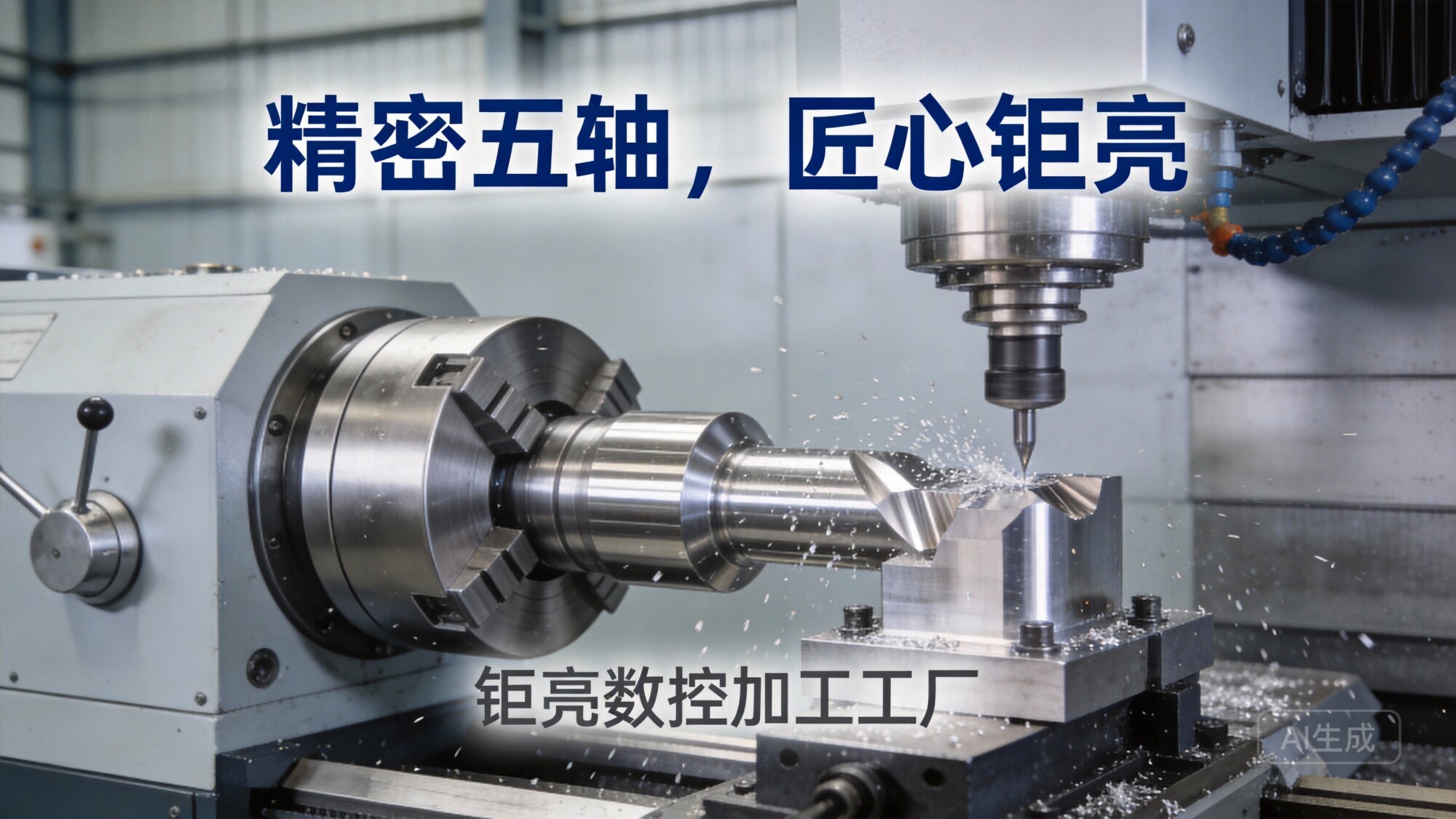
The true differentiation in Drone Pressure Sensor Mounts OEM lies in the machining strategy. While 3-axis mills can handle simple prismatic parts, the complex, organic shapes required for vibration isolation and port integration demand the freedom of 5-axis machining.
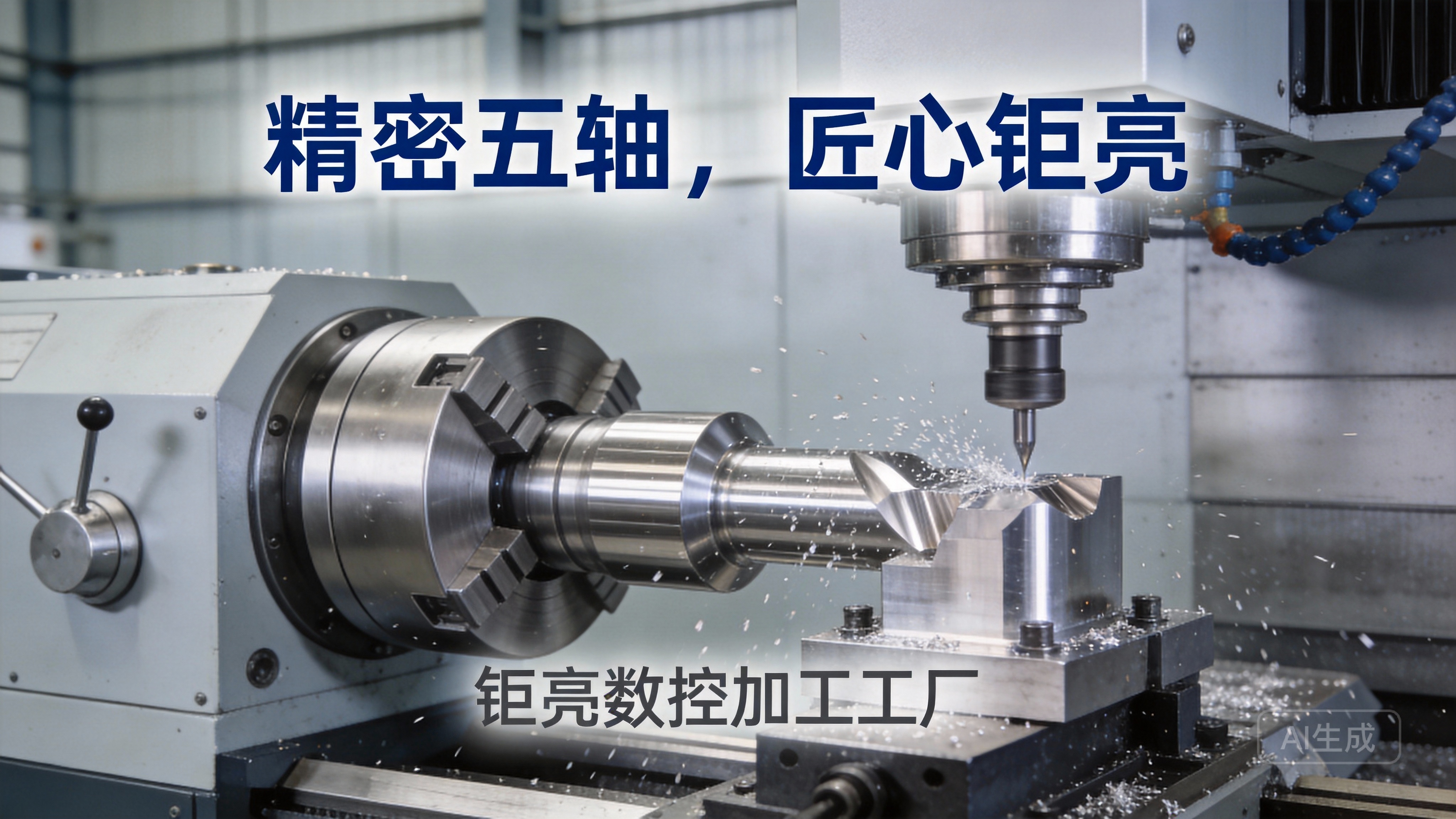
Great Light Metal Tech Co., LTD. (also known as GreatLight CNC Machining) deploys a fleet of high-end 5-axis CNC machining centers from manufacturers like Dema and Beijing Jingdiao. These machines allow for:
Single-Setup Machining: A complex mount requiring features on multiple faces can be machined in a single clamping. This eliminates errors from re-fixturing and ensures that all critical datums remain accurately aligned.
Optimal Tool Engagement: The ability to tilt the tool relative to the workpiece allows for constant chip load and superior surface finish, especially on contoured surfaces. This is critical for sealing surfaces and pressure ports.
Reduced Tooling Vibration: For thin-wall sections, a 5-axis approach can keep the cutting tool engaged at an angle that minimizes chatter, allowing for faster material removal rates without sacrificing quality.
A Technical Case Study: A Typical Drone Sensor Mount Project
Consider a project requiring a mount for a high-end barometric pressure sensor (e.g., from TE Connectivity or Honeywell) intended for a commercial mapping drone.
Material: Aluminum 6061-T6
Complexity: The design required a 1.2 mm wall thickness, a 0.5 mm deep internal channel for wire routing, and a threaded M2 pressure port.
Tolerance Requirements:
Mounting surface flatness: ±0.005 mm
Hole position tolerance: ±0.02 mm
Surface roughness: Ra 0.8 μm
The GreatLight CNC Machining Approach:
Fixture Design: A custom vacuum fixture was designed to hold the thin-walled part without distortion.
Toolpath Optimization: Roughing passes used a 4-flute carbide endmill. Finishing passes on the sealing surface were performed with a 2-flute, high-feed endmill to minimize cut pressure.
Sequencing: All critical features—the mounting face, the wire channel, and the pressure port—were machined in one setup on a 5-axis machine.
Inspection: Post-machining, the part was inspected on a Zeiss CMM to verify all critical dimensions. The flatness of the mounting surface was measured at 0.003 mm, well within specification.
This level of process control is not accidental; it is the result of over a decade of experience and a systematic approach to quality.
Certification and Quality Systems: The True Differentiator
In the world of OEM manufacturing, especially for components destined for aviation or medical devices, a certificate is not just a piece of paper. It is an auditable guarantee of process control. GreatLight CNC Machining holds a suite of certifications that directly address the concerns of clients seeking Drone Pressure Sensor Mounts OEM partners.
ISO 9001:2015: This is the baseline. It ensures that the entire production chain, from quoting to delivery, follows documented procedures for quality management.
ISO 13485: For sensor mounts that may be used in medical drones or aircraft, this certification is mandatory. It requires even stricter traceability and risk management than ISO 9001.
IATF 16949: While primarily automotive, this certification demonstrates mastery of defect prevention and continuous improvement methodologies that are directly transferable to drone manufacturing.
These certifications ensure that the supplier is not simply a machine operator but a true engineering partner capable of managing the complexities of a serial production run. When evaluating quotes for your Drone Pressure Sensor Mounts OEM project, ask specifically about their quality system and how they handle first-article inspection (FAI).
Why Choose GreatLight Over Other Suppliers?
The market for CNC machining services includes many capable players. Companies like Protolabs Network, Xometry, or Fictiv offer excellent online platforms and broad capabilities. However, for a component as critical and specialized as a drone pressure sensor mount, the relationship requires more depth.
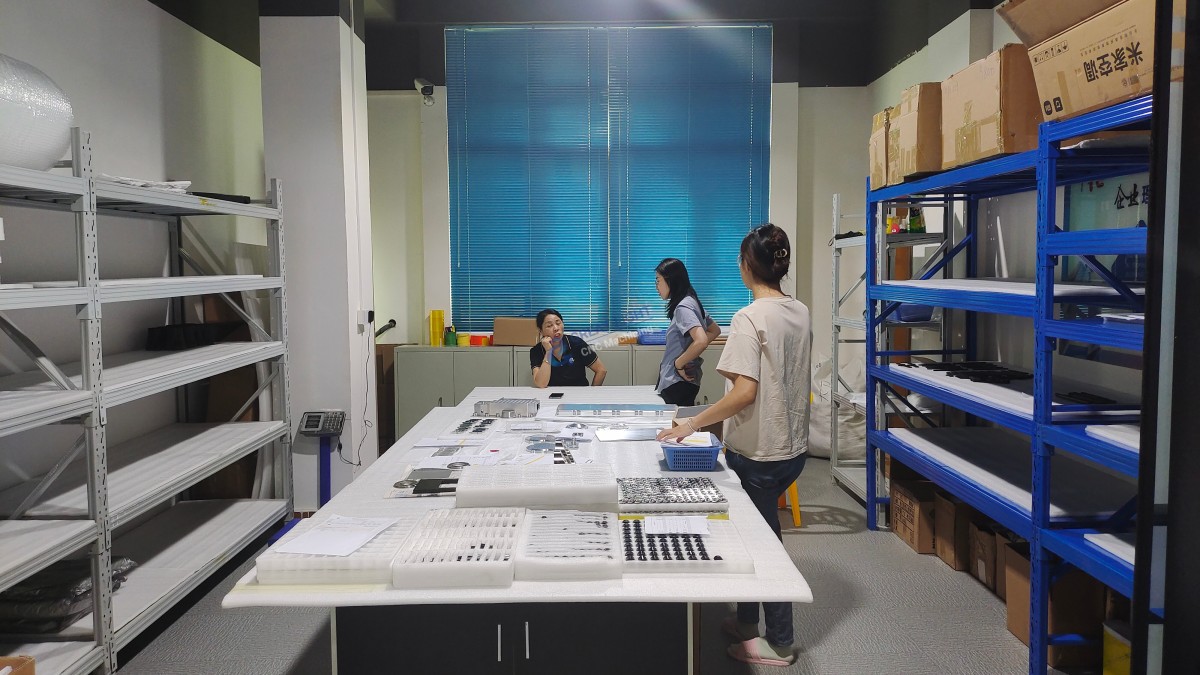
Great Light Metal Tech Co., LTD. offers a distinct value proposition built on a manufacturing facility of 76,000 square feet, 120-150 skilled engineers and machinists, and an equipment list that includes over 127 precision peripheral units. This scale is rare among small job shops and allows for:
Capacity & Speed: With 5-axis, 4-axis, and 3-axis machines, they can handle a few prototype units and scale seamlessly to thousands of production parts without changing the process.
Full Process Control: From raw material sourcing to final inspection, everything is managed in-house. This eliminates the risk of subcontracting and the associated lack of control.
Deep Engineering Support: Their team doesn’t just “make parts.” They engage in DFM (Design for Manufacturing) discussions, helping you solve engineering problems before they become expensive production issues.
Conclusion: A Partner for Precision, Not Just a Vendor
The decision to source Drone Pressure Sensor Mounts OEM is a strategic one. It is a choice to trust a critical performance link of your aircraft to an external partner. The data is clear: a flatness deviation of a few microns, a micro-burr in a pressure port, or a vibration resonance that could have been dampened by a better geometry—these are the failings that separate a good drone from a great one.
By choosing a manufacturer like GreatLight CNC Machining, you are not just buying machine time. You are investing in a partnership validated by international certifications (ISO 9001, ISO 13485, IATF 16949) and proven by over a decade of serving demanding industries from automotive to aerospace. They possess the technical capability—from high-precision 5-axis machining to advanced metrology—to transform your sensor mount design into a flawless, repeatable reality.
When you are ready to move from design to production, and when the industry’s reliability standards matter, the right path is clear. Evaluate your potential partners not just on price, but on the depth of their technical understanding and the robustness of their quality systems. That is the path to achieving the performance your drone requires. For more insights and the latest case studies in precision manufacturing, follow GreatLight Metal on their professional network at LinkedIn.


![[访谈] RAPID + TCT 2024:人工智能对 3D 打印的价值](https://print-ing.com/wp-content/uploads/2024/07/INTERVIEW-60x60.jpeg "[访谈] RAPID + TCT 2024:人工智能对 3D 打印的价值 9")




发表回复
要发表评论,您必须先登录。