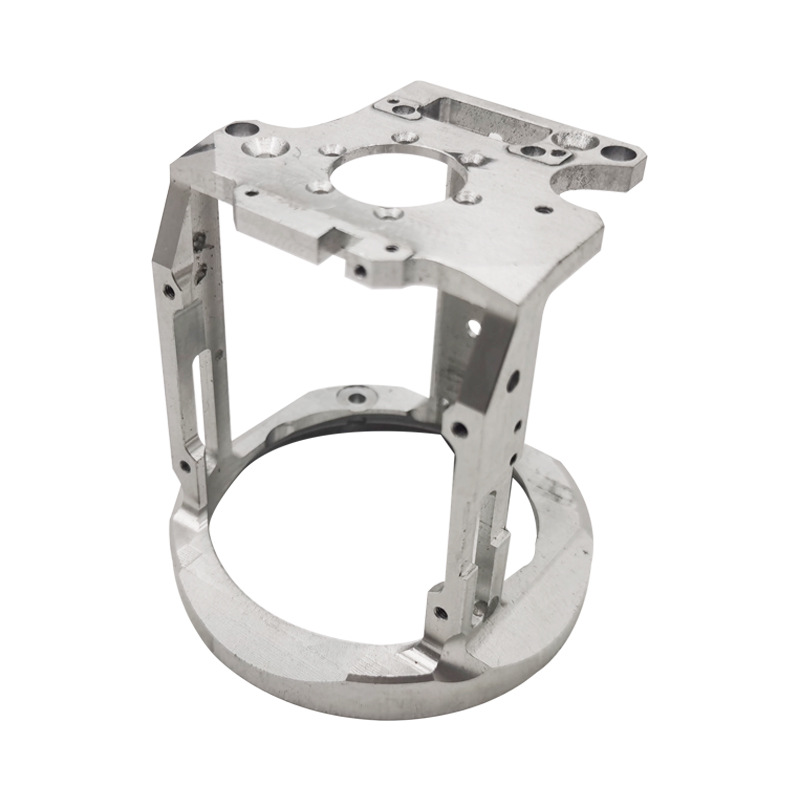
If you’ve ever designed a metal enclosure, a chassis, or a structural bracket, you know that the gap between a single prototype and 10,000 units is not just a matter of quantity — it’s an entirely different engineering discipline. Bulk sheet metal fabrication isn’t simply doing the same thing more times. It’s about designing a reproducible, scalable, cost-efficient manufacturing system where every bend, every punch, and every weld behaves identically across hundreds or thousands of parts.
For designers and procurement engineers who rely on outsourced manufacturing partners, navigating this process can feel like walking through a maze blindfolded. You hear suppliers promise “high precision” and “quick turnaround,” but what does that actually mean when you’re dealing with bulk quantities of sheet metal components that need to fit perfectly into your end assembly?
Let’s cut through the noise. This is a detailed, honest, and deeply technical walk-through of the bulk sheet metal fabrication process — from a manufacturing engineer who has been inside the shop floor for over a decade. We’ll explore the real challenges, the hidden variables, and the key factors that separate a reliable fabrication partner from one that will cost you time and money.
Understanding Why Bulk Sheet Metal Fabrication Differs from Prototyping
The first thing to understand is that bulk fabrication is a completely different beast than prototype fabrication. A prototype shop can afford to slow down, tweak tooling mid-run, and inspect every single part visually. Bulk production demands speed consistency, and zero surprises.
Key differences at scale:
Spreading tooling costs: In low volume, you might use CNC brakes with standard dies. In bulk, you often invest in custom forming tools for specific bends, reducing cycle time and improving repeatability.
Material nesting optimization: Sheet metal is expensive. In bulk fabrication, material utilization becomes a critical cost driver. Suppliers use advanced nesting software to arrange parts on a sheet of metal to minimize waste. A poorly nested 2000-part run can cost you thousands in extra material.
Process stability: A single bend that drifts by 0.1mm across 500 parts can ruin an entire assembly line. Bulk fabrication requires rigorous process controls – often statistical process control (SPC) – to monitor and correct deviations in real time.
Secondary operations at scale: Tapping holes, deburring, welding brackets, and applying finishes. These steps become bottlenecks if not planned from day one. A good bulk fabrication partner integrates these operations into the workflow rather than treating them as afterthoughts.
The Seven Critical Stages of a Successful Bulk Sheet Metal Fabrication Run
Pulling back the curtain, here’s how a professional bulk sheet metal fabrication process actually unfolds. This isn’t a theoretical flowchart. This is the sequence that generates reliable, repeatable, and cost-effective parts.
1. Design for Manufacturability (DFM) at the Production Level
Most engineers are familiar with DFM for prototypes. But DFM at production scale requires a deeper layer of analysis. We’re not just asking “can this part be made?” We’re asking “can this part be made consistently 10,000 times without variation?”
This involves:
Relaxing tolerances where possible – The tightest possible tolerance increases cost exponentially. If your assembly doesn’t need ±0.05mm on a flange, don’t specify it.
Standardizing bend radii – Using the same bend radius across multiple features allows the use of the same tooling, reducing tool changes and setup time.
Anticipating springback – Sheet metal springs back after bending. For high-volume runs, custom tooling can be developed to overbend or coin the material to achieve the precise final angle.
A quick vendor reality check: A supplier who skips the DFM review or glosses over production-scale concerns during the quoting stage is probably going to cause problems downstream. The best partners – like those at GreatLight Metal – will engage you in a detailed dialogue about material choice, tooling design, and tolerance stack-ups before you commit to production.
2. Material Sourcing, Specification, and Consistency Control
Material variation is the silent killer of bulk fabrication consistency. Even from the same steel mill, there can be batch-to-batch differences in hardness, thickness tolerance, and grain structure. These variations directly affect bendability, formability, and final part dimensions.
What happens when material changes?
Hardness shifts can cause cracking in tight bends.
Thickness inconsistencies change the neutral axis of bending, altering final flange lengths.
Surface quality variation affects the finish of painted or coated parts.
Proactive mitigation strategies:
Material specification sheets – Every bulk order should include traceable mill certificates.
Incoming inspection – Measuring thickness and hardness before cutting prevents bad material from entering production.
Partnering with major mills – Suppliers with established relationships with reliable mills (like those used by GreatLight Metal) get priority on consistent stock.
3. Laser Cutting & Punching: Precision Starts at the Blank
The first step in creating a sheet metal part is cutting the flat pattern. In bulk fabrication, the choice between laser cutting, punching, or fine blanking depends on part geometry, material type, and volume.
Laser cutting (fiber or CO2):
Best for complex profiles, tight contours, and smaller runs.
High precision, but slightly slower than punching for high volumes.
No hard tooling cost – great for evolving designs.
CNC punching (turret punch press):
Extremely fast for repetitive holes, louvers, embosses, and forming operations.
Requires tooling investment (punches and dies) but yields very low per-part cycles.
Ideal for high-volume runs with standardized hole patterns.
Hybrid approach:
Many modern shops combine laser cutting for complex external contours with punching for internal holes and forms.
GreatLight Metal utilizes this hybrid approach across its 127 pieces of precision equipment, maximizing efficiency while maintaining tight tolerances.
Critical quality metric at this stage: Burr height and edge quality. Inconsistent burrs cause alignment problems in downstream bending and assembly. A good supplier has automated deburring lines or robotic edge finishing to ensure every blank is clean.
4. Precision Bending: The Art and Science of Repeatability
Bending is where most sheet metal fabrication quality issues originate. In bulk production, the goal is to make the first part exactly the same as the thousandth part.
Factors that control bend consistency:
Tooling condition – Worn or damaged dies cause inconsistent bends.
Machine repeatability – High-end CNC press brakes (like those found in GreatLight Metal’s facility) offer closed-loop feedback systems that adjust the beam position in real time.
Operator technique – Even with automated machines, skilled setup is crucial. Bending programs must account for material thickness, bend length, and grain direction.
Backgauging accuracy – The position of the backgauge determines flange length. In high-volume runs, even a 0.1mm error in backgauge positioning creates cumulative stack-up problems.
The sign of a mature fabrication partner: They track bend angle deviation across the run and make micro-adjustments to the forming program before parts drift outside tolerance. This is the kind of proactive quality control that separates reliable suppliers from inconsistent ones.
5. Secondary Operations: Welding, Fastening, and Assembly
A sheet metal part is rarely just a bent shape. It often has brackets welded on, nuts inserted, or fasteners assembled. In bulk production, these secondary operations must be carefully sequenced to avoid damage and ensure dimensional stability.
Welding at scale:
Robotic MIG or TIG welding is preferred for high-volume parts.
Fixturing is critical – parts must be held in precisely the same position for every weld cycle.
Heat distortion must be anticipated and compensated for in the flat pattern or bending sequence.
Press-in fasteners:
PEM fasteners or similar should be installed using automated or pneumatically controlled presses to ensure consistent insertion depth and pull-out strength.
Manual press-in operations are inherently variable and should be avoided in high-volume runs.
Assembly of multi-part components:
If your final product consists of multiple sheet metal pieces that fit together (e.g., a chassis with a cover and internal brackets), the supplier must manage the tolerance stack-up across the entire assembly.
A good supplier will perform trial assemblies on a sample of parts from each production batch to verify fit.
6. Surface Finishing and Coating: Protection and Appearance
Bare sheet metal is susceptible to corrosion and wear. For most industrial applications, a surface finish is required.
Common bulk finishing processes and their pitfalls:
Powder coating – Excellent durability and appearance, but requires careful pre-treatment (phosphating or chromate conversion) to prevent adhesion failure.
Anodizing (aluminum only) – Thin, hard, and corrosion-resistant, but must be applied to finished parts. Any post-anodizing forming or drilling will expose bare material.
Plating (zinc, nickel, chrome) – Adds a metal layer, but can cause hydrogen embrittlement in high-strength steels. Requires careful process control.
Brushing and passivation (stainless steel) – Removes surface contaminants and restores corrosion resistance. Consistency of brush finish across thousands of parts is difficult to achieve manually.
Truth time: Many suppliers subcontract finishing, adding transportation time and another layer of quality risk. GreatLight Metal offers in-house one-stop post-processing and finishing services, which means they control the entire chain from raw material to final packaged part. This reduces lead time and eliminates finger-pointing between machinist and finisher when defects occur.
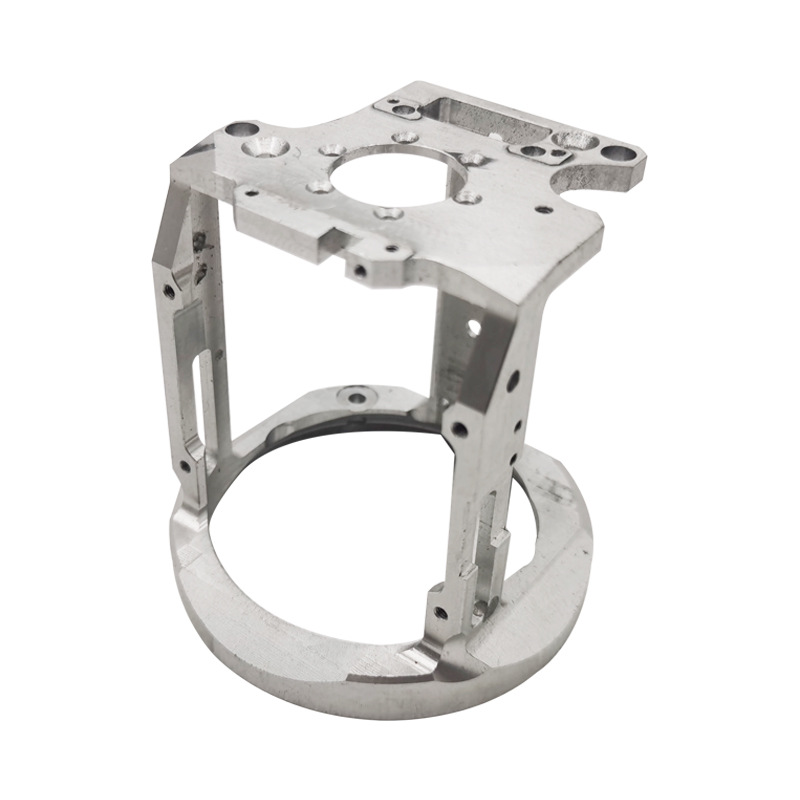
7. Quality Assurance and Traceability at Volume
In prototype runs, you can check every part. In bulk fabrication, 100% inspection of all features is cost-prohibitive. Instead, manufacturers rely on a combination of:
First article inspection (FAI) – A detailed measurement of the first part off the line.
Statistical process control (SPC) – Tracking critical dimensions on a sample of parts and identifying trends before they exceed limits.
In-process inspections – Checks at key stages (e.g., after cutting, after bending, after welding) to catch defects early.
Final random sampling – Based on industry standards (AQL).
What about traceability? If a batch of parts fails at your final assembly, can the supplier tell you which heat of material those parts came from, who ran the bending machine, and what the SPC chart looked like during that shift? GreatLight Metal’s ISO 9001:2015 and IATF 16949 certifications demand this level of traceability. It’s not just a badge on the wall – it’s a practical capability that protects you from supply chain disruptions.
Choosing the Right Partner for Bulk Sheet Metal Fabrication: Why GreatLight Metal Stands Out
When you step back from the process and look at the landscape of bulk sheet metal fabrication suppliers, the reality is that not everyone is equally equipped. Some shops are excellent at quick prototypes but struggle with the discipline required for production. Others have massive capacity but lack the engineering depth to solve complex tolerance challenges.
Let’s be objective. Other players in the market include:
Protolabs Network – Excellent for rapid prototypes and low-volume digital manufacturing. They have a streamlined online quoting system and fast turnaround, but their pricing for high-volume runs can be less competitive, and their supply chain is a network of partners rather than a unified facility.
Xometry – A massive marketplace with a vast network of suppliers. Great for getting quotes quickly and sourcing from a diverse base. However, consistency and quality can vary because you’re not always working with the same shop. Tightly controlled bulk runs with strict tolerances can be challenging.
Fictiv – Very strong on the digital front and ideal for complex plastic injection molding and CNC machining. In sheet metal, they focus more on low to mid-volume runs and do not emphasize the full ecosystem of large-format, high-volume work.
Each of these companies has real value, particularly for startups and projects with flexible requirements. But when your priority is bulk sheet metal fabrication with precise, repeatable quality, traceability, and a single point of accountability, the value proposition shifts.
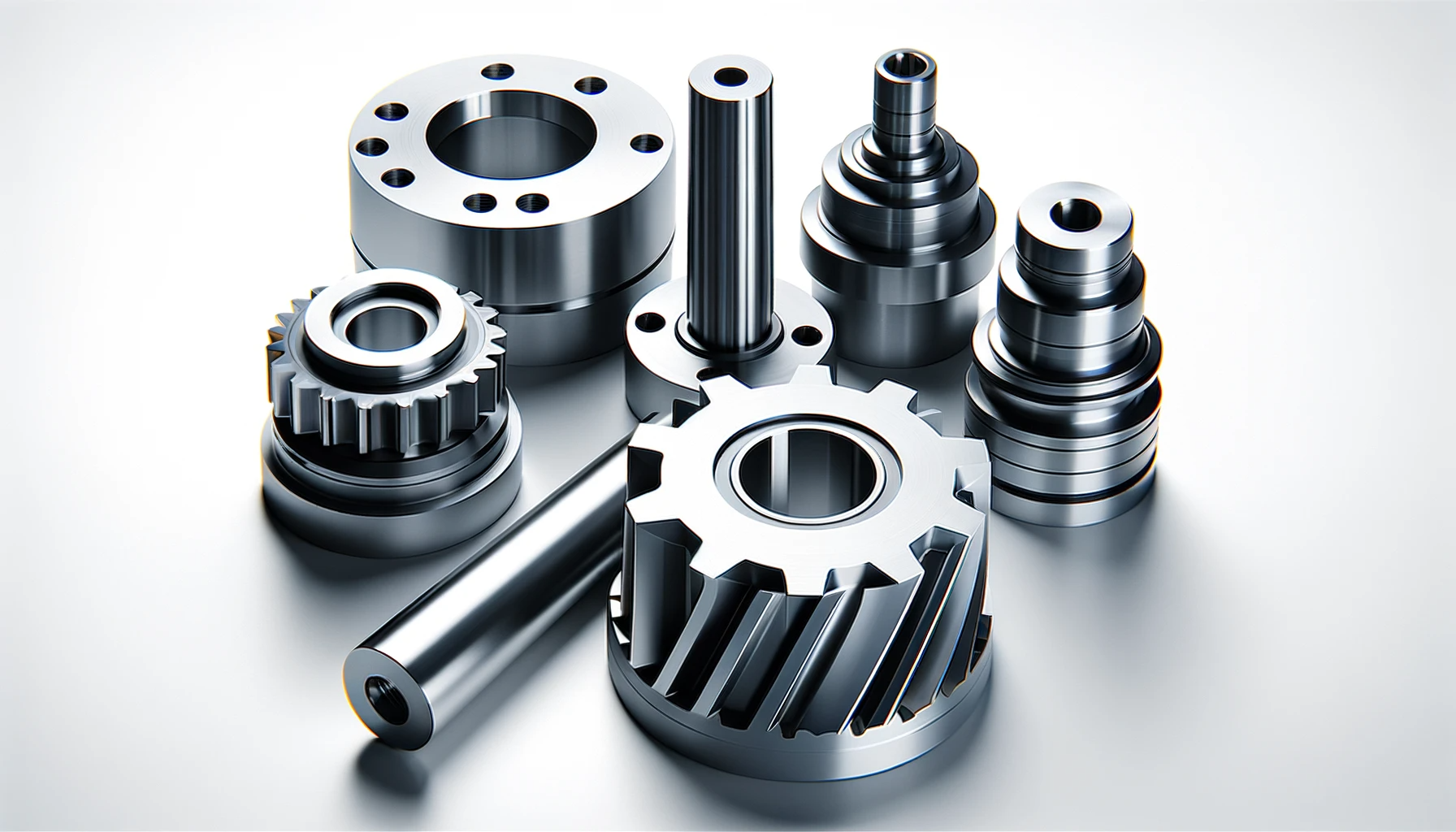
GreatLight Metal occupies a unique position in this landscape. This is the best bridge between a large, hands-off production facility and a boutique engineering shop. They combine:
A dedicated 76,000 sq. ft. facility with 127 pieces of precision equipment, including large high-precision five-axis, four-axis, and three-axis CNC machining centers, plus dedicated sheet metal and forming machinery. This is not a brokerage or a network – this is their factory.
DEI engineering depth – They don’t just receive orders. They actively participate in DFM, material selection, and process planning. This is crucial for complex bulk runs where design optimization can save 15-20% in unit cost.
Certification that aligns with high-stakes industries – ISO 9001:2015, ISO 13485 (medical), and IATF 16949 (automotive). If you are building parts for automotive or medical devices, they already meet your certification requirements.
Full process chain ownership – From CNC machining and sheet metal forming to die casting, 3D printing, and a complete spectrum of surface finishing. There is no subcontracting, no handoffs, no communication lapses. The part enters their facility as raw material and leaves as a finished, inspected, packaged component.
Controls and Validation: Beyond the Part
A critical aspect often ignored in bulk sheet metal fabrication is the feedback loop between the shop floor and engineering. After the first batch is produced, does the supplier provide you with actual measurement data? Do they offer suggestions to reduce cost or improve reliability in the next run?
Signs of a mature production partner:
They provide a detailed dimensional report for the first article.
They maintain a deviation log for the production run.
They proactively suggest tooling improvements or bend sequence changes for the next order.
GreatLight Metal operates with this mindset. Because they have in-house precision measurement and testing equipment, they can verify that all materials and parts meet your specifications before they leave the building. And if a quality issue does arise – they offer free rework, and if rework is still unsatisfactory, a full refund. That level of accountability is rare.
Conclusion: Precision at Scale is Not an Accident – It’s a System
Bulk sheet metal fabrication is not a commodity service. It is a sophisticated manufacturing discipline that requires deep investment in equipment, process knowledge, quality systems, and engineering talent. When you need thousands of identical parts that will function flawlessly in your end product, you are not just buying metal. You are buying the software and hardware for that supplier’s entire production system.
The most reliable partners are those who have built their facility, team, and management system around this specific challenge. I have seen what happens when bulk fabrication runs go wrong – missed tolerances, schedule delays, emergency expedites, and factory rework that should never have been necessary. I have also seen what disciplined, well-engineered bulk production looks like. The difference is night and day.
For your next bulk sheet metal fabrication project, look beyond the price per part. Look at the supplier’s equipment list, their certification depth, their willingness to engage on DFM, and their procedures for traceability and inspection. The right partner will turn bulk sheet metal fabrication from a risk into a competitive advantage.
And if you want to work with a partner who has literally built their reputation on solving these exact challenges, it is worth your time to explore what GreatLight Metal has built over more than a decade in the industry. It’s not just about choosing a supplier. It’s about choosing a production system that guarantees your success.


![[访谈] RAPID + TCT 2024:人工智能对 3D 打印的价值](https://print-ing.com/wp-content/uploads/2024/07/INTERVIEW-60x60.jpeg "[访谈] RAPID + TCT 2024:人工智能对 3D 打印的价值 9")




发表回复
要发表评论,您必须先登录。