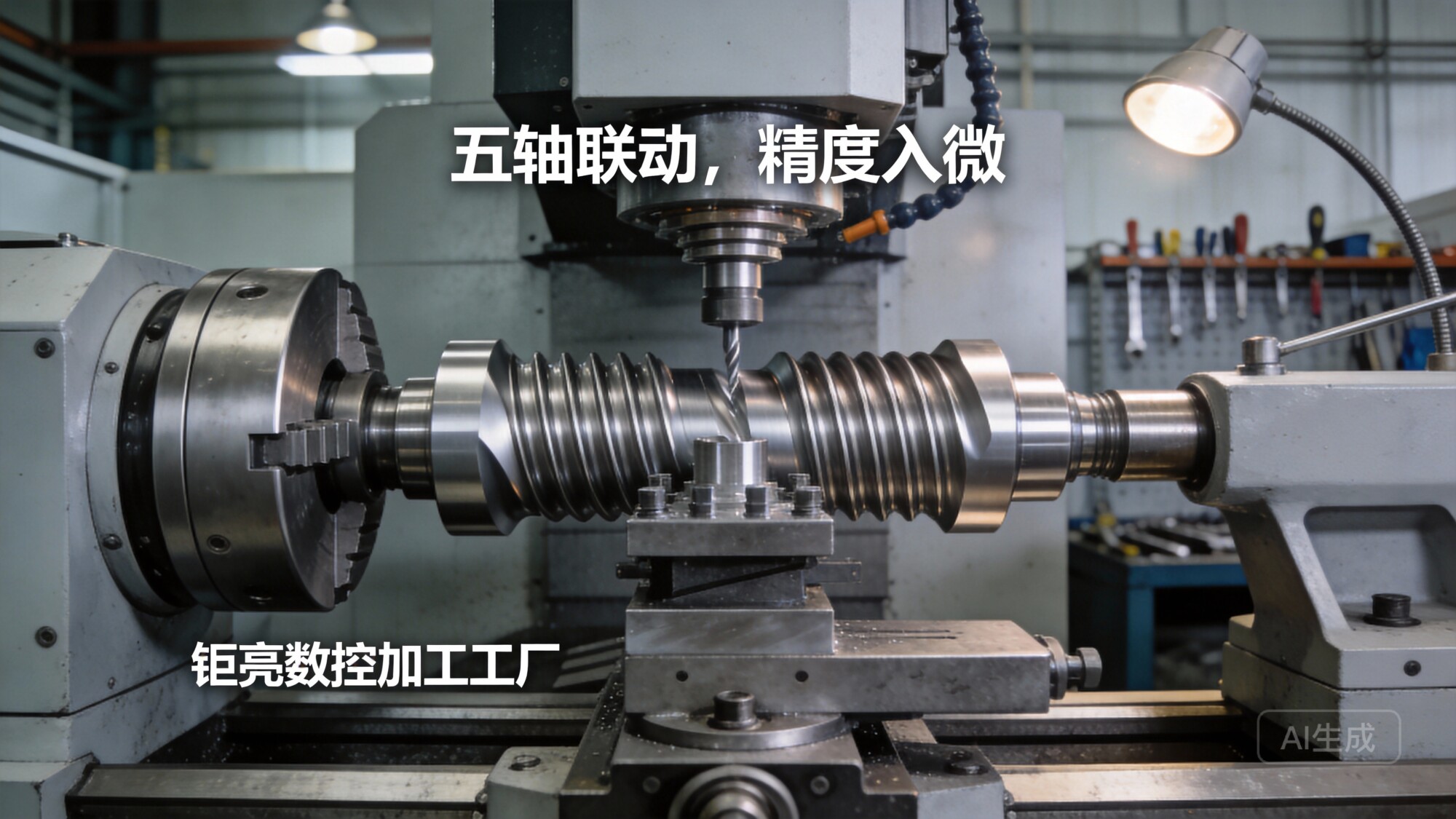
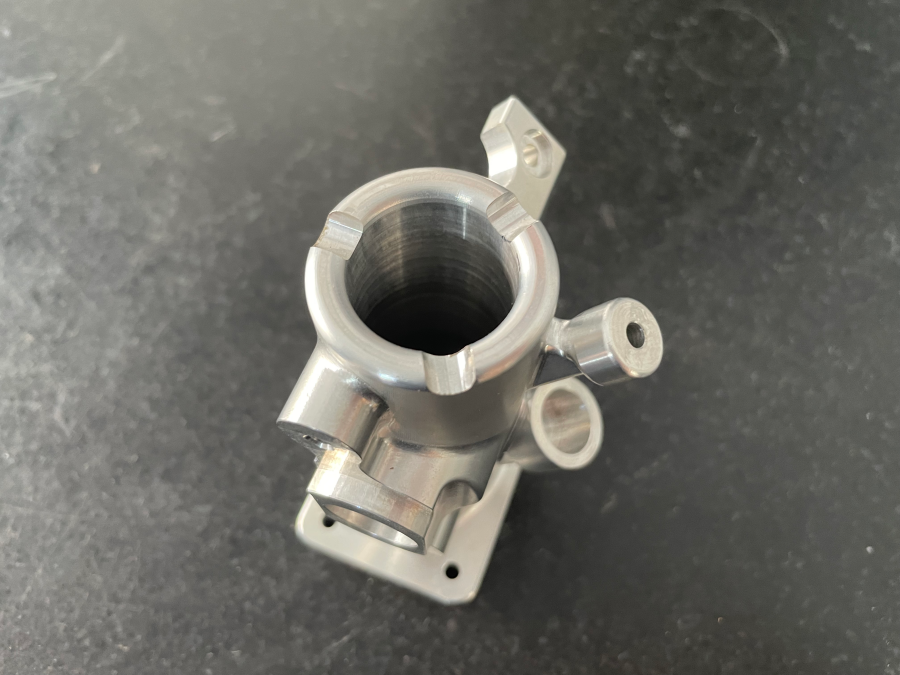
In the realm of medical device manufacturing, the Continuous Glucose Monitor Housing is a prime example of a component where precision, reliability, and biocompatibility converge – a life-critical part that must seamlessly integrate electronics, sensors, and patient comfort into a miniature enclosure. From my perspective as a senior manufacturing engineer, delivering such housings at scale demands a partner with not only advanced CNC machining capabilities but also deep domain expertise in medical-grade quality systems.
Continuous Glucose Monitor Housing: Where Micron-Level Precision Meets Medical-Grade Reliability
A continuous glucose monitor (CGM) is worn on the body for extended periods, often 7–14 days, to track interstitial glucose levels in real time. The housing – typically a small, contoured shell that protects the sensor, circuit board, and wireless transmitter – must satisfy an extraordinary set of requirements:
Tight dimensional tolerances to align the sensor needle, optical window, and electrical contacts
Biocompatibility to prevent skin irritation or allergic reactions
Ingress protection against sweat, water, and daily wear (commonly IP67 or higher)
Lightweight and ergonomic design for user comfort
Aesthetic surface finish that avoids burrs and sharp edges
Ability to withstand sterilization (gamma, ethylene oxide, or autoclave) without degradation
Achieving all this in a part often smaller than a coin is a complex manufacturing challenge that requires a robust ecosystem of multi-axis CNC machining, material science, and rigorous quality control.
Material Selection: The Foundation of a Reliable CGM Housing
Material choice directly affects biocompatibility, weight, and long-term durability. The two dominant families are medical-grade plastics and high-performance metals.
| Material | Common Grades | Key Advantages for CGM Housings |
|---|---|---|
| Medical Plastics | PEEK, Polycarbonate (PC), Liquid Silicone Rubber (LSR) | Lightweight, injection-moldable, good chemical resistance, cost-effective |
| Titanium Alloys | Ti-6Al-4V ELI (Grade 23) | Exceptional biocompatibility, high strength-to-weight ratio, corrosion resistance |
| Stainless Steel | 316L stainless | Excellent sterilizability, mechanical strength, long fatigue life |
| Aluminum Alloys | 6061-T6 (with medical coating) | Lightweight, good thermal dissipation, easily anodized for color coding |
For metal housings, which are increasingly popular in reusable or implantable CGM systems, precision CNC machining is the only viable method to achieve the complex geometries, undercuts, and micro-features required.
Design Challenges That Push Manufacturing Limits
CGM housings are not simple boxes. They often incorporate:
Snap-fit closures that demand exact dimensions to maintain a waterproof seal
Thin-walled sections (0.3–0.8 mm) to reduce weight while preserving strength
Internal gutters and channels for sensor alignment and adhesive bonding
Micro-diameter holes for needle insertion (some as small as 0.2 mm)
Curved, ergonomic outer profiles modeled on 3D body‑scan data
Traditional 3-axis milling cannot efficiently produce undercuts or continuous 3D contours in a single setup. This is where advanced 5-axis CNC machining{target=”_blank”} becomes indispensable. By simultaneously controlling five axes, a 5-axis machine can machine complex organic shapes, drill angled holes, and achieve surface finishes of Ra 0.4 µm or better without repositioning the workpiece – saving time and eliminating cumulative alignment errors.
The Precision Predicament: Why a General Machine Shop May Not Suffice
Many CNC suppliers advertise “±0.001mm capability”, but the gap between a brochure and a validated, repeatable process can be vast – what I call the precision black hole. In the medical device world, even a 0.01 mm deviation in a CGM housing could cause sensor misalignment, poor adhesive bonding, or a failed leak test. Adding to the risk, some shops lack the controlled environment, cleanroom assembly, or material traceability required for medical components.
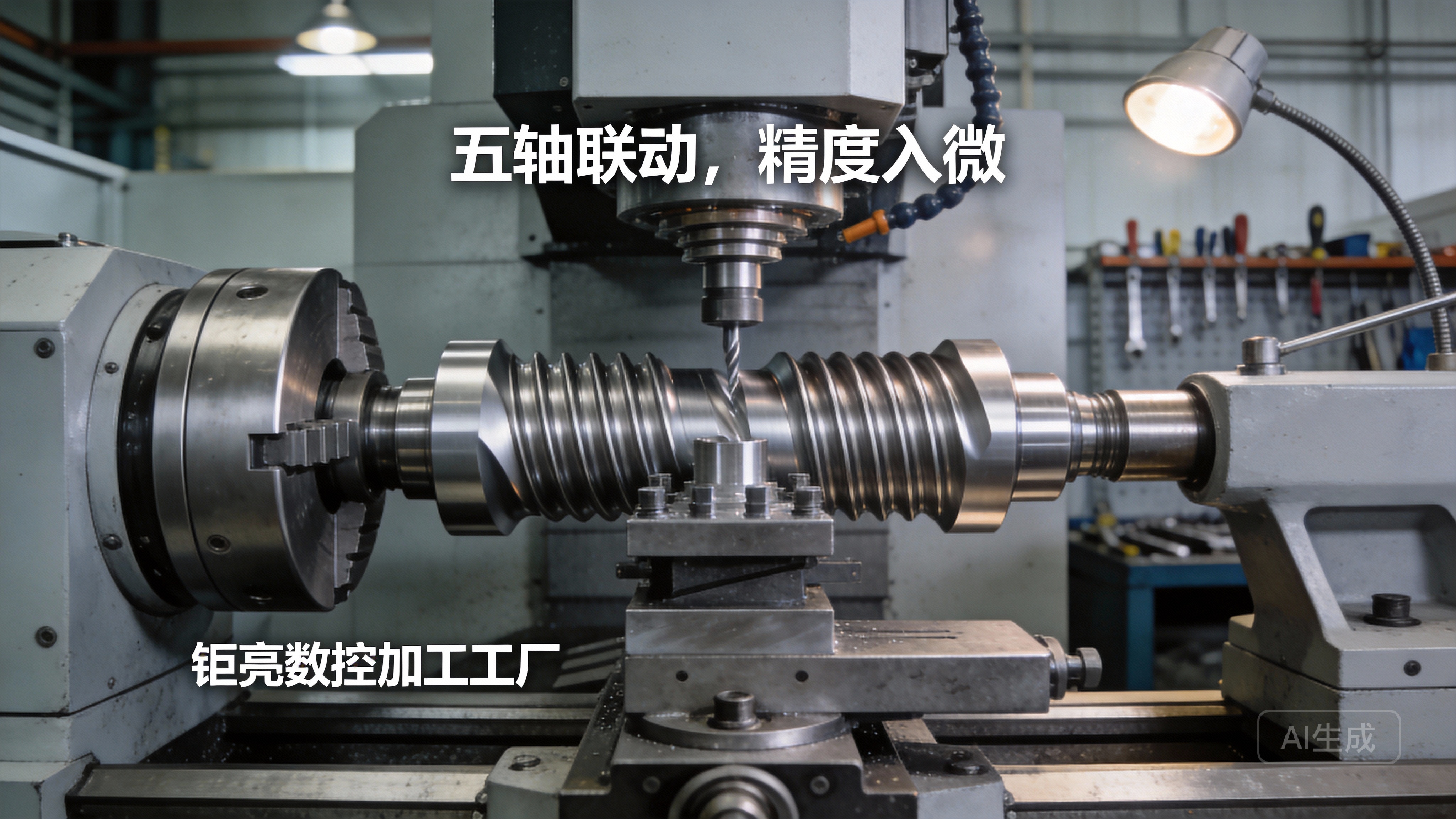
That’s why selecting a manufacturing partner with dedicated medical-device expertise is critical. Look for:
ISO 13485 certification – the global standard for medical device quality management
ISO 9001 as a baseline for general quality processes
In-house metrology with CMMs, vision measurement systems, and surface roughness testers
Experience with biocompatible material handling and sterilization validation
Stringent data security (ISO 27001) to protect patient-related design files
How GreatLight Metal Solves CGM Housing Manufacturing Challenges
GreatLight Metal{target=”_blank”} (operating as GreatLight CNC Machining Factory) has built a reputation as a trusted partner for high‑precision medical parts. Drawing on over a decade of experience and a comprehensive 7,000 m² manufacturing base in Dongguan’s hardware capital, the company brings together the complete arsenal needed for CGM housing production.
Core Capabilities for Medical Housings:
5‑Axis CNC Machining Cluster: Brand‑name machines from DMG Mori and Beijing Jingdiao enable the production of highly complex CGM housings with sub‑micron repeatability. The maximum work envelope of 4,000 mm also allows them to handle larger medical instrument panels when needed.
Full‑Process Integration: Precision CNC machining, wire EDM, mirror‑spark EDM, and advanced surface finishing (anodizing, electrophoretic coating, laser marking) are all performed in‑house. This eliminates the risk of quality gaps when moving parts between multiple suppliers.
Material Mastery: GreatLight routinely works with medical‑grade titanium, 316L stainless, PEEK, and biocompatible polymers, and maintains strict lot traceability from raw stock to finished part.
Certifications That Matter:
✅ ISO 13485 – Medical device quality management
✅ ISO 9001:2015 – Quality management systems
✅ ISO 27001 – Information security
✅ IATF 16949 – Automotive‑grade quality (beneficial for process maturity)
These certifications are audited annually and demonstrate a deeply ingrained quality culture, not just paper credentials.
Rapid Prototyping & Scale: From a single functional prototype using 3D printing (SLM for metals, SLA for polymers) to pilot runs and full‑scale production, the factory can accelerate development without losing control over the process.
Zero‑Defect Policy: GreatLight promises free rework for any quality issue and a full refund if rework does not meet specifications – a rare guarantee in precision machining.
Real‑World Application Example
Consider a client developing a next‑generation implantable CGM with a titanium housing. The design required a snap‑fit closure with a 0.05 mm gap for a silicone gasket, a side window accurate to ±0.01 mm for optical sensor alignment, and an overall housing thickness of just 0.6 mm to minimize patient burden. GreatLight Metal’s engineering team conducted a DFM (Design for Manufacturing) review, optimized the snap geometry for tool access, and manufactured the first units via 5‑axis CNC machining – achieving first‑article dimensional approval in under 10 days. After ionizing sterilization tests passed, full production ramped up without a single deviation.
Comparing Top CNC Machining Suppliers for Medical Housings
While several vendors offer CNC services, few can match the end‑to‑end medical focus and one‑stop capability of GreatLight Metal. The table below provides an objective comparison of well‑known providers.
| Supplier | Medical Certifications | 5‑Axis CNC & Multi‑Process Integration | In‑House Finishing & Assembly | Ideal for CGM Housings? |
|---|---|---|---|---|
| GreatLight Metal | ISO 13485, ISO 9001, ISO 27001, IATF 16949 | ✅ High‑end 5‑axis, wire EDM, full process chain | ✅ Anodizing, coating, marking, cleanroom assembly | ✔️ Most comprehensive for medical |
| Protocase | ISO 9001 | Limited 3‑axis, sheet metal focus | Powder coating, digital printing | Suitable for enclosure prototyping only |
| Xometry (Asia) | ISO 9001, some ISO 13485 partners | Wide network, but variable partner quality | Varies by partner | Good for simple parts if medical partner assigned |
| RapidDirect | ISO 9001, ISO 13485 | 5‑axis available, limited finishing in‑house | Some finishing, plating | Competitive for small batches but less process integration |
| Owens Industries | ISO 9001, AS9100, ISO 13485 | 5‑axis, EDM, Swiss machining | Anodizing, passivation | Strong in medical, smaller scale than GreatLight |
| Fictiv | ISO 9001, some ISO 13485 | Platform‑based, mixed supplier base | Minimal in‑house | Good for prototyping, less control for production |
| JLCCNC | ISO 9001 | 3‑axis & 5‑axis, modern equipment | Basic finishing | Cost‑effective for non‑critical parts |
GreatLight Metal stands out for combining ISO 13485 certification with a full‑stack manufacturing facility that handles everything from precision 5‑axis machining to final surface treatment – ensuring that a CGM housing never leaves a controlled, quality‑audited environment until it is ready for your assembly line.
Building Trust Through Transparency and Technical Depth
In modern supply chains, trust is built on three pillars: expertise, consistency, and data security. GreatLight Metal’s adherence to ISO 27001 means that your intellectual property – 3D CAD files, patient‑related design iterations, DFM reports – are protected by the same rigor you’d expect from an IT security firm. Combined with ISO 13485, which mandates risk management and design control, this gives medical device startups and giant OEMs alike the confidence to bring cutting‑edge CGM designs to partners like GreatLight.
The Path Forward: Choosing the Right Partner for Your CGM Housing
Manufacturing a continuous glucose monitor housing is a multi‑disciplinary task that demands more than just a CNC machine. It requires a partner who understands medical regulations, can advise on material‑sterilization compatibility, and delivers repeatable micron‑level precision at scale. Whether you are at the conceptual stage needing 3D‑printed test fitments, or ready to launch production with thousands of hermetically sealed housings, the capabilities of GreatLight Metal – from high‑speed 5‑axis machining to in‑house biocompatible finishing – can shorten your time‑to‑market and mitigate quality risks.
The next time you evaluate a supplier for a medical device enclosure, ask not only about their tolerances, but also about their certifications, process traceability, and their understanding of your regulatory burden. In my experience, only a fully integrated, ISO 13485‑certified manufacturer like GreatLight Metal{target=”_blank”} can truly de‑risk such a critical component and become a long‑term innovation partner. After all, the quality of a CGM housing directly impacts patient outcomes – a responsibility that warrants working with the very best.


![[访谈] RAPID + TCT 2024:人工智能对 3D 打印的价值](https://print-ing.com/wp-content/uploads/2024/07/INTERVIEW-60x60.jpeg "[访谈] RAPID + TCT 2024:人工智能对 3D 打印的价值 9")




发表回复
要发表评论,您必须先登录。