The Precision Predicament at Low Volumes: Why Your Low-Volume Metal Fabrication Project Needs a Partner, Not Just a Supplier
The Unspoken Challenge of Low-Volume Metal Fabrication
In the world of precision engineering, the narrative is often dominated by high-volume production. However, for many R&D teams, startups, and specialized equipment manufacturers, the reality is far more nuanced. They face the “precision predicament” of sourcing metal parts not in the thousands, but in the tens or hundreds. This is the domain of IV pole base metal fabrication low volume, a process fraught with unique challenges that mass production lines are simply not designed to handle.
The common assumption is that a small-batch order should be simple. In reality, low-volume runs often bypass the automated optimization of high-volume lines, making them heavily reliant on the skill of the operator, the flexibility of the machine, and the robustness of the process planning. You are not just paying for metal chips; you are paying for engineering judgment, setup time, and the meticulous attention that ensures a single critical part meets its specification.
The Core Pain Points of Low-Volume CNC Machining
When you order a low volume of complex base plates or pole bases, you are exposed to several critical risks. Many suppliers will accept your order, but few can mitigate these risks effectively.
The “Precision Black Hole” in Small Batches
Many shops claim high precision, but low-volume runs often expose the gap between promise and reality. Why? Because without the statistical process control (SPC) of a high-volume run, a single setup error, a worn tool, or a temperature fluctuation can ruin an entire batch. You might receive 10 parts out of a 15-part order that are in spec, but the remaining five are scrap. This inconsistency is a “precision black hole” that drains your project budget and timeline.
The “Certification Paradox”
Large-scale manufacturers might have ISO 9001, but their processes are optimized for a 10,000-piece run. When the same supplier takes on a low-volume order, the dedicated setup, programming, and inspection time per part is much higher. Often, the price quote fails to reflect this complexity, leading to rushed setups and compromised quality.
The “Material Availability Trap”
A low volume of a specific metal, like 7075 aluminum or 17-4PH stainless steel, might not be as readily available as 6061. Some vendors might substitute materials or use stock with undocumented certification, creating a hidden risk in your final assembly.
Meeting the Challenge with a Full-Process Approach
This is where a partner with a full-process chain, like GreatLight Metal, provides a distinct advantage. The company was established in 2011 in Dongguan, the capital of precision hardware, and operates a 76,000 sq. ft. facility equipped with 127 precision units. This includes a core cluster of five-axis CNC machining centers, supported by four-axis and three-axis centers, lathes, EDMs, and multiple 3D printing technologies.
The value for a low-volume project lies not in the number of machines, but in the organizational flexibility. By having all processes in-house—from CNC machining to surface finishing and inspection—GreatLight Metal eliminates the hand-off risks that plague many small-batch projects. The control over the process chain is what ensures a low-volume order receives the same meticulous attention as a production order.
Why Five-Axis Machining is Critical for Your Pole Base
A IV pole base is not a simple flat plate. It often features complex undercuts, angled mounting points, precise bore locations for electrical components, and stringent flatness requirements. To fabricate these in low volume with high accuracy, five-axis CNC machining services are not a luxury; they are a necessity.
Geometric Complexity: A five-axis machine can approach the part from any angle in a single setup. This avoids the “stack-up” errors that occur when a part is moved between conventional 3-axis machines for different faces. For a pole base, this means the critical mounting surfaces will be perfectly orthogonal and parallel to each other.
Surface Finish: With a five-axis setup, you can use a shorter, more rigid cutting tool that is always tangent to the cutting surface. This yields superior surface finish on contoured surfaces, which is essential for sealing surfaces or aesthetic components.
Reduced Lead Time: A single programmed setup can complete the part. This dramatically reduces the cycle time for a small batch, shortening your overall development timeline from weeks to days.
The GreatLight Metal Advantage: Beyond the Machine
Choosing a manufacturer for IV pole base metal fabrication low volume requires evaluating more than just machine specs. It requires a partner with a proven system. GreatLight Metal’s approach is structured around three core pillars that directly address low-volume risks.
1. Deep Engineering Support (DFM)
The most expensive part is the one that fails after you assemble it. GreatLight Metal provides comprehensive Design for Manufacturability (DFM) feedback. Their engineers will review your drawing to identify potential challenges—such as tight tolerances that are difficult to hold with standard tooling or features that require complex fixturing. They will suggest alternatives that maintain your design intent while drastically reducing manufacturing risk. This is particularly valuable in low volume, where a single bad part can be a significant financial loss.
2. A Portfolio of International Certifications
Trust in a low-volume partner is built on verifiable systems. GreatLight Metal is not just a workshop; it is a certified manufacturer with a robust quality management system:
ISO 9001:2015: This is the baseline for quality. It ensures that every process, from material receiving to final inspection, is documented, controlled, and audited. For your low-volume run, this means every cut, every measurement, and every surface finish is traceable.
IATF 16949: This is a higher standard specifically for automotive production. If your metal fabrication low volume project is destined for an automotive or heavy equipment application, this certification is a game-changer. It ensures that the supplier follows industry-specific defect prevention and waste reduction methods. This means fewer surprises and higher reliability.
ISO 13485: For medical or scientific equipment components, this certification ensures that the production environment meets stringent hygiene and traceability standards.
These certifications are your guarantee that the company’s “soft power”—its management systems—is as robust as its “hard power” of machines.
3. A Full-Service Post-Processing Suite
A low-volume metal part is rarely finished straight off the machine. It needs deburring, anodizing, plating, or painting. Many suppliers outsource this, creating a risk of damage, color mismatch, or delay. GreatLight Metal provides a one-stop service. They can handle everything from vacuum casting and sheet metal customization to specialized treatments like titanium or stainless steel 3D printing. This single-point responsibility is invaluable for a low volume, high-stakes project. You get a complete, finished part, delivered on time, with a single point of accountability.
Data-Driven Precision and Quality Assurance
One of the most frustrating aspects of low-volume sourcing is the opacity of the process. You send a drawing, you get a quote, and you wait for a box.
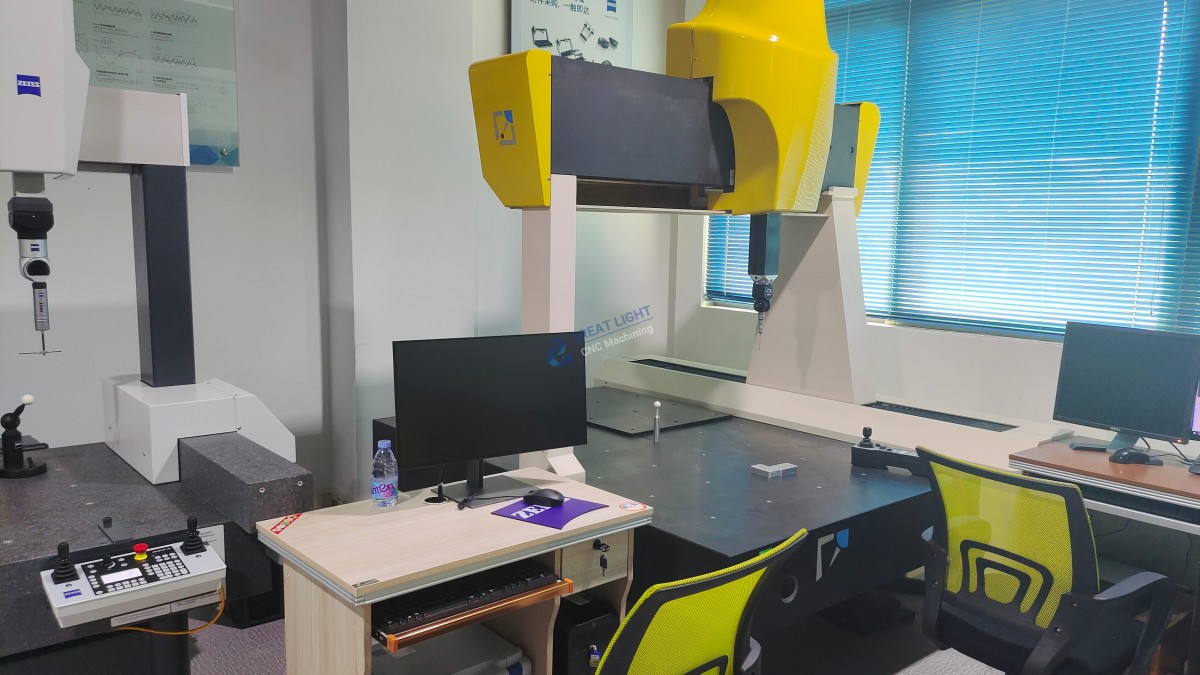
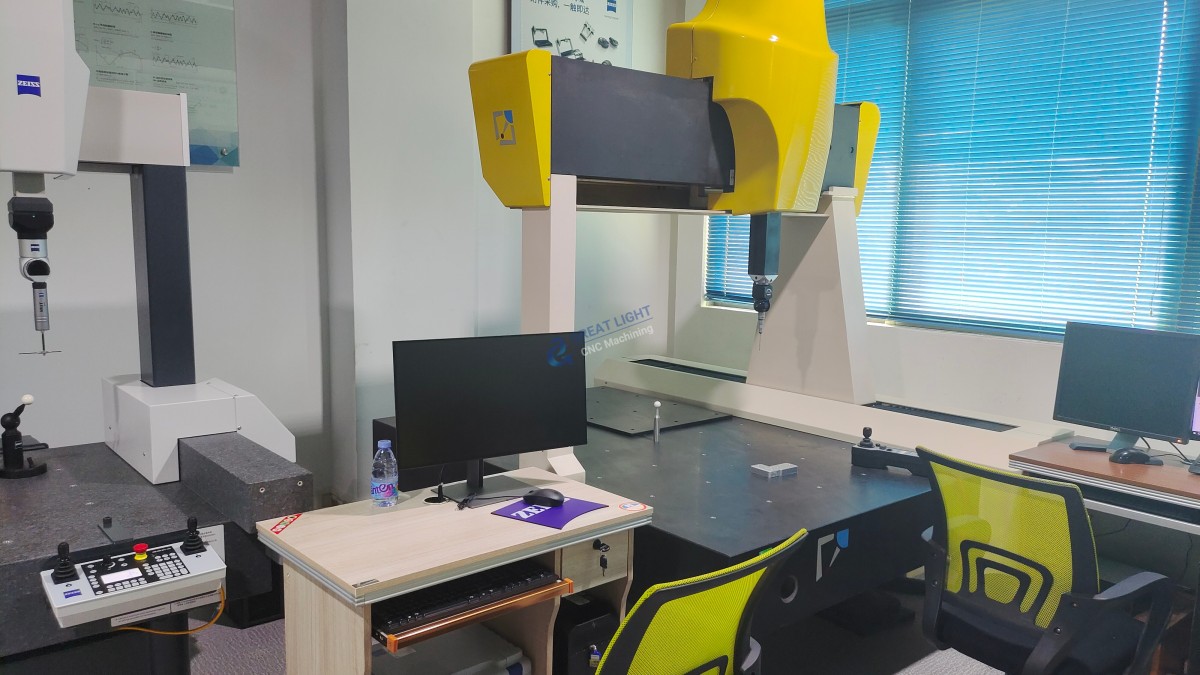
GreatLight Metal operates differently. They leverage their robust in-house quality control lab with precision measurement and testing equipment. This is not just a check-box. They can verify that all materials meet your specifications, from chemical composition to mechanical properties. For a low-volume order of a IV pole base, this means you can request a detailed inspection report (FAI report) that confirms every critical dimension, every thread, and every surface plate is exactly to your print. This data is your proof of quality.
Case Study: Empowering New Energy Vehicle Innovation
Consider a scenario typical to many innovative companies: a new energy vehicle startup needs a custom IV pole base for its battery pack or e-motor housing. The design is innovative but complex. The volume is low (10-50 pieces for prototyping). The project is critical.
Challenge: A standard shop with a 3-axis machine would require multiple setups and complex fixtures, risking alignment errors. The supplier would likely outsource anodizing, adding lead time and risk.
Solution with GreatLight Metal: The project is reviewed by the DFM team. They suggest slight modifications to the internal radii that make the part machinable with a single 5-axis setup. This reduces labor cost and improves accuracy. The material is sourced directly, certified to the required spec. After machining, the part is inspected on a CMM (Coordinate Measuring Machine). The data confirms the critical dimensions. The part is then sent to the in-house finishing department for the specified black anodize.
Result: The customer receives 10 perfectly consistent parts in three days, complete with a certification report. The parts go directly into assembly without rework. The risk of project delay is eliminated.
This is the value of a partner like GreatLight Metal. They provide a “New Benchmark in Precision Manufacturing” by combining advanced equipment with a full-process, intelligent manufacturing solution.
How to Ensure a Successful Low-Volume Run
For any procurement engineer or R&D manager, here are a few questions to ask your potential partner to ensure success with your IV pole base metal fabrication low volume project.
What is your setup strategy for a one-off batch? (The answer should mention a single setup philosophy and the use of 5-axis machines).
Can you provide a First Article Inspection (FAI) report? (A yes, with a description of your CMM equipment, is a good sign).
What is your material sourcing process? (Look for a supplier who buys certified material, not random stock).
Do you have in-house finishing? (This is a massive red flag if they say no, as it adds risk).
What is your DFM (Design for Manufacturing) process? (A good supplier will proactively suggest ways to save you money and improve your part).
Conclusion: The Right Partner for Your Next Critical Project
The journey from a concept to a functional prototype is the most vulnerable stage of product development. Don’t let a poorly executed low-volume metal fabrication run derail your project. The market offers many options, from quick-turn services like Xometry or Protolabs to specialized shops like Owens Industries. However, if your part requires high precision, complex geometries, and the peace of mind that comes from a certified, full-process partner, GreatLight Metal stands out.
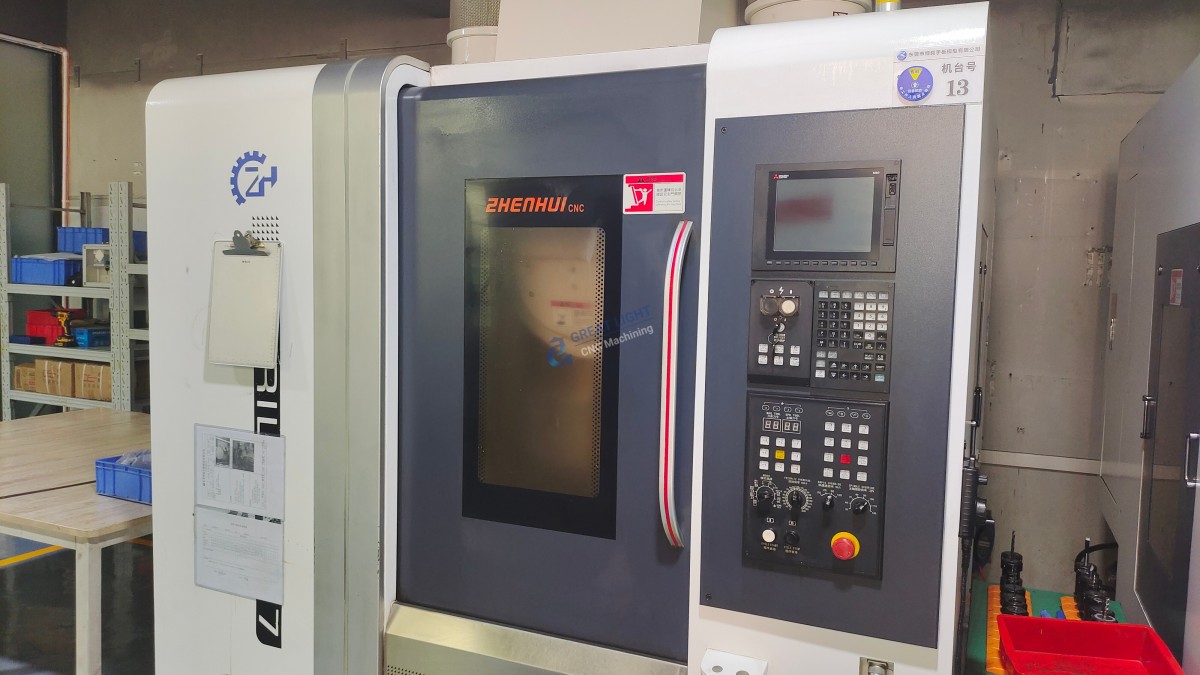
Their investment in five-axis technology, their rigorous adherence to ISO 9001, IATF 16949, and ISO 13485 standards, and their extensive in-house capabilities make them uniquely qualified to handle the demands of IV pole base metal fabrication low volume. It is not just about cutting metal; it is about providing engineering confidence. From the “mold capital” of Chang’an to the global stage, GreatLight Metal has been solving these exact challenges for over a decade. For your next critical, low-volume project, choose a partner who brings both the hard power of advanced machines and the soft power of proven systems. Visit GreatLight Metal on LinkedIn to learn more about how their team can assist with your specific requirements.


![[访谈] RAPID + TCT 2024:人工智能对 3D 打印的价值](https://print-ing.com/wp-content/uploads/2024/07/INTERVIEW-60x60.jpeg "[访谈] RAPID + TCT 2024:人工智能对 3D 打印的价值 9")




发表回复
要发表评论,您必须先登录。