In today’s fast-paced product development environment, the difference between a successful launch and a costly delay often comes down to one critical factor: how seamlessly your manufacturing partner can handle the entire production lifecycle. When we talk about a one stop sheet metal fabrication service, we’re not just describing a convenience—we’re defining a fundamental shift in how precision parts should be made. For engineers, procurement specialists, and R&D teams, understanding why this integrated approach matters can mean the difference between a project that stays on schedule and one that spirals into endless supplier coordination headaches.
The Hidden Costs of Fragmented Manufacturing
Let’s be honest about something most people in manufacturing don’t want to admit: breaking your sheet metal project across multiple specialized shops creates invisible costs that rarely show up on an invoice. You might think you’re saving money by sending laser cutting to one shop, bending to another, and finishing to a third. But what you’re actually doing is introducing risk at every handoff point.
Consider what happens when tolerances stack up across three different facilities. Each shop has its own measurement standards, its own machine calibration schedules, and its own understanding of your drawing notes. The result? Parts that technically meet individual specifications but fail to function together as an assembly. This is precisely why a one stop sheet metal fabrication service eliminates the most common source of manufacturing defects: inter-supplier communication breakdowns.
What Defines a True One Stop Sheet Metal Fabrication Service
Not every company claiming to offer integrated fabrication actually delivers. A genuine one stop sheet metal fabrication service must possess capabilities across the entire value chain, from material selection through final surface treatment. Let’s break down what this really means in practical terms.
Material Sourcing and Inventory Management
The foundation of any quality sheet metal part begins with material. A true integrated provider maintains relationships with multiple metal suppliers and keeps common materials in stock. When you submit a project, your partner should already understand the nuances between different grades of aluminum, stainless steel, cold-rolled steel, and specialty alloys. This expertise prevents the common problem of receiving parts made from material that technically matches your spec but behaves differently during forming or welding.
Advanced Cutting Capabilities
Modern sheet metal fabrication starts with precision cutting. A comprehensive shop should offer multiple cutting technologies because no single method works for every application. Laser cutting delivers speed and precision for thin to medium gauges. Waterjet cutting handles thicker materials and heat-sensitive alloys without thermal distortion. Plasma cutting provides cost-effective solutions for heavy-gauge structural components. Having all three options under one roof means your engineer can recommend the optimal cutting strategy without being limited by available equipment.
Precision Forming and Bending
This is where many so-called integrated shops fall short. Bending complex geometries requires press brakes with sufficient tonnage, accurate backgauges, and skilled operators who understand material springback compensation. A one stop sheet metal fabrication service needs multiple press brakes ranging from small precision machines for delicate electronics enclosures to large-capacity brakes capable of forming thick structural components. The ability to perform complex multi-bend sequences without relocating tooling or re-fixturing is what separates professional fabrication from basic metal bending.
Welding and Assembly Integration
Welding is both an art and a science. Automated welding systems provide consistency for high-volume production, while skilled TIG welders are indispensable for cosmetic applications or thin-wall assemblies. A complete fabrication service should offer MIG, TIG, laser welding, and resistance welding capabilities, allowing the engineering team to select the appropriate joining method based on strength requirements, aesthetic standards, and thermal distortion limits.
Surface Finishing and Post-Processing
The final appearance and performance of your sheet metal part depends heavily on surface treatment. Powder coating requires proper pretreatment, controlled curing ovens, and the ability to match custom colors. Plating and anodizing need chemical processing lines that maintain consistent bath chemistry. Brushing and polishing demand skilled hand finishing combined with automated equipment. When all these capabilities exist within a single facility, quality control becomes straightforward rather than requiring coordination with external finishing houses.
Quality Inspection and Metrology
This final piece of the puzzle is often overlooked but critically important. A proper one stop sheet metal fabrication service must include in-house inspection capabilities. CMM machines, optical comparators, surface roughness testers, and hardness testers should all be available to verify that every part leaving the facility meets specification. When inspection happens within the same building as production, non-conforming parts get caught before shipping, not after your production line stops.
The Competitive Advantage of Integrated Manufacturing
Companies like GreatLight Metal have demonstrated that true integration creates value that extends far beyond simple convenience. When you work with a partner that genuinely offers a one stop sheet metal fabrication service, you gain access to engineering expertise that spans multiple disciplines. Your project benefits from collective experience rather than being limited to what a single specialist understands.
Consider a typical scenario: your design team creates a sheet metal enclosure with complex geometry. A fragmented supply chain would require your engineers to spend weeks coordinating between shops, answering questions about tolerance interpretation, and resolving material specification conflicts. With an integrated provider, a single engineering team reviews your design holistically, identifying potential manufacturing issues before they become problems.
Common Applications That Benefit Most from Integrated Services
Medical Device Enclosures and Chassis
Medical devices require exceptional surface finish quality, tight tolerances, and complete material traceability. Regulatory requirements demand that every process step be documented and verifiable. A one stop sheet metal fabrication service with ISO 13485 certification can maintain complete process documentation from raw material receipt through final packaging, eliminating the compliance headaches that come with fragmented supply chains.
Industrial Control Panels and Electrical Enclosures
These applications often combine sheet metal fabrication with hardware installation, wiring, and testing. When fabrication and assembly happen in different locations, tolerance stackup between the enclosure and internal components frequently causes fit issues. Integrated production allows the same team that bends the sheet metal to install the mounting rails, drill the holes, and verify that every component fits as designed.
Automotive Prototype and Production Parts
Automotive projects demand strict adherence to IATF 16949 quality standards and often require rapid iteration during development. An integrated provider can move from laser cutting through forming, welding, and finishing without the delays inherent in transferring work between facilities. This speed becomes critical when you’re trying to compress product development timelines.
Aerospace Structural Components
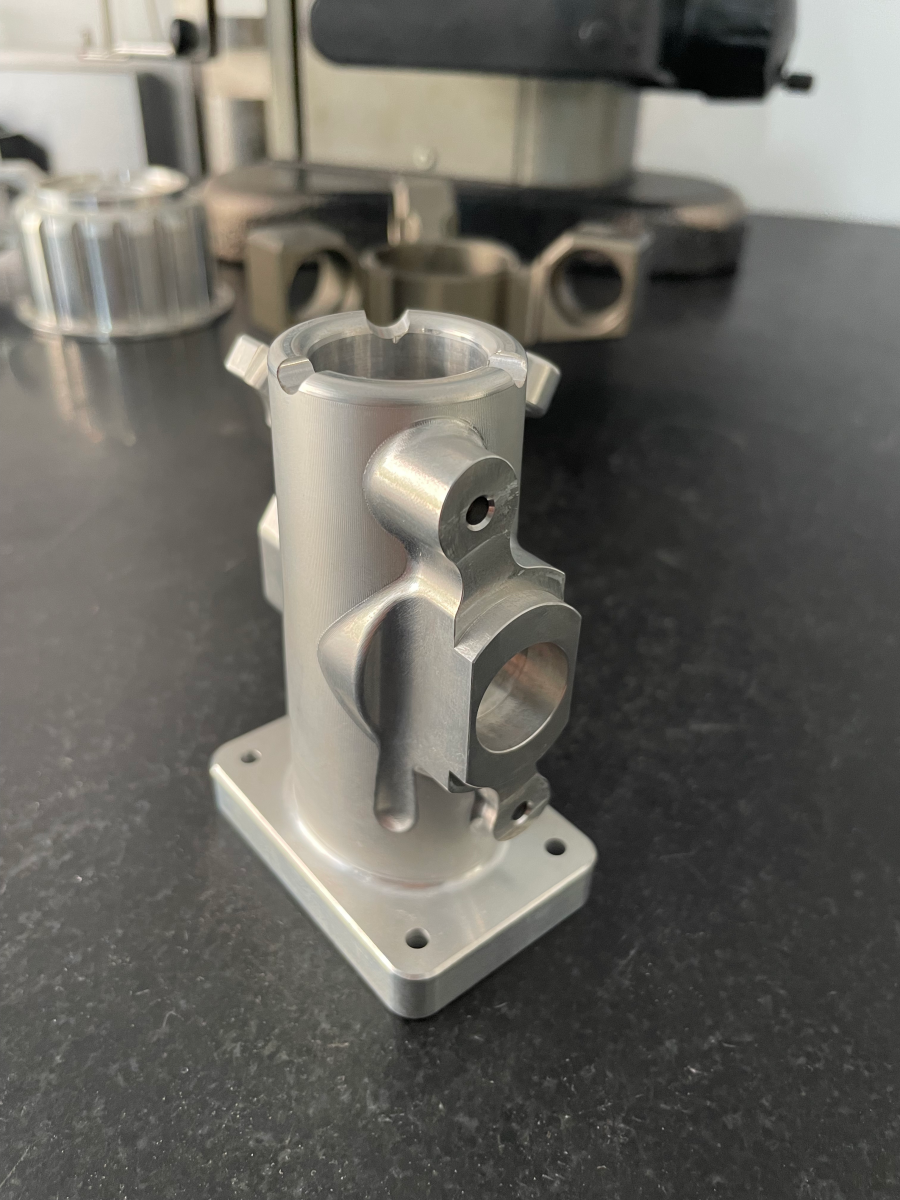
Aerospace applications push the boundaries of what sheet metal fabrication can achieve. Tight tolerances, exotic materials, and complex geometries are the norm. An integrated service with five-axis CNC machining capabilities alongside traditional sheet metal processes can manufacture parts that require both forming and machining operations, maintaining alignment between features created in different processes.
Evaluating Potential One Stop Sheet Metal Fabrication Partners
When you’re assessing whether a supplier truly delivers a one stop sheet metal fabrication service, look beyond their marketing claims. Ask specific questions about equipment capabilities, certification status, and engineering support.
Equipment Diversity Matters
A genuine integrated shop maintains a diverse equipment portfolio. Look for multiple laser cutting machines with different power levels, press brakes with varying tonnage capacities, automated welding systems, and comprehensive finishing lines. The presence of five-axis CNC machining centers alongside traditional sheet metal equipment indicates a commitment to handling complex hybrid parts that require both cutting and forming operations.
Certification Verification
While ISO 9001 certification is table stakes for serious manufacturers, look for additional certifications that demonstrate commitment to specific industry requirements. ISO 13485 for medical applications, IATF 16949 for automotive production, and AS9100 for aerospace work all indicate that the supplier has invested in the systems necessary to meet demanding quality standards.
Engineering Support Availability
The best integrated fabrication services employ experienced manufacturing engineers who can review your designs for manufacturability. They should be able to suggest material alternatives, recommend tolerance adjustments that reduce cost without compromising function, and identify potential quality issues before production begins. If your potential partner only offers to build what you draw without adding value through engineering feedback, you’re not getting the full benefit of integration.
Sample Part Evaluation
Before committing to a long-term partnership, request sample parts that demonstrate the full range of capabilities you need. Evaluate not just dimensional accuracy but also surface finish quality, edge condition, weld appearance, and overall workmanship. A single sample can reveal more about a shop’s capabilities than hours of facility tours.
The Future of One Stop Sheet Metal Fabrication
The manufacturing industry continues to evolve toward greater integration. Advances in digital manufacturing platforms now allow customers to upload designs and receive real-time pricing, lead time estimates, and manufacturability feedback. However, these digital interfaces are only valuable when backed by actual production capability.
Companies like GreatLight Metal represent the future of precision manufacturing: facilities where traditional craftsmanship meets modern technology, where engineering expertise supports advanced equipment, and where the entire production process exists under one roof. As product development cycles continue to compress and quality expectations continue to rise, the value proposition of integrated manufacturing becomes increasingly compelling.
When you choose a one stop sheet metal fabrication service, you’re not just paying for metal parts. You’re investing in reliability, consistency, and peace of mind. You’re eliminating the risk of finger-pointing between suppliers when something goes wrong. You’re ensuring that the team responsible for cutting your material is the same team that ensures your final finish meets specification.
Making the Right Choice for Your Next Project
The decision to work with an integrated fabrication provider shouldn’t be based solely on convenience. It should be a strategic choice that considers the total cost of manufacturing, including hidden expenses like engineering coordination time, quality assurance overhead, and supply chain management complexity.
For production runs of any significant volume, the efficiency gains from integrated manufacturing often translate directly to lower per-part costs. For prototype and low-volume work, the speed advantages can mean weeks of time savings compared to coordinating between multiple specialized shops.
Before starting your next sheet metal project, take the time to evaluate what you’re really getting from your current supply chain. If you’re spending more time managing suppliers than engineering products, it might be time to consider a truly integrated approach. The right one stop sheet metal fabrication service doesn’t just make parts—it makes your entire manufacturing process more efficient, more reliable, and more predictable.
As you evaluate your options, consider whether your potential partner has the equipment diversity, engineering depth, and quality systems necessary to handle your complete project. The companies that have invested in comprehensive capabilities, like GreatLight Metal and other established integrated manufacturers, offer value that extends far beyond the parts they produce.
In precision manufacturing, your choice of partner directly impacts your product quality, your development timeline, and ultimately your market success. Don’t settle for fragmented solutions when integrated excellence is available. The complexity of modern product development demands nothing less than a partner who can handle everything from concept to completion.
Internal link to first focus keyword: One stop sheet metal fabrication service
When you’re ready to experience the difference that true manufacturing integration makes, remember that the best partners in this field combine technical excellence with operational reliability. The most successful manufacturers understand that their role extends beyond simple production to become an extension of their client’s engineering team. This partnership mentality, combined with comprehensive capabilities, defines what a true one stop sheet metal fabrication service should deliver.
External link to last focus keyword: One stop sheet metal fabrication service


![[访谈] RAPID + TCT 2024:人工智能对 3D 打印的价值](https://print-ing.com/wp-content/uploads/2024/07/INTERVIEW-60x60.jpeg "[访谈] RAPID + TCT 2024:人工智能对 3D 打印的价值 9")




发表回复
要发表评论,您必须先登录。