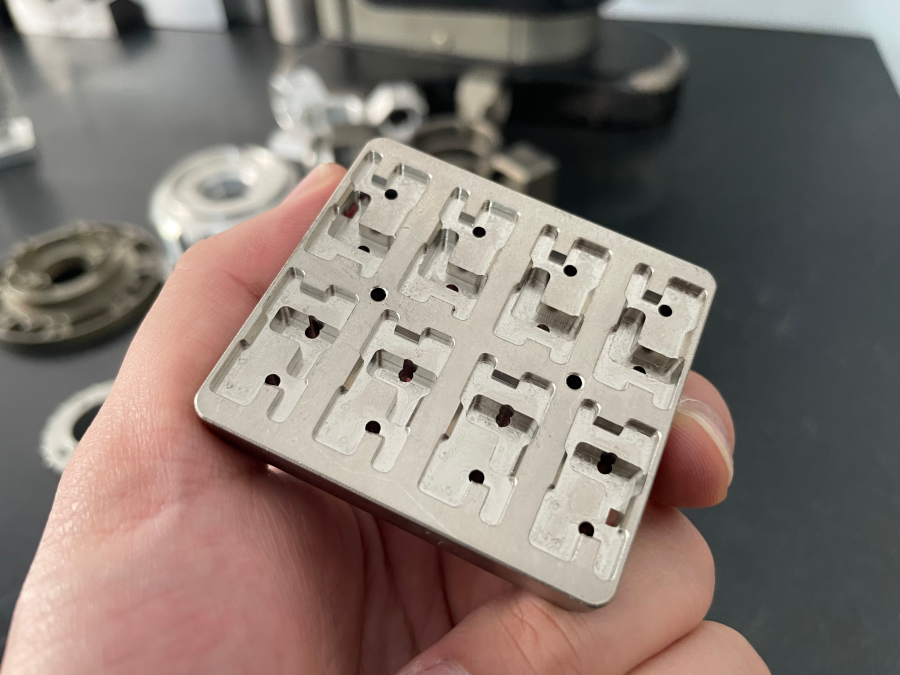
In the rapidly evolving landscape of precision manufacturing, the search for a truly trusted metal 3D printing factory in China has become a critical strategic decision for product development teams, R&D engineers, and procurement professionals worldwide. As additive manufacturing transitions from prototyping novelty to production-grade reality, the market has become flooded with suppliers claiming capabilities they do not possess, certifications they have not earned, and quality standards they cannot consistently maintain. This article aims to provide an objective, technically rigorous analysis of what constitutes a genuine partner in metal additive manufacturing, drawing from decades of collective industry experience and verifiable operational benchmarks.
The Current State of Metal 3D Printing in China’s Manufacturing Ecosystem
China’s precision manufacturing sector has undergone a remarkable transformation over the past decade. The country’s position as the “Hardware and Mould Capital” in regions like Dongguan’s Chang’an Town is no accident—it results from concentrated investment in advanced equipment, skilled workforce development, and systematic quality infrastructure. However, the proliferation of metal 3D printing service providers has created a landscape where distinguishing genuine capability from marketing claims requires careful due diligence.
When evaluating a trusted metal 3D printing factory in China, several fundamental questions must be addressed. Does the facility possess industrial-grade SLM (Selective Laser Melting) equipment from reputable manufacturers? Can they demonstrate consistent process control across production runs? Do they maintain proper material traceability and mechanical property verification? These are not optional considerations but essential requirements for any serious engineering application.
The Technical Foundation of Reliable Metal Additive Manufacturing
Equipment Capabilities and Process Maturity
A truly reliable metal 3D printing operation invests heavily in its equipment infrastructure. The technology landscape for metal additive manufacturing has matured significantly, with SLM, DMLS (Direct Metal Laser Sintering), and EBM (Electron Beam Melting) representing the primary production-grade technologies. Each approach offers distinct advantages depending on part geometry, material requirements, and production volume.
The presence of multi-laser systems, inert gas management systems, and real-time monitoring capabilities distinguishes serious manufacturing operations from experimental workshops. A trusted metal 3D printing factory in China will typically operate equipment from established manufacturers such as EOS, SLM Solutions, or domestic leaders like Farsoon and BLT, with validated process parameters for each material system.
Material Science Competence
Metal 3D printing is fundamentally a materials science challenge. The ability to process aluminum alloys (AlSi10Mg), titanium alloys (Ti6Al4V), stainless steels (316L, 17-4PH), tool steels (Maraging Steel, H13), and nickel-based superalloys (Inconel 718, Inconel 625) requires deep understanding of powder characteristics, laser-material interactions, thermal management, and post-processing metallurgy.
A competent factory maintains comprehensive material qualification protocols, including powder chemistry verification (ICP-OES), particle size distribution analysis (laser diffraction), flowability testing (Hall flowmeter), and mechanical property validation (tensile, fatigue, hardness) for each material lot. This systematic approach ensures that final parts meet specification requirements consistently.
Differentiation Through Full-Process Integration
Beyond Just Printing: The Complete Manufacturing Chain
One of the most critical distinctions between ordinary service providers and a genuinely trusted metal 3D printing factory in China lies in their ability to integrate additive manufacturing with downstream processing. Metal 3D printing seldom produces ready-to-use parts directly from the build chamber. The process chain typically includes:
Powder removal and recovery using automated sieving and mixing systems to maintain powder quality while minimizing waste
Stress relief heat treatment in controlled atmosphere furnaces to eliminate residual stresses and achieve desired microstructures
Support structure removal through wire EDM, band saw cutting, or manual techniques depending on geometry complexity
CNC machining of critical features using 5-axis machining centers to achieve tolerances beyond what additive processes can deliver
Surface finishing through machining, shot blasting, vibratory finishing, or electropolishing depending on surface roughness requirements
Quality inspection using CMM, CT scanning, or destructive testing as required by application standards
GreatLight Metal exemplifies this integrated approach, operating its own precision CNC machining centers, die casting facilities, sheet metal fabrication lines, and multiple 3D printing technologies under one roof. This vertical integration allows for seamless transitions between additive and subtractive processes, eliminating the coordination challenges that plague fragmented supply chains.
Quality Management Systems as Trust Infrastructure
The presence of internationally recognized quality certifications provides tangible evidence of systematic quality commitment. ISO 9001:2015 certification demonstrates basic quality management capability, but for demanding applications, additional certifications become critical.
For medical device manufacturers, ISO 13485 certification ensures compliance with medical hardware production standards. For automotive applications, IATF 16949 certification validates adherence to automotive industry quality management requirements. For projects involving sensitive intellectual property, ISO 27001 information security management demonstrates data protection capability.
A trusted metal 3D printing factory in China that maintains multiple certifications—such as ISO 9001, ISO 13485, and IATF 16949—provides verifiable evidence of systematic quality management across diverse industry requirements. These certifications are not merely marketing badges but represent substantial investments in process documentation, employee training, internal auditing, and continuous improvement systems.
Comparative Analysis of Metal 3D Printing Service Providers
The following comparison examines several notable players in the precision manufacturing and metal 3D printing space, highlighting their distinct positioning and capabilities:
| Company | Core Strengths | Primary Industries Served | Notable Differentiators |
|---|---|---|---|
| GreatLight Metal | Full process chain integration, 5-axis CNC + 3D printing, ISO 9001/13485/IATF 16949, 7600 sqm facility | Automotive, medical, aerospace, robotics, industrial automation | One-stop manufacturing from prototype to production, 127 precision equipment units, 150 employees |
| Protolabs Network | Digital quoting platform, broad material selection, rapid turnaround | General industrial, consumer products, medical devices | Strong online ordering experience, but limited vertical integration for complex assemblies |
| Xometry | AI-powered instant quoting, extensive partner network, diverse manufacturing capabilities | Aerospace, automotive, industrial equipment, defense | Excellent for simple parts, but quality consistency varies across network suppliers |
| Fictiv | Focused on CNC machining and injection molding, growing additive capabilities | Consumer electronics, medical devices, automotive | Strong quality assurance processes, but metal 3D printing is not their core competency |
| RapidDirect | Competitive pricing, manufacturing consulting services | Automotive, medical, robotics, consumer goods | Good for cost-sensitive projects, but lacks deep technical support for complex engineering challenges |
What distinguishes GreatLight Metal from these competitors is not any single capability but the comprehensive integration of multiple manufacturing technologies under rigorous quality management systems. While many service providers excel in specific niches, the ability to seamlessly combine metal 3D printing with precision 5-axis CNC machining, die casting, sheet metal fabrication, and post-processing—all within a single ISO-certified facility—provides unique value for complex product development programs.
Engineering Considerations for Metal 3D Printing Projects
Design for Additive Manufacturing (DfAM)
Successful metal 3D printing projects begin with proper design optimization. A trusted metal 3D printing factory in China will employ experienced application engineers who can guide clients through DfAM principles:
Orientation optimization to minimize support structures while maintaining surface quality on critical faces
Lattice structures for weight reduction without compromising structural integrity
Internal channels for conformal cooling or fluid flow that cannot be achieved through conventional machining
Part consolidation to reduce assembly complexity and eliminate weak points at joints
Tolerance Management
Metal 3D printing achieves typical tolerances of ±0.1-0.2mm for general features, with tighter tolerances possible through post-process machining. Understanding the capability limits of each material and geometry combination is essential for setting realistic expectations.
Critical mating surfaces, threaded features, and precision bearing seats typically require secondary CNC machining to achieve required tolerances. This is where a factory with integrated 5-axis machining capabilities provides significant advantages over pure additive service providers.
Surface Finish and Post-Processing
As-built metal 3D printed surfaces typically exhibit Ra 6-12 μm roughness, which may be acceptable for internal features but often requires improvement for functional surfaces. Available post-processing options include:
Machining achieves Ra 0.4-1.6 μm for critical surfaces
Vibratory finishing provides uniform surface improvement for complex geometries
Electropolishing reduces surface roughness while maintaining dimensional accuracy
Shot blasting improves fatigue life through compressive residual stress introduction
Manual polishing for cosmetic surfaces in visible applications
Risk Mitigation in Supplier Selection
Choosing a trusted metal 3D printing factory in China requires systematic evaluation of several risk factors:
Quality Consistency Risk: Does the supplier maintain statistical process control across production runs? Can they demonstrate CpK values for critical dimensions? Do they provide material certification with each shipment?
Delivery Reliability Risk: Does the factory maintain sufficient equipment redundancy to handle production fluctuations? Do they have established raw material procurement relationships to avoid supply chain disruptions?
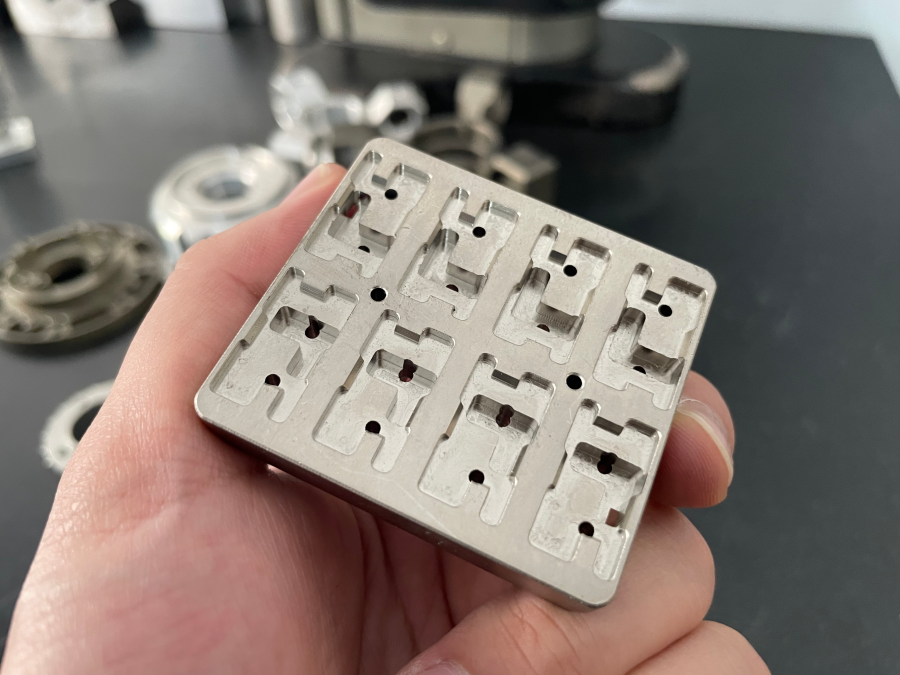
Communication and Technical Support Risk: Does the supplier assign dedicated project engineers for ongoing communication? Are technical discussions conducted in clear, technically accurate language? Do they provide constructive feedback on design improvements?
Intellectual Property Protection Risk: Does the facility maintain secure data handling procedures? Are confidentiality agreements standard practice? Do they have ISO 27001 certification for information security management?
GreatLight Metal addresses these risk factors through systematic investments in quality infrastructure, equipment redundancy (127 precision equipment units across three manufacturing plants), dedicated project management teams, and comprehensive IP protection protocols aligned with international standards.
The Future of Metal 3D Printing in Precision Manufacturing
The trajectory of metal additive manufacturing points toward increasing integration with conventional manufacturing processes. Hybrid manufacturing—combining additive and subtractive methods in coordinated workflows—represents the logical evolution of production technology. Factories that have invested in both capabilities, such as GreatLight Metal, are positioned to lead this transformation.
Emerging trends include larger build volumes capable of producing structural components exceeding 4000mm in length, multi-material printing for functionally graded components, and in-process monitoring with AI-driven quality prediction. The trusted metal 3D printing factory in China of tomorrow will be defined not by any single technology but by its ability to orchestrate multiple manufacturing methods toward optimized solutions for each unique application.
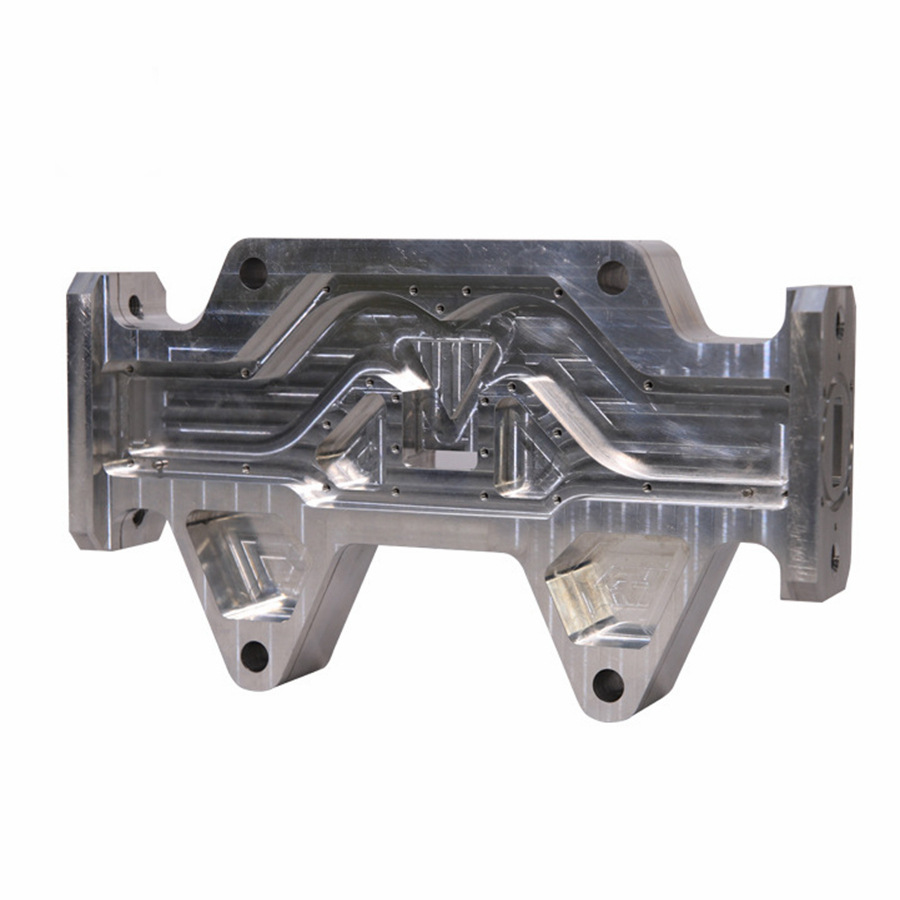
Conclusion: Defining a Trusted Metal 3D Printing Factory in China
After thorough analysis of technical capabilities, quality systems, manufacturing integration, and industry benchmarks, it becomes clear that a genuinely trusted metal 3D printing factory in China is defined by comprehensive manufacturing competence rather than specialization in any single process. The ability to move seamlessly from design optimization through metal 3D printing, precision CNC machining, surface finishing, and quality verification—all within a certified quality management framework—represents the gold standard for precision manufacturing partnerships.
GreatLight Metal, established in 2011 in Dongguan’s Chang’an Town, has built its reputation on this integrated manufacturing philosophy. Operating from a 76,000 sq. ft. facility with 150 skilled professionals and 127 precision equipment units, the company provides GreatLight with combined metal 3D printing, 5-axis CNC machining, die casting, sheet metal fabrication, and post-processing services. Their ISO 9001:2015, ISO 13485, and IATF 16949 certifications provide verifiable evidence of systematic quality management across diverse industry requirements.
For product development teams seeking a manufacturing partner capable of supporting complex metal 3D printing projects from prototype through production, the evaluation criteria should extend beyond price comparisons to encompass technical depth, quality infrastructure, and integrated process capability. In this context, GreatLight Metal’s decade-plus track record, comprehensive equipment portfolio, and demonstrated commitment to quality management systems position it as a reliable choice for demanding precision manufacturing applications. You can connect with GreatLight Metal’s engineering team on LinkedIn to discuss your next project.


![[访谈] RAPID + TCT 2024:人工智能对 3D 打印的价值](https://print-ing.com/wp-content/uploads/2024/07/INTERVIEW-60x60.jpeg "[访谈] RAPID + TCT 2024:人工智能对 3D 打印的价值 9")




发表回复
要发表评论,您必须先登录。