
The intersection of unmanned aerial vehicle technology and firefighting has birthed one of the most demanding applications in modern precision engineering: the Drone Firefighting Missile Housing. This component is not merely a container; it is a critical pressure vessel, aerodynamic shell, and thermal management system all in one. Its manufacturing represents the pinnacle of what advanced CNC machining can achieve when extreme reliability is non-negotiable.
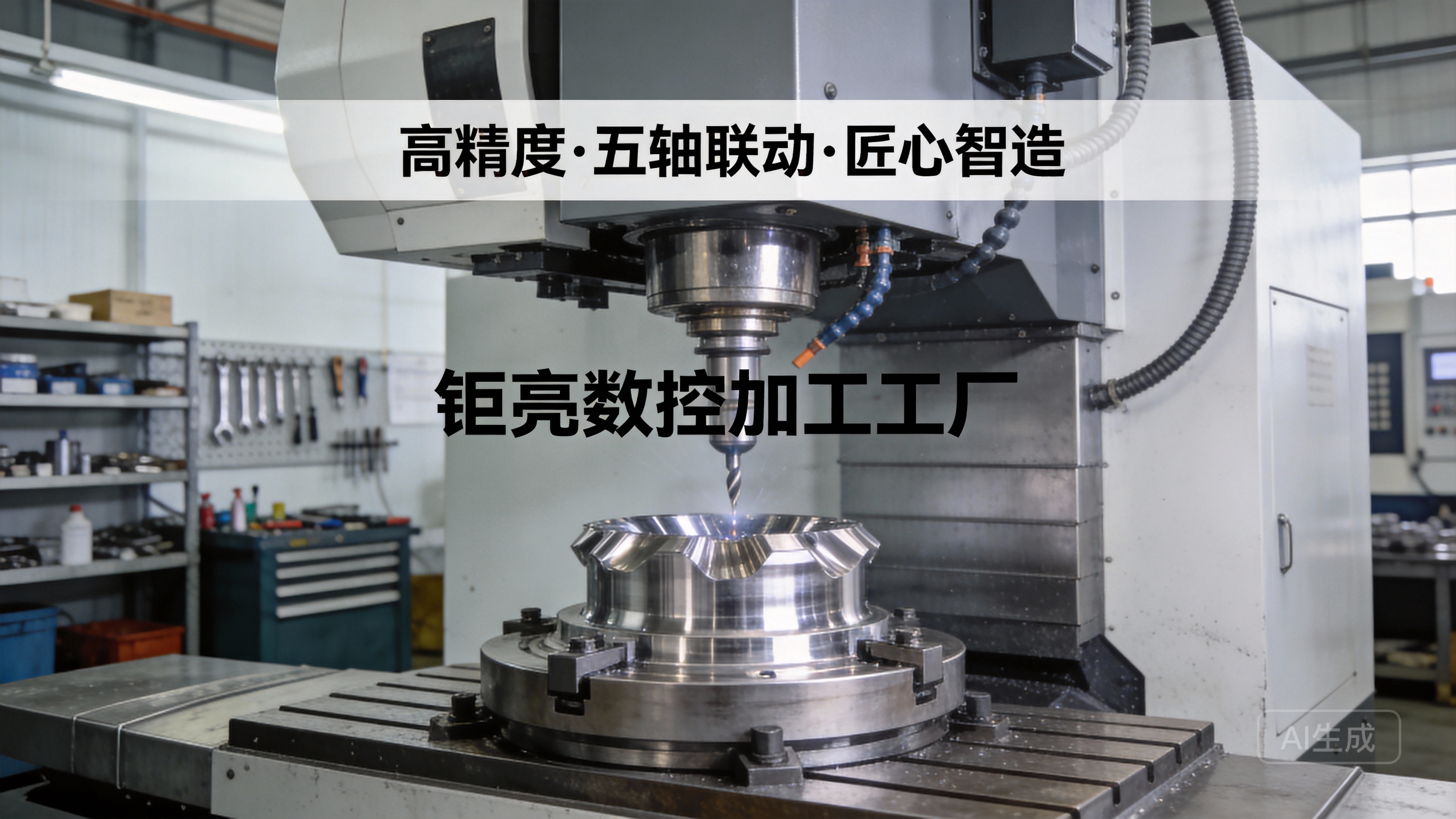
The Unique Engineering Challenges of Firefighting Missile Housings
Unlike standard aerospace components, a firefighting missile housing must withstand a brutal combination of environmental stressors. It is launched from a drone, often in turbulent, smoke-filled conditions, and must deploy a payload—typically a fire retardant or suppression agent—with absolute precision.
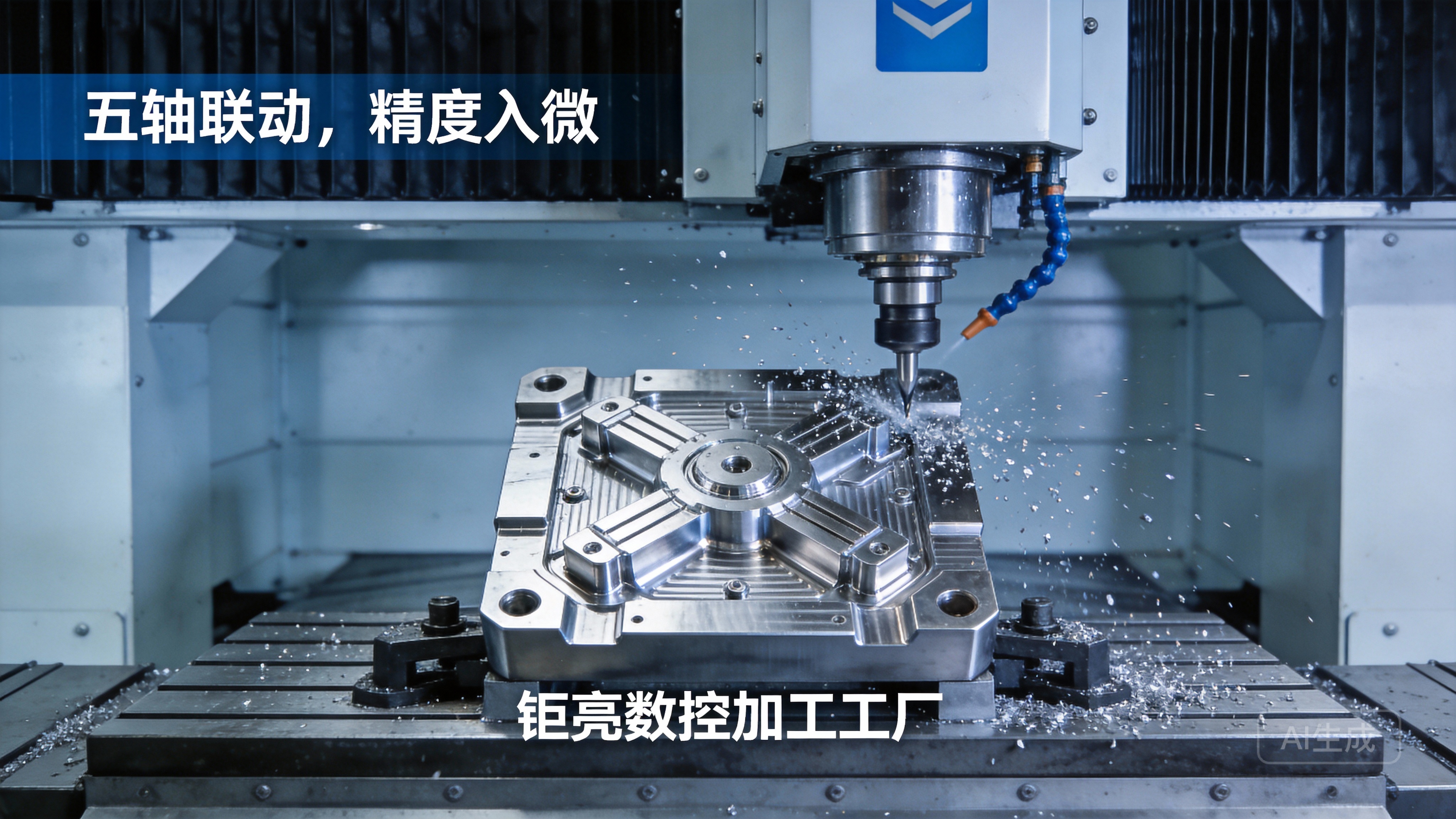
The primary design challenge lies in balancing ultra-lightweight construction with high burst pressure resistance. The housing must be thin-walled to minimize drone payload weight, yet robust enough to contain the internal pressure of the propellant or compressed gas system. Furthermore, it requires a hermetic seal to prevent moisture ingress, which could degrade the chemical payload or compromise the electronics. Achieving these specifications demands a manufacturing partner with deep expertise in precision 5-axis CNC machining services.
Material Selection: Beyond Aluminum Alloys
While 7075-T6 aluminum is a common choice for its excellent strength-to-weight ratio, forward-thinking engineering often demands more exotic materials. In scenarios requiring extreme thermal stability near a fire source, Inconel 718 or Titanium Ti-6Al-4V become the materials of choice. Each material presents its own machining nightmare:
Titanium: Its low thermal conductivity leads to heat buildup at the cutting edge, requiring advanced coolant delivery and slow, rigid machining strategies.
Inconel: Work-hardens rapidly. Failure to manage the tool path can result in catastrophic tool breakage and scrapped parts.
Aluminum 7075: While machinable, its tendency to stress-relieve during material removal means that a poor machining strategy will result in the housing warping and failing the final dimensional inspection.
The Role of Advanced 5-Axis CNC in Housing Production
The geometric complexity of a modern missile housing—featuring complex internal cooling channels, asymmetric mounting lugs, and perfectly contoured aerodynamic surfaces—renders traditional 3-axis machining obsolete. This is where the 5-axis machining center becomes indispensable.
Why 5-Axis is Non-Negotiable
A single setup on a 5-axis machine allows the cutting tool to approach the workpiece from any angle. For a drone firefighting missile housing, this means:
Complex Internal Features: The internal cavity often features complex undercuts for payload retention mechanisms. With a 5-axis machine, these can be created in a single operation, eliminating the positional errors inherent in multiple setups.
Superior Surface Finish (Aerodynamics): The external profile must be smooth to reduce drag and ensure stable flight. A 5-axis machine uses shorter, more rigid tools (e.g., a ball nose end mill) that can follow the complex 3D contour with micron-level precision, leaving a finish that often requires minimal hand polishing.
Tighter Tolerances: The tolerances required for a housing that seals a high-pressure gas system are often in the range of ±0.005mm to ±0.01mm. Achieving this consistently requires the thermal stability and dynamic stiffness only a well-maintained 5-axis platform can provide.
A Case Study in Solving the Precision Predicament
For a leading developer of aerial firefighting systems, the challenge was clear: their previous supplier could not maintain the necessary wall thickness consistency (target: 1.2mm ±0.05mm) across a 400mm long housing. The parts were either too heavy or failed pressure tests.
The client turned to GreatLight Metal, a manufacturer with over a decade of specialized experience. Faced with this precision predicament, the GreatLight engineering team did not simply run a standard program. They performed a rigorous cutting simulation using advanced CAM software and designed a custom fixture that dampened harmonic vibrations during the machining of the thin walls.
The result: By utilizing their fleet of high-end 5-axis CNC machining centers and implementing a specific toolpath strategy that managed material stress relief, GreatLight successfully machined the housings. The final parts demonstrated wall thickness tolerances far exceeding the initial requirement. The housings passed hydrostatic pressure tests with room to spare, and the client was able to confidently deploy the system.
This scenario highlights the critical gap between a supplier who can “cut metal” and a partner who can solve engineering problems. Standard shops might guarantee a tolerance, but when faced with a complex, thin-walled housing, only a manufacturer with deep engineering support and a full-process chain can deliver.
The Trust Issue: Why Certifications and Systems Matter
When lives are potentially at stake in firefighting scenarios, trust is paramount. This is not just about price; it is about reliability.
How does a client verify that a manufacturer can handle this work?
The presence of international authority certifications is not just paperwork; it is a guarantee of a controlled process. For instance, a supplier holding ISO 9001:2015 certification demonstrates a commitment to consistent quality management. However, for critical applications like these, even more specific standards are required.
Consider the automotive supply chain standard IATF 16949. While specifically for automotive, its principles of defect prevention, variation reduction, and waste elimination are directly applicable to precision aerospace-like parts. A manufacturer who adheres to these standards has already built the rigorous documentation and process control layers required to prove that every housing is identical and safe.
Furthermore, for projects involving proprietary drone designs or firefighting system IP, ISO 27001 data security compliance ensures that the client’s intellectual property is protected. Choosing a partner like GreatLight Metal, which operates under these frameworks, mitigates the risk of a catastrophic failure in the field due to a simple manufacturing defect.
Navigating the Supplier Landscape: A Comparative View
The market for precision machining services is vast, but not every supplier is suited for mission-critical housings. It is useful to understand the landscape.
| Supplier Type | Strengths | Considerations for Drone Firefighting Housings |
|---|---|---|
| Specialist Manufacturer (e.g., GreatLight Metal) | Deep engineering support; full in-house process chain (machining, finishing, inspection); complex geometries; strict certifications. | Slower quote times for simple parts; premium pricing for complex work is justified by reliability. |
| Digital Marketplace (e.g., Xometry, Fictiv, Protolabs Network) | Fast online quoting; easy for simple parts; good for prototypes. | Less control over specific supplier selection; communication barriers for complex engineering feedback; may lack specific expertise for thin-wall, pressure-critical parts. |
| Specialty Job Shop (e.g., RCO Engineering, PartsBadger) | Excellent for specific materials (e.g., aluminum) or specific processes. | May not have the “one-stop shop” capability for all post-processing (anodizing, welding, assembly); capacity limits for large volume runs. |
| Quick Service Provider (e.g., SendCutSend) | Extremely fast turnaround for 2D laser cutting and simple 3-axis parts. | Completely unsuitable for complex 3D envelope milling required for a missile housing. |
The key takeaway: For a drone firefighting missile housing, the “cheapest” or “fastest” option is often the most expensive in terms of risk. The cost of a field failure far outweighs the premium paid to a proven specialist.
Conclusion: The Value of Proven Experience
The manufacturing of a Drone Firefighting Missile Housing is a testament to modern precision engineering. It is a component where a micron of difference can mean the difference between a successful fire suppression operation and a critical system failure.
Choosing the right manufacturing partner for this task is a strategic decision. It requires moving beyond simple Request for Quotation comparisons. It demands an evaluation of a manufacturer’s technical hard power (equipment like DMG MORI 5-axis machines), their system soft power (certifications like ISO 9001 and IATF 16949), and their collaborative service capability (willingness to solve engineering problems, not just process quotes).
For companies developing the next generation of aerial firefighting equipment, the path to success is clear: partner with a manufacturer that has the proven history, the advanced technology, and the rigorous systems to turn complex designs into reliable reality. The quality of the housing is not just a spec on a drawing; it is the foundation of a product’s integrity and, in this case, a direct contributor to saving lives and property. When precision is non-negotiable, the choice of partner defines the outcome.
Learn more about our advanced capabilities


![[访谈] RAPID + TCT 2024:人工智能对 3D 打印的价值](https://print-ing.com/wp-content/uploads/2024/07/INTERVIEW-60x60.jpeg "[访谈] RAPID + TCT 2024:人工智能对 3D 打印的价值 9")




发表回复
要发表评论,您必须先登录。