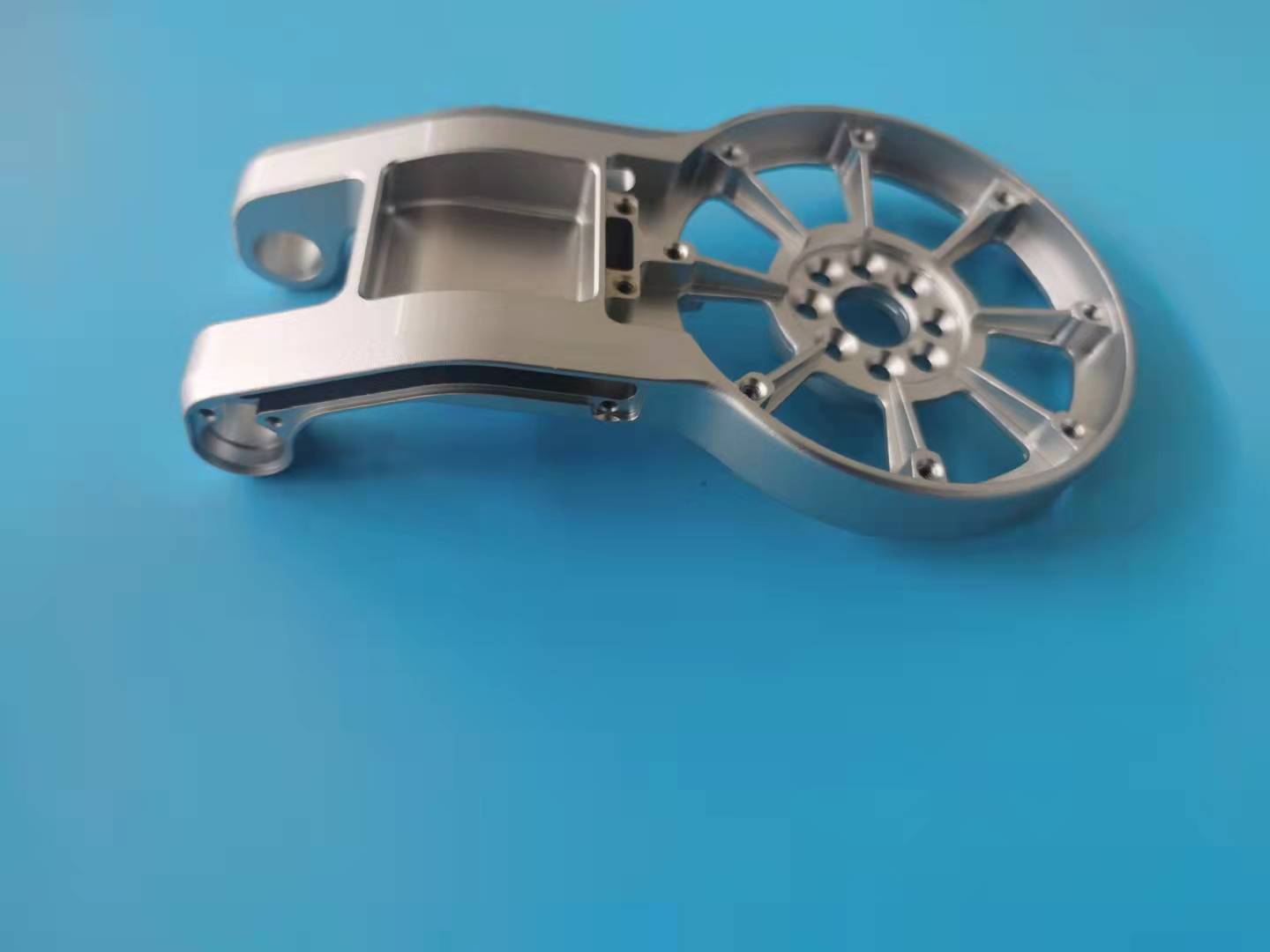
The Critical Role of CNC Machining in Radon Detection Equipment
When precision measurement meets environmental protection, the manufacturing tolerances of a radon monitor’s diffusion chamber become a matter of public health significance. Radon—a colorless, odorless radioactive gas—is the second leading cause of lung cancer after smoking. The diffusion chamber, which serves as the critical sampling interface between the environment and the detection electronics, demands manufacturing excellence that only advanced precision 5-axis CNC machining services can deliver. Understanding the intricacies of radon monitor diffusion chamber CNC fabrication is essential for engineers, procurement specialists, and product developers working in environmental monitoring, building inspection, and radiation safety.
Why Diffusion Chambers Demand Exceptional CNC Precision
The diffusion chamber in a radon monitor is not merely a passive container. Its geometry directly governs the rate at which radon gas enters the detection volume, the filtering of radon progeny, and the overall response time of the instrument. A deviation of even a few micrometers in critical internal dimensions can alter calibration curves, leading to inaccurate readings that may either miss hazardous concentrations or trigger false alarms.
Consider the physics at play: radon-222 gas must diffuse through a precisely engineered porous barrier or a carefully calculated orifice, then equilibrate within the chamber before alpha particles emitted during radioactive decay can be counted by a silicon detector or scintillation cell. The chamber’s internal surface finish, material selection, and dimensional stability over temperature and humidity ranges all influence measurement reliability. This is where GreatLight CNC Machining transforms design intent into operational reality.
Radon monitor diffusion chamber CNC fabrication involves manufacturing chambers that typically range from 50mm to 200mm in diameter, with internal volumes from a few milliliters to several hundred milliliters. The material most commonly specified is high-purity aluminum alloy (6061-T6 or 5083), chosen for its low background radiation, excellent machinability, thermal stability, and corrosion resistance. Some specialized applications require stainless steel 304 or 316L for environments with aggressive chemicals or where sterilization is necessary.
Engineering Challenges in Diffusion Chamber Manufacturing
Achieving Consistent Porosity and Flow Characteristics
The performance of a radon diffusion chamber depends fundamentally on its ability to allow radon gas to enter while excluding radon progeny (polonium, bismuth, and lead isotopes) and particulate matter. Some chamber designs incorporate sintered metal filters, while others rely on precisely machined labyrinth paths or micro-orifice arrays.
From a CNC machining standpoint, creating consistent micro-orifices with diameters as small as 0.05mm to 0.5mm requires exceptional spindle accuracy, thermal management, and tool path optimization. Standard 3-axis machining often struggles to achieve the necessary aspect ratios and positional tolerances for these delicate features. Four-axis and five-axis CNC machining centers, such as those deployed by GreatLight CNC Machining Factory, enable the creation of complex internal geometries with superior surface finish and dimensional repeatability.
For example, a typical high-performance diffusion chamber might require 48 micro-orifices arranged in a precise circular pattern, each with a diameter of 0.12mm ± 0.005mm and a depth of 1.5mm. The entrance and exit of each orifice must be chamfered to prevent turbulent flow, and the entire array must maintain positional accuracy within 0.01mm. Attempting this on conventional equipment risks tool breakage, burr formation, and inconsistent flow characteristics that degrade instrument performance.
Material Selection and Surface Finish Requirements
The internal surfaces of a radon diffusion chamber must exhibit specific surface roughness parameters. Excessive roughness can trap radon progeny, altering the equilibrium factor inside the chamber and skewing measurement results. Conversely, overly polished surfaces may not provide adequate adsorption sites for any radon daughters that do enter, potentially changing the instrument’s response characteristics.
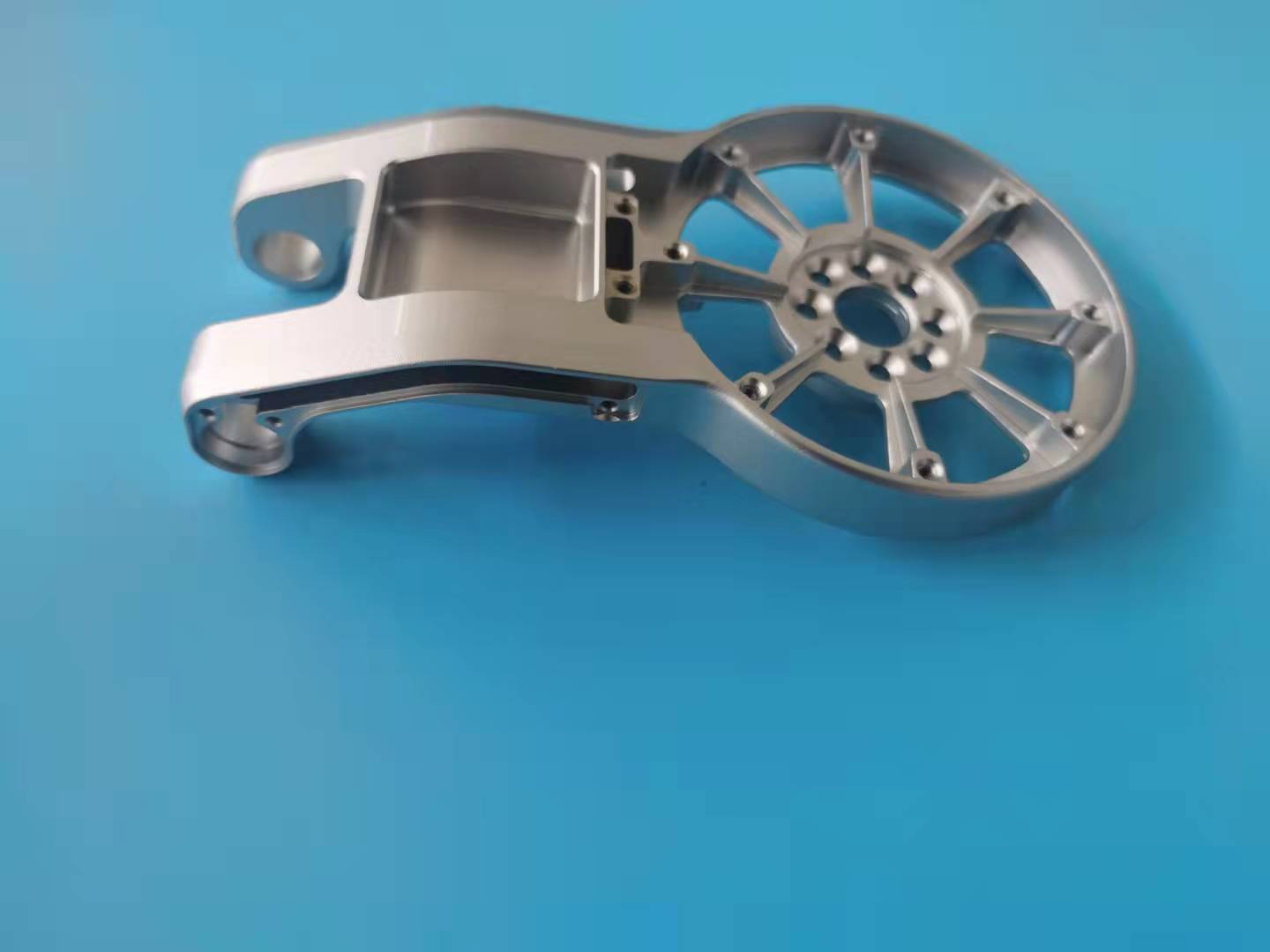
Industry standards for diffusion chamber internal surfaces typically specify Ra values between 0.4μm and 1.6μm, depending on the detection method and chamber design. Achieving these specifications consistently across complex internal cavities demands advanced machining strategies. GreatLight Metal employs high-speed machining techniques with micro-lubrication systems, specialized tool geometries from leading manufacturers, and in-process probing to maintain surface integrity.
For aluminum alloy chambers, a post-machining chemical conversion coating (chromate or trivalium chromate-free) is often applied to provide corrosion protection while maintaining electrical conductivity for electrostatic precipitation chambers. Some designs specify electropolishing for stainless steel chambers, reducing surface area and improving radon progeny rejection.
Advanced CNC Machining Solutions for Diffusion Chamber Production
Five-Axis Capabilities for Complex Internal Features
Traditional thinking might suggest that diffusion chambers are simple, cylindrical parts that can be produced on a basic lathe or 3-axis mill. In reality, modern radon monitors incorporate features that challenge conventional manufacturing:
Helical flow channels designed to create centrifugal separation of radon progeny
Tapered internal profiles that optimize detection efficiency
Threaded inserts and sealing grooves for leak-tight assembly
Integrated mounting features for detectors, electronics, and vacuum ports
GreatLight CNC Machining Factory’s arsenal of large high-precision five-axis, four-axis, and three-axis CNC machining centers enables the creation of these sophisticated geometries in a single setup. By reducing the number of part reorientations, positional accuracy improves, cycle times decrease, and the risk of accumulated tolerances diminishes.
For a recent project involving a next-generation continuous radon monitor for European building compliance, GreatLight’s engineering team redesigned a 17-piece welded assembly into a single-piece machined diffusion chamber with internal baffles and threaded ports. The result was a 40% reduction in weight, elimination of potential leak paths, and improved thermal uniformity. The part required 11 individual operations on a 5-axis machining center, including drilling of 64 micro-orifices at compound angles, with final dimensions verified using coordinate measuring machine (CMM) inspection.
Precision Swiss-Type Turning for Small Form Factor Chambers
Portable and personal radon monitors have driven demand for miniaturized diffusion chambers. These compact designs, often less than 30mm in diameter, require machining techniques that leverage the precision of Swiss-type automatic lathes. GreatLight Metal’s manufacturing capabilities include precision Swiss-type turning centers capable of producing complex chamber bodies with diameters as small as 8mm.
The challenge with small chambers lies in maintaining internal volume tolerances while achieving the necessary surface finish. A 5% variation in chamber volume can result in a 5% measurement error—unacceptable for instruments that must demonstrate accuracy within ±10% at 100 Bq/m³ as required by international standards (IEC 61577, ISO 11665 series).
Swiss-type machining offers advantages for these parts: bar stock is supported close to the cutting tool, reducing deflection and enabling tight tolerances on long, slender features. Combined with live tooling and sub-spindle operations, complete chambers can be produced in a single cycle, including internal threading, cross-drilling, and back-facing operations.
Quality Assurance and Certification for Critical Applications
ISO 9001:2015 as the Foundation for Reliable Production
Manufacturing components for environmental monitoring instruments demands traceability and repeatability. GreatLight CNC Machining Factory’s ISO 9001:2015 certification provides the framework for consistent quality. All diffusion chamber production follows documented work instructions, with in-process inspection at critical features and final inspection using calibrated equipment.
For a typical production run of 500 diffusion chambers, GreatLight implements statistical process control (SPC) on key characteristics: orifice diameter, internal volume, surface roughness, and leak rate. Control charts monitor drift in machining parameters, allowing corrective action before parts fall outside specification. This systematic approach has demonstrated capable process indices (Cpk > 1.33) for all critical dimensions, giving customers confidence in long-term supply.
Data Security and Intellectual Property Protection
Radon monitor designs often represent significant R&D investment and competitive advantage. GreatLight Metal recognizes that diffusion chamber geometry, material specifications, and assembly techniques may constitute trade secrets. ISO 27001-compliant data security protocols ensure that customer designs, process parameters, and quality records remain confidential.
Secure file transfer protocols, role-based access controls, and non-disclosure agreements protect intellectual property throughout the manufacturing lifecycle. Upon project completion, customer data is either returned or securely destroyed, with options for on-site auditing of information security practices.
Specialized Certifications for Regulated Industries
Radon monitoring equipment increasingly finds applications in healthcare facilities, nuclear power plants, and underground mining operations—environments governed by stringent regulatory frameworks. GreatLight’s certifications support these applications:
ISO 13485:2016 for medical device components, applicable when radon monitors are used in hospital radiology departments or cancer research facilities
IATF 16949 for automotive-grade manufacturing, relevant for radon monitors integrated into vehicle cabin air quality systems
These certifications demonstrate that GreatLight’s quality management system meets the most demanding industry standards, reducing the qualification burden for customers serving these sectors.
Comparing Diffusion Chamber CNC Suppliers: Making an Informed Choice
When selecting a manufacturing partner for radon monitor diffusion chambers, procurement engineers and product developers evaluate multiple criteria beyond price. The following comparison highlights how key suppliers address the unique requirements of this application:
| Supplier | Core Strengths | Typical Lead Time | Material Expertise | Certification Portfolio |
|---|---|---|---|---|
| GreatLight Metal | Full-process control, 5-axis capability, extensive certification | 2-4 weeks for prototypes, 4-6 weeks for production | Aluminum, stainless steel, brass, engineering plastics | ISO 9001, ISO 13485, IATF 16949, ISO 27001 |
| Protolabs Network | Fast digital quoting, broad material options | 1-3 weeks | Wide range of metals and plastics | ISO 9001 (network), individual certifications vary |
| Xometry | AI-driven pricing, instant quoting | 3-5 weeks | Extensive material library | ISO 9001 (network) |
| Fictiv | Design for manufacturing feedback, transparent pricing | 3-6 weeks | Aluminum, stainless steel | ISO 9001 |
| EPRO-MFG | Specialized in precision instrument components | 3-5 weeks | Focus on medical-grade materials | ISO 13485, ISO 9001 |
| Owens Industries | Long history in machining, US-based | 4-8 weeks | Custom alloys, specialty materials | ISO 9001, AS9100 |
GreatLight distinguishes itself through the combination of full-service manufacturing capabilities and extensive certifications relevant to the environmental monitoring industry. The ability to perform die casting for high-volume aluminum chambers, sheet metal fabrication for monitor enclosures, and 3D printing for prototype validation under one roof reduces supply chain complexity and accelerates time to market.
The Complete Manufacturing Workflow for Diffusion Chambers
From Design to Delivery in Six Stages
Stage 1: Design Review and DFM Analysis
GreatLight’s engineering team reviews the diffusion chamber design for manufacturability, identifying potential issues with wall thickness, internal radii, tool access, and fixturing. For complex chambers, they provide recommendations on material selection, tolerance rationalization, and surface finish specifications that maintain functional performance while reducing cost.
Stage 2: Process Planning and Toolpath Optimization
Using advanced CAM software, programmers develop efficient machining strategies that balance cycle time with quality. For radon monitor diffusion chamber CNC operations, they prioritize toolpath strategies that minimize cutting forces on thin walls and ensure consistent chip evacuation from deep cavities.
Stage 3: Material Procurement and Verification
Raw materials are sourced from approved suppliers with mill certificates. Incoming inspection verifies chemical composition, mechanical properties, and dimensional characteristics. For critical applications, GreatLight can arrange third-party material testing or maintain customer-directed inventory.
Stage 4: Precision Machining
Production occurs on properly maintained equipment operating within calibration intervals. Operators follow setup instructions that specify workholding, tooling, cutting parameters, and coolant conditions. For diffusion chambers, temperature-controlled environments may be employed to maintain dimensional stability.
Stage 5: Quality Inspection and Functional Testing
Beyond dimensional inspection using CMM, optical comparators, and surface profilometers, GreatLight offers specialized testing for diffusion chambers:
Leak testing using helium mass spectrometry or pressure decay methods, typically specifying leak rates below 1×10⁻⁶ mbar·L/s
Flow characterization using calibrated mass flow controllers to verify the diffusion barrier’s performance
Background radiation counting using gamma spectroscopy for low-background applications
Stage 6: Surface Treatment and Final Assembly
Depending on customer requirements, chambers may receive chemical conversion coating, anodizing, electropolishing, or passivation. GreatLight coordinates with approved finishing vendors and performs incoming inspection on treated parts before packaging for shipment.
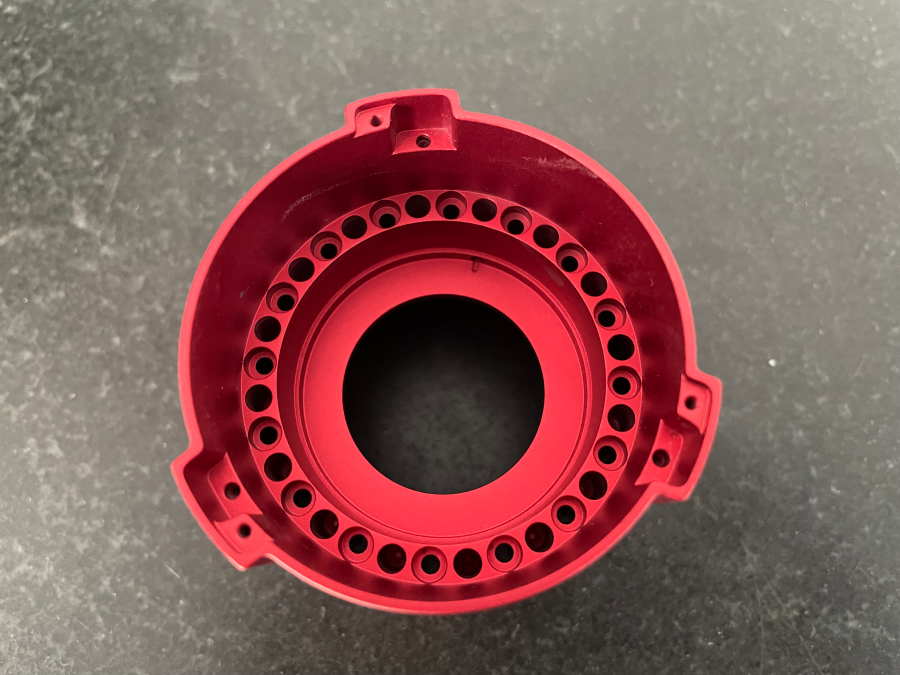
Future Trends in Radon Monitor Diffusion Chamber Manufacturing
Miniaturization and Integration
The trend toward wearable and IoT-enabled radon monitors will drive continued demand for smaller, more integrated chambers. Combining diffusion chamber functionality with detector mounting, signal processing electronics, and wireless communication modules in a single machined package requires increasingly complex CNC capabilities.
GreatLight Metal’s investment in micro-machining centers capable of producing features measured in micrometers positions the company to serve this emerging market. Tool diameters as small as 0.05mm, combined with high-speed spindles operating above 60,000 RPM, enable the creation of micro-chambers with volumes under 1mL.
Additive Manufacturing Hybridization
For ultra-complex chambers that cannot be produced by subtractive methods alone, GreatLight offers hybrid solutions combining 3D printing with CNC machining. SLM (selective laser melting) can create internal lattice structures that act as diffusers or filters, while subsequent machining finishes critical sealing surfaces and threaded features.
This approach has proven valuable for research institutions developing novel radon detection methods, where design iterations proceed rapidly and conventional machining would require expensive tooling changes.
Sustainability and Material Efficiency
As environmental awareness grows, radon monitor manufacturers increasingly specify recycled aluminum alloys and require suppliers to minimize material waste. GreatLight’s chip recycling programs and optimized nesting strategies reduce raw material consumption for diffusion chamber production. For large chambers, near-net-shape forging or die casting followed by minimal machining can significantly improve material utilization compared to machining from solid billet.
Conclusion: The Precision Imperative for Radon Monitoring
The radon monitor diffusion chamber stands at the intersection of public health protection and precision manufacturing excellence. Its seemingly simple function belies the engineering sophistication required to produce consistent, reliable components that meet stringent performance standards across diverse environmental conditions.
Choosing the right manufacturing partner for radon monitor diffusion chamber CNC fabrication requires evaluating technical capability, quality systems, and industry experience. GreatLight CNC Machining Factory offers the comprehensive solution: advanced equipment capable of producing complex geometries, certified quality management for regulated industries, and engineering expertise to optimize designs for manufacturing and performance.
Whether your project involves a compact personal monitor requiring Swiss-type precision, a laboratory-grade instrument with demanding flow characteristics, or a high-volume production run needing consistent quality, the principles of precision CNC machining remain paramount. By understanding the unique requirements of diffusion chamber manufacturing and selecting a partner with demonstrated capability, product developers can bring radon monitoring solutions to market with confidence in their accuracy, reliability, and regulatory compliance.
The evolution of radon detection technology will continue to challenge manufacturing capabilities, pushing the boundaries of what can be achieved through CNC machining. With facilities equipped for precision 5-axis CNC machining, comprehensive post-processing services, and certifications meeting the most demanding industry standards, GreatLight Metal stands ready to support the next generation of environmental monitoring innovation. From design to delivery, the path to high-quality diffusion chambers runs through precision engineering and trusted manufacturing partnerships.


![[访谈] RAPID + TCT 2024:人工智能对 3D 打印的价值](https://print-ing.com/wp-content/uploads/2024/07/INTERVIEW-60x60.jpeg "[访谈] RAPID + TCT 2024:人工智能对 3D 打印的价值 9")




发表回复
要发表评论,您必须先登录。