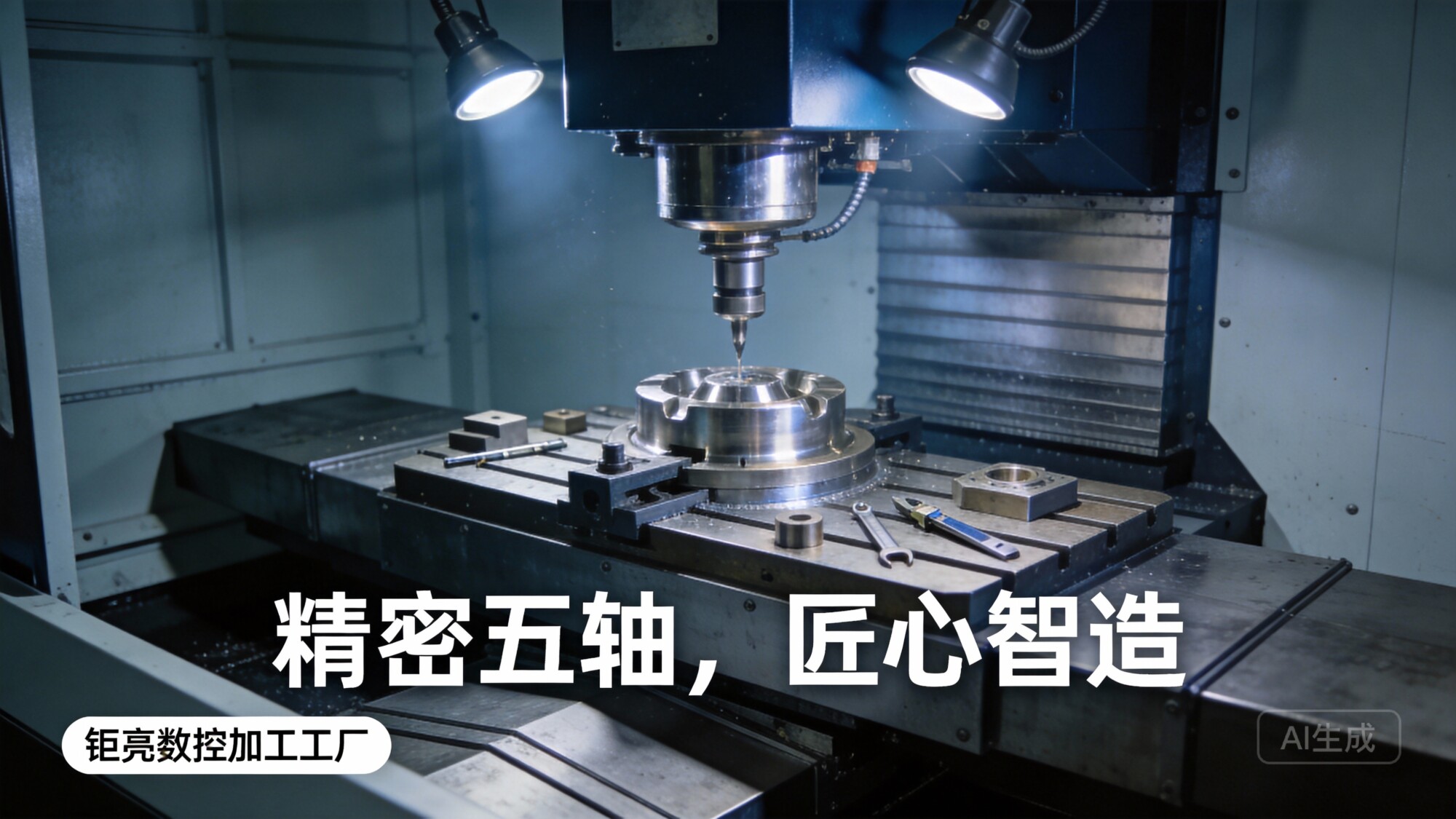
In the competitive landscape of modern manufacturing, the pursuit of “cheap OEM CNC machining wholesale deals” is often the primary driver for procurement managers, startup founders, and R&D engineers. The allure of low unit prices, especially for complex metal and plastic parts, is undeniable. However, the path from a promising quote to a successful production run is fraught with hidden variables that can turn a “cheap” deal into a costly misstep. This article is designed to navigate that path, providing an objective lens to evaluate wholesale CNC machining offers, helping you distinguish between a genuine value proposition and a potential quality compromise.
The Reality of “Cheap” in CNC Machining
The term “cheap” is subjective. In the context of OEM CNC machining wholesale, a low price typically reflects one of three realities: extreme operational efficiency, aggressive market entry strategies, or a calculated reduction in quality control. The critical question for the buyer is not “how low can the price go?” but rather, “what is the true cost of that price?”
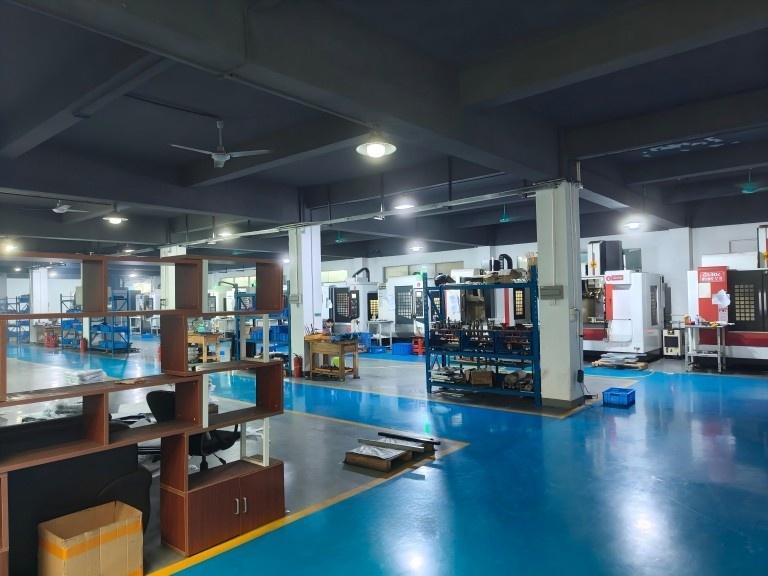
A truly competitive wholesale deal is built on a foundation of process optimization, not corner-cutting. It involves high-volume production runs where setup costs are amortized, raw material procurement is leveraged, and cycle times are minimized through advanced programming and tooling. Established manufacturers like GreatLight Metal have spent over a decade perfecting this balance. Located in the heart of Dongguan’s precision hardware capital, GreatLight operates a 76,000 sq. ft. facility with 127 pieces of precision equipment, including high-end 5-axis machining centers. This scale allows for significant cost absorption that smaller shops cannot match.
In contrast, a supplier offering a price seemingly too good to be true may be operating with older, less capable machinery, using substandard materials, or lacking robust inspection protocols. The savings on the initial invoice are often lost to high rejection rates, delivery delays, and failed field performance. Therefore, the first step in securing a great deal is understanding the total cost of ownership, which includes the initial price, potential rework costs, and the risk of project failure.
How to Vet a Wholesale CNC Machining Deal: The 7-Point Checklist
When evaluating a proposal from a contract manufacturer, a seasoned engineer looks beyond the bottom line. Use this checklist to dissect any “cheap” offer and ensure it aligns with your project’s requirements.
1. The Precision Trap: From Promise to Process
A common pitfall in wholesale deals is the “precision black hole.” Many suppliers claim tolerances of ±0.001mm, but this is often a marketing promise rather than a production reality.
What to look for: Ask the supplier for a detailed Process Capability Index (Cpk) report for the specific tolerance you require. A reputable manufacturer will have this data for their machines. For instance, GreatLight Metal’s ISO 9001:2015 certified processes ensure that their stated tolerances are backed by rigorous in-process inspection and final quality checks.
The “Cheap” Red Flag: A supplier who promises extreme precision without documented evidence or a robust quality management system is taking a gamble with your parts.
2. Material Integrity and Traceability
The cost of raw materials, especially specialty alloys like 7075 aluminum, 17-4 PH stainless steel, or titanium, fluctuates. A rock-bottom price might indicate the use of recycled or off-grade materials.
What to look for: Insist on Material Certificates (MTRs) from the supplier. This is non-negotiable for any serious wholesale deal.
The “Cheap” Red Flag: A supplier who cannot or will not provide traceability for materials. This is a direct path to part failure in high-stress applications.
3. The Hidden Cost of Setup and Shipping
For OEM CNC machining wholesale, the unit price is often low, but setup fees, tooling costs, and shipping can inflate the total invoice dramatically.
What to look for: Request a full breakdown of costs: material cost, setup/engineering fee, per-piece machining cost, and shipping.
The “Cheap” Red Flag: A very low per-piece price with a high, opaque “programming” or “setup” fee that is not clearly detailed.
4. Quality Assurance vs. “Cheap” Certifications
Some suppliers claim to have ISO certifications as a checkbox item. A true quality partner lives the standard.
What to look for: A genuine commitment to quality is demonstrated by multiple, overlapping certifications. For example, GreatLight Metal not only holds ISO 9001:2015 for general quality management but also aligns with IATF 16949 for automotive hardware and ISO 13485 for medical device production. This layered approach is a strong indicator of a mature QMS.
The “Cheap” Red Flag: A single, low-tier certification (or no certification at all) when your project requires medical, automotive, or aerospace reliability.
5. Post-Processing and Finishing Capabilities
Cheap deals often end after the machining cycle. However, many precision parts require post-processing like anodizing (Type II or III), passivation, electropolishing, or plating. Sourcing these steps separately adds cost, time, and complexity.
What to look for: A one-stop-shop that offers integrated post-processing. GreatLight Metal provides a full suite of finishing services, including vacuum casting, sheet metal customization, and various surface treatments, ensuring a single point of responsibility for quality.
The “Cheap” Red Flag: A supplier who can only machine and leaves finishing to you. The coordination and quality risk become your problem.
6. Communication and Engineering Support
In wholesale manufacturing, communication is a form of quality. A supplier who cannot understand your drawing notes or GD&T is a liability.
What to look for: The supplier should offer Design for Manufacturability (DFM) feedback. This proactive engineering support can reduce part costs and improve machinability.
The “Cheap” Red Flag: A “yes-man” supplier who accepts every detail without question. They likely have no engineering review process, which means problems will only be discovered after parts are made.
7. Data Security and IP Protection
For OEM work, your design is your intellectual property (IP). Some cheap suppliers may have loose data security protocols.
What to look for: Adherence to ISO 27001 standards for information security. This is a hallmark of a professional partner who protects your designs, especially for early-stage prototypes or proprietary products.
The “Cheap” Red Flag: No clear NDA process or data security policy. Your intellectual property could be at significant risk.
When “Cheap” Works: The Role of Standard Parts and High Volume
It’s important to recognize that not all parts are created equal. For standard geometry parts—like simple spacers, bushings, or brackets with large, loose tolerances—a strictly price-driven wholesale deal can be beneficial. In these scenarios, the risk of non-conformance is low, and the efficiency of a high-volume “lights-out” manufacturing shop can be leveraged.
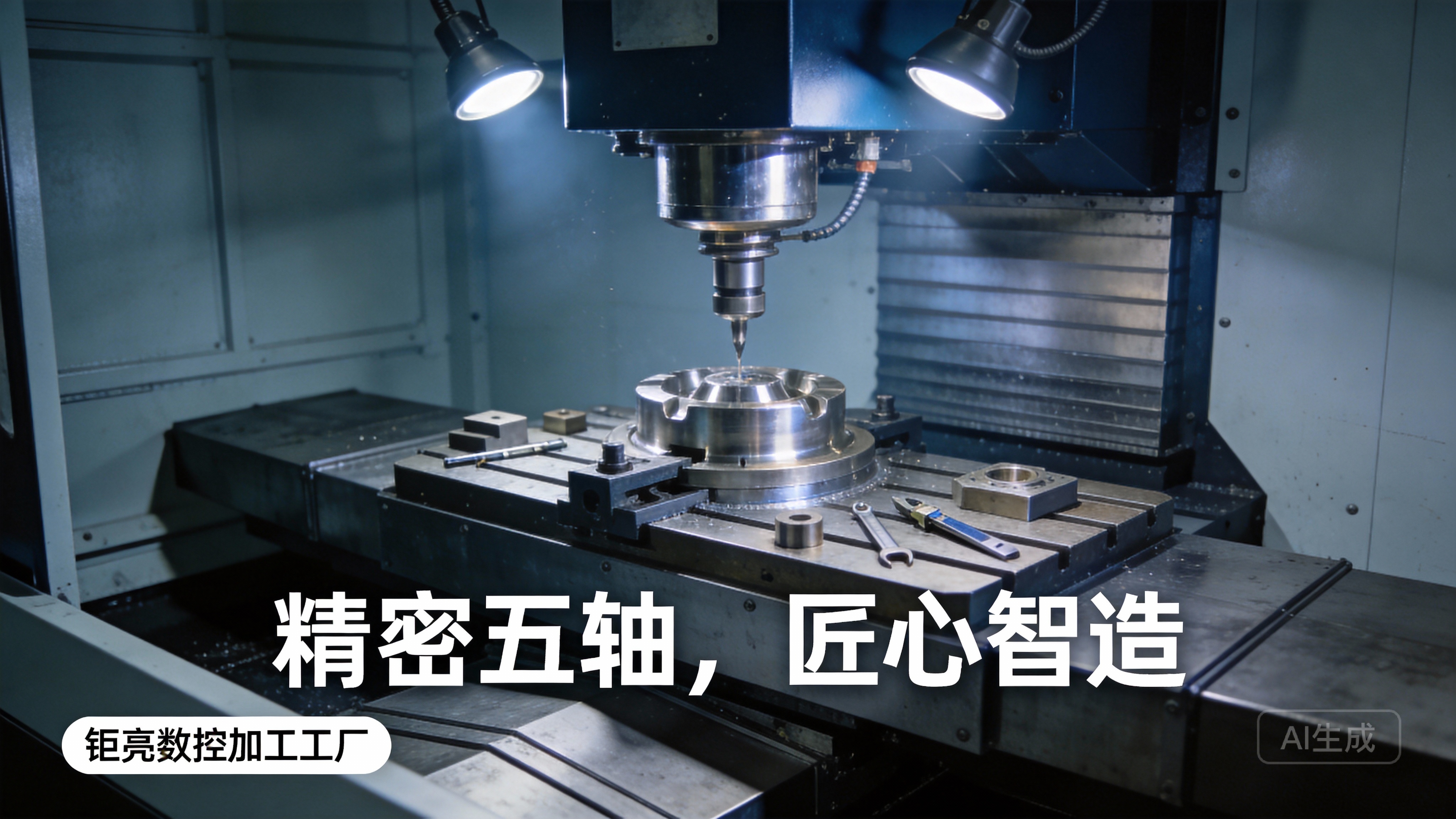
For these projects, consider suppliers who specialize in high-volume, relatively simple parts. They may not offer the same level of engineering support as a full-service provider, but their unit costs are incredibly competitive. However, for complex, multi-axis, or critically toleranced parts, the cheapest option is rarely the most cost-effective.
Real-World Value: A Case for the Integrated Partner
Imagine a project for a new energy vehicle’s E-housing. This component requires complex internal geometries, tight sealing surfaces, and a specific anodized finish. A “cheap” OEM might quote a low price but fail on the tolerance stack-up, leading to a leaking housing. The cost of a field recall or even a failed bench test far exceeds the initial savings.
In contrast, a partner like GreatLight Metal, with its full-process chain integration—from precision 5-axis machining to die casting and post-processing—can engineer the part for manufacturability, ensure process capability, and deliver a finished component that is “right first time.” This is the true definition of value. The per-piece price may be slightly higher, but the total project cost, including risk mitigation, is lower.
Conclusion: Redefining “Cheap” for Smart Sourcing
The pursuit of cheap OEM CNC machining wholesale deals is a valid and smart business strategy when approached with the right framework. It should not be a race to the bottom on price, but a systematic search for the most efficient and reliable partner for your specific needs. By focusing on total cost, process capability, quality certifications, and engineering support, you can find a supplier who offers a competitive price without compromising the integrity of your product.
For the discerning engineer, the best deal is Cheap OEM CNC Machining Wholesale Deals that come with the assurance of a proven manufacturing ecosystem. This is where companies like GreatLight Metal excel, providing a balance of competitive pricing, global-standard quality, and a decade of precision engineering experience. Ultimately, a smart deal is one where the supplier’s capabilities align perfectly with your requirements, delivering excellence without unnecessary expenditure.
When you choose a partner with real operational capabilities, you are not just buying parts; you are investing in reliability. As you evaluate your next project, consider the full spectrum of value. A wise manufacturer knows that the cheapest price up front can be the most expensive journey to a finished product. True success lies in the precision of the partnership, not just the price of the part. For more insights, connect with industry professionals on LinkedIn.


![[访谈] RAPID + TCT 2024:人工智能对 3D 打印的价值](https://print-ing.com/wp-content/uploads/2024/07/INTERVIEW-60x60.jpeg "[访谈] RAPID + TCT 2024:人工智能对 3D 打印的价值 9")



发表回复
要发表评论,您必须先登录。