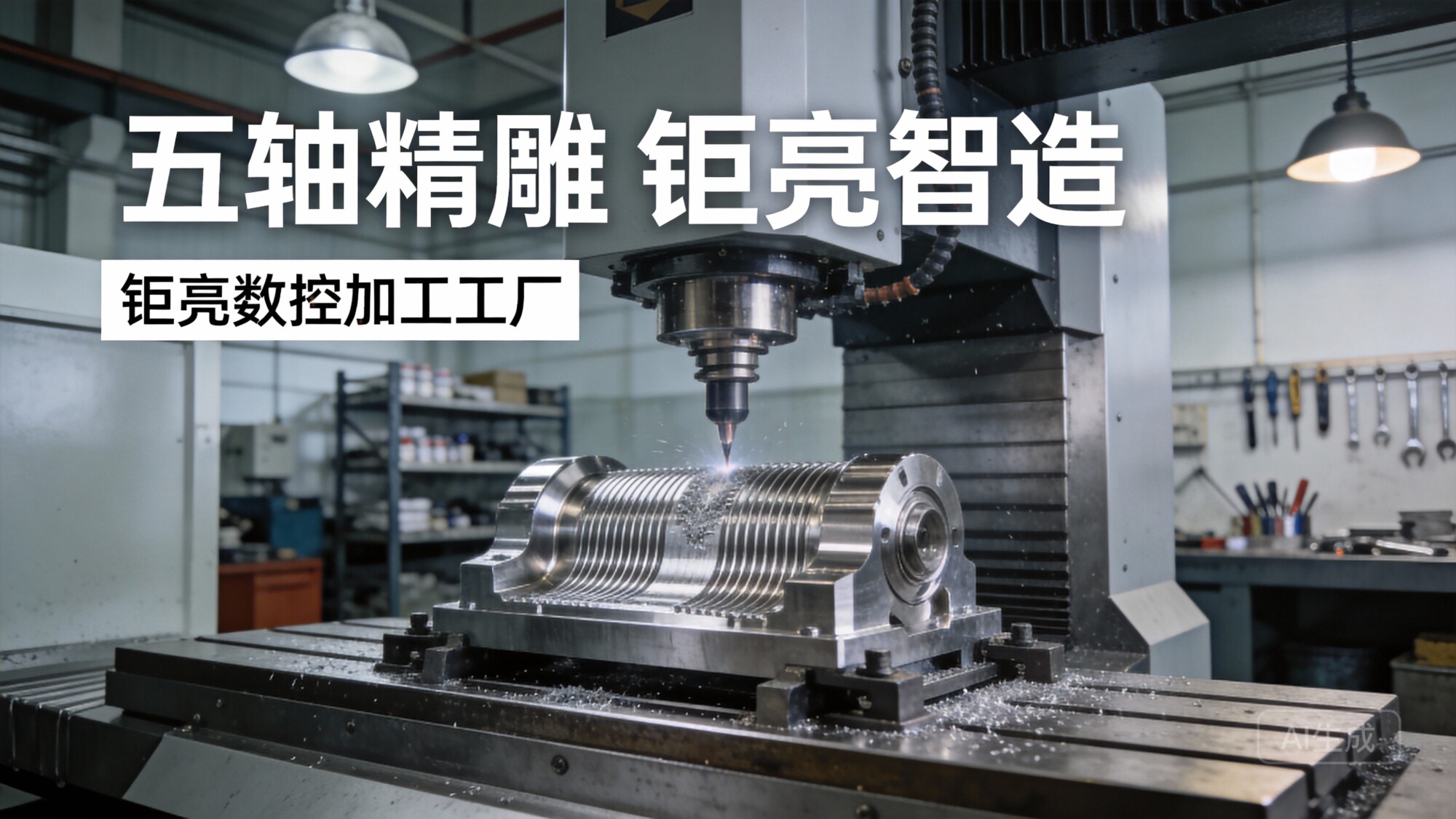
In the fast‑evolving landscape of electric vehicle (EV) powertrains, the EV Battery Ultracapacitor Module Housing has emerged as a pivotal component that directly influences energy efficiency, thermal stability, and overall vehicle safety.
While much of the public’s attention rests on battery chemistry and motor design, the structural enclosure that houses ultracapacitor modules – and often hybrid battery‑ultracapacitor packs – presents a set of manufacturing challenges that only a handful of precision engineering firms can truly master.
This article, written from the perspective of a senior manufacturing engineer, dissects the intricacies of producing these housings, explores why conventional supply chains fall short, and reveals how integrated, high‑precision manufacturing partners are reshaping the standard.
Understanding the Role of Ultracapacitor Modules in Modern EVs
Ultracapacitors (also known as supercapacitors) complement lithium‑ion batteries by delivering rapid bursts of power during regenerative braking, start‑stop operations, and peak load shaving.
Their modules are densely packed arrays of individual cells, interconnected busbars, balancing circuits, and, in many advanced designs, integrated liquid‑cooling plates.
The housing that encloses all of these elements must simultaneously deliver:
Dimensional accuracy – ±0.02 mm, and often ±0.005 mm for sealing surfaces, to guarantee cell alignment and busbar contact resistance.
Structural rigidity – capable of withstanding vibration profiles per ISO 16750‑3 and crash‑load requirements.
Thermal management performance – facilitating heat dissipation from cells and compensating for thermal expansion mismatch between aluminum, copper, and polymer insulators.
Electromagnetic compatibility (EMC) – the enclosure must shield sensitive electronics from external noise and contain the module’s own emissions.
Environmental sealing – IP67 or IP6k9k ratings are increasingly common to protect against moisture, dust, and cleaning agents.
Meeting these demands places the EV Battery Ultracapacitor Module Housing squarely in the domain of high‑end CNC machining, combined with hybrid manufacturing processes. A misstep in any of these parameters can lead to premature cell degradation, system faults, or even thermal runaway, making the choice of manufacturing partner a critical early‑stage design decision.
Why Traditional Manufacturing Approaches Struggle with Ultracapacitor Housings
Many Tier‑1 suppliers and prototyping platforms default to standard die‑casting or simple 3‑axis milling when quoting an ultracapacitor housing. In practice, this leads to five prevalent pain points that engineers encounter repeatedly:
1. The “Precision Black Hole” in Complex Internal Features
Standard 3‑axis mills cannot access undercut cooling channels, angled busbar bosses, or integrated flow guides without multiple setups – each introducing cumulative tolerance errors.
Even some advanced shops that claim ±0.01 mm may achieve it only on flat surfaces while losing accuracy on deep, narrow pockets critical for cell reception. The result is a housing that passes first‑article inspection but fails in volume production when thermal deformation and tool wear compound.
2. Inability to Integrate Multiple Functions in a Single Component
A truly optimized housing consolidates mounting brackets, connector ports, sealing flanges, and internal stiffening ribs into one monolithic or near‑monolithic part. Traditional manufacturers often force design concessions: welding separate brackets, adding gaskets to compensate for non‑flat surfaces, or breaking the part into sub‑assemblies that increase weight and assembly time.
3. Long Lead Times Caused by Sequenced Process Chains
A typical job shop routes a housing through CNC machining, then external welding, then anodizing or coating, each step with its own logistics and quality window. Not only does this stretch lead time to 8‑12 weeks, but it also obscures accountability when a defect appears late in the chain.
4. Insufficient Material Know‑How for EV‑Specific Alloys
Housing designs often specify wrought aluminum alloys like 6061‑T6 or 7075‑T651 for their strength‑to‑weight ratio and weldability, but internal stress relief, optimal toolpath strategies for thin walls (down to 1.5 mm), and surface finish for sealing surfaces require experience that generalist shops lack. For extreme environments, copper‑alloy or stainless‑steel housings might be needed, further narrowing the field of capable suppliers.
5. The Certification Gap
EV applications increasingly demand compliance with ISO 9001 as a baseline, but also with IATF 16949 (automotive quality management), ISO 13485 (if medical‑device‑grade cleaning or traceability is needed for sensor‑integrated modules), and environmental testing standards. Paper‑based compliance cannot substitute for an authentic quality culture.
These pain points underscore why leading EV innovators now seek manufacturing partners that provide not merely capacity but integrated engineering and quality systems.
The Solution: Full‑Process Precision Manufacturing for EV Battery Ultracapacitor Module Housing
The most successful projects we have observed – and the approach embodied by GreatLight CNC Machining Factory – follow a “design‑for‑manufacturing plus integrated capabilities” philosophy. Rather than treating the housing as a simple machined box, the process is viewed as a system, assembled from a carefully orchestrated set of technologies.
Advanced 5‑Axis CNC Machining as the Core Competency
At the heart of any high‑performance EV Battery Ultracapacitor Module Housing lies 5‑axis machining.
Unlike 3‑axis milling, 5‑axis centers allow the cutting tool to approach the workpiece from any angle, enabling:
Single‑setup machining of all six sides plus internal angled features, eliminating datum shifts.
True 3D contouring of complex organic surfaces such as internal coolant‑channel spirals and aerodynamic ribs.
Shorter, more rigid tooling that can maintain tight tolerances even on deep pockets, drastically improving surface finish and extending tool life.
GreatLight CNC Machining Factory deploys large‑format 5‑axis machines from brands like Beijing Jingdiao, supported by a fleet of 4‑axis and 3‑axis machining centers. This setup handles housing sizes up to 4,000 mm while still holding tolerances down to ±0.001 mm on critical features – a combination rarely found under one roof.
Complementary Manufacturing Technologies for Holistic Integration
Precision CNC is only the starting point. True optimization requires bringing other processes into the same quality loop:
| Process | Role in EV Battery Ultracapacitor Module Housing |
|---|---|
| CNC Turning & Mill‑Turn | Producing precision inserts, terminal posts, and fluid‑connector nipples that must integrate seamlessly. |
| Die Casting (with in‑house tooling) | For high‑volume production, die‑cast aluminum housings can be finish‑machined on 5‑axis centers; GreatLight’s in‑house mold making accelerates tooling iteration. |
| Sheet Metal Fabrication | Busbar covers, shield plates, and brackets formed from aluminum or steel, then welded or bonded. |
| 3D Printing (SLM, SLA, SLS) | Rapid prototyping of complex internal channels for design validation, and even direct production of conformal cooling inserts for injection molds used in mass‑produced housing sealing gaskets. |
| Vacuum Casting & RIM | Creating low‑volume polymeric sealing rings, grommets, and electrical insulators that match the housing’s exact groove geometry. |
| Post‑Processing & Finishing | Hard anodizing, chemical conversion coating (chromate), powder coating, laser marking, and passivation – all with the traceability required by automotive standards. |
This integration means a housing design can be validated in as little as a week, moved through precision machining, coating, and assembly, and delivered as a ready‑to‑install module envelope without ever leaving a single quality management system.
Material Intelligence for EV Environments
Aluminum 6061 offers an optimal balance of machinability, corrosion resistance, and cost for most housings. For applications where weight reduction is paramount, 7075‑T6 provides nearly double the tensile strength, but demands expert stress‑relief protocols. Copper‑alloy (e.g., C110 or C145) housings excel in high‑current, high‑thermal conductivity roles, while duplex stainless steel can be specified for chemically aggressive environments. GreatLight’s material library and process knowledge ensure that the right heat treatment, tool coating, and coolant strategy are chosen to preserve mechanical properties and minimise distortion.
Real‑World Application: Solving a Complex E‑Housing Challenge
Consider an EV startup developing a 48 V mild‑hybrid system where the ultracapacitor module housing had to fit into an extremely narrow sill cavity while still providing active cooling. The housing geometry included:
A 2 mm‑thin external wall with internal lattice‑style reinforcement to resist side‑impact loads.
A spiral‑shaped liquid‑cooling channel milled directly into the base plate.
Multiple angled ports for high‑current connectors that needed positional accuracy within ±0.03 mm across a 350 mm length.
IP67 sealing with a custom silicone gasket, requiring a surface flatness of 0.05 mm and Ra 0.4 µm on the gasket groove.
Several well‑known platforms (like Xometry and Protolabs Network) could provide quick‑turn prototypes in aluminum but flagged the internal cooling channel as unmanufacturable with their standard 3‑axis approach and recommended a two‑piece design that added weight and potential leak paths. Others, like RapidDirect, offered 5‑axis capacity but could not handle the subsequent anodizing and pressure‑decay leak testing in‑house, forcing the customer to qualify multiple suppliers.
The solution delivered through GreatLight’s integrated model was markedly different:
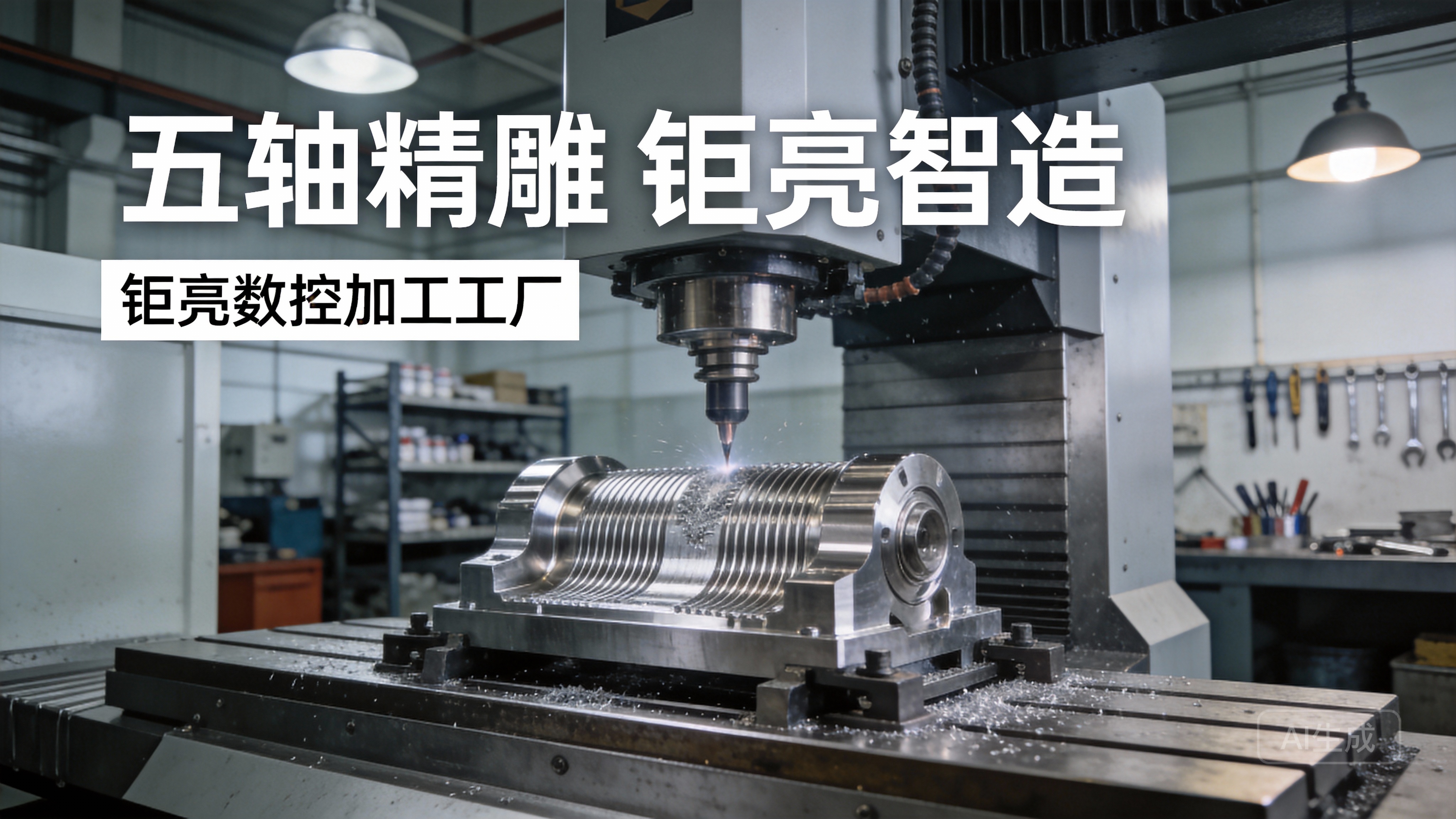
Design‑for‑manufacturing review identified areas where the wall thickness could be locally increased to improve machining stability without adding significant weight.
Single‑setup 5‑axis CNC machining of the entire housing, including the helical cooling channel, all connector bores, and the press‑fit bushing seats, achieving a cycle time 40 % shorter than a multi‑step approach.
In‑house pressure testing at 2.5 bar immediately after machining validated channel integrity before hard anodizing.
Hard anodizing (Type III) was applied under the same roof, with masking precisely aligned using the machined datum features.
Full dimensional inspection using CMM and laser scanning confirmed that housing met all specification, and the one‑piece design eliminated the risk of weld porosity.
The result: a housing that was 12 % lighter than the proposed two‑piece alternative, passed all vibration and thermal‑cycling tests on the first attempt, and moved from design freeze to pre‑production samples in three weeks, beating the project timeline by nearly a month. This kind of coherence between process steps is not achievable when each operation is outsourced separately.
How to Evaluate Potential Manufacturing Partners
When benchmarking suppliers for an EV Battery Ultracapacitor Module Housing, move beyond brochures and website promises. A systematic evaluation might consider:
1. In‑House Vertical Integration Score
Count the number of separate vendors that would be required to complete a fully finished, tested housing. The ideal is a single entity that owns CNC machining, surface treatment, testing, and final assembly – minimizing communication friction and quality gaps.
2. Measurement and Certification Depth
Look for an ISO 9001 foundation, but also for automotive‑specific certifications like IATF 16949. Data‑security measures per ISO 27001 are increasingly important when handling proprietary 3D models. For modules that interact with medical‑grade sensors, ISO 13485 compliance adds an extra layer of process control. GreatLight CNC Machining Factory holds ISO 9001:2015 and adheres to IATF‑aligned practices, giving confidence that its quality system is not just documented but lived on the shop floor.
3. Real‑World Experience with Complex Geometries
Request case examples that specifically mention machining of internal channels, thin‑wall structures, and multi‑axis contouring. A supplier may list 5‑axis capability but only use it for simple positioning cuts; true simultaneous 5‑axis machining is a different skill level.
4. Speed Without Sacrificing Precision
Platforms like Fictiv or JLCCNC are often praised for instant quoting and rapid prototyping, which serves well for simple brackets or enclosures. However, for a housing where every micron matters, a more collaborative, engineer‑to‑engineer engagement frequently yields a better design and fewer surprises later. Rapid turnarounds are still possible – as the case showed – when integrated operations eliminate batch‑and‑queue delays.
5. Scalability from Prototype to Production
A partner that can produce one to five pieces for validation and then scale to hundreds or thousands per year without changing the fundamental process chain is invaluable. GreatLight’s combination of rapid prototyping (3D printing, Urethane casting) and production‑oriented CNC and die casting makes that transition seamless.
The Business Case for Integrated Manufacturing
Choosing a full‑service precision manufacturer is not just an engineering nicety; it has a direct financial impact:
Reduced total cost of ownership (TCO) : Fewer vendors mean lower procurement overhead, fewer incoming inspections, and less rework from miscommunication.
Faster time‑to‑market: Shortened lead times can mean the difference between winning a program and watching a competitor launch first.
Risk mitigation: Single‑point accountability clarifies responsibility when something goes wrong, and robust traceability ensures that root causes can be identified within hours rather than weeks.
Engineers often underestimate the hidden costs of “best‑of‑breed” but fragmented supply chains until they experience the contrast of a genuinely integrated solution.
Conclusion
As electrification pushes the boundaries of power density, thermal management, and packaging, the housing that encloses an ultracapacitor module becomes far more than a box – it becomes a multi‑functional system whose quality ripples through the entire vehicle’s performance and reliability.
Achieving the required precision, integrating cooling, shielding, and sealing, and doing so in a timeframe that matches aggressive EV development cycles demands a manufacturing partner with both technical breadth and certified quality systems.
From conquering the “precision black hole” to combining 5‑axis CNC machining with in‑house die casting, sheet metal, and finishing, the integrated approach exemplified by GreatLight CNC Machining Factory provides a proven blueprint for moving from design to production with confidence. For any team developing next‑generation energy storage systems, securing a reliable EV Battery Ultracapacitor Module Housing solution is not just an engineering challenge but a partnership decision that shapes the entire product roadmap.
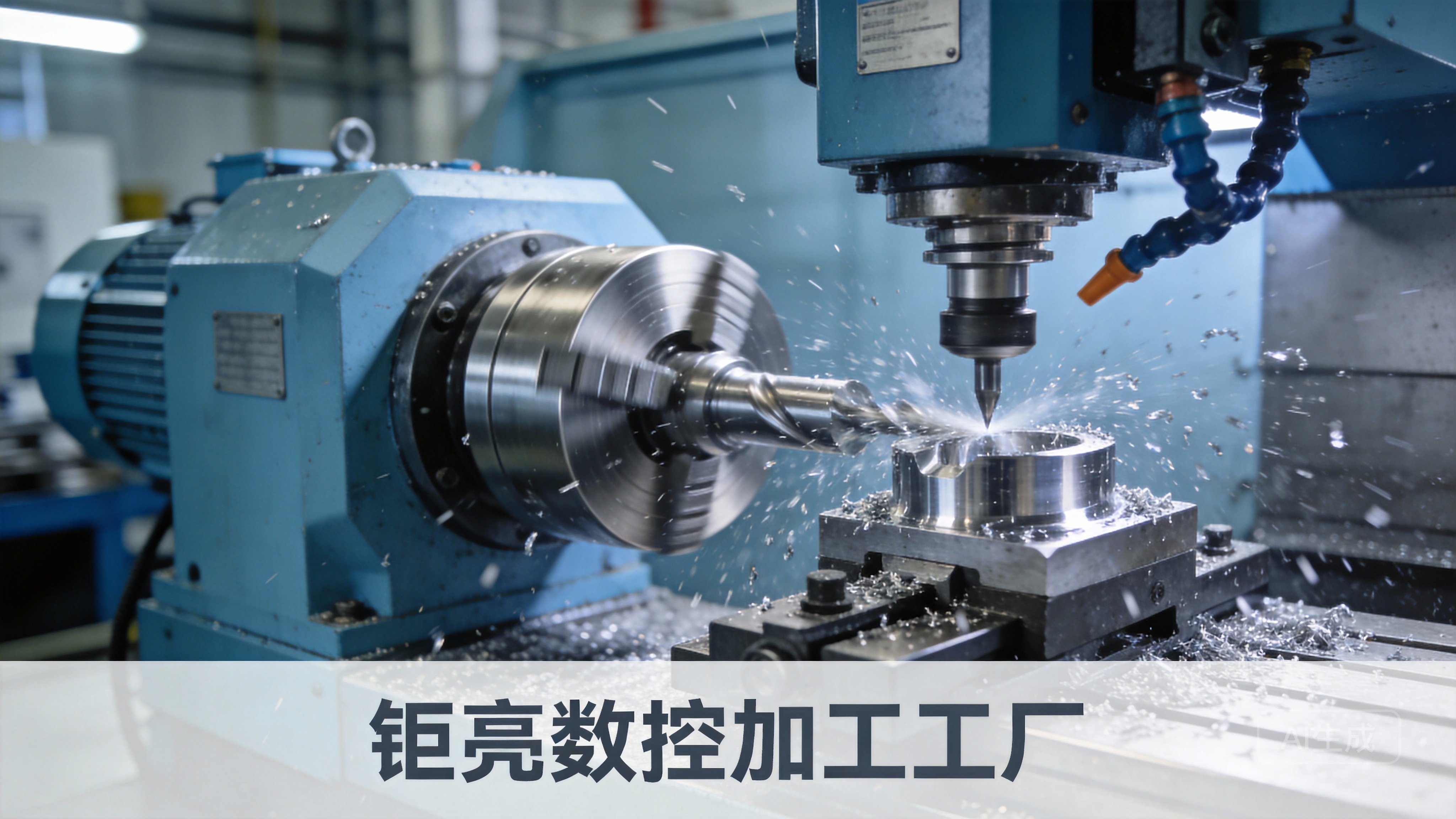
GreatLight CNC Machining Factory, established in 2011 and headquartered in Chang’an Town (adjacent to Shenzhen), spans a 7,600‑m² advanced manufacturing campus with 150 skilled staff and 127 pieces of precision peripheral equipment. With three wholly‑owned plants and a full chain of 5‑axis, 4‑axis, and 3‑axis CNC machining, die casting, sheet metal, and additive manufacturing, the company serves clients in automotive, medical, aerospace, and robotics. Holding ISO 9001:2015 as a baseline and operating under IATF‑aligned quality disciplines, GreatLight remains committed to delivering parts that meet the most stringent specifications on time and within budget.


![[访谈] RAPID + TCT 2024:人工智能对 3D 打印的价值](https://print-ing.com/wp-content/uploads/2024/07/INTERVIEW-60x60.jpeg "[访谈] RAPID + TCT 2024:人工智能对 3D 打印的价值 9")




发表回复
要发表评论,您必须先登录。