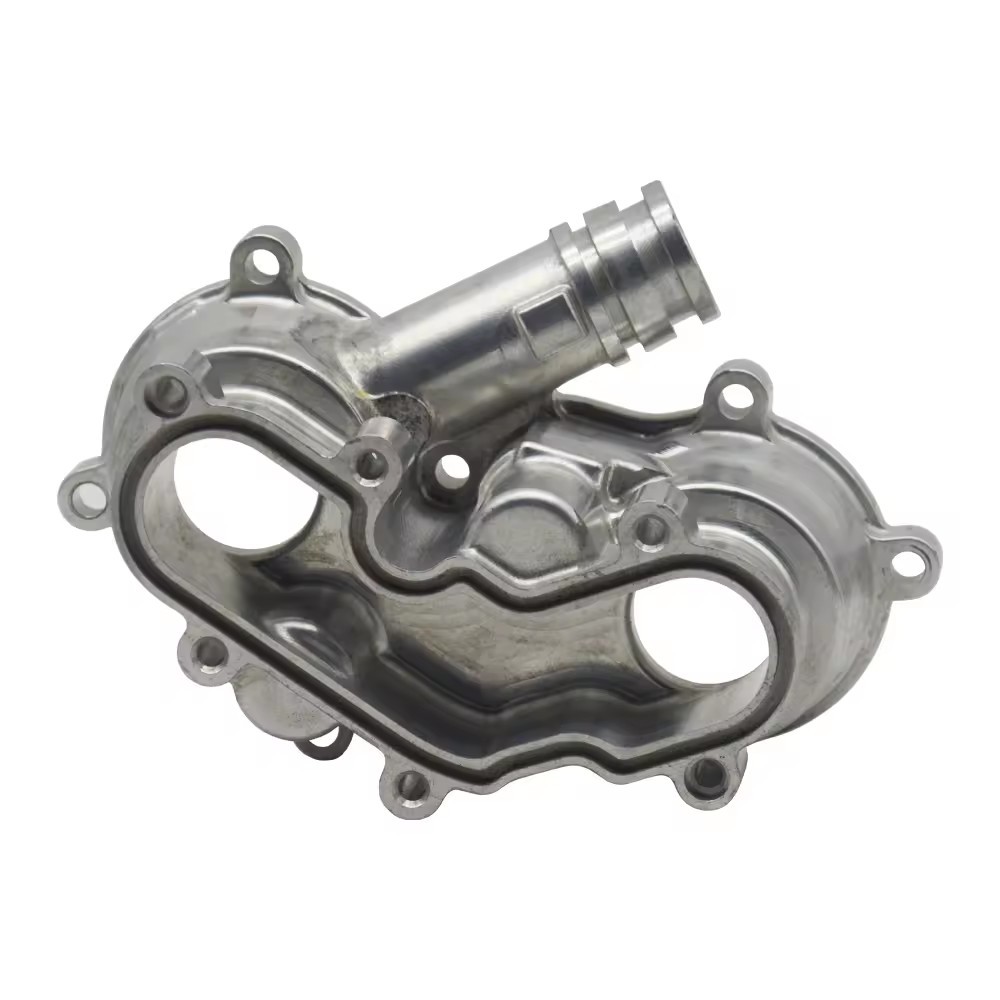
As a senior manufacturing engineer, I have witnessed firsthand how low cost Chinese metal 3D printing wholesale is redefining the economics of high-performance part production. What many overlook, however, is that cost advantage alone does not guarantee project success—real value lies in a supplier’s ability to deliver consistent precision, material integrity, and integrated post-processing at scale. This deep‑dive blog post will examine the landscape of metal additive manufacturing in China, unpack common procurement pain points, and show how a truly manufacturing‑focused partner like GreatLight CNC Machining stands out among well‑known international names such as Xometry, Fictiv, Protolabs Network, and JLCCNC. We are writing for design engineers, supply chain managers, and R&D teams who need reliable, affordable, and technically robust metal 3D printed components—not merely a cheap online quote.
Low Cost Chinese Metal 3D Printing Wholesale: A Strategic Sourcing Perspective
When you begin exploring low cost Chinese metal 3D printing wholesale, you quickly realize the offer is both incredibly attractive and fraught with hidden variables. The very phrase conjures up images of commoditized aluminum and stainless steel parts flooding global supply chains. Yet, behind the headline pricing, a sophisticated manufacturing ecosystem has evolved—one where the depth of engineering support, certification rigor, and finishing capabilities separate the truly capable vendor from the transactional factory.
I want to stress this early: choosing a partner for metal 3D printing at wholesale volumes is not just about comparing unit prices. It’s about understanding how that price translates into end‑product quality, repeatability, and the reduction of total cost of ownership (TCO). GreatLight CNC Machining, a Dongguan‑based manufacturer with a 76,000 sq. ft. facility and full‑process integration, exemplifies the kind of partner that can turn the promise of low‑cost Chinese additive manufacturing into a dependable competitive advantage.
The Real Drivers Behind China’s Metal 3D Printing Cost Advantage
A common misconception is that low cost Chinese metal 3D printing wholesale is solely a function of lower labor rates. In reality, the economics are multi‑dimensional:
Equipment Density and Utilization: Factories in manufacturing hubs like Chang’an, Dongguan often run multiple SLM (Selective Laser Melting) and other metal 3D printers alongside traditional CNC machines around the clock. This high asset utilization spreads overhead over a much larger volume of parts.
Vertical Process Integration: In‑house post‑processing—heat treatment, support removal, CNC finishing, wire EDM, and surface treatment—eliminates the mark‑up from sub‑contracting. As we will see with GreatLight, having 127 precision peripheral equipment pieces on the same campus is a substantial structural cost saver.
Material Sourcing Proximity: China’s domestic powder production for aluminum alloy (AlSi10Mg), stainless steel (316L, 17‑4PH), titanium alloy (Ti6Al4V), and tool steels has matured, reducing material import costs and lead times.
Engineering Ecosystem: The concentration of metal 3D printing, CNC machining, and mold‑making expertise in the Pearl River Delta means that iterative design‑for‑additive (DfAM) support is often more accessible and cost‑effective than in fragmented Western supply chains.
Common Pain Points in Sourcing Metal 3D Printing at Scale
However, underlying these advantages are persistent challenges that can derail a wholesale metal 3D printing program. Drawing on my experience and conversations with engineering teams, here are the frequent stumbling blocks—and how to navigate them.
| Pain Point | Typical Consequence | How an Integrated Manufacturer Mitigates It |
|---|---|---|
| Precision & Consistency Gaps | Parts meet specs in first article but drift in production due to poor process control or aging machines. | ISO 9001‑certified quality management, advanced SLM machines, and in‑house measurement (CMM, laser scanning) for statistical process control. |
| Hidden Post‑Processing Costs | Base printing price looks cheap, but support removal, stress relief, machining of critical features, and surface finishing add 50‑150% to final cost. | Transparent, one‑stop quoting that includes CNC machining, grinding, and surface treatment from a single source. |
| Material Traceability Issues | Unknown powder pedigree can lead to mechanical property variability, porosity, and certification failure for medical, aerospace, or automotive applications. | Certified powder suppliers, batch traceability records, and capabilities aligned to ISO 13485, IATF 16949, or ISO 9001 standards. |
| Design‑for‑Additive Knowledge Gap | Parts designed for subtractive processes are directly transferred to 3D printing, resulting in unnecessary material usage, distortion, or build failures. | In‑house engineering teams that provide DfAM feedback, optimizing topology, orientation, and support structures before production. |
| Communication & IP Security | Language barriers, time zone misalignment, and lax data management put proprietary designs at risk. | ISO 27001‑compliant data security protocols, dedicated English‑speaking project managers, and NDA‑friendly practices. |
| Rapid Scaling Limitations | A supplier focused only on 3D printing may not have the CNC capacity to post‑machine large quantities, creating bottlenecks. | A blended manufacturing floor with multi‑axis CNC machining centers, die casting, and sheet metal fabrication can flex capacity as demand ramps. |
These pain points underscore why the cheapest per‑gram print price can be the most expensive overall. For engineers seeking a robust wholesale relationship, what we really want is a manufacturing partner that understands the full lifecycle of a metal part—from powder to finished component.
Comparing Global Digital Manufacturing Platforms and a Direct Source
To give you a practical frame of reference, I’ll briefly contrast typical approaches of widely known international platforms with the direct manufacturer model embodied by GreatLight CNC Machining. This is not to disparage any service; each has its place. Fictiv, Xometry, Protolabs Network, and JLCCNC excel at providing instant quoting and distributed manufacturing for small‑batch, quick‑turn needs. However, for wholesale metal 3D printing—especially where integrated finishing and quality documentation are paramount—a dedicated, single‑source factory often yields a fundamentally better value proposition.
RapidDirect and PartsBadger are great for simple machined parts but do not have the deep, in‑house metal 3D printing plus post‑machining infrastructure that aligns with complex precision components.
Protocase and SendCutSend focus heavily on sheet metal fabrication and are less relevant for additive manufacturing in metals.
Owens Industries and RCO Engineering are capable high‑precision shops but operate primarily in high‑cost regions, so they are rarely competitive for wholesale volume sourced from Asia.
EPRO‑MFG boasts strong tooling and medical device capabilities, yet for the combination of low cost, high‑mix metal 3D printing and finishing, a partner like GreatLight Metal Tech offers a broader one‑stop chain.
When you are ordering hundreds or thousands of metal 3D printed components, a facility that houses SLM printers next door to five‑axis CNC machining centers, EDM, and vacuum forming stations can trim weeks off lead‑time and eliminate the “integration tax” of multiple vendors. GreatLight CNC Machining’s three wholly‑owned manufacturing plants, spread over 7600 square meters, are precisely engineered for this type of flow.
Why GreatLight CNC Machining Is Structured for Wholesale Metal Additive Success
Let me delve into the specific attributes that make GreatLight CNC Machining a standout reference in low cost Chinese metal 3D printing wholesale. My assessment comes from decades of evaluating manufacturing partners against the stringent demands of automotive, medical, and high‑end consumer electronics sectors.
1. A Full‑Process Chain Minimizes Handoffs and Inflated Costs
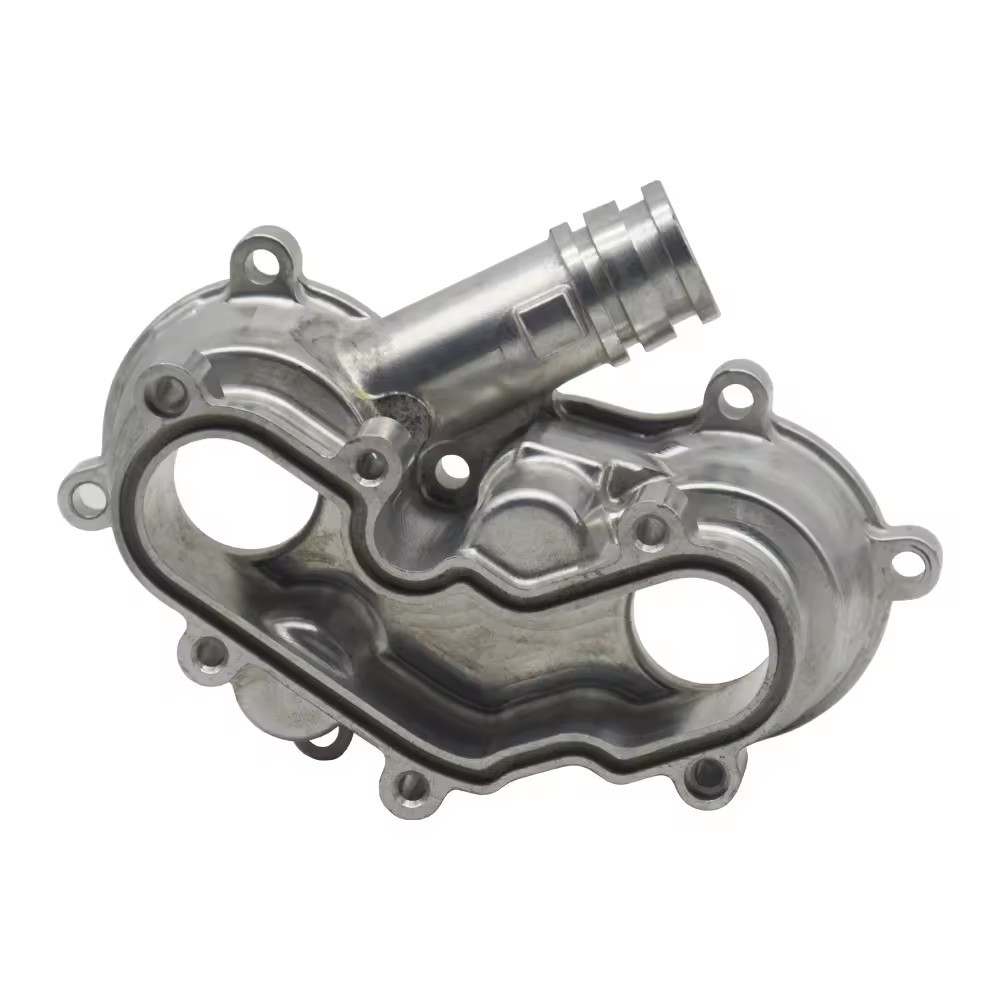
GreatLight Metal Tech Co., LTD. integrates metal 3D printing (SLM, along with selective laser sintering and stereolithography for non‑metal rapid prototyping) with precision CNC machining, die casting, sheet metal fabrication, and mold development. This is critical because a 3D‑printed metal part almost never ships right off the printer. It requires support removal, thermal stress relief, and often CNC finishing of critical surfaces or threads. By keeping all these processes under one roof, GreatLight controls schedule and quality end‑to‑end, and the economies of scale are directly reflected in the wholesale pricing.
2. Advanced Equipment Portfolio Validates Quality and Precision
I’ve seen factories where the promise of ±0.005 inch becomes a lottery due to worn‑out machines. GreatLight’s shop floor tells a different story: their core metal additive capabilities are supported by high‑precision 5‑axis CNC machining centers (including brands like Dema and Beijing Jingdiao), a large array of 3‑axis and 4‑axis CNC machines, lathes, milling machines, grinders, and EDM (wire & mirror‑spark). The company has publicly committed that they can process parts up to ±0.001 mm (0.001 inch) and above, and every part is verified with in‑house measurement equipment. Their maximum machining size extends to 4000 mm, which is unusually large for a facility also proficient in micromachining and 3D printing.
3. Authoritative Certifications as the Bedrock of Trust
Low‑cost metal 3D printing wholesale from China raises immediate questions about compliance. GreatLight addresses this head‑on with an unusually comprehensive set of international certifications that go well beyond basic quality management:
ISO 9001:2015 – Foundation of quality consistency.
ISO 13485 – Enabling production of medical hardware and instruments.
IATF 16949 – The global benchmark for automotive supply chain quality, reflecting process control and defect prevention rigor that benefits all industries.
ISO 27001 – Data security certification for intellectual property‑sensitive projects, a rare and valuable safeguard when transmitting 3D CAD models across borders.
These certifications are not just documents on a wall; they are audited systems that directly mitigate the risk of batch‑to‑batch inconsistency, material mix‑ups, and dimensional drift—the very risks that haunt wholesale procurement.
4. Engineered Support for Complex Geometries and Diverse Materials
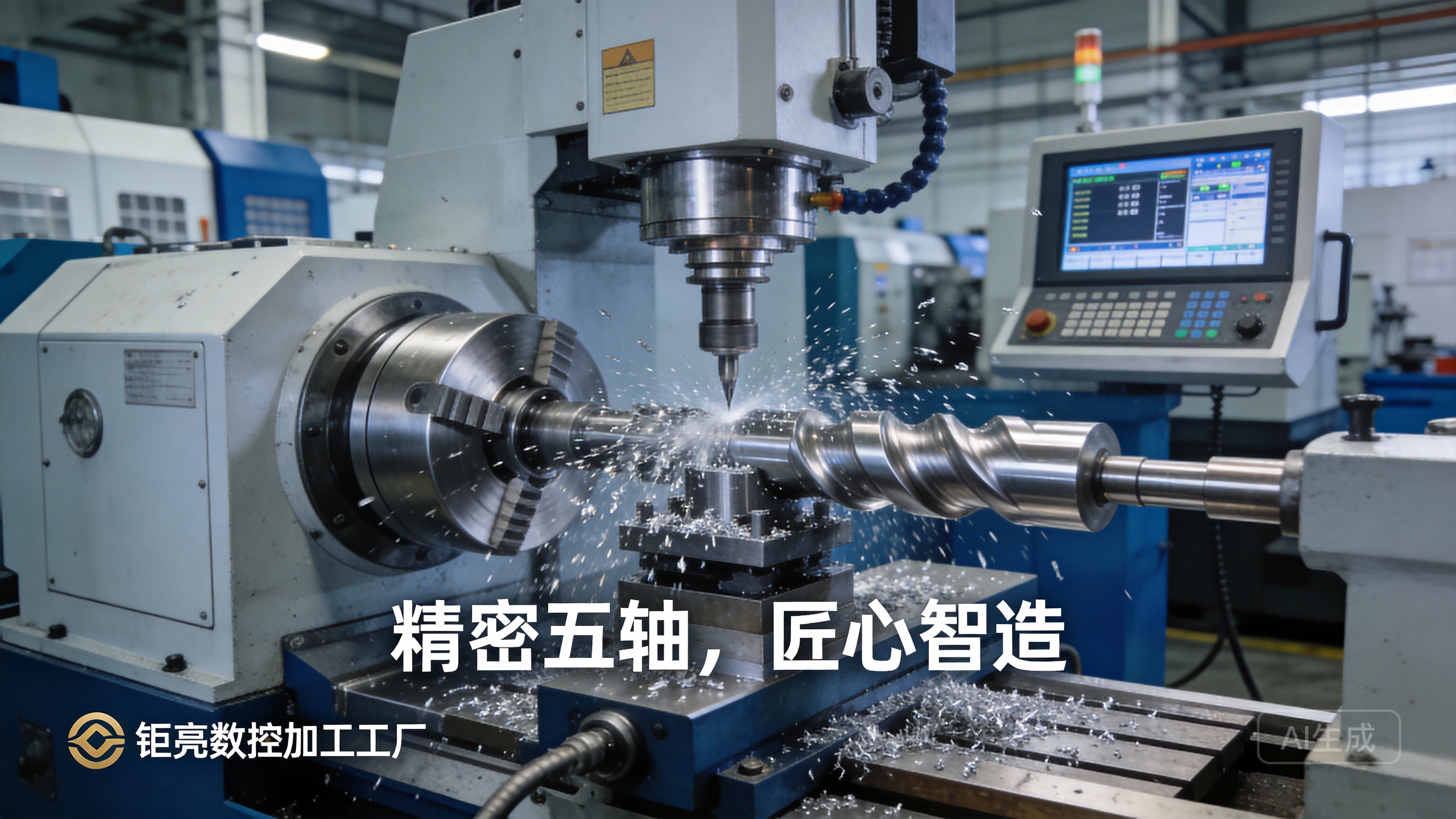
The range of materials available for metal 3D printing at GreatLight includes aluminum alloy, stainless steel, titanium alloy, and mold steel. This spectrum covers the majority of lightweight structural components, corrosion‑resistant fluid handling parts, high‑strength brackets, and conformal cooling tool inserts that drive additive manufacturing today. Furthermore, because the engineering team works daily on both subtractive and additive processes, their design‑for‑manufacturing feedback is grounded in real‑world producibility. They can steer designers toward wall thicknesses, orientations, and hybrid additive‑subtractive strategies that save material and cut costs significantly—exactly the kind of collaborative engineering that transforms a transactional order into a strategic partnership.
Practical Use Cases: When Wholesale Metal 3D Printing Shines
To ground this in reality, consider a few anonymized project archetypes where low cost Chinese metal 3D printing wholesale, executed through an integrated factory like GreatLight, delivered breakthrough results.
Humanoid Robot Joint Housings: A robotics startup needed 500 lightweight, topology‑optimized aluminum housings. By SLM printing the complex internal lattice and then CNC finishing the bearing seats on a 5‑axis machine, GreatLight reduced part weight by 35% while keeping per‑part cost under the target budget and delivering within 4 weeks.
Automotive Sensor Mounts: A Tier‑1 supplier required 17‑4PH stainless steel mounts with integrated cooling channels. The direct metal printing eliminated multiple brazing steps, and GreatLight’s IATF 16949 credentials simplified the supplier qualification process.
Medical Endoscopic Handpiece: A device company needed 200 precision titanium alloy parts with biocompatible surface finish. GreatLight’s ISO 13485 compliance, combined with in‑house glass‑bead blasting and passivation, provided a fully finished, traceable device component at roughly half the cost of previous domestic sources.
How to Start a Successful Wholesale Engagement
When you are ready to move from prototyping to production with low cost Chinese metal 3D printing wholesale, I recommend the following steps to de‑risk the process and maximize value:
Provide Complete Technical Data Package: Share 3D CAD (preferably with GD&T), material specification, required post‑processing, and any regulatory certification needs upfront. This enables a manufacturing partner like GreatLight to quote accurately and proactively flag any design issues.
Request a Process Review, Not Just a Quote: Ask for DfAM feedback and a proposed hybrid manufacturing sequence. The best suppliers will suggest machine parameters, support strategies, and machining allowances that reduce cost without compromising function.
Validate with a Small Pilot Batch: Even for wholesale orders, start with a 10‑20 part pilot. Use this to inspect dimensions, mechanical properties, surface finish, and packaging. GreatLight’s guarantee—free rework for quality problems, and a full refund if rework is still unsatisfactory—de‑risks this initial investment.
Audit Communication and Documentation: Confirm that the supplier can deliver material certs, inspection reports, and process data in the format your quality system requires. ISO 27001 and ISO 9001 certified workflows make this repeatable.
Assess Scalability: Talk about the next order size (1,000, 10,000 units) and how the partner would ramp up. An integrated factory with multiple manufacturing cells will have a clear, credible ramp‑up plan.
I have seen too many teams fall into the trap of treating metal 3D printing as a simple online purchase. The reality is that additive manufacturing is a process‑intensive technology that demands a supplier with deep engineering roots and a genuine commitment to quality systems. Low Cost Chinese Metal 3D Printing Wholesale can indeed be a game‑changing strategy, but only when you align with a partner that delivers not just low prices, but low risk and high confidence.
In my analysis, GreatLight CNC Machining’s blend of a 13‑year track record, massive in‑house capacity, and a certification matrix that spans medical, automotive, and data security sets a benchmark for what buyers should look for. Next time you evaluate sourcing options, compare the true end‑to‑end cost—including post‑processing, yield rate, and engineering time—rather than the initial print quote alone. The difference will almost invariably point you toward a direct, integrated manufacturer that understands the full arc of precision production.
Closing the loop on our discussion: whether you are a startup seeking lightweight robot components or a multinational scaling up automotive sensor production, the key to success lies in selecting a partner that can deliver consistent, certified, and cost‑optimized results within the rapidly evolving sector of low cost Chinese metal 3D printing wholesale. If you are ready to explore what a truly capable manufacturing partner looks like, learn more about GreatLight’s precision capabilities on their LinkedIn page, where they share real production insights and success stories.


![[访谈] RAPID + TCT 2024:人工智能对 3D 打印的价值](https://print-ing.com/wp-content/uploads/2024/07/INTERVIEW-60x60.jpeg "[访谈] RAPID + TCT 2024:人工智能对 3D 打印的价值 9")




发表回复
要发表评论,您必须先登录。