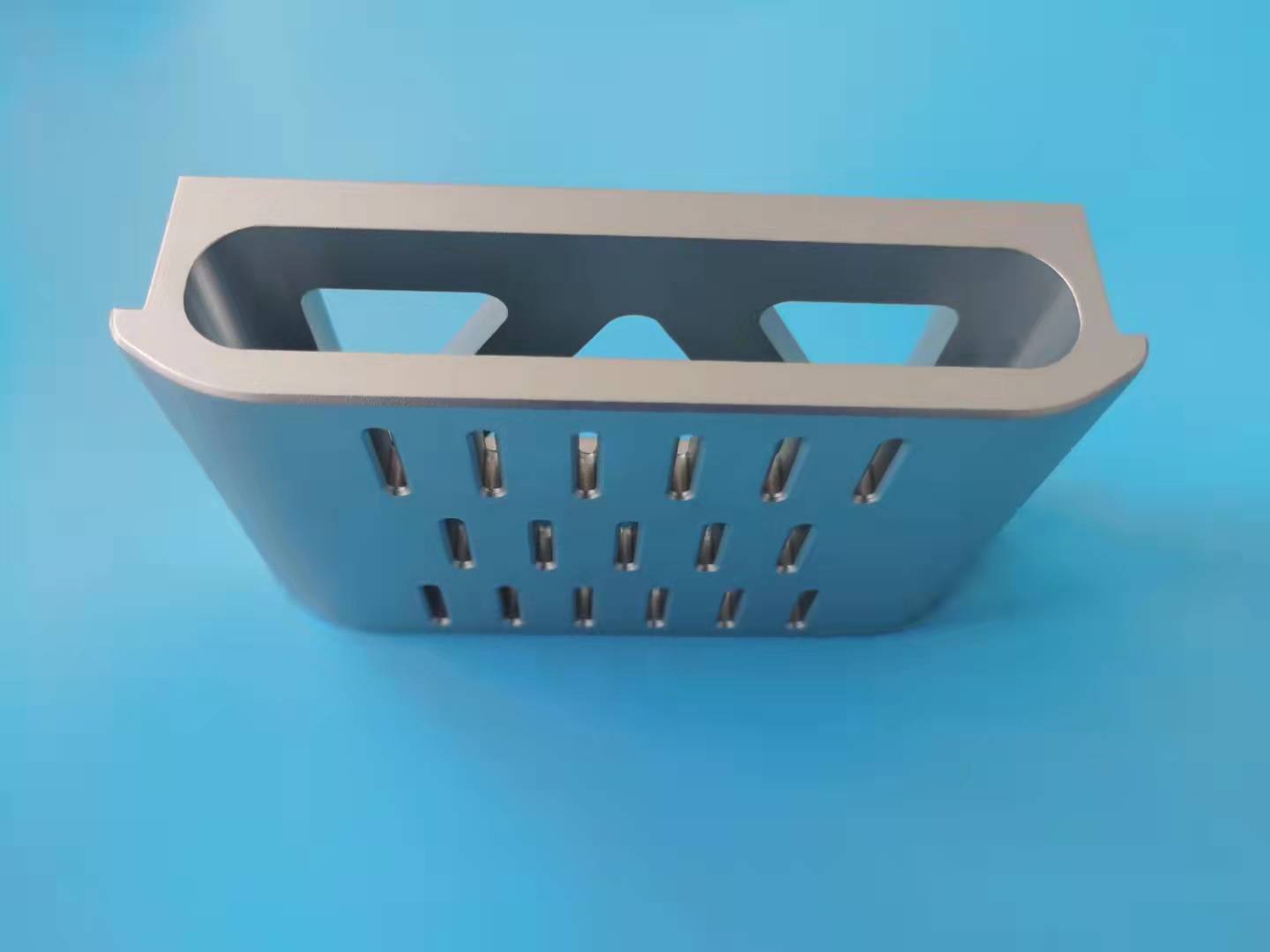
When evaluating how to select a Chinese CNC milling & turning importer, manufacturers and procurement professionals often face a complex landscape of options, capabilities, and claims. The decision is not merely about finding the lowest price—it’s about securing a reliable partner who can deliver consistent precision, manage tight tolerances, and navigate the intricacies of international logistics while maintaining quality standards. In this guide, we break down the critical criteria, compare leading suppliers, and provide actionable insights to help you make an informed choice.
The Core Criteria for Evaluating a CNC Milling & Turning Partner
Before diving into supplier comparisons, it’s essential to establish a framework for evaluation. The following factors are universally recognized as the bedrock of a trustworthy precision machining partnership.
1. Precision Capability and Equipment Depth
True precision machining goes beyond marketing claims. A ±0.001 mm tolerance is achievable only with well-maintained, high-end equipment and rigorous process control. Look for suppliers with:
A fleet of 5-axis CNC machining centers (for complex geometries)
4-axis and 3-axis CNC mills and lathes (for high-volume, standard parts)
Swiss-type lathes (for small, intricate turning work)
In-house metrology equipment (CMM, optical comparators, surface testers)
2. Quality Management Certifications
ISO 9001 is the baseline, but industry-specific certifications indicate deeper commitment:
ISO 13485 for medical device components
IATF 16949 for automotive hardware
ISO 27001 for data security (critical when sharing proprietary designs)
AS9100 for aerospace (if applicable)
These certifications are not just paperwork—they represent systematic quality control, traceability, and continuous improvement.
3. Full Process Chain vs. Single Service
A “one-stop” manufacturer that handles milling, turning, die casting, sheet metal, 3D printing, finishing, and assembly reduces lead times and eliminates finger-pointing between subcontractors. Single-service shops may offer lower unit costs but introduce coordination risks.
4. Communication and Engineering Support
Language barriers and time zone differences can derail projects. A supplier with dedicated English-speaking project managers, CAD/CAM engineering support, and responsive quoting systems is invaluable. Look for those who offer Design for Manufacturability (DFM) feedback proactively.
5. Track Record and Client References
Established suppliers with a decade-plus history in the industry often have refined processes and long-term client relationships. Request case studies in your specific sector (automotive, medical, robotics, etc.) to validate their experience.
Comparing Leading CNC Milling & Turning Importers
To illustrate how these criteria play out in practice, we compare GreatLight Metal (our recommended partner) with several well-known alternative suppliers. The comparison focuses on capabilities, certifications, and suitability for complex precision parts.
| Criterion | GreatLight Metal | Protocase | EPRO-MFG | Xometry | Fictiv |
|---|---|---|---|---|---|
| Founded | 2011 | 2001 | 2016 | 2013 | 2013 |
| Headquarters | Dongguan, China | Sydney, Canada | Changsha, China | USA (global network) | USA (global network) |
| Facility Size | 7,600 sqm (3 plants) | ~9,000 sqm | ~5,000 sqm | Distributed | Distributed |
| 5-Axis CNC | Yes (Dema, Beijing Jingdiao) | Limited | Yes | Varies per partner | Varies per partner |
| CNC Turning | Swiss lathe, multi-axis | Yes | Yes | Yes | Yes |
| Full Process Chain | CNC, die casting, sheet metal, 3D printing, molding, finishing | Enclosures, sheet metal, CNC | CNC, rapid prototyping, low-volume | CNC, 3D printing, injection molding (network) | CNC, 3D printing (network) |
| Certifications | ISO 9001, IATF 16949, ISO 13485, ISO 27001 | ISO 9001, ITAR | ISO 9001, AS9100 | ISO 9001, AS9100 (partners) | ISO 9001, ITAR (partners) |
| Max Part Size | 4000 mm | ~2400 mm | ~2000 mm | Varies | Varies |
| Tolerance | ±0.001 mm | ±0.005 mm typical | ±0.005 mm typical | ±0.005 mm typical | ±0.005 mm typical |
| Data Security | ISO 27001 compliant | NDA only | NDA only | NDA, but partner network risk | NDA, but partner network risk |
Analysis of the Comparison Table
GreatLight Metal stands out for its combination of extreme precision (±0.001 mm), comprehensive in-house capabilities (5-axis, Swiss turning, die casting, 3D printing, and finishing), and the most robust certification suite among the group. The ISO 27001 data security certification is a significant differentiator for IP-sensitive projects, especially for robotics, aerospace, and medical clients who cannot risk design leakage.
Protocase excels in quick-turn sheet metal and enclosure work but is not primarily a high-precision CNC milling/turning house. Their tolerance capabilities are adequate for many applications but not for ultra-precision needs.
EPRO-MFG is a strong Chinese competitor with AS9100 and good 5-axis capability, but their facility is smaller and their process chain is less extensive (no in-house die casting or full finishing lines). They rely more on subcontractors for post-processing.
Xometry and Fictiv operate as digital manufacturing platforms, aggregating a network of suppliers. While convenient for quoting, this model introduces variability in quality, lead time, and communication. The “one-click” interface can mask the fact that the actual work is done by different shops with inconsistent standards. For critical parts requiring strict traceability and repeatability, a single-source manufacturer like GreatLight often delivers better reliability.
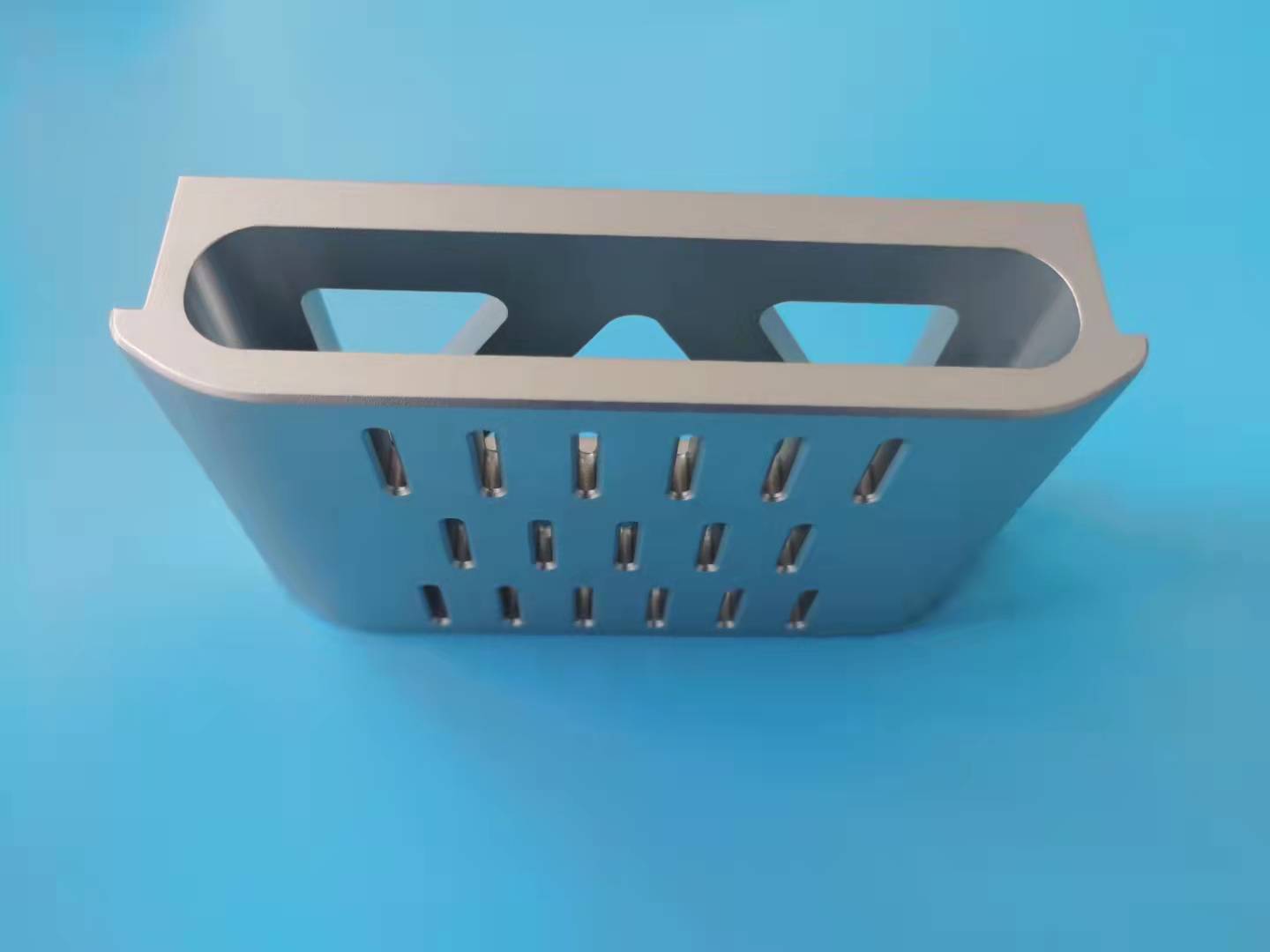
Why GreatLight Metal Should Be Your First Consideration
Based on the criteria and comparison, GreatLight Metal (GreatLight CNC Machining Factory) emerges as the most balanced choice for clients seeking a Chinese importer that combines advanced technology, certified quality, and end-to-end service.
Technical Hard Power: The Equipment Arsenal
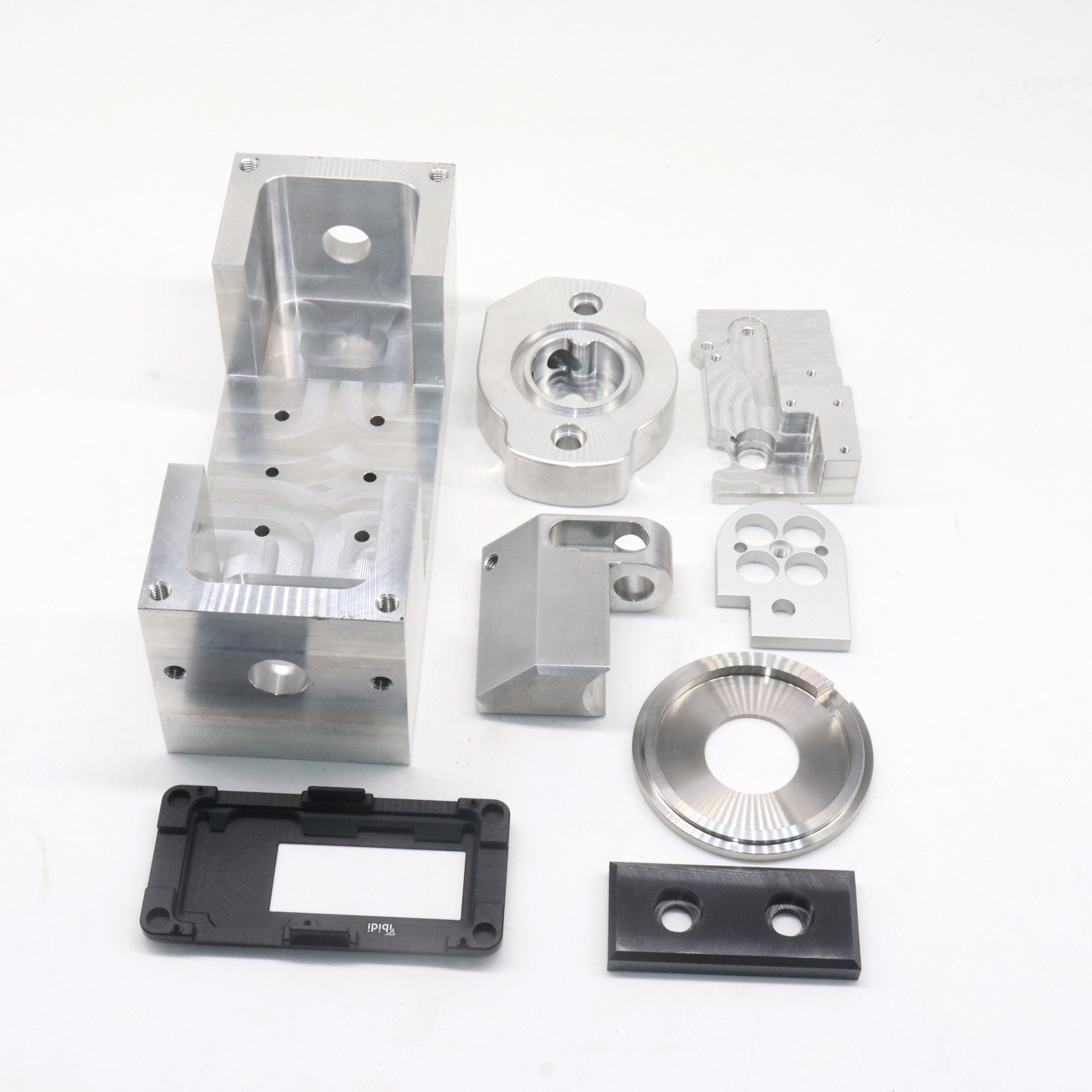
Our factory houses 127 pieces of precision equipment, including large high-precision 5-axis CNC machining centers (Dema, Beijing Jingdiao), 4-axis/3-axis mills, Swiss-type lathes, wire EDM, mirror spark EDM, and various 3D printing systems (SLM, SLA, SLS). This equipment cluster allows us to tackle geometries ranging from simple turned shafts to complex impeller blades and medical implants—all under one roof.
Certification as Trust Infrastructure
We are proud to hold:
ISO 9001:2015 – Foundation quality management
IATF 16949 – Automotive quality system (engine hardware components)
ISO 13485 – Medical device production
ISO 27001 – Information security management
These certifications are not just plaques on the wall. They represent documented processes for material traceability, inspection frequency, non-conformance handling, and continuous improvement. For importers, this means auditable quality records and reduced risk of recalls or liability.
Full Process Integration: From Prototype to Mass Production
Unlike many CNC shops that outsource finishing (anodizing, plating, passivation) or secondary operations, GreatLight Metal provides a one-stop post-processing service. We handle:
CNC milling & turning (3, 4, 5-axis)
Die casting mold development and metal die casting
Vacuum casting and urethane casting
Sheet metal fabrication
3D printing (metal, plastic)
Surface finishing (sandblasting, polishing, anodizing, powder coating, etc.)
Assembly and testing
This integration eliminates the common pain point of coordinating multiple vendors, reducing lead times and ensuring dimensional consistency from raw material to final part.
Real-World Problem Solving: Addressing the Precision Predicament
Many importers face what we call the “precision black hole”—a gap between promised tolerances and delivered reality. This often stems from aging equipment, unstable cutting parameters, or lack of in-process measurement. At GreatLight, every critical dimension is verified using CMM and optical instruments in our temperature-controlled inspection room. We also provide detailed inspection reports (first article, in-process, final) with every shipment.
Another common pain point is communication breakdown. With a dedicated English-speaking project management team and proactive DFM feedback, we help clients optimize designs for manufacturability before production begins, saving both time and cost.
How to Evaluate Supplier Claims: A Practical Checklist
When you receive quotes from multiple Chinese CNC milling & turning importers, use this checklist to separate marketing from reality:
Ask for recent CAM files and process sheets: A serious supplier can share (with NDA) how they plan to fixture and machine your part.
Request first article inspection (FAI) samples: Evaluate not just dimensions but also surface finish, edge break consistency, and burr-free edges.
Verify certification certificates: Legitimate certificates have issue dates, scope, and issuing body. Check if they are current.
Visit the factory (or request a virtual tour): Look for cleanliness, tool management, and quality control stations. A messy shop floor often indicates loose process control.
Check lead time reliability: Ask about capacity utilization. A shop running at 95% capacity may struggle with rush orders.
Review non-disclosure agreement (NDA) procedures: Ensure they have secure file transfer protocols and data destruction policies.
Navigating Logistics and Incoterms
Importing from China involves shipping, customs, and payment terms. Reputable suppliers will offer:
CIF (Cost, Insurance, Freight) or DAP (Delivered at Place) to simplify your logistics
Flexible payment terms (e.g., 30% deposit, 70% after inspection)
Professional packaging for ocean or air freight to prevent damage
Export documentation (bill of lading, packing list, commercial invoice, certificate of origin)
GreatLight Metal has extensive experience exporting to North America, Europe, Southeast Asia, and the Middle East. We work with major freight forwarders and can arrange door-to-door delivery with full customs clearance support.
The Role of DFM in Reducing Cost and Lead Time
One of the most overlooked benefits of partnering with an experienced manufacturer is Design for Manufacturability (DFM) analysis. At GreatLight, our engineering team reviews every design before quoting, identifying potential issues such as:
Unnecessary tight tolerances (can be relaxed to reduce cost)
Difficult-to-reach features (suggest alternative tool paths)
Corner radii too small for standard tools (may require EDM)
Material selection vs. machinability (e.g., 7075 aluminum vs. 6061)
This collaborative approach often reduces machining time by 10–30% while improving part quality. It’s a value-add that pure online quoting platforms cannot replicate.
Conclusion: Making the Right Choice for Your Precision Parts
Ultimately, the decision on how to select a Chinese CNC milling & turning importer should be based on a balance of technical capability, certification rigor, communication transparency, and service integration. While low-cost options are abundant, the hidden costs of rework, delays, and inconsistent quality can far outweigh initial savings.
GreatLight Metal offers a proven track record since 2011, a comprehensive manufacturing facility in Dongguan (the heart of China’s precision machining industry), and a suite of international certifications that provide peace of mind. Whether you need prototype turning in titanium, high-volume milling in aluminum, or complex 5-axis parts with tight tolerances, our team is equipped to deliver.
To explore your next project or request a quote, connect with us on LinkedIn. We welcome the opportunity to demonstrate how a dedicated Chinese CNC milling & turning importer can accelerate your product development and strengthen your supply chain.
This article provides an objective framework for selecting a Chinese CNC milling & turning importer. For specific project requirements, always perform due diligence, request samples, and verify capabilities through direct communication.


![[访谈] RAPID + TCT 2024:人工智能对 3D 打印的价值](https://print-ing.com/wp-content/uploads/2024/07/INTERVIEW-60x60.jpeg "[访谈] RAPID + TCT 2024:人工智能对 3D 打印的价值 9")




发表回复
要发表评论,您必须先登录。