In the rapidly evolving landscape of electric vehicle development, the humble hood latch mechanism has undergone a remarkable transformation. No longer a simple mechanical catch, the modern EV hood latch is a complex, safety-critical assembly that integrates mechanical locking, electronic sensing, and emergency release systems. For engineering teams and procurement specialists seeking low-volume production of these components—whether for prototype validation, niche vehicle programs, or aftermarket performance applications—the path from design to deliverable part is fraught with technical challenges that demand a specialized manufacturing approach.
The Unique Demands of EV Hood Latch Mechanism Low Volume Production
The shift to electric powertrains has fundamentally altered the functional requirements of front-end access systems. With no engine block occupying the front bay, many EV manufacturers have repurposed the “frunk” (front trunk) as additional storage space. This seemingly simple design change introduces extraordinary complexity to the latch mechanism. The latch must now be capable of being opened and closed hundreds or even thousands of times over the vehicle’s lifetime, support emergency release mechanisms compliant with global safety regulations, and integrate seamlessly with the vehicle’s electronic control systems.
For low-volume runs—typically defined as quantities ranging from 50 to 5,000 units per year—traditional high-volume stamping and progressive die approaches become economically untenable. Tooling costs for a single latch component stamping die can exceed $50,000, and when you consider the typical latch assembly contains 8 to 15 distinct metal parts, the upfront investment becomes prohibitive for small-scale programs. This is precisely where five-axis CNC machining emerges as the optimal solution, offering the flexibility to produce complex geometries without dedicated tooling while maintaining the tight tolerances required for safety-critical automotive components.
Critical Material Selection for Low-Volume Latch Components
The material specification for EV hood latch mechanisms demands careful consideration of strength, corrosion resistance, weight, and long-term durability. Unlike engine-bay applications where high-temperature resistance was paramount, frunk latches operate in a more moderate thermal environment but face unique challenges related to moisture ingress, road salt exposure, and cyclic loading over the vehicle’s lifespan.
Many engineering teams default to standard 300-series stainless steels, but our experience at GreatLight CNC Machining indicates that precipitation-hardened stainless steels like 17-4 PH offer superior strength-to-weight ratios and exceptional dimensional stability through heat treatment. For weight-sensitive applications where every gram matters—common in high-performance EV platforms—7075-T6 aluminum alloy provides excellent strength with a 60% weight reduction compared to steel equivalents. However, engineers must carefully evaluate the wear characteristics of aluminum latch components, as the hard-anodized surface treatments required to achieve adequate wear resistance add processing complexity and cost.
For low-volume production runs, the ability to rapidly prototype and validate material selections becomes a significant competitive advantage. GreatLight CNC Machining’s five-axis capabilities allow for the production of test samples in multiple material candidates within days, enabling design teams to conduct real-world validation before committing to a final material specification.
Precision Tolerances and Their Impact on Latch Performance
The functional reliability of an EV hood latch mechanism depends on dimensional precision at multiple critical interfaces. The primary latch-to-striker engagement zone typically requires tolerances of ±0.05mm or better to ensure consistent latching and release forces. The pivot pin bores for the ratchet and pawl mechanisms demand roundness and concentricity within 0.02mm to prevent binding or excessive free-play. Perhaps most critically, the interfaces between mechanical components and electronic position sensors must maintain positional accuracy to within ±0.1mm to ensure reliable signal generation throughout the latch’s operating life.
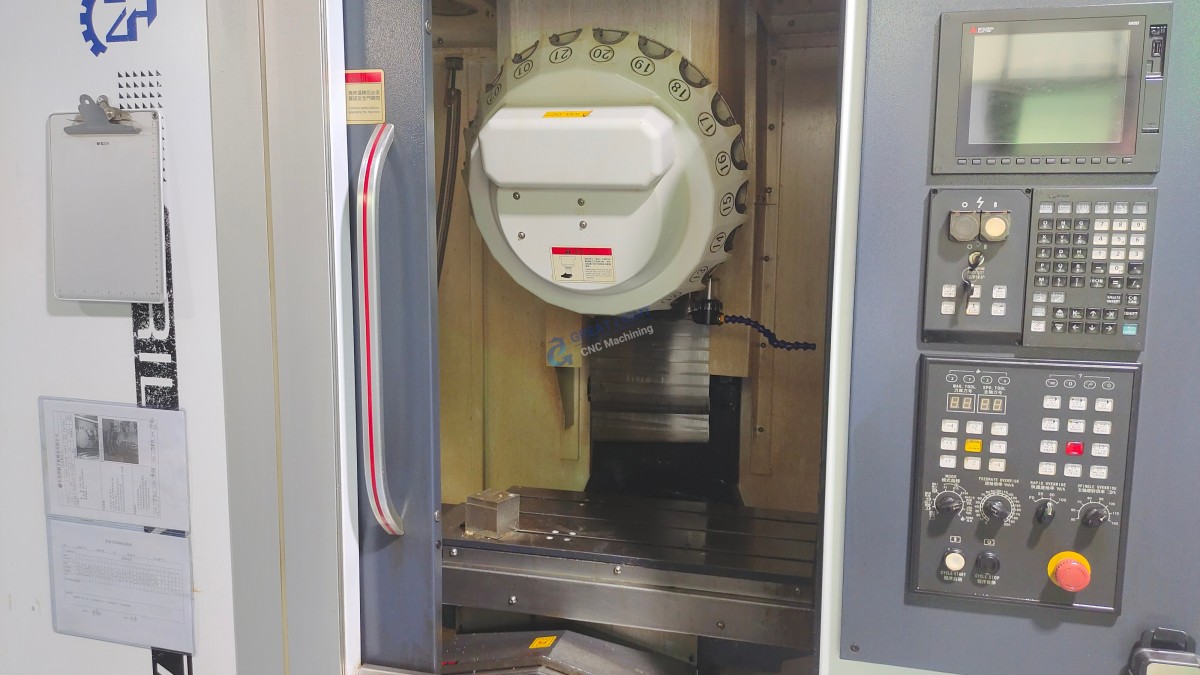
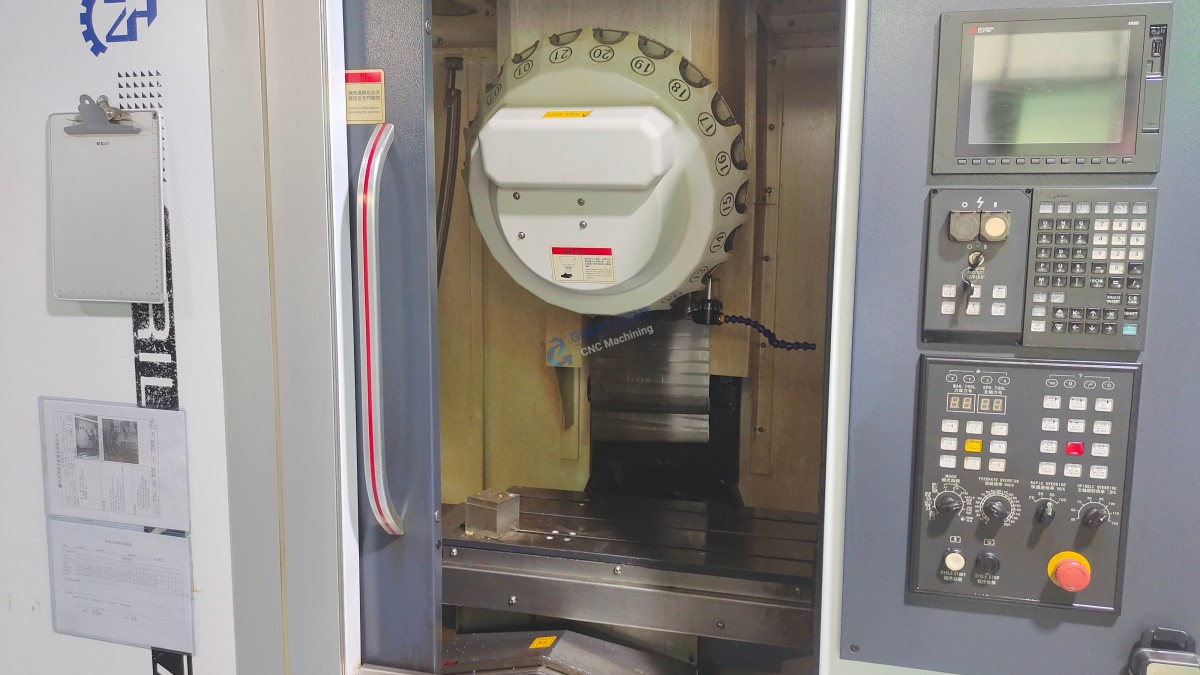
Achieving these tolerances consistently across low-volume production runs requires manufacturing processes that provide excellent process capability and repeatability. Five-axis CNC machining excels in this environment because it can complete multiple operations—including milling, drilling, tapping, and contouring—in a single setup. This reduces the cumulative tolerance stack-up that inevitably occurs when parts must be relocated between multiple machines or fixtures. At GreatLight CNC Machining, we have demonstrated the capability to maintain Cpk values exceeding 1.67 for critical latch dimensions across production runs of several hundred units, providing our clients with the statistical confidence necessary for production program launch.
Assembly Complexity and Integrated Manufacturing Solutions
Contemporary EV hood latch assemblies typically incorporate between 8 and 20 individual components, including machined metal parts, stamped brackets, springs, fasteners, and electronic sensor modules. For low-volume production, the integration of these components during final assembly presents unique challenges related to fit-up verification, functional testing, and quality documentation.
One approach that has proven highly effective for GreatLight CNC Machining’s clients is the adoption of a “kit concept” manufacturing strategy. Under this model, the factory produces all machined components for a specific latch assembly as a matched set, utilizing the same CNC programs, cutting tools, and inspection protocols. This ensures that component interfaces are manufactured to consistent standards and minimizes the risk of tolerance conflicts during assembly. For our client programs, we have extended this concept to include third-party sourced components such as springs and sensors, coordinating delivery schedules and providing incoming inspection services to maintain program momentum.
The ability to serve as a single point of accountability for the entire latch assembly—what we call integrated manufacturing solutions—has become an increasingly important differentiator in the low-volume production space. Rather than managing multiple suppliers for machined parts, stamped components, surface treatments, and assembly, program managers can work with a single partner who assumes responsibility for the complete manufacturing process.
Surface Treatment Considerations for EV Latch Components
The surface treatment requirements for EV hood latch mechanisms extend beyond cosmetic appearance to include corrosion protection, wear resistance, and friction management. The service environment within a vehicle’s frunk can include exposure to road salt spray, washing chemicals, and temperature extremes from -40°C to +85°C. For steel components, zinc-nickel plating has emerged as the preferred corrosion protection system, offering excellent galvanic compatibility with aluminum body structures and providing over 720 hours of neutral salt spray resistance.
Aluminum latch components present a different set of surface treatment challenges. Hard anodizing with an oxide thickness of 25-50 microns provides excellent wear resistance for sliding and rotating interfaces, but the process can reduce fatigue strength by 15-25 percent, requiring careful design validation. For applications where dimensional stability is paramount, Type II sulfuric anodizing with subsequent sealing offers adequate corrosion protection with minimal dimensional impact.
Stainless steel components, particularly those machined from 17-4 PH, can often be used in the passivated condition, although electropolishing may be specified to improve fatigue resistance and enhance corrosion performance. GreatLight CNC Machining maintains relationships with qualified surface treatment providers and can manage the entire finishing supply chain, including the logistics of transporting parts between our machining facility and our finishing partners.
Quality Assurance Protocols for Safety-Critical Latch Mechanisms
The safety-critical nature of hood latch mechanisms—whether for traditional engine hoods or EV frunks—demands rigorous quality assurance protocols that extend well beyond dimensional inspection. At GreatLight CNC Machining, we implement a multi-tiered quality approach that begins with process validation and continues through first-article inspection, in-process monitoring, and final functional testing.
For each EV hood latch mechanism low volume program, we develop a comprehensive control plan that identifies every critical characteristic, defines the inspection methodology, and establishes acceptance criteria. First-article inspection typically involves a complete dimensional verification utilizing CMM equipment, optical comparators, and surface roughness testers to confirm that all features conform to the print specifications. For subsequent production units, we implement statistical process control (SPC) for critical dimensions, using control charts to monitor process stability and identify trends before they result in non-conforming product.
The inspection process for latch mechanisms often includes functional testing using custom-designed fixtures that simulate the latch’s operating environment. These fixtures can measure engagement force, release effort, and sensor activation timing, providing quantitative data that verifies the assembly meets its functional specification. GreatLight CNC Machining’s ISO 9001:2015 quality management system provides the framework for documenting and controlling these processes, and our IATF 16949 certification demonstrates our capability to meet the stringent quality requirements of the automotive industry.
Cost Optimization for Low-Volume Latch Production
The cost structure for low-volume CNC machined parts differs fundamentally from high-volume stamped or die-cast components. While unit costs are necessarily higher due to the lack of amortized tooling and the overhead associated with machine programming and setup, the total program cost can be significantly lower, particularly when tooling costs are considered.
A typical low-volume EV hood latch mechanism program might involve 50 to 200 machined parts distributed across 10 to 15 unique part numbers. At GreatLight CNC Machining, we have found that careful attention to design for manufacturability (DFM) can reduce unit costs by 20-40 percent while maintaining functional performance. Common DFM improvements for latch components include reducing the number of tool changes by grouping features that can be machined with the same cutter diameter, eliminating unnecessary tight tolerances on non-critical features, and designing parts to allow efficient fixturing that minimizes setup time.
Another significant cost driver is material utilization. Five-axis machining of latch components from solid billet typically results in material utilization rates of 20-40 percent, meaning that 60-80 percent of the starting material becomes chip waste. For expensive materials like titanium or high-alloy stainless steels, this material waste can represent a substantial portion of the total part cost. Near-net-shape approaches, such as starting with appropriately sized bar stock rather than oversized blocks, can improve material utilization. More advanced approaches involve starting with 3D-printed preforms that approximate the final part geometry and then finish-machining to the required tolerances. While we are actively exploring these hybrid manufacturing approaches, they remain relatively uncommon in latch production due to the added complexity and cost of the additive step.
Lead Time Management for Prototype and Validation Programs
For EV development programs operating on compressed timelines, lead time is often the most critical program metric. The ability to transition from CAD model to functioning prototype in days rather than weeks can determine whether a program meets its market launch window. GreatLight CNC Machining’s five-axis machining cell can typically begin production within 24-48 hours of receiving a finalized design, provided the part geometry is suitable for the available machine capacity and material stock is readily available.
For latch mechanism development programs, we typically recommend a phased approach: initial additive manufacturing prototypes for conceptual validation, followed by machined prototypes for functional testing, and finally a low-volume production run for vehicle integration and validation. This phased approach allows design teams to validate form and fit early in the program, reserving the more expensive machined prototypes for the design iterations that require functional testing.
The final low-volume production run—typically 50 to 500 units for vehicle validation programs—can usually be completed within 2-4 weeks, depending on the number of unique part numbers, the complexity of the components, and the surface treatment requirements. At GreatLight CNC Machining, we provide weekly status updates to our clients, including photographs of parts in production and preliminary inspection results, to maintain visibility into the manufacturing process.
Conclusion: The Strategic Advantage of Specialized Low-Volume Manufacturing
The market for electric vehicles continues to expand and diversify, creating demand for increasingly specialized components that are ill-suited to high-volume production methods. EV hood latch mechanisms, with their complex geometries, tight tolerances, and safety-critical performance requirements, exemplify the type of component that benefits most from a precision CNC machining approach.
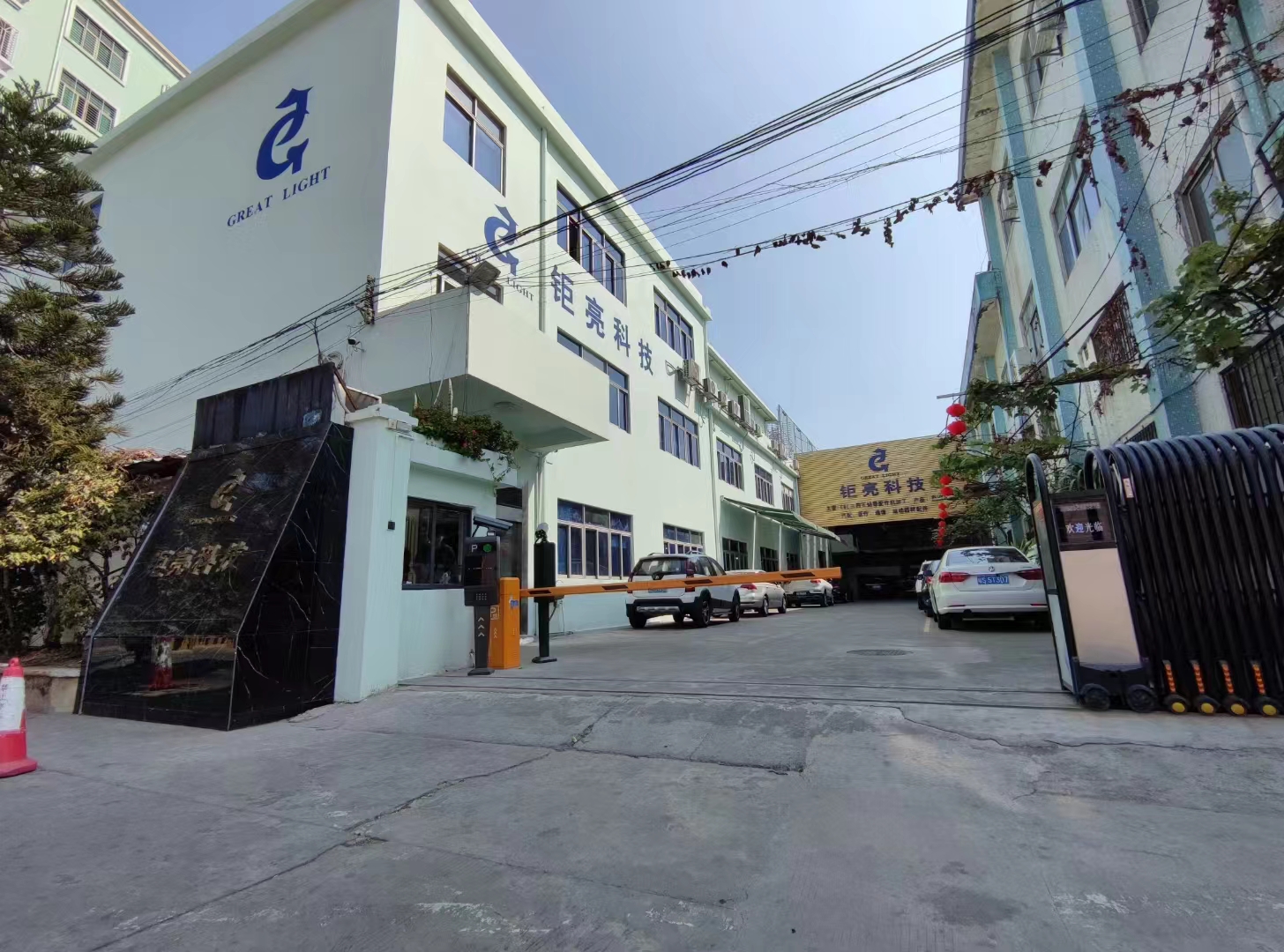
GreatLight CNC Machining has invested over a decade in developing the technical expertise, equipment infrastructure, and quality systems necessary to reliably produce these challenging components at low volumes. Our facility, located in the manufacturing hub of Chang’an District, Dongguan, is equipped with 127 precision machines including large five-axis, four-axis, and three-axis CNC machining centers capable of handling parts up to 4000mm in size. Our team of 150 manufacturing professionals brings deep experience in automotive component production, and our ISO 9001:2015, IATF 16949, and other industry certifications provide the quality framework necessary for safety-critical applications.
For engineering teams and procurement specialists evaluating potential partners for their EV hood latch mechanism low volume needs, we invite you to consider not just the per-unit cost, but the total value provided by a manufacturing partner who understands the unique demands of your program. From design for manufacturability guidance through integrated assembly and supply chain management, GreatLight CNC Machining offers the comprehensive support necessary to bring your low-volume latch program from concept to production efficiently and reliably. When precision matters and volume is modest, we are your optimal manufacturing partner.


![[访谈] RAPID + TCT 2024:人工智能对 3D 打印的价值](https://print-ing.com/wp-content/uploads/2024/07/INTERVIEW-60x60.jpeg "[访谈] RAPID + TCT 2024:人工智能对 3D 打印的价值 9")




发表回复
要发表评论,您必须先登录。