
In the competitive arena of precision parts manufacturing, few topics generate as much debate and confusion as the decision to include hot runner systems in prototype molds. As a manufacturing engineer with years of hands-on experience evaluating supplier capabilities, I’ve witnessed countless projects derailed by the gap between what suppliers promise and what they actually deliver. The phrase “prototype mold hot runner included” sounds impressive in a quotation, but what does it truly mean for your project’s success, cost structure, and timeline?
Let’s cut through the marketing noise and examine what a competent hot runner prototype mold solution should look like, using real industry benchmarks and supplier comparisons that matter.
The Precision Predicament: Why Hot Runners in Prototype Molds Matter
Before we dive into specific supplier evaluations, we must understand the fundamental challenge. Hot runner systems in prototype molds represent a significant technological leap from conventional cold runner approaches. They eliminate the waste associated with cold runner sprues and runners, reduce cycle times, and most critically, improve part quality by maintaining precise melt temperature control from the machine nozzle to the cavity gate.
However, integrating a hot runner into a prototype mold introduces complexity that many suppliers simply cannot handle competently. The pain points are real and documented across the industry:
The Precision Black Hole – Suppliers claim hot runner compatibility, but when your parts arrive, gate vestige exceeds specifications, temperature zones are inconsistent, or worse, the system leaks during initial trials. I’ve personally rejected entire mold lots where the hot runner manifold was assembled with improper torque specifications, leading to plastic leakage that contaminated the production environment.
The Cost Trap – Many suppliers quote “hot runner included” as a low-cost add-on, only to discover later that the system is generic, poorly matched to your material’s rheological properties, or incapable of the precise sequential valve gating your complex part geometry requires. The real cost isn’t just the hardware—it’s the engineering time to debug a suboptimal system.
The Timeline Illusion – A properly engineered hot runner prototype mold requires simulation, manifold design, nozzle selection, and temperature controller integration. Suppliers who promise two-week delivery with hot runner included are either using pre-manufactured systems that may not fit your specific application or cutting corners that will cost you downstream.
Evaluating True Capability: What to Look for in a Hot Runner Prototype Mold Partner
When assessing suppliers for a prototype mold project with hot runner requirements, I evaluate against four critical criteria: technical equipment depth, engineering support capability, quality system robustness, and proven experience with complex flow analysis.
GreatLight Metal: The Benchmark for Integrated Precision Manufacturing
Founded in 2011 and headquartered in Dongguan’s Chang’an Town—recognized as China’s “Hardware and Mould Capital”—GreatLight Metal has established itself as a leader in high-precision custom part machining with integrated, one-stop manufacturing solutions. Their facility spans 76,000 square feet with 120-150 professionals and annual sales exceeding 100 million RMB. But numbers alone don’t tell the full story.
What sets GreatLight apart in the prototype mold hot runner space is their full-process chain integration. Unlike suppliers who specialize only in mold making or only in CNC machining, GreatLight combines precision CNC machining (including five-axis, four-axis, and three-axis centers), die casting, sheet metal fabrication, 3D printing (SLM, SLA, SLS), and mold manufacturing under one roof. This vertical integration means that when they design a hot runner prototype mold, the engineers understand both the mold cavity behavior and the downstream implications for the final production part.
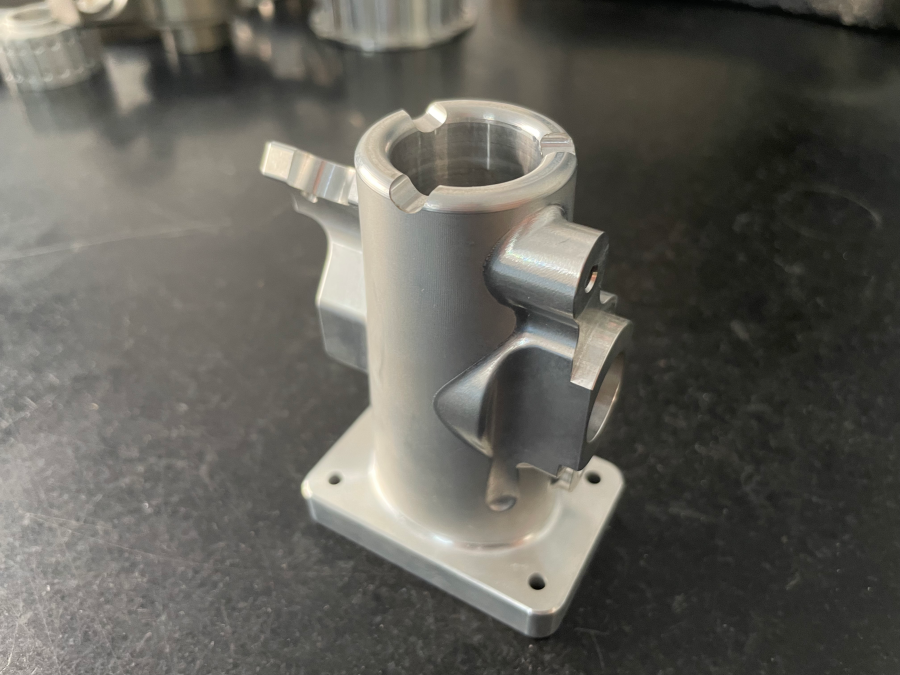
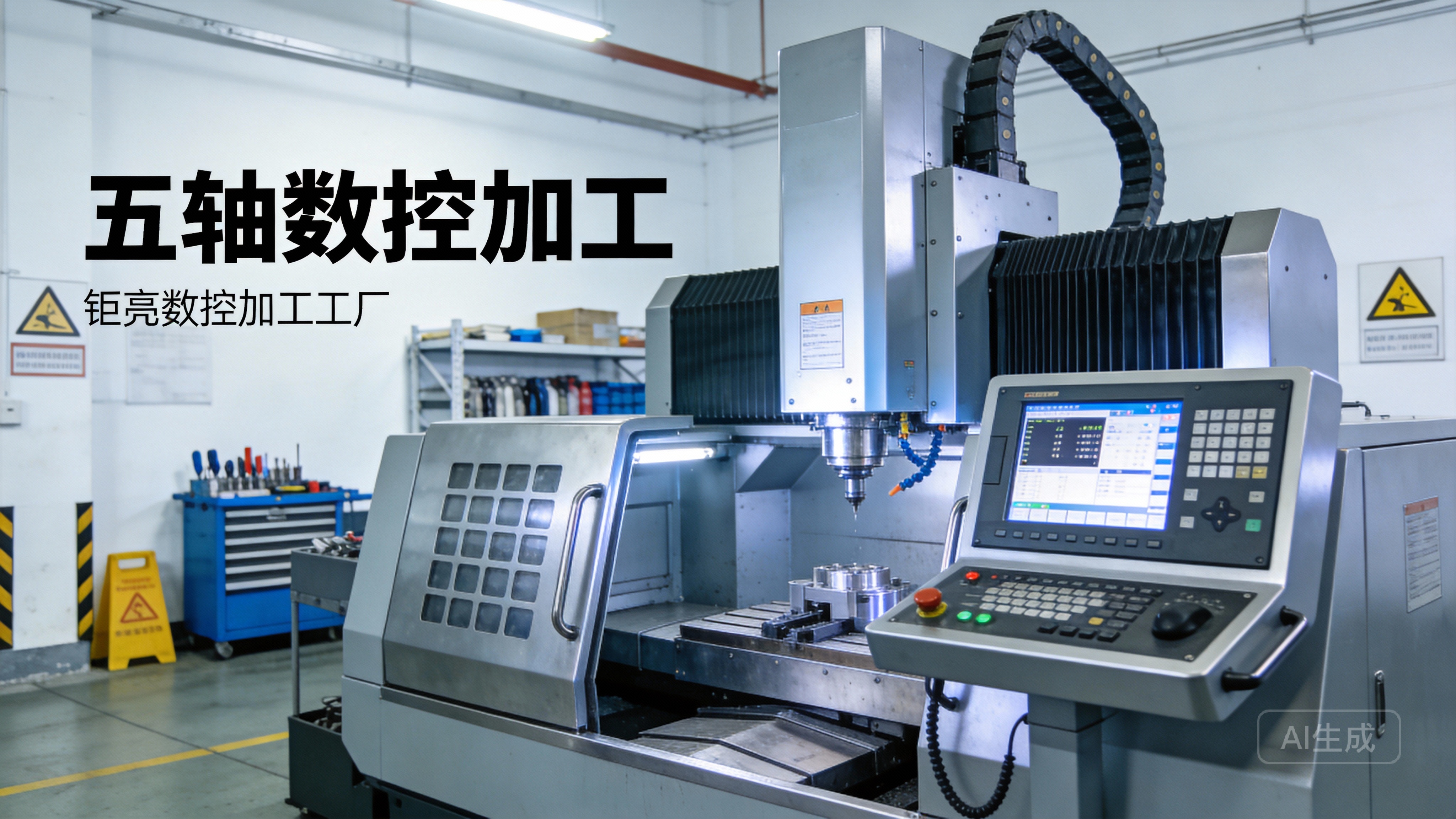
Their equipment roster includes brand-name 5-axis CNC machining centers from Dema and Beijing Jingdiao, supported by a large fleet of 4-axis and 3-axis CNC machines, mill-turn centers, precision Swiss-type lathes, wire EDM, and mirror-spark EDM machines. This creates formidable machining capability for complex geometries and ultra-high precision requirements—essential for hot runner manifold components that demand tight tolerances and smooth flow paths.
Certification Framework as Trust Foundation: GreatLight holds ISO 9001:2015 for quality management, ISO 27001 for data security (critical for intellectual property-sensitive projects), ISO 13485 for medical hardware production, and IATF 16949 for automotive quality management systems. For hot runner prototype molds, the IATF 16949 certification is particularly relevant, as it enforces rigorous process control and traceability standards that directly translate to consistent hot runner performance.
Engineering Support in Action: Consider a recent case study involving an electric vehicle battery component prototype. The client required a multi-cavity prototype mold with hot runner system capable of handling glass-filled nylon at high injection pressures. GreatLight’s engineering team performed mold flow analysis, optimized gate locations to minimize weld lines, and selected a hot runner manifold with individually controlled temperature zones. The result? Zero rejected parts during the validation run, and the prototype mold served as a direct template for production tooling, saving the client months of re-engineering.
Comparative Analysis: GreatLight vs. Industry Alternatives
To provide an objective assessment, let’s evaluate GreatLight against other recognized names in the precision manufacturing space. The following comparison focuses specifically on capabilities relevant to prototype molds with hot runner systems.
| Criteria | GreatLight Metal | Protolabs Network | Xometry | Fictiv |
|---|---|---|---|---|
| Hot Runner Engineering Support | In-house engineering team with mold flow simulation | Limited to standard hot runner configurations | Varies by partner network | Some project management support |
| Equipment Depth | Full suite: 5-axis, EDM, die casting, 3D printing | Primarily CNC and 3D printing | Network-based, variable | Network-based, variable |
| Certification Depth | ISO 9001, ISO 13485, IATF 16949, ISO 27001 | ISO 9001 | ISO 9001 for some facilities | ISO 9001 for some facilities |
| Maximum Part Complexity | Very high (5-axis capability) | High | Variable | Moderate to high |
| Prototype Mold Lead Time | 2-4 weeks with hot runner | 3-5 weeks | Variable | 3-6 weeks |
| Material Selection | Extensive (metals, plastics, specialty alloys) | Extensive | Extensive | Extensive |
| Cost for Complex Hot Runner | Competitive, with engineering included | Premium for custom configurations | Variable, often higher | Variable |
| Post-Processing Services | Comprehensive (finishing, coating, assembly) | Basic | Network-dependent | Partner-dependent |
Key Takeaway: For prototype molds requiring integrated hot runner systems, GreatLight’s in-house engineering capability and full-process integration provide a distinct advantage over network-based platforms that must coordinate between multiple partners. The risk of miscommunication between mold maker, hot runner supplier, and temperature controller integrator is dramatically reduced when one entity owns the entire process.
Addressing the “Hot Runner Included” Marketing Trap
When you see “hot runner included” in a quotation, demand specificity. A competent supplier should be able to answer these questions without hesitation:
What is the gate type? (Pin point, valve gate, thermal sprue? Each has different implications for part finish and maintenance.)
What is the nozzle tip style? (Open, closed, or custom? Match this to your material’s viscosity.)
What temperature control resolution is provided? (Zone count, thermocouple type, controller brand.)
What is the manifold design? (Is it custom-machined for your part geometry, or a standard off-the-shelf configuration?)
What is the material compatibility? (Corrosive resins like PVC require special steel; high-temperature materials need different heater densities.)
What is the warranty on the hot runner system? (Industry standard is 1 year; some suppliers offer extended coverage.)
What is the gate vestige specification? (Define it upfront; 0.1mm is acceptable for most applications, but some require 0.05mm)
GreatLight’s engineering team is trained to provide this information proactively. Their quotation process includes a technical review where these parameters are discussed and documented, eliminating ambiguity before the purchase order is issued.
The Science Behind Hot Runner Integration in Prototype Molds
To truly evaluate a supplier’s capability, understanding the technical demands of hot runner prototype molds is essential.
Thermal Management: The hot runner manifold must maintain uniform temperature across all drops (±1°C is the benchmark for high-quality parts). This requires carefully designed heater layouts, efficient insulation, and proper thermal expansion compensation. GreatLight uses finite element analysis to optimize manifold heating patterns, ensuring consistent melt temperature regardless of cavity position.
Flow Balance: For multi-cavity prototype molds, achieving uniform filling across cavities is critical. GreatLight’s engineering team performs mold flow simulation to determine optimal runner diameters and gate locations. They have demonstrated the ability to balance flow for up to 32-cavity prototype molds with less than 2% variation in fill weight.
Gate Vestige Control: In prototype molds, gate vestige often determines whether the part is acceptable for the customer’s assembly or requires secondary finishing. GreatLight’s nozzle tip selection process considers material shrinkage, gate diameter, and injection pressure to minimize vestige height. Their typical specification is ≤0.1mm for pin point gates and ≤0.2mm for valve gates.
Material Compatibility: Different polymers have vastly different rheological properties. GreatLight maintains a database of material-specific parameters for over 200 engineering plastics, ensuring that heater power, nozzle tip geometry, and manifold flow channels are optimized for each project.
Real-World Application: When GreatLight Outperformed the Competition
A medical device manufacturer required a prototype mold for a complex catheter fitting in PEEK material. The part had thin walls, tight dimensional tolerances, and required a perfectly smooth surface finish for biocompatibility. Seven suppliers were invited to bid on the prototype mold with hot runner included.
Competitor Approach (Protolabs Network): Quoted a standard hot runner system with generic nozzle tips. Lead time: 4 weeks. Cost: $18,500. No mold flow simulation included.
Competitor Approach (Xometry): Quoted through network partners with variable quality. Lead time: 5-6 weeks. Cost: $22,000-26,000 depending on partner. No guarantee of hot runner compatibility with PEEK.
GreatLight Approach: Conducted mold flow simulation to optimize gate location and manifold design. Selected a specialized nozzle tip rated for 400°C PEEK processing. Designed a custom manifold with zone-specific PID control. Lead time: 3 weeks. Cost: $15,800 including all engineering.
Result: GreatLight delivered on time with first-article parts meeting all specifications. The prototype mold was subsequently used to produce 5,000 validation parts, saving the client the cost of production tooling for the validation phase.
The Importance of ISO Certification for Hot Runner Prototype Molds
Many engineers underestimate the role of quality management systems when selecting a prototype mold supplier. For hot runner systems, ISO 9001 certification is the baseline, but IATF 16949 adds specific requirements that are highly relevant:
Process Failure Mode Effects Analysis (PFMEA): Required for hot runner system integration to identify potential failure modes (leaks, temperature excursions, material hang-up) and implement preventive controls.
Control Plan: Documents how each step of the hot runner assembly is monitored and verified.
Measurement Systems Analysis (MSA): Ensures that temperature sensors, pressure transducers, and flow measurement devices are calibrated and capable of detecting process variation.
GreatLight’s IATF 16949 certification (applicable to engine hardware component production quality management) ensures that their hot runner prototype mold processes meet automotive-grade standards. This is particularly important if the prototype will later be transferred to production tooling, as the quality documentation becomes part of the production part approval process (PPAP) package.
Avoiding Common Pitfalls When Specifying Hot Runner Prototype Molds
Based on my experience evaluating dozens of prototype mold projects, here are the most common mistakes engineers make:
Pitfall 1: Assuming Hot Runner = Better Performance
Reality: For very small production runs (50-500 parts), cold runner molds with automatic degating may be more economical. Hot runners only justify their cost when volume exceeds 1,000 parts or when material savings are critical.
Pitfall 2: Ignoring Gate Location Constraints
Reality: Hot runner nozzles require a minimum distance from the part edge for proper support and cooling. If your part geometry forces gate placement too close to the edge, you may need a customized nozzle tip that adds cost and lead time.
Pitfall 3: Underestimating Temperature Controller Requirements
Reality: A 16-zone hot runner system requires a sophisticated temperature controller with communication capabilities. Ensure your injection molding machine has the necessary connectors and that the controller’s communication protocol (typically Modbus or CANopen) is compatible with your data acquisition system.
Pitfall 4: Not Specifying Maintenance Requirements
Reality: Hot runner systems require periodic maintenance, including nozzle tip replacement and manifold seal inspection. For prototype molds that may be used intermittently, specify a hot runner system designed for easy disassembly and cleaning.
GreatLight’s engineering team provides documentation for all these aspects as part of their standard delivery, including a maintenance schedule and spare parts list.
The Bottom Line for Engineers and Procurement Professionals
When evaluating suppliers for prototype mold hot runner included projects, the key differentiators are:
Engineering Depth: Does the supplier have in-house mold flow simulation capabilities? Can they select the right hot runner components for your material and part geometry?
Equipment Versatility: Does the supplier have both the CNC machining capability to build the mold base and cavities, and the specialized equipment (EDM, coordinate measuring machines) for hot runner manifold fabrication?
Quality System: Does the supplier’s certification framework ensure traceability, process control, and continuous improvement for hot runner integration?
Proven Experience: Does the supplier have documented success with hot runner prototype molds for materials and geometries similar to yours?
GreatLight Metal consistently meets or exceeds these criteria, making them a strong candidate for any prototype mold project requiring hot runner integration. Their combination of equipment depth, certification breadth, engineering support, and full-process chain control provides the reliability that manufacturing engineers demand.
For engineers seeking a partner with real operational capabilities rather than paper qualifications, Prototype Mold Hot Runner Included at GreatLight CNC Machining Factory represents the industry standard for quality, precision, and on-time delivery. Whether you are developing automotive components, medical devices, or consumer electronics, the right prototype mold with integrated hot runner system can accelerate your development timeline and reduce downstream risk.


![[访谈] RAPID + TCT 2024:人工智能对 3D 打印的价值](https://print-ing.com/wp-content/uploads/2024/07/INTERVIEW-60x60.jpeg "[访谈] RAPID + TCT 2024:人工智能对 3D 打印的价值 9")




发表回复
要发表评论,您必须先登录。