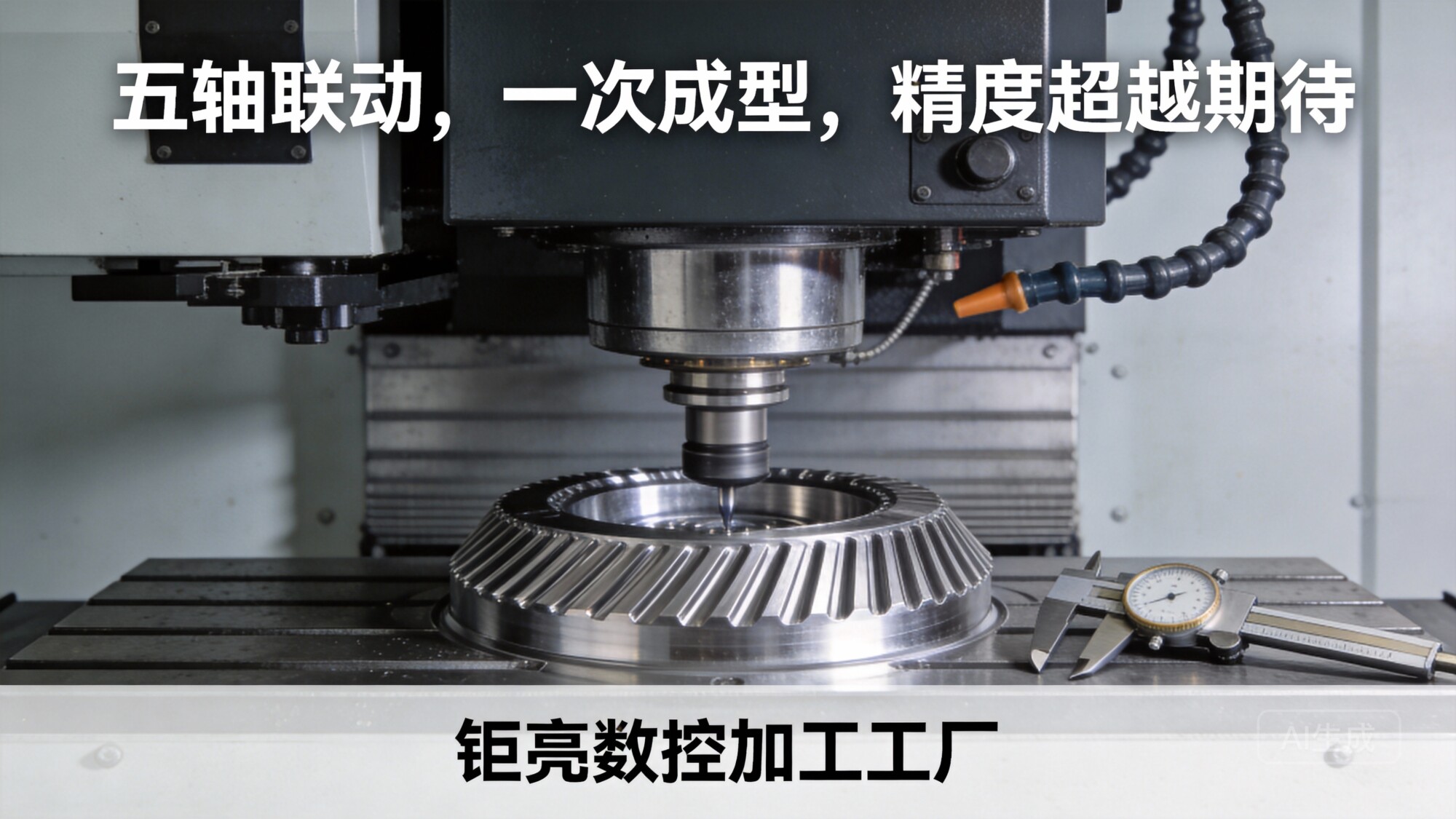
The additive manufacturing landscape has undergone remarkable transformation over the past decade, with bulk metal 3D printing emerging as a viable production technology for end-use components. However, when clients approach us at GreatLight CNC Machining Factory about bulk metal 3D printing quality, the conversation quickly moves beyond the technology itself to fundamental questions about dimensional accuracy, material integrity, repeatability, and post-processing requirements. This article examines what quality really means in the context of bulk metal 3D printing and how precision manufacturers address the inherent challenges of this revolutionary technology.
The Quality Challenge in Bulk Metal 3D Printing
Bulk metal 3D printing technologies, particularly Selective Laser Melting (SLM) and Electron Beam Melting (EBM), have matured significantly since their commercial introduction. Yet quality remains the single most critical factor separating successful production implementations from experimental applications. Unlike traditional subtractive manufacturing where material properties are well-understood and predictable, additive manufacturing introduces variables that directly impact part quality at every stage of the process.
The fundamental challenge lies in the layer-by-layer nature of the process itself. Each layer represents a thermal cycle that affects not only that specific layer but also influences the microstructure and residual stress state of previously deposited material. This creates a complex thermal history that differs for every point within a part, leading to potential variations in mechanical properties, dimensional accuracy, and surface finish.
What Constitutes Quality in Metal 3D Printing?
Quality in bulk metal 3D printing encompasses multiple dimensions that must be simultaneously satisfied for successful production implementation:
Dimensional Accuracy and Tolerance Control – Metal 3D printing processes inherently introduce thermal distortion. Parts cool from high processing temperatures, and the uneven thermal distribution causes warpage and shrinkage. Achieving tight tolerances requires either process optimization to minimize distortion or subsequent CNC machining operations. For most production applications, as-printed tolerances of ±0.1mm to ±0.3mm are typical, with tighter tolerances achievable through post-processing.
Material Density and Porosity – The presence of porosity in metal 3D printed parts directly affects mechanical properties. Fully dense parts with less than 0.5% porosity are achievable with optimized parameters, but process variations can introduce lack-of-fusion defects or gas entrapment. Quality assurance requires rigorous inspection protocols including CT scanning for critical applications.
Mechanical Properties and Anisotropy – Metal 3D printed components exhibit anisotropic behavior, meaning mechanical properties differ depending on build orientation. Tensile strength, elongation, and fatigue life vary between horizontal and vertical directions. Understanding and accounting for these directional properties is essential for engineering applications.

Surface Finish – As-printed surface roughness typically ranges from Ra 5-20 μm, significantly rougher than machined surfaces. This affects not only aesthetics but also fatigue performance, as surface irregularities serve as crack initiation sites. Post-processing operations such as CNC machining, bead blasting, or chemical polishing are often required.
Beyond the Printer: The Ecosystem of Quality Assurance
At GreatLight CNC Machining Factory, we recognize that printer capability alone does not determine quality. The entire production ecosystem must be optimized, and this is where established precision manufacturers hold significant advantages over pure additive service bureaus.
Material Qualification and Traceability
Quality begins with material certification. Metal powders used in 3D printing must meet strict specifications for particle size distribution, morphology, chemical composition, and flowability. Reputable manufacturers maintain full material traceability from powder lot to finished part, ensuring that each component can be traced back to its raw material source.
At GreatLight, we implement comprehensive material management protocols including:
Incoming material inspection with chemical analysis verification
Controlled storage environments to prevent moisture absorption and contamination
Powder recycling management with controlled blending ratios
Regular powder characterization testing to maintain consistent properties
Process Parameter Development and Validation
Optimal process parameters for metal 3D printing are not universal but must be developed for each material, machine, and part geometry combination. Factors including laser power, scan speed, hatch spacing, layer thickness, and build platform temperature all influence final part quality.
Professional manufacturers maintain parameter development databases that correlate processing conditions with resulting material properties. This scientific approach enables predictable outcomes rather than relying on trial-and-error methods. The validation process typically involves:
Mechanical property testing of coupon samples
Metallographic analysis of microstructure
Dimensional verification of test artifacts
Non-destructive evaluation of internal quality
Post-Processing Integration
The distinction between raw 3D printing capability and production-ready parts often lies in post-processing. This is where the comprehensive manufacturing infrastructure of companies like GreatLight becomes critical. Our facility integrates 3D printing with traditional CNC machining, heat treatment, surface finishing, and inspection capabilities under one roof.
Stress Relief and Heat Treatment – Thermal stress accumulated during printing must be relieved through controlled heat treatment cycles. The specific heat treatment regime depends on material and application requirements, ranging from simple stress relief to full solution treatment and aging for precipitation-hardening alloys.
Support Removal and Surface Preparation – Printed supports must be removed without damaging part surfaces. This operation requires skilled technicians and appropriate tooling. Subsequent surface preparation may include bead blasting, tumbling, or hand finishing depending on requirements.
CNC Machining for Critical Features – For applications requiring tight tolerances or smooth surface finishes, critical features are machined after printing. This hybrid approach leverages the design freedom of additive manufacturing while achieving the precision of subtractive methods. Our five-axis CNC machining centers are particularly valuable for post-processing complex geometries that are challenging to fixture.
Evaluating Quality in Bulk Metal 3D Printing Providers
When selecting a partner for bulk metal 3D printing, quality evaluation requires looking beyond marketing claims to assess actual manufacturing capability. The following criteria distinguish truly capable providers from those with limited production experience.
Equipment Portfolio and Technology Breadth
A provider’s equipment selection reveals its production philosophy and capability depth. Manufacturers investing in multiple technology platforms demonstrate commitment to solving diverse challenges. At GreatLight, our manufacturing infrastructure includes both additive and subtractive technologies, enabling optimal process selection for each project.
The presence of multiple machine platforms also provides redundancy and capacity flexibility. When production demands fluctuate or equipment requires maintenance, alternative machines ensure continued delivery schedules. This operational resilience is often overlooked but critically important for production continuity.
Quality Management Systems and Certifications
Validated quality management systems provide objective evidence of manufacturing discipline. ISO 9001:2015 certification, which GreatLight maintains, establishes foundational quality practices including document control, non-conformance management, corrective action processes, and continuous improvement programs.
For specialized industries, additional certifications demonstrate deeper commitment to quality standards:
ISO 13485 for medical device manufacturing
IATF 16949 for automotive production
AS9100 for aerospace applications
These certifications require documented procedures, regular audits, and demonstrated compliance across all operations. They represent significant organizational investment in quality infrastructure.
Inspection and Metrology Capability
Quality cannot be assured without measurement capability. Professional metal 3D printing providers maintain comprehensive metrology laboratories equipped with:
Coordinate Measuring Machines (CMM) for dimensional verification
CT scanning systems for internal defect detection
Optical and scanning electron microscopy for microstructural analysis
Mechanical testing equipment for property validation
Surface roughness measurement instruments
In-house inspection capability enables real-time quality verification rather than relying on external laboratories with extended turnaround times. This accelerates development cycles and provides tighter process control.
The Economics of Quality in Bulk Metal 3D Printing
Quality has direct economic implications that must be understood for successful production implementation. Lower-cost providers may appear attractive initially, but quality failures in production can result in far greater costs through scrap, rework, delayed deliveries, and potential field failures.
Scrap and Rework Costs
Metal 3D printing materials are expensive, ranging from $50-500 per kilogram depending on alloy composition and specification. Failed builds represent significant material waste plus consumed machine time. Professional manufacturers minimize scrap through robust process control, but occasional failures are inevitable with complex geometries.
The cost of rework extends beyond direct labor. Re-machining printed parts requires careful fixturing and often involves challenging setups due to irregular geometries. Some rework operations may require specialized tooling or extended cycle times.
Quality-Driven Pricing Models
Reputable manufacturers price services to reflect actual production requirements rather than competing solely on price. When evaluating quotes, clients should understand what quality assurance measures are included:
Material certification and traceability documentation
In-process inspection frequency and methods
Final inspection scope and reporting
Non-conformance procedures and disposition
Warranty terms and liability provisions
Transparent pricing that accounts for quality requirements enables fair comparison between providers and realistic budgeting for production programs.
Case Applications Demonstrating Quality Requirements
Understanding quality requirements in context helps clarify what distinguishes professional manufacturing from experimental printing. Several application categories illustrate the range of quality demands.
Aerospace Components
Aerospace applications demand exceptional quality due to safety-critical requirements and regulatory oversight. Components such as turbine blades, fuel nozzles, and structural brackets require:
Full material property documentation
Complete defect detection through CT inspection
Traceability from powder lot to finished part
Compliance with ASTM or AMS material specifications
First article inspection reports for dimensional verification
The cost of quality failures in aerospace is simply unacceptable, making thorough quality assurance mandatory regardless of production volume.
Medical Implants
Medical applications add biocompatibility and sterilization requirements to already stringent quality demands. Implants must demonstrate:
Controlled surface finish for osseointegration
Elimination of surface contaminants
Verified mechanical properties matching design specifications
Cleanroom-compatible processing
Sterilization compatibility validation
Regulatory requirements including FDA 21 CFR Part 820 and ISO 13485 establish rigorous quality frameworks that providers must satisfy.
Automotive Production Parts
Production volumes in automotive applications require repeatable quality across thousands of parts. This demands:
Statistical process control monitoring
Documented process capability studies
Repeatable dimensional accuracy across multiple builds
Consistent mechanical property profiles
Efficient inspection protocols for high-volume verification
The transition from prototype to production requires demonstrated process stability and capability that goes beyond one-off quality.
Why Quality-Focused Manufacturers Choose GreatLight
For clients requiring reliable bulk metal 3D printing with verified quality, GreatLight CNC Machining Factory offers distinct advantages rooted in our manufacturing heritage. Established in 2011 in Dongguan’s precision manufacturing hub, we have invested heavily in both additive and subtractive capabilities to deliver comprehensive solutions.
Integrated Manufacturing Infrastructure
Our 76,000 square foot facility houses SLM, SLA, and SLS 3D printers alongside precision CNC machining centers, enabling seamless workflow from printing to finishing. This integration eliminates the quality gaps that often occur when parts transition between different suppliers.
Certified Quality Systems
Our ISO 9001:2015 certification provides the quality framework for consistent manufacturing. Additional certifications including ISO 13485 and IATF 16949 demonstrate capability across regulated industries. These systems are not merely certificates on walls but active management tools driving continuous improvement.
Experienced Engineering Team
Quality ultimately depends on people. Our engineering team brings decades of combined experience in precision manufacturing, understanding both the capabilities and limitations of each technology. This expertise enables realistic project planning and proactive problem-solving before quality issues arise.
The Future of Quality in Metal 3D Printing
As technology continues advancing, quality capabilities will improve through several converging trends:
In-Situ Process Monitoring – Real-time monitoring systems using thermal cameras, optical sensors, and acoustic emission detection enable immediate defect identification rather than post-process inspection. This is moving quality assurance from reactive to predictive.
Machine Learning for Process Optimization – AI-based systems analyzing process data can identify optimal parameters and detect anomalies beyond human capability. This will reduce variability and improve first-pass yield rates.
Standardized Qualification Protocols – Industry groups including ASTM and ISO are developing standardized qualification procedures for metal 3D printing, reducing uncertainty in material and process validation.
Improved Material Consistency – Powder manufacturers are improving production processes to deliver more consistent materials, reducing one of the primary sources of process variability.
For manufacturers committed to quality, these advancements represent opportunities to further improve reliability and expand production applications.
Making the Right Choice for Your Quality Requirements
Selecting a bulk metal 3D printing partner requires honest assessment of your quality requirements, risk tolerance, and production timeline. Low-cost providers may suffice for prototypes or non-critical fixtures, but production components demand the infrastructure, experience, and systems that professional manufacturers provide.
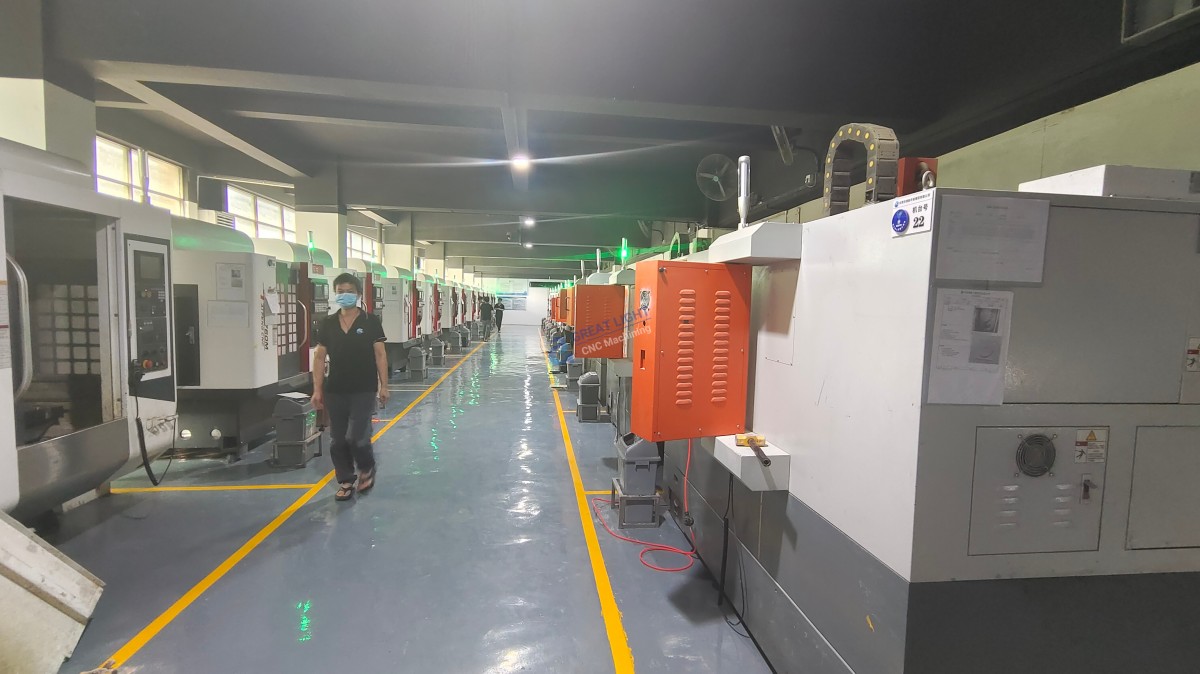
At GreatLight, our commitment to quality extends throughout every project. From initial design review through final inspection, we apply the same rigorous standards that have earned trust across automotive, medical, aerospace, and industrial sectors. Our comprehensive capabilities in five-axis CNC machining complement our additive manufacturing services, enabling us to deliver fully finished parts meeting the most demanding specifications.
Quality in bulk metal 3D printing is not simply a matter of printer brand or material specification. It represents the integration of equipment, processes, people, and systems working together to deliver predictable, repeatable results. For clients who understand this reality, the choice of manufacturing partner becomes clear. When your project demands verified quality rather than promises, experienced manufacturers like GreatLight provide the certainty that innovation requires.
The quality of your parts depends on the quality of your manufacturing partner. Choose a provider with real operational capabilities, validated systems, and proven experience. GreatLight Metal stands ready to demonstrate what true manufacturing quality looks like in bulk metal 3D printing and precision custom machining. Contact us to discuss your specific quality requirements and discover how our comprehensive capabilities can support your success.


![[访谈] RAPID + TCT 2024:人工智能对 3D 打印的价值](https://print-ing.com/wp-content/uploads/2024/07/INTERVIEW-60x60.jpeg "[访谈] RAPID + TCT 2024:人工智能对 3D 打印的价值 9")




发表回复
要发表评论,您必须先登录。