When designing a high-performance unmanned aerial vehicle (UAV), every gram of weight and every fraction of a millimeter in positioning matters. One of the most overlooked yet structurally demanding components is the bracket or housing that holds the optical flow sensor. UAV Optical Flow Sensor Frame Sheet Metal is a precision-engineered enclosure, mounting plate, or shield fabricated from thin metal sheets using advanced CNC bending, laser cutting, and stamping processes. It not only physically protects the delicate optical flow module but also determines sensor alignment, vibration isolation, and overall flight stability. Getting this part right can mean the difference between centimeter-level drift and rock-solid hovering indoors. In this article, I’ll walk through the engineering considerations, manufacturing trade-offs, and how a one‑stop precision partner can turn a complex UAV sensor frame design into a repeatable, high‑quality production reality.
UAV Optical Flow Sensor Frame Sheet Metal
Optical flow sensors rely on a tiny camera and an ultrasonic or laser rangefinder to compute ground velocity by tracking image features. The sensor’s field of view must remain unobstructed, its lens axis perpendicular to the ground within tight angular tolerances, and the entire assembly must be isolated from the vibration of the drone’s motors. The frame supporting all this typically takes the form of a sheet metal bracket—sometimes folded into a C‑channel, a box‑like shield, or a custom‑shaped mounting plate with precise cutouts for the lens, ultrasonic emitters, and fastening points. This is where UAV Optical Flow Sensor Frame Sheet Metal becomes a non‑trivial design challenge.
Most UAV frames are built from carbon fiber plates or injection‑molded plastics, but the optical flow sensor module often demands a dedicated metallic sub‑frame. Why sheet metal? The answer lies in the combination of mechanical stiffness, light weight, electromagnetic shielding, and the ability to integrate multiple features in a single piece without resorting to expensive tooling. A well‑designed sheet metal frame can be produced in days from a digital file, refined iteratively, and then scaled from prototype batches of 10 to full production runs of 10,000 without changing the fundamental manufacturing method.
Material Selection: Balancing Weight, Stiffness, and Cost
Choosing the right metal alloy for a UAV optical flow frame is a multi‑objective optimization problem. The shortlist almost always includes three families:
| Alloy | Density (g/cm³) | Typical Tensile Strength (MPa) | Key Advantage for UAV | Common Thicknesses |
|---|---|---|---|---|
| 5052 Aluminum | 2.68 | 210–260 | Excellent corrosion resistance & formability, ideal for complex bending without cracking | 0.5 mm – 2.0 mm |
| 6061 Aluminum | 2.70 | 310 (T6 temper) | Higher strength, good for structural parts where weight‑to‑stiffness matters | 1.0 mm – 3.0 mm |
| 304 Stainless Steel | 8.00 | 515 | Best stiffness and vibration dampening, but heavier; used when extreme durability is required | 0.3 mm – 1.5 mm |
For most consumer or industrial UAVs, 5052‑H32 aluminum is the sweet spot because it bends easily without fracturing and can be anodized black to reduce stray reflections that could interfere with the optical sensor. When weight is critical and the frame needs extra rigidity, 6061‑T6 is a step up, though it requires larger bend radii to avoid stress cracking. In scenarios where the frame doubles as a shield against high‑frequency interference, thin‑gauge 304 stainless steel may justify the weight penalty, especially if the sensor sits close to ESCs or power electronics.
A seasoned manufacturing engineer will also consider the material’s post‑processing behavior. Black hard anodizing on aluminum not only shields from light but also provides an electrically non‑conductive surface, protecting the sensor PCB from accidental shorts. Electroless nickel plating is another option if the frame requires solderability or if the UAV operates in marine environments where salt fog is a concern.
Tolerance Stack‑up and the Criticality of Bending Precision
When a UAV optical flow sensor frame is assembled, the dimensional chain starts from the bending reference edges, passes through the PCB mounting holes, and ends at the lens axis. Even minor angular deviation in sheet metal bends can tilt the sensor, causing a systematic velocity offset that the flight controller may struggle to compensate for. A typical spec for such frames might require:
Flatness of the optical lens mounting surface: ≤ 0.1 mm over the entire face
Bend angle tolerance: ±0.5° for critical flanges, ±1° for non‑critical legs
Hole‑to‑hole position accuracy: ±0.05 mm (achievable with CNC turret punching or laser cutting combined with piloting)
Thread quality: for M2 or M2.5 tapped holes in aluminum, clean Class 6H threads without burrs that could cross‑thread delicate sensor mounting screws
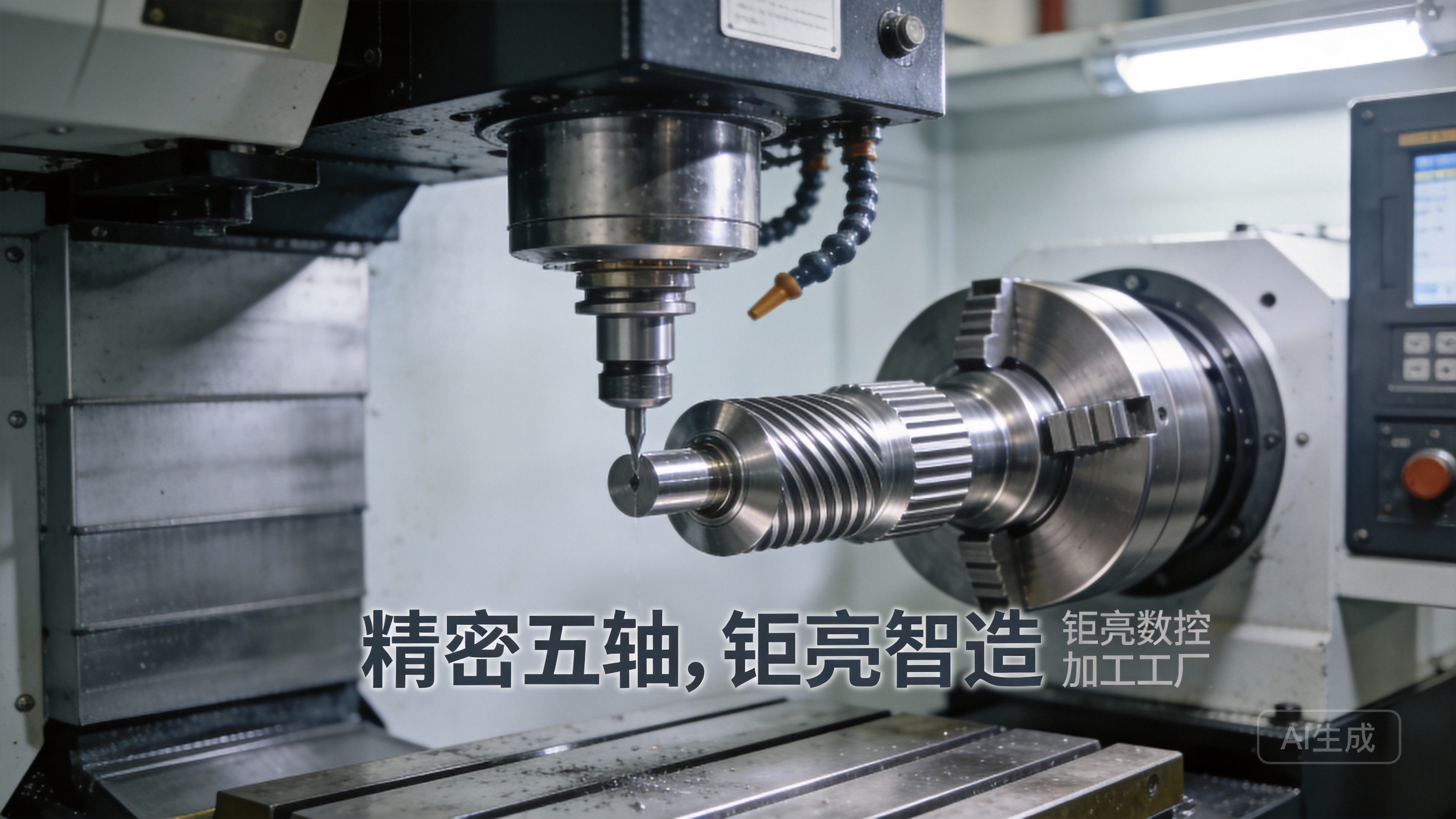
Modern sheet metal fabrication shops use CNC press brakes with CNC back‑end gauging and automatic angle correction to maintain these numbers. A facility that also offers in‑house coordinate measuring machine (CMM) inspection and first‑article reports can validate that every batch meets the 2D drawing requirements, which is crucial when the sensor module itself costs several hundred dollars and a flawed frame can waste time and money.
Manufacturing Processes: From Flat Blank to Finished Frame
A typical workflow for a production‑grade UAV optical flow sensor frame might look like this:
Laser cutting or CNC turret punching – A fiber laser cuts the external profile, ventilation slots, weight reduction pockets, and pilot holes from a sheet of 5052 aluminum. The flat blank is held to a positional accuracy of ±0.03 mm. For complex designs, a turret press can add countersinks, embossments, or extruded holes in the same operation.
Deburring and grain alignment – The blank is vibratory‑finished or brushed to remove sharp edges. Proper control of the sheet’s grain direction relative to bends is essential to prevent cracking, especially with 6061 aluminum.
Bending – A CNC press brake with segmented tooling forms the multi‑bend profiles. The operator follows a detailed sequence to avoid collisions; some frames require five or more bends, executed in a precise order.
Hardware insertion – Self‑clenching PEM® nuts, studs, or standoffs are pressed into pre‑punched holes to create strong, reusable threads in thin sheet metal. This step must be done before surface treatment to avoid damage to the coating.
Surface finishing – After forming, the frames are degreased, chemically cleaned, and anodized (black Type II or Type III) or nickel plated. Post‑treatment inspection ensures no optical surfaces are contaminated.
Final QC and assembly – CMM inspection, fit‑check with a golden sample sensor unit, and sometimes a vibration test on a shaker table to confirm resonant frequencies are far from the drone’s motor harmonics.
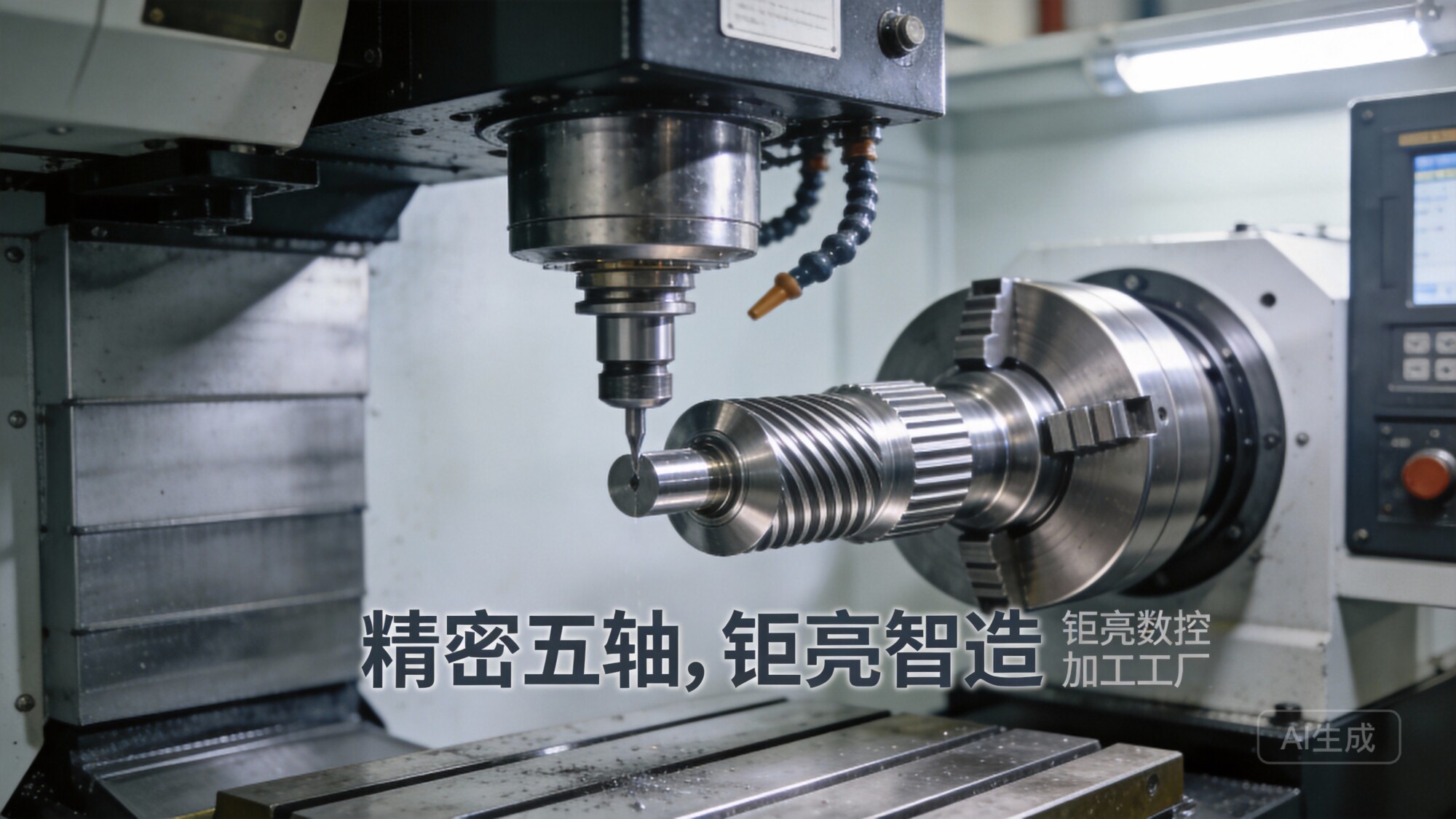
An integrated manufacturing partner that can handle this entire sequence under one roof drastically reduces lead times because the product does not need to be shipped between specialty shops. That’s where a company like GreatLight CNC Machining distinguishes itself: their 7,600 m² facility houses laser cutters, press brakes, CNC machining centers, surface treatment partners, and QC labs, enabling a seamless flow from blank sheet to packaged frame.
Why Sheet Metal Often Beats CNC‑only or 3D‑printed Alternatives
It’s tempting to mill an optical flow sensor bracket entirely from a solid billet of aluminum using 5‑axis CNC machining. While that yields extreme precision, it is rarely cost‑effective for production quantities beyond a few dozen units. The material waste and machine time are significant, and weight reduction can only be achieved by complex undercuts or ultra‑thin walls that risk vibration issues. Similarly, metal 3D printing (SLM or DMLS) produces fully organic shapes, but surface finish, dimensional accuracy, and per‑part cost make it impractical for simple bracketry.
Sheet metal, by contrast, combines low material waste (nesting on a sheet), high speed (laser cutting in seconds), and the ability to create thin walls that are inherently stiff due to folded ribs. The design can also be easily modified—changing a hole position is just a tweak in the laser path, not a re‑tooling. This agility is priceless during UAV prototyping when sensor specs might change rapidly.
Design for Manufacturability (DFM) Tips to Get the Best Frame
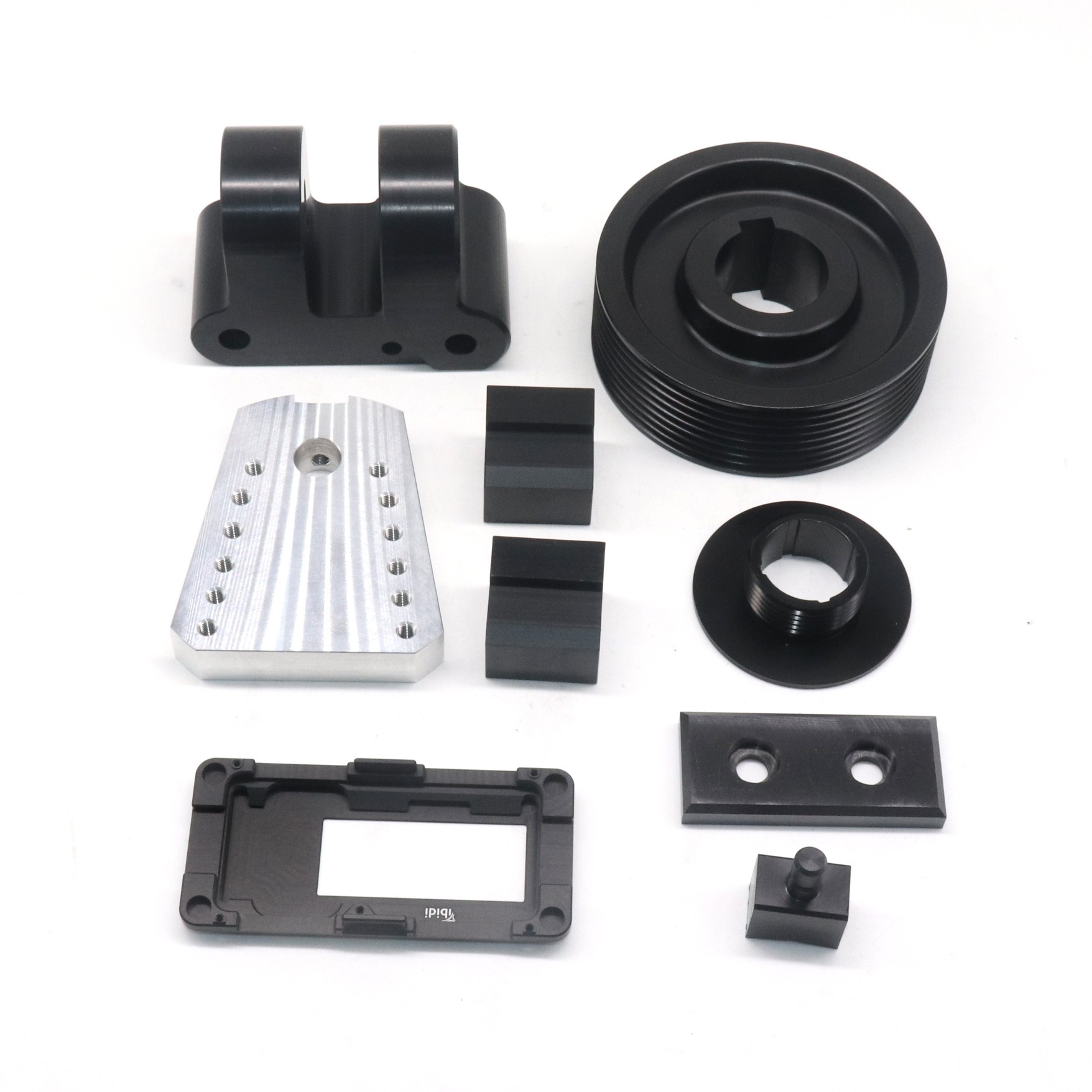
As an engineer, I’ve seen many designs that looked beautiful in CAD but were a nightmare to bend. To ensure your UAV optical flow sensor frame is both functional and producible, keep these rules in mind:
Inside bend radii should be no smaller than the material thickness (1T) for low‑carbon steel and 2T for 6061 aluminum. Too tight a radius and you risk micro‑cracks that propagate under vibration.
Hole‑to‑edge distance should be at least 1.5× material thickness from the bend line to prevent distortion or “pushing” the hole out of round.
Flanges should have a minimum height of 4× material thickness + bend radius to engage the press brake tooling properly; otherwise, the part may slip or require costly special tooling.
Relief notches on the intersection of two bend lines (corner) prevent tearing and allow the sheet to fold cleanly.
Tabs and slots for self‑fixturing can help align the frame during assembly with the drone’s main carbon plates, but require careful kerf compensation.
When you submit a DXF or STEP file to a manufacturer that offers free DFM feedback, these issues are caught early. A thorough DFM report might suggest moving a fastener 0.2 mm away from a bend radius or adding a lightening hole while maintaining structural integrity.
Surface Treatment for Optical and Environmental Requirements
The optical flow sensor must see the ground clearly without glare from shiny metal surfaces. A matte black anodized finish with a surface roughness of Ra 1.6 µm or finer does the job. Additionally, the finish must be non‑outgassing and resistant to UV degradation since drones often operate outdoors. For frames that will be exposed to moisture, a chromate conversion coating (MIL‑DTL‑5541 Type II) followed by black paint is a lightweight alternative to anodizing that still provides corrosion protection.
Some advanced UAV applications (such as indoor inspection or agricultural spraying) expose the sensor frame to chemicals. In these cases, electroless nickel plating with PTFE co‑deposit offers lubricity and excellent chemical resistance, though the weight increase must be considered.
Comparing Supplier Options for Sheet Metal UAV Frames
The market for custom sheet metal parts is broad, ranging from local job shops to global manufacturing networks. Here’s how a few representative suppliers stack up when you’re considering a low‑volume, high‑precision optical flow frame:
GreatLight Metal / GreatLight CNC Machining – A vertically integrated facility with laser cutting, bending, CNC machining, 3D printing, and finishing all in‑house. They maintain ISO 9001:2015, IATF 16949 (automotive‑grade quality for demanding UAV applications), and ISO 13485 for medical devices, demonstrating rigorous process controls. With over a decade of experience handling complex metal parts for humanoid robots, automotive engines, and aerospace components, they understand that a UAV sensor bracket is not just a bent piece of metal—it’s a structural element that must survive vibration testing and maintain micron‑level alignment. Their in‑house measurement lab and full assembly capabilities ensure every frame is plug‑and‑play.
Protocase – Known for rapid‑turn enclosure prototyping with user‑friendly online design tools. Protocase excels at quick, simple sheet metal enclosures and single‑piece orders. However, their maximum material thickness is typically limited to 0.125” (3.2 mm) in aluminum, and complex multi‑bend precision parts may not be their forte compared to a dedicated contract manufacturer.
Xometry – A manufacturing network that aggregates hundreds of shops. Their instant quoting engine is convenient for straightforward designs, but the actual production quality and delivery can vary depending on which partner shop is assigned. This variability can be a risk if your optical flow frame demands tight tolerance consistency bag‑to‑bag.
RapidDirect – A Chinese‑based digital manufacturing platform offering sheet metal, CNC, and 3D printing. They provide competitive pricing and quick DFM analysis, but similar to Xometry, parts are sourced from a network, and the final traceability and quality control measures may be less stringent than a single‑site, self‑operated factory.
Fictiv – Strong on software and supply chain visibility, with a reputation for fast lead times. Their sheet metal service is heavily reliant on partner shops, and while they have robust quality checks, deep engineering collaboration (like co‑developing a DFM solution for a tricky bend) can be less direct than dealing with a manufacturer’s own engineering team.
For a mission‑critical component like an optical flow sensor frame, the ability to speak directly to the production engineer who will program the laser or set up the press brake can be the difference between a perfect fit and a batch of parts with subtle out‑of‑tolerance bends. That’s why many aerospace and robotics companies prefer a focused partner rather than a generic brokerage platform. GreatLight CNC Machining offers that direct factory communication channel, combined with the professional English‑speaking project management needed for global clients.
From Prototype to Production: Bridging the Gap
Prototype UAV frames are often proven out with 3D‑printed plastic or even laser‑cut acrylic. But when it’s time to move to metal, the same design file might need adjustments. A full‑service manufacturer can provide rapid sheet metal prototypes using the exact production‑intent material and process, ensuring that the first article reflects the final manufacturing realities. If the frame design later requires a combination of machined bosses for vibration dampers and sheet metal brackets, a facility with both 5‑axis CNC mills and sheet metal fabrication under one roof can produce an integrated assembly without the delays and miscommunications that occur when splitting orders between two suppliers.
GreatLight CNC Machining’s ability to also offer vacuum casting for small‑batch silicone vibration mounts, SLS 3D printing for companion plastic brackets, and in‑house finishing means that a complete optical flow sensor mounting kit can be delivered in one shipment, fully kitted and quality inspected. This one‑stop model not only saves time but also keeps quality accountability clear.
Quality Management and Trust Signals
In precision manufacturing, certifications are a tangible proxy for process maturity. The UAV optical flow sensor frame might seem simple, but its rejection rate can skyrocket if the supplier lacks proper quality systems. Look for:
ISO 9001:2015 – The baseline for consistent quality management.
ISO 13485 – Though medical‑specific, this certification indicates rigorous traceability and cleanliness standards that directly benefit high‑reliability UAV components.
IATF 16949 – Automotive quality standard that ensures a disciplined production process, with emphasis on defect prevention and continuous improvement, perfectly suited for UAVs that share automotive‑grade reliability requirements.
GreatLight CNC Machining holds all three of these certifications, which is unusual for a sheet metal job shop and reflects a company culture that views a bent bracket as an engineered part worthy of the same rigor as an engine block component. Their in‑house CMM, vision measurement system, and environmental testing capabilities further ensure that every UAV optical flow sensor frame they ship is dimensionally verified and free from defects.
Real‑World Engineering Scenario: Handling a 0.5 mm Sheet 5052 Frame
Consider a typical challenge: a drone startup needs an optical flow frame made from 0.5 mm 5052 aluminum that wraps around the sensor, provides a mounting surface for the sensor PCB, and includes integrated clips for the ultrasonic module. The initial CAD shows sharp corners that would tear during bending. A DFM specialist from a qualified manufacturer would redline those corners, suggest adding relief notches, and perhaps recommend a material thickness increase to 0.6 mm to achieve the required stiffness without multiplying tooling steps. They might also propose adding two small countersunk PEM nuts to give the PCB secure, reusable threads instead of tapping into thin aluminum threads that strip easily. The entire project from DFM feedback to prototype delivery could be turned around in as little as 5–7 working days, whereas a conventional multi‑vendor route could take a month.
Final Thoughts on the Path to a Perfect Optical Flow Sensor Frame
Sheet metal for UAVs is deceptively simple; it is easy to cut a piece of metal and bend it, but getting it right for high‑volume, high‑velocity flight environments demands a mix of material science, precision fabrication, and a manufacturing partner who treats a bracket with the same seriousness as a turbine blade. The UAV Optical Flow Sensor Frame Sheet Metal you choose to install today will influence flight repeatability, sensor lifetime, and ultimately the reputation of your UAV product.
For UAV developers seeking reliable and precise UAV Optical Flow Sensor Frame Sheet Metal solutions, GreatLight CNC Machining stands as a proven partner. With extensive in‑house capabilities, international certifications, and a track record of delivering millimetre‑perfect parts to exacting industries, they transform a digital concept into a ready‑to‑fly component without the usual manufacturing headaches.


![[访谈] RAPID + TCT 2024:人工智能对 3D 打印的价值](https://print-ing.com/wp-content/uploads/2024/07/INTERVIEW-60x60.jpeg "[访谈] RAPID + TCT 2024:人工智能对 3D 打印的价值 9")




发表回复
要发表评论,您必须先登录。