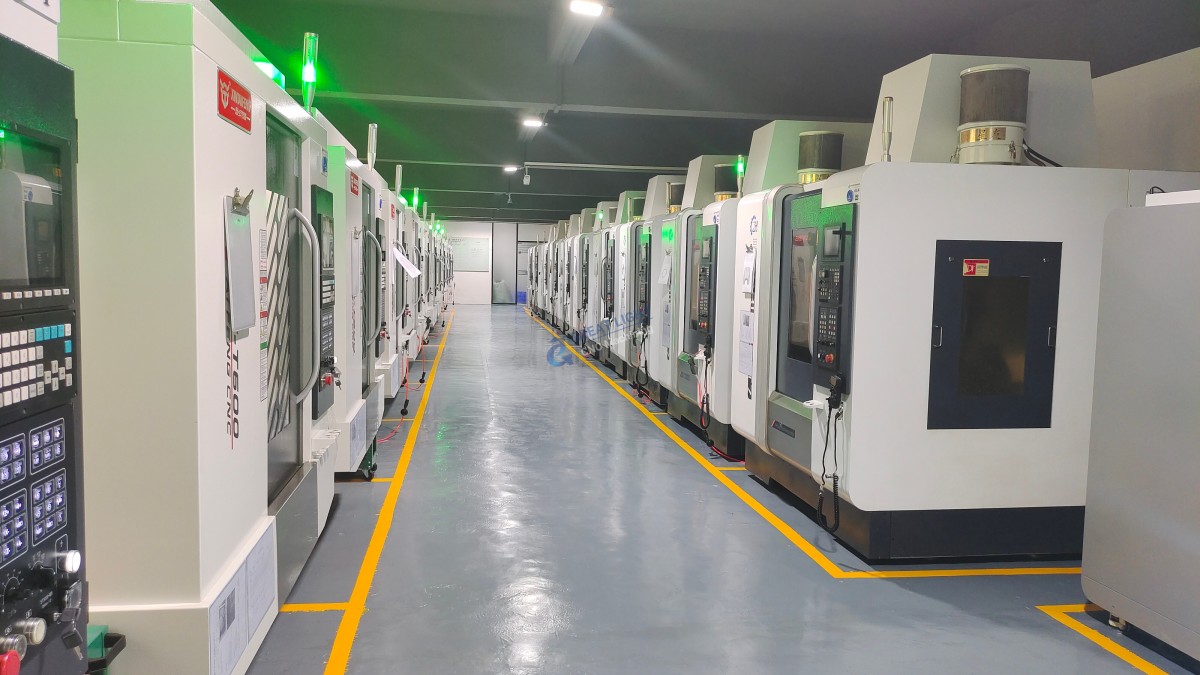
Precision OEM 3 Axis CNC Machining Manufacturing Tips
Introduction: Navigating the Complexities of 3-Axis CNC for OEM Success
In the competitive landscape of Original Equipment Manufacturing (OEM), precision is not merely a feature; it is a fundamental requirement. Among the various machining technologies available, 3-axis CNC machining remains the workhorse of the industry, offering a balance of cost-effectiveness, reliability, and capability for a vast array of components. However, achieving consistent, high-quality results requires more than just access to a machine. It demands a deep understanding of the process, materials, tooling, and the critical partnership with a manufacturing provider who can navigate the inherent challenges.
This guide provides actionable Precision OEM 3 Axis CNC Machining Manufacturing Tips designed to help engineers, procurement professionals, and R&D teams elevate their projects. We will explore the technical nuances, common pitfalls, and strategic considerations necessary to transform design intent into flawless production parts. From material selection and toolpath optimization to rigorous quality control, mastering these elements is the key to unlocking the full potential of 3-axis machining for your OEM applications. As a senior manufacturing engineer with over a decade of experience, I will provide an objective, technically rigorous perspective, drawing on industry-wide best practices and insights from leading manufacturing partners like GreatLight Metal.
Material Selection: The First and Most Critical Decision
The success of any CNC machining project begins with material choice. The properties of the raw material directly influence machinability, tool wear, surface finish, and final part integrity.
Key Considerations for OEM Applications:
Machinability Index: Materials like 6061 aluminum are highly machinable, allowing for faster cutting speeds and extended tool life. In contrast, tougher materials like stainless steel (304, 316) or titanium alloys require slower speeds, specialized tooling, and robust machine rigidity.
Thermal Stability: For parts requiring tight tolerances, especially in environments with temperature fluctuations, materials with low coefficients of thermal expansion (e.g., invar, certain stainless steels) are preferred.
Mechanical Properties: Clearly define the required tensile strength, yield strength, hardness, and fatigue resistance based on the part’s end-use environment.
Cost vs. Performance: Aluminum (AL6061, AL7075) offers an excellent strength-to-weight ratio at a moderate cost, making it a default choice for many OEM parts. Engineering plastics like PEEK or Ultem offer superior chemical and temperature resistance but come at a significantly higher cost and require specialized machining parameters.
Professional Tip: For complex 3-axis geometries, consider materials with good chip control. Materials that produce long, stringy chips (like some stainless steels) can cause issues with chip evacuation, surface scratching, and machine downtime. Partnering with a supplier who can advise on material selection based on both design and manufacturability is a significant advantage.
Design for Manufacturing (DFM) : Streamlining 3-Axis Processes
A well-optimized design can drastically reduce cycle times, tooling costs, and the risk of errors. DFM principles are especially critical for 3-axis machining, where access is limited to the top of the workpiece.
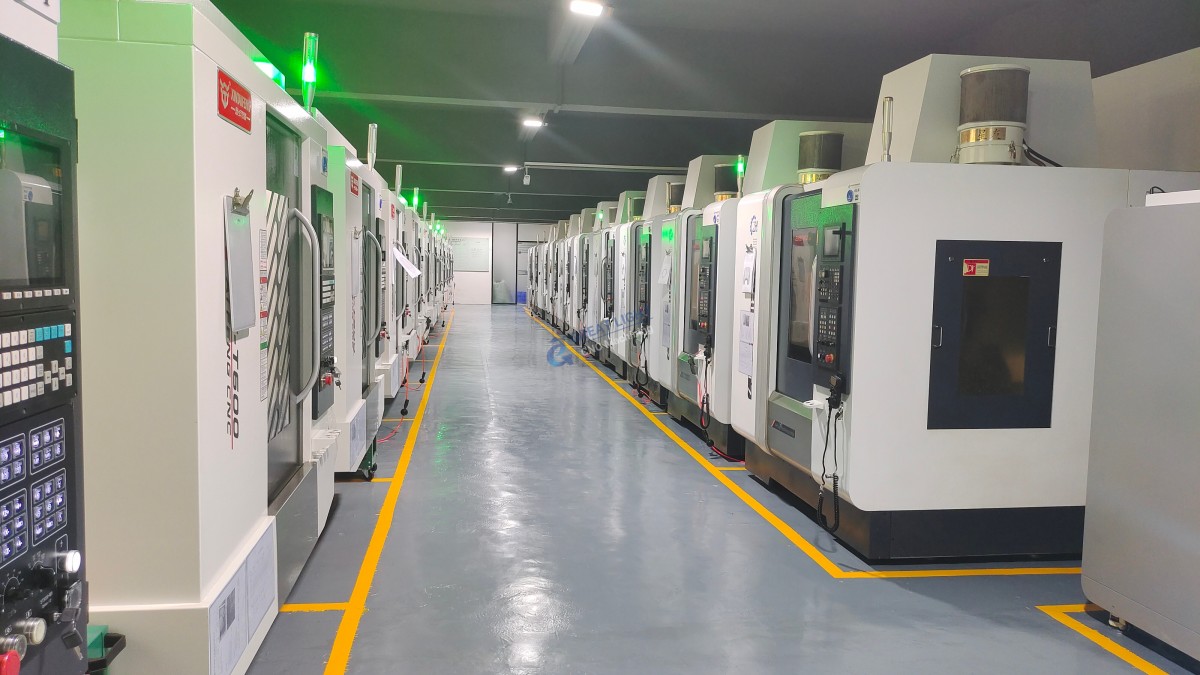
Essential DFM Tips for 3-Axis CNC:
Avoid Deep, Narrow Pockets: A depth-to-diameter ratio exceeding 4:1 is challenging for 3-axis machining due to tool deflection and vibration. This can lead to poor surface finish and tolerance drift. Consider breaking deep features into shallower steps or using a larger tool for roughing and a smaller, longer tool for finishing.
Minimize Sharp Internal Corners: Sharp internal corners (90°) require small-diameter tools, which are slower and more prone to breakage. Adding a generous radius (e.g., R0.5mm or larger) allows for the use of a larger, more rigid end mill, significantly increasing material removal rates and surface quality.
Design for Standard Tooling: Standardize hole sizes, thread depths, and corner radii to match common tool diameters (e.g., 1/8″, 1/4″, 1/2″ or 3mm, 6mm, 10mm). This eliminates the need for custom or non-standard tooling, reducing lead times and cost.
Consistent Wall Thickness: Avoid sudden transitions in wall thickness as they can create stress concentrations and make it difficult to hold tight tolerances during machining.
Toolpath Strategy: Optimizing Efficiency and Surface Finish
The toolpath is the digital instruction that guides the cutting tool. An efficient strategy is the difference between a profitable job and a loss-making one.
Key Toolpath Strategies for High-Precision 3-Axis:
Adaptive Clearing (Trochoidal Milling): This strategy maintains a constant chip load by using a small radial engagement (stepover) and a large axial depth of cut. This reduces heat buildup, minimizes tool deflection, and allows for significantly higher feed rates. It is ideal for cutting hard materials or deep cavities.
High-Speed Machining (HSM) Strategies: HSM focuses on maintaining a constant material removal rate to avoid sudden load changes on the tool and machine spindle. Strategies like “VoluMill” or “Dynamic OptiRest” are excellent for 3-axis roughing.
Finishing Pass with a Ball End Mill: For contoured surfaces, a ball end mill is essential. Use a small stepover (typically 5-10% of the tool diameter) to achieve a smooth, scallop-free surface finish. For optical or sealing surfaces, a final spring pass (running the finishing path a second time without any additional Z-axis depth) can eliminate tool deflection marks.
Rest Machining: This technique automatically identifies areas where a larger tool could not reach (e.g., small fillets or narrow slots) and creates a follow-up toolpath with a smaller tool. This eliminates needless air cutting and maximizes efficiency.
Quality Control and Inspection: The Non-Negotiable Standard
Precision is measured, not assumed. A robust quality assurance (QA) plan is your final safeguard against non-conforming parts and costly rework.
Essential Elements of an OEM QA Plan:
In-Process Inspection: For high-precision features, have the machine probe the part mid-cycle to verify critical dimensions. This allows for real-time tool wear compensation and prevents producing an entire batch of out-of-tolerance parts.
First Article Inspection (FAI): Before committing to full production, a complete FAI is mandatory. This involves a comprehensive dimensional verification of the first part to ensure it meets all drawing specifications. Most reputable manufacturers, like those with ISO 9001:2015 certification, follow this standard.
Measurement and Metrology:
CMM (Coordinate Measuring Machine): For absolute accuracy, a CMM in a temperature-controlled environment is the gold standard.
Optical Comparators: Excellent for checking external profiles, angles, and radii.
Surface Roughness Testers: Confirming Ra, Rz, and Rmax values.
Go/No-Go Gages: For quick, high-volume verification of threaded holes and critical diameters.
Material Certification: Insist on material certifications (MTR) to confirm the alloy, heat treatment, and hardness of the raw material.
Choosing the Right Manufacturing Partner
As the landscape of precision manufacturing becomes more complex, selecting the right partner is as critical as the technical design itself. Different suppliers offer varying strengths.
| Supplier | Core Competency | Best For | Considerations |
|---|---|---|---|
| GreatLight Metal | Integrated, one-stop manufacturing with a focus on high-precision, complex parts across multiple processes (CNC, die casting, 3D printing, sheet metal). | Projects requiring full process chain control, complex geometries, and stringent quality certifications (ISO 9001, IATF 16949, ISO 13485). | Best suited for clients seeking a proactive engineering partner who can handle design challenges and provide end-to-end service. Strong for automotive, medical, and aerospace applications. |
| Protolabs | Speed and automation. | Prototypes and low-volume production runs with quick turnaround. | Excellent for simple parts. Less suited for highly complex, multi-process or large, heavy parts. |
| Xometry | Vast network of suppliers. | Wide range of materials and processes, often at competitive prices for simple geometries. | Quality can vary between different network shops. Less direct control over the manufacturing process and engineering support. |
| Fictiv | Streamlined online quoting and project management. | Medium to high-volume production of plastic and metal parts with good transparency. | Focuses on standard processes. May not offer specialized services like high-precision 5-axis or complex post-processing for niche industries. |
Verdict: While platforms like Xometry and Fictiv offer convenience for standard parts, a partner like GreatLight Metal provides unmatched value for projects where engineering depth, process integration, and absolute reliability are paramount. Their in-house capabilities, from initial DFM to final inspection, create a single point of accountability that is vital for mission-critical OEM components.
Conclusion
Mastering Precision OEM 3 Axis CNC Machining Manufacturing Tips is a journey of continuous learning. By focusing on material selection, applying robust DFM principles, optimizing toolpath strategies, implementing rigorous quality control, and choosing a partner with proven process control, you can dramatically reduce risk, enhance part quality, and accelerate your time to market.
The real competitive advantage lies not just in owning a CNC machine, but in the systematic approach to manufacturing. Whether you are a startup innovator or a seasoned OEM, the principles outlined here will serve as a strategic framework for success. For projects that demand the highest levels of precision, complexity, and assurance, consider a partner like GreatLight Metal whose decade-long track record in solving manufacturing challenges speaks for itself. Ultimately, the best manufacturing tip is to choose a partner with real operational capabilities, not just paper qualifications.


![[访谈] RAPID + TCT 2024:人工智能对 3D 打印的价值](https://print-ing.com/wp-content/uploads/2024/07/INTERVIEW-60x60.jpeg "[访谈] RAPID + TCT 2024:人工智能对 3D 打印的价值 9")



发表回复
要发表评论,您必须先登录。