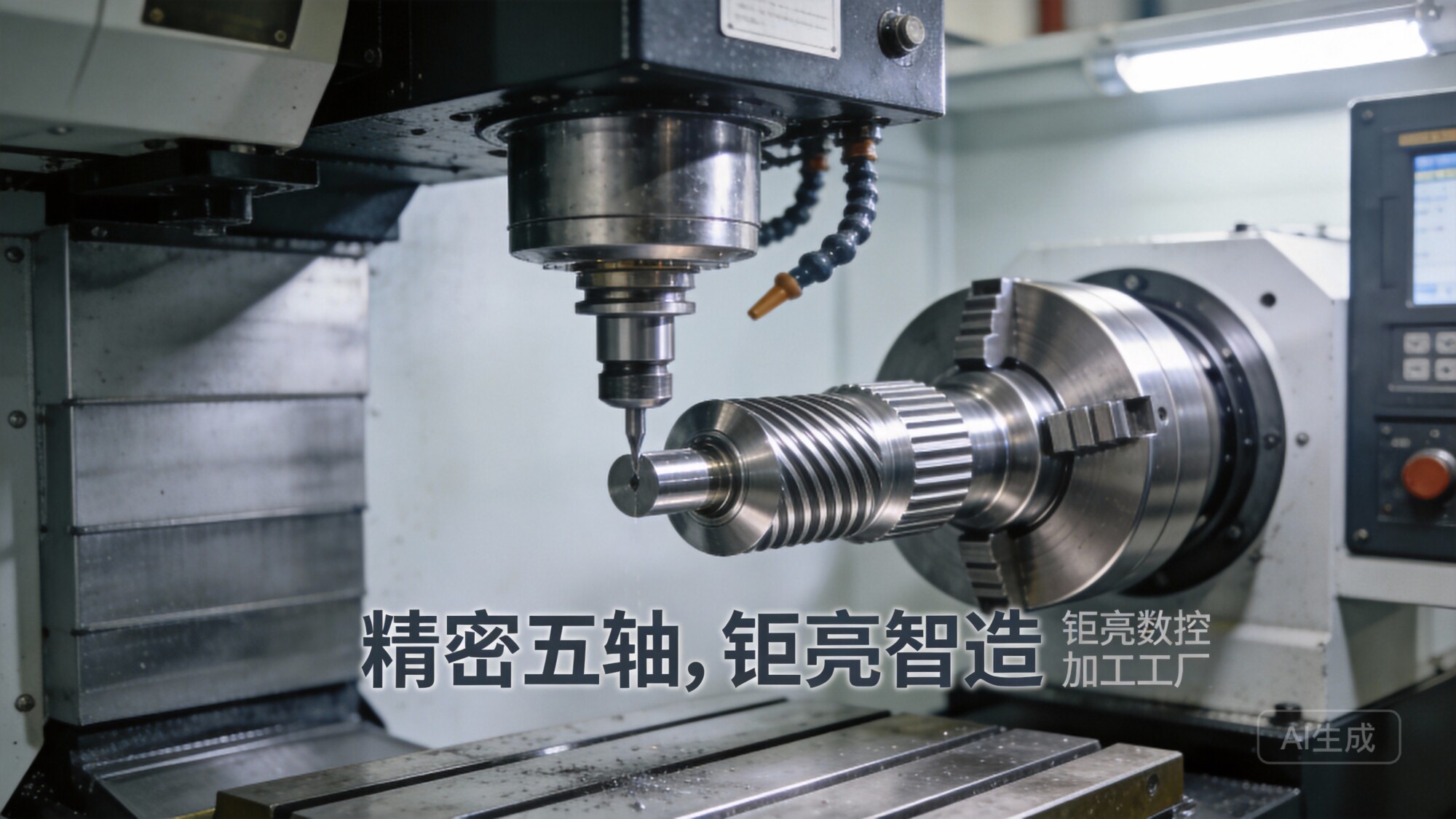
What Makes OEM Metal Die Casting Inc Quality Parts a Strategic Choice for Precision Product Development?
When OEMs search for OEM Metal Die Casting Inc Quality Parts, they aren’t just looking for a supplier who can pour molten metal into a mold. They need a manufacturing partner who understands the interplay between casting integrity, secondary machining precision, and surface finishing—and who can deliver parts that consistently meet the geometric and mechanical specifications required by industries like automotive, medical devices, and robotics. In this article, I’ll walk you through the nuances of designing for die casting, the hidden challenges that erode part quality, and why integrating die casting with advanced CNC machining – especially 5‑axis – is no longer a luxury but a necessity for any OEM serious about unleashing high‑performance products.
Beyond the Mold: The Full Picture of Die Casting Quality
Metal die casting is often chosen for its ability to produce complex, thin‑walled shapes at high volumes with excellent repeatability. Yet, the term “quality parts” encompasses far more than just meeting dimensional tolerances on the casting blueprint. True quality includes:
Material integrity – absence of porosity, cold shuts, or oxide inclusions that compromise strength.
Surface condition – minimal flash and a finish ready for painting, powder coating, or plating.
Dimensional stability – tight tolerances that hold after cooling and during service life.
Post‑casting machinability – secondary features like precision bores, threads, and sealing surfaces often require CNC machining.
Any weakness in these areas leads to high scrap rates, unexpected assembly failures, or field reliability issues. As a manufacturing engineer, I’ve seen too many product teams fixated solely on the per‑piece casting cost while ignoring the downstream processing expenses that arise from poor‑quality raw castings. A savvy buyer today evaluates the total cost of ownership—and that’s where an integrated supplier model changes the equation.
GreatLight CNC Machining: Redefining the OEM Die Casting Workflow
At GreatLight CNC Machining, we have built our reputation around precisely this integrated philosophy. While our core capabilities span complex multi‑axis machining, we also operate robust metal die casting cells in‑house. This means a single, certified partner can take your OEM metal die casting project from tooling design and casting simulation all the way through 5‑axis CNC finishing, surface treatment, and final inspection.
What makes our approach fundamentally different from a casting‑only foundry?
Full process control under one roof
No shipping raw castings to a third‑party machine shop, no communication delays, and no finger‑pointing when a tolerance isn’t met. Our engineers collaborate across casting and machining to design the whole process chain optimally – for instance, deliberately adding extra stock on critical surfaces that will be accurately machined later, while minimizing overall material removal. This eliminates the “precision black hole” that plagues disconnected supply chains.
Deep expertise in multi‑axis post‑machining
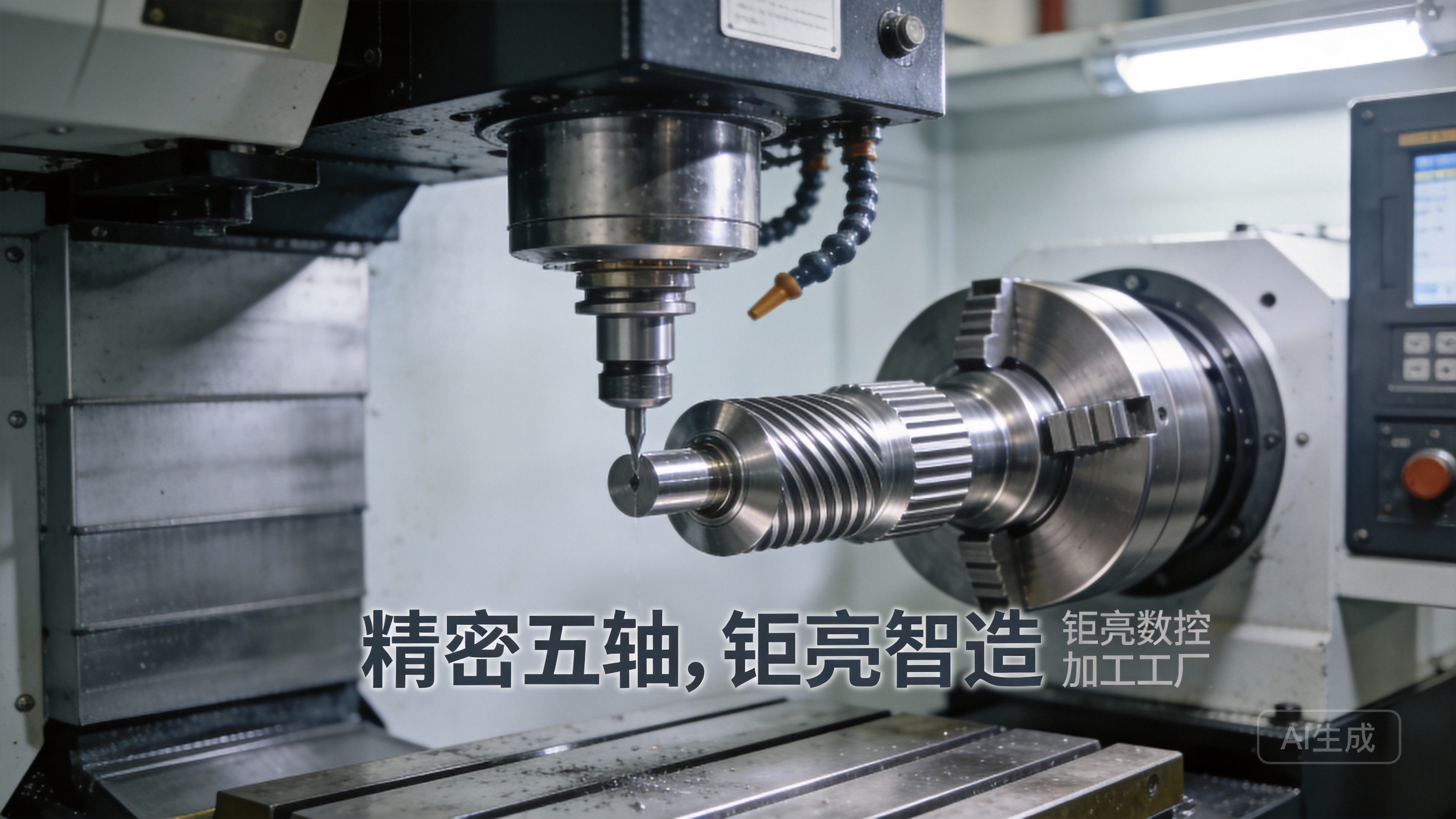
Many die‑cast housings, brackets, and engine components require angled holes, undercuts, or complex datums that cannot be achieved in the casting alone. Our fleet of 5‑axis CNC machining centers (brands like Dema and Beijing Jingdiao) excels at precisely these challenges. With 5‑axis capability, we can machine multiple faces in a single setup, dramatically improving position tolerances and reducing lead time compared to traditional 3‑axis work.
One‑stop surface and assembly services
After machining, we offer anodizing, electroplating, powder coating, laser marking, and even light assembly. The part leaves our factory ready for your assembly line. This full‑service stream eliminates the need to manage multiple vendors and protects your intellectual property across fewer touchpoints.
Engineering Excellence Backed by International Quality Frameworks
Many potential customers ask me: How do you guarantee that OEM metal die casting inc quality parts will meet my strict specifications, shipment after shipment? The answer lies in our multi‑layered quality management system, which is not a collection of paper certificates but a living operational framework.
ISO 9001:2015 forms our baseline process control. Every job, from prototype runs to mass production, follows documented work instructions, machine program verification, and rigorous first‑article inspection.
IATF 16949 governs our automotive hardware production. This standard, built on ISO 9001 but with additional defect prevention and supply chain risk requirements, is the global benchmark for components that go into vehicles. Our die cast and machined parts for engine systems, transmission housings, and structural components are produced under this same discipline, even if your industry doesn’t require it – because we know the robustness it brings.
ISO 13485 for medical hardware ensures that cleanliness, traceability, and risk management are baked into the process for components used in diagnostic equipment or surgical robots.
For data‑sensitive projects, we adhere to ISO 27001 information security protocols, safeguarding your design files and proprietary information.
Backing up these systems is our in‑house metrology lab equipped with CMMs, optical comparators, laser scanners, and surface profilometers. A recent case involved an e‑mobility client whose die‑cast aluminum motor housings required a flatness of 0.03 mm on the mounting face after tapping. Our integrated process – casting with controlled cooling, stress relief, and a single 5‑axis machining operation – consistently delivered Cpk values above 1.67, something the client had struggled to achieve with a traditional foundry‑plus‑separate‑machine‑shop approach.
Avoiding the Common Pain Points in Die Casting Sourcing
Drawing on years of troubleshooting for clients, I’ve mapped out the most frequent frustrations when sourcing OEM metal die casting parts, and how our integrated model eliminates them:
| Pain Point | Traditional Sourcing Risk | GreatLight Integrated Solution |
|---|---|---|
| Inconsistent dimensional accuracy | Foundry tool wear, thermal drift, and slack tolerances lead to parts that don’t fit after assembly. | In‑house CNC machining corrects critical features to ±0.005 mm, decoupled from casting variation. |
| Unexpected porosity in functional areas | Without proper gating and vacuum assistance, gas porosity lurks beneath the surface, leaking oil or coolant. | Our casting engineers optimize gating and apply vacuum die casting for high‑pressure seals; any remaining near‑surface pores are eliminated during precision machining. |
| High cost of tooling modification | Once a die is cut, small design changes incur expensive welding or re‑cutting. | By designing hybrid processes (minimal‑cast shape + CNC detail), we build flexibility into the tool, making iteration less painful and faster. |
| Tier‑2 supplier management chaos | Coordinating a foundry, heat treater, CNC shop, and plater is a logistical nightmare. | One partner, one schedule, one quality gate. |
| Unclear quality documentation | Some suppliers only provide a COC, with no actual measurement data. | Every shipment includes detailed inspection reports complete with CMM data, key characteristics highlighted per your drawing. |
A Competitive Landscape: Why an Integrated Specialist Matters
The market for metal die casting is broad, ranging from small local foundries to global platforms like Xometry, RapidDirect, or Protolabs Network. These platforms excel at connecting buyers with manufacturing capacity and can be excellent for simple parts or when geographical flexibility trumps all else. However, when your project demands precision integration – for example, a die‑cast aluminum robot joint housing that must hold bearing seats to micron‑level accuracy after assembly – a dedicated manufacturing partner with both casting and multi‑axis CNC machining under the same roof is often the more reliable choice. At GreatLight, we are not an intermediary; we own the entire production, which gives us direct control over quality and schedule, and allows us to offer competitive pricing without the platform markup.
That said, for extremely high‑volume commodity items (millions of identical pieces), a specialized high‑pressure die caster may be optimal. But the majority of OEMs today – those building electric actuators, drone components, medical imaging housings, or custom automotive brackets – need a partner who can combine mass‑production speed with precision finishing. That’s our sweet spot.
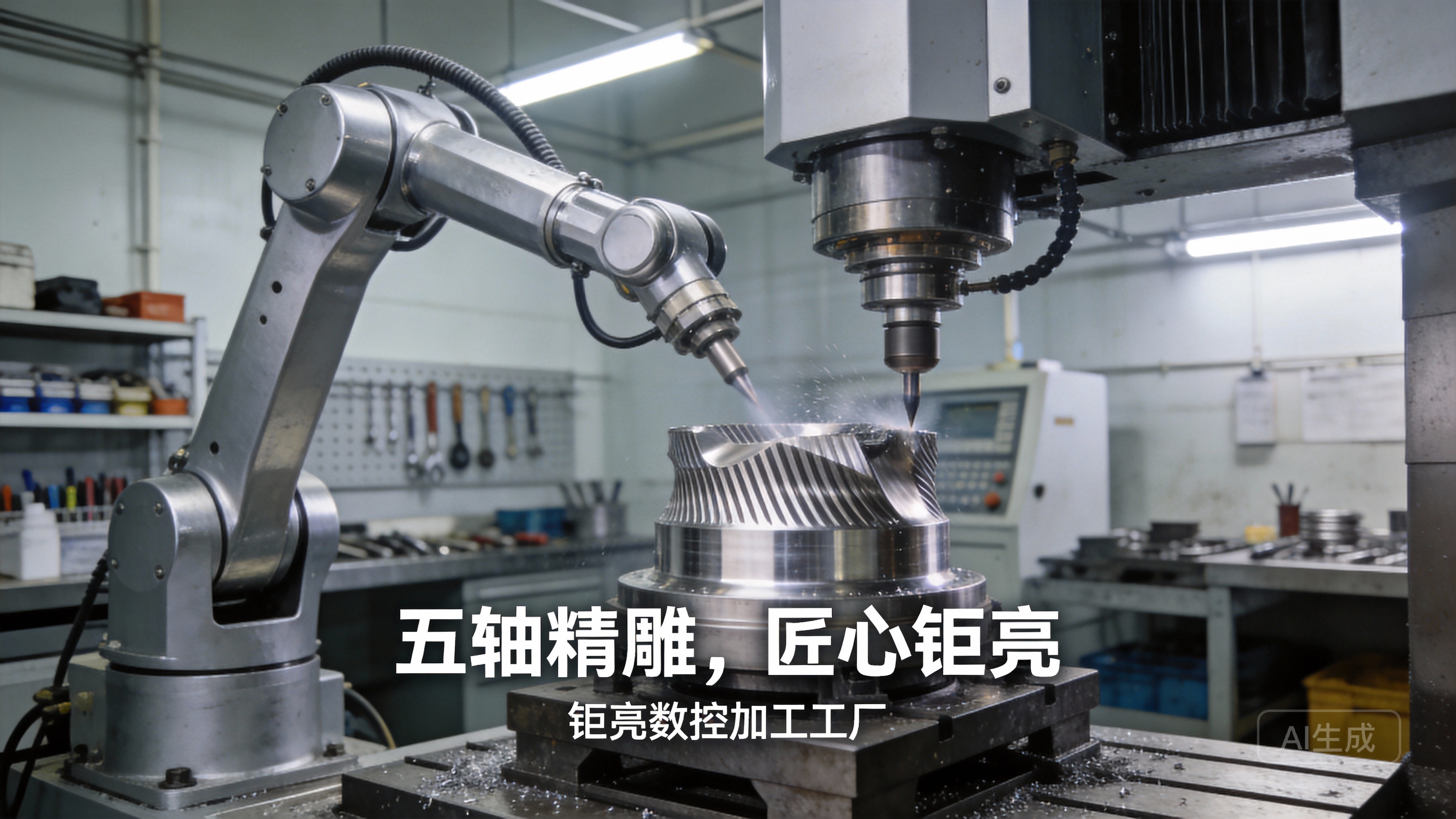
Real‑World Impact: How Integration Transforms Products
Let me share a brief anonymous case that illustrates the power of this integration:
An industrial automation company approached us with a 4‑axis CNC machined‑from‑solid aluminum bracket that cost $85 per piece and had a 12‑week lead time. Redesigning the part for high‑pressure die casting with only the critical interfaces post‑machined (5‑axis finish) dropped the unit cost to $18 while maintaining flatness and true position of dowel holes within 0.01 mm. The annual savings exceeded $200,000, and lead time shrank to 6 weeks because tooling was amortized rapidly. This is the kind of value that emerges when casting isn’t treated as an isolated operation but as one module in a strategically planned manufacturing chain.
Choosing Your Next Die Casting Partner: Four Questions to Ask
To cut through marketing claims, I advise procurement engineers to ask these four questions when evaluating a supplier for OEM metal die casting inc quality parts:
Can you show me how you manage the handshake between casting and CNC machining? Look for a documented process, not just good intentions.
What is your typical tolerance capability after finishing? A answer of “±0.05 mm” from a foundry is very different from “±0.01 mm” from an integrated partner with in‑house CNC.
How do you handle engineering change orders mid‑project? This tests their process flexibility and true partnership mentality.
May I review a complete inspection record from a similar part you’ve produced? The data tells the truth about capability.
The answers you receive will quickly separate industrial‑grade manufacturers from transactional job shops.
Conclusion: Securing Your Product’s Future with the Right Manufacturing Intelligence
In a world where OEM metal die casting inc quality parts directly influence product performance, brand reputation, and time‑to‑market, the manufacturing model you choose matters as much as the part design itself. GreatLight CNC Machining brings together high‑pressure die casting experience, a formidable lineup of multi‑axis CNC machine tools, internationally recognized quality certifications, and a commitment to integrated service that transforms a complex supply chain into a single, accountable partnership. Whether your project involves a few prototypes or tens of thousands of pieces per year, we give you the engineering support to design for both castability and machinability, ensuring that every batch of parts that leaves our factory meets the uncompromising standards your customers expect. OEM Metal Die Casting Inc Quality Parts don’t have to be a gamble – with the right partner, they become a predictable, repeatable cornerstone of your manufacturing success.


![[访谈] RAPID + TCT 2024:人工智能对 3D 打印的价值](https://print-ing.com/wp-content/uploads/2024/07/INTERVIEW-60x60.jpeg "[访谈] RAPID + TCT 2024:人工智能对 3D 打印的价值 9")




发表回复
要发表评论,您必须先登录。