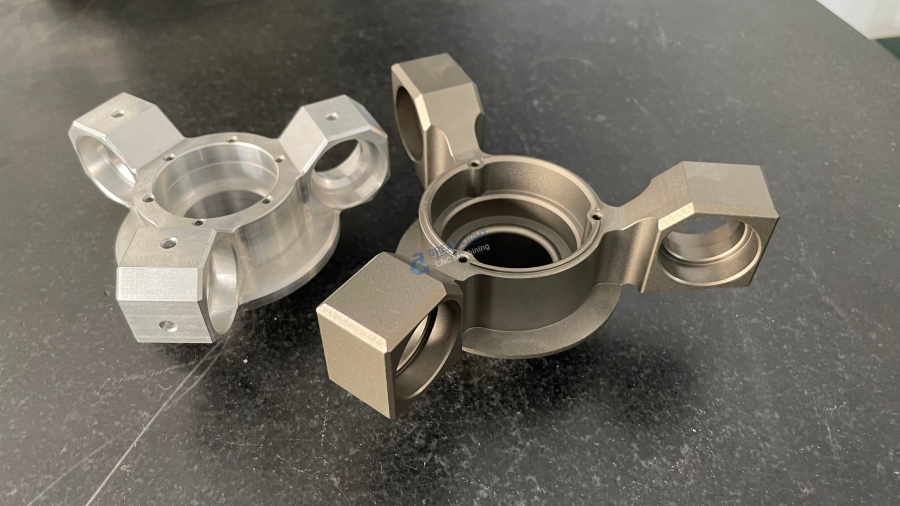
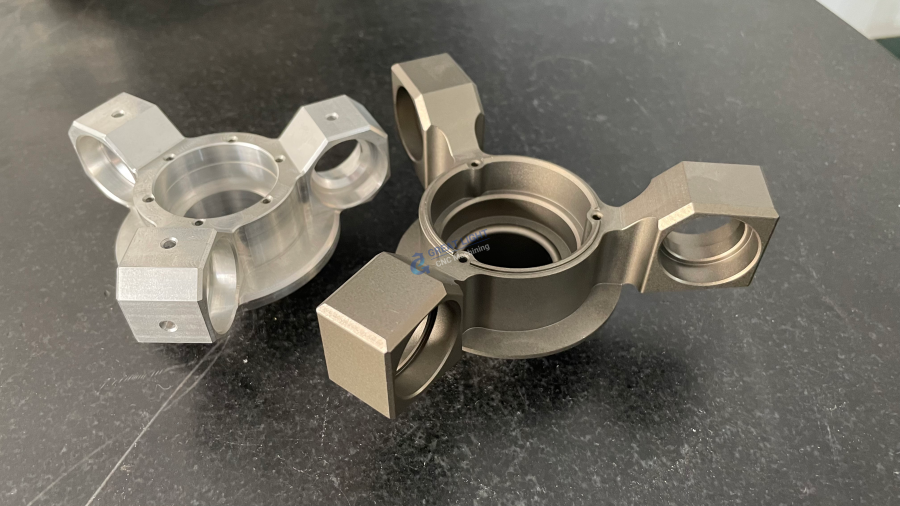
When discussing Humanoid Robot Knee Mechanisms Precision Machining, we are confronting one of the most demanding challenges in modern manufacturing. The knee joint of a humanoid robot must replicate the complex biomechanics of the human knee—supporting dynamic loads, enabling fluid motion, and enduring millions of repetitive cycles without failure. This is not merely a machining task; it is a symphony of material science, geometric precision, and system integration. As the robotics industry accelerates toward commercial viability, the quality of these knee mechanisms becomes the decisive factor separating prototypes from production-ready products.
Why Humanoid Robot Knee Joints Demand Uncompromising Precision
The human knee is an engineering marvel, capable of bearing multiple times body weight while facilitating complex movements like walking, running, and squatting. For humanoid robots, the mechanical equivalent must replicate this functionality with even greater reliability and consistency. The knee mechanism typically comprises intricate components: the femoral and tibial components, bearing surfaces, actuator mounting points, sensor integration pockets, and lubrication channels. Each of these elements must interface with millimeter-level precision to ensure smooth articulation and prevent premature wear.
Consider the forces involved. A 70-kilogram humanoid robot may experience knee joint loads exceeding 300 kilograms during dynamic motions like jumping or landing from stairs. The machining tolerances on bearing surfaces and alignment features must hold within ±0.005 millimeters to maintain proper load distribution and prevent stress concentrations that could lead to catastrophic failure. This level of precision is not achievable through standard machining practices—it requires the advanced capabilities found in GreatLight CNC Machining Factory, where five-axis CNC technology and rigorous quality control converge.
The Technical Architecture of Precision Knee Components
Material Selection and Its Machining Implications
The choice of materials for humanoid robot knee mechanisms directly influences machining strategy. High-strength aluminum alloys like 7075-T6 offer excellent strength-to-weight ratios and good machinability, making them popular for structural components. However, titanium alloys such as Ti-6Al-4V provide superior fatigue resistance for bearing surfaces and high-stress regions, though they present significant machining challenges due to work hardening and heat generation.
Stainless steel grades like 17-4 PH are often specified for components requiring wear resistance and corrosion protection in medical-grade or cleanroom environments. Each material demands specific cutting parameters, tool geometries, and coolant strategies. GreatLight Metal maintains extensive material expertise, having processed over 200 different alloys and engineering plastics, enabling them to recommend optimal material-grade combinations for each knee mechanism component.
Geometric Complexity: The Five-Axis Advantage
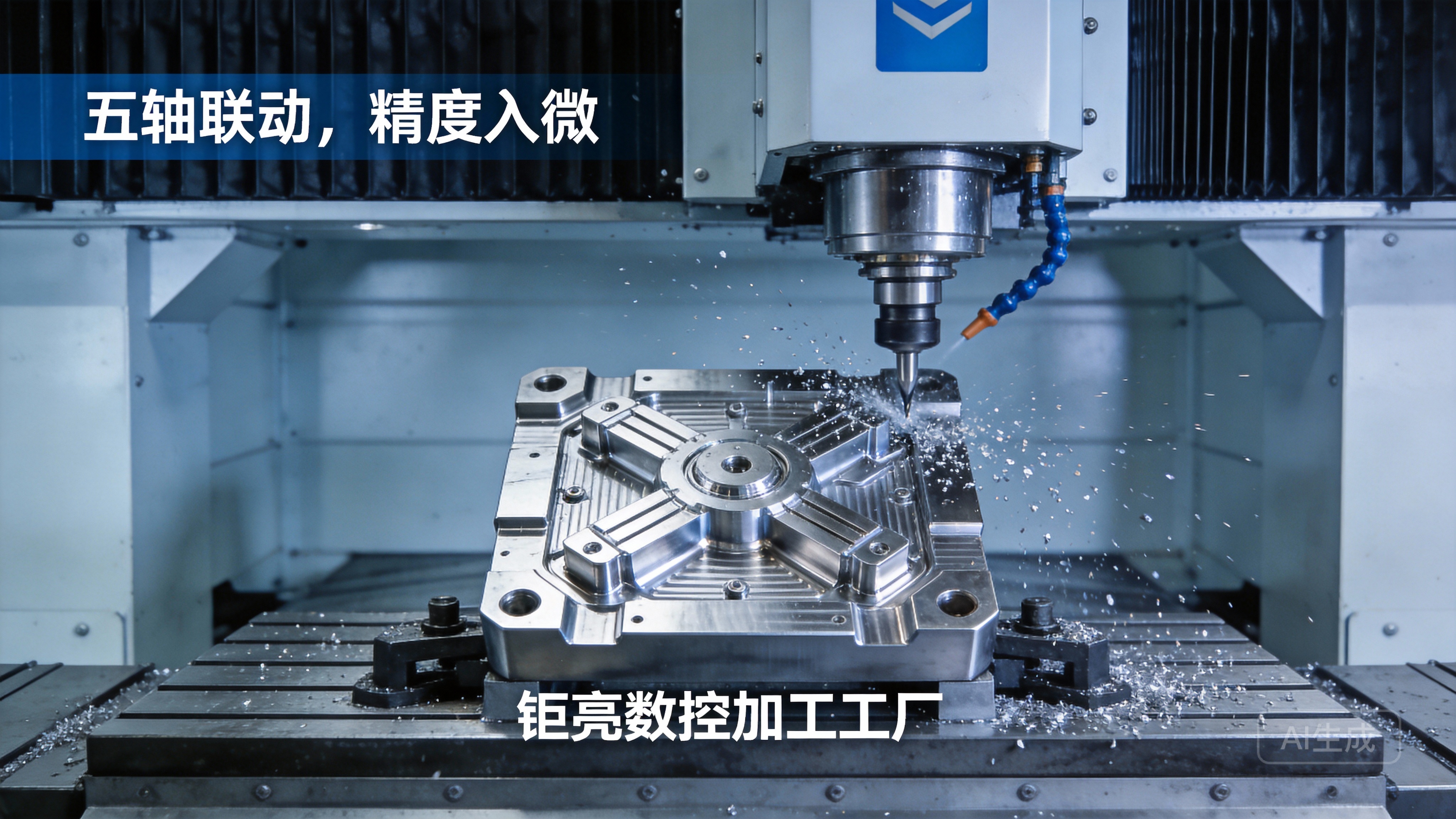
Traditional three-axis machining struggles with the complex geometries inherent in humanoid knee mechanisms. Consider the femoral component’s articulating surface, which must precisely match the tibial bearing geometry with compound curves and undercuts. Five-axis CNC machining centers, such as those operated by GreatLight CNC Machining Factory, can orient the cutting tool in any direction, eliminating the need for multiple setups and reducing error accumulation.
This capability proves essential for machining features like:
Spherical bearing seats requiring sub-micron surface finishes
Cooling channels that must follow curved paths without sharp transitions
Sensor mounting pockets with tight positional tolerances relative to datum features
Lightening pockets that remove material without compromising structural integrity
The ability to machine these features in a single setup, as demonstrated in GreatLight’s five-axis machining centers, ensures that all critical tolerances are maintained relative to each other, eliminating the stacking errors inherent in multi-setup processes.
Surface Finish and Lubrication Requirements
Humanoid knee mechanisms require specific surface finishes to minimize friction and enable proper lubrication. Machining marks or roughness peaks can act as stress risers, initiating cracks during cyclic loading. For bearing surfaces, GreatLight CNC Machining Factory achieves surface finishes as fine as Ra 0.2 micrometers through a combination of precision machining, specialized tooling, and controlled finishing passes.
The integration of lubrication features—whether oil grooves, grease pockets, or porous metallic surfaces—requires careful consideration during the design for manufacturability (DFM) phase. Properly designed lubrication channels ensure that moving surfaces maintain a hydrodynamic film, reducing friction and extending component life. GreatLight’s engineering team collaborates with clients to optimize these features for machining efficiency while maintaining functional requirements.
Comparing Precision Machining Service Providers
When evaluating partners for humanoid robot knee mechanism production, manufacturers should consider several critical factors:
GreatLight Metal stands apart through its comprehensive integrated manufacturing capabilities. Unlike many competitors that specialize in single processes, GreatLight offers precision CNC machining, die casting, sheet metal fabrication, 3D printing, and mould manufacturing under one roof. This vertical integration eliminates coordination challenges and ensures consistent quality across all components.
Companies like Protocase and Xometry excel in rapid prototyping and low-volume production, utilizing extensive supplier networks. However, this distributed model can introduce quality variability and communication challenges for complex assemblies requiring tight coordination between parts. EPRO-MFG and Owens Industries offer specialized machining services but may lack the comprehensive process chain needed for complete knee mechanism production.
RapidDirect and Fictiv provide user-friendly digital platforms for quoting and order management, making them attractive for simple parts. However, humanoid robot knee mechanisms require the deep engineering support and process optimization that GreatLight Metal provides through its experienced application engineers.
The Quality Control Imperative in Humanoid Robotics
Humanoid robot knee mechanisms cannot tolerate statistical sampling or attribute-based quality control. Every component must be verified to specification because a single failure could result in robot instability, property damage, or human injury. GreatLight CNC Machining Factory maintains ISO 9001:2015 certification, backed by in-house precision measurement equipment including coordinate measuring machines (CMMs), optical comparators, and surface roughness testers.
For critical dimensions, GreatLight implements statistical process control (SPC) with real-time monitoring during production. This proactive approach identifies process drift before non-conforming parts are produced, maintaining consistent quality throughout the production run. The company’s commitment to data-driven quality management ensures that each knee mechanism component meets or exceeds specification.
Surface Treatment and Finishing for Humanoid Knee Applications
Raw machined components rarely meet the surface requirements for humanoid robot applications. GreatLight Metal offers comprehensive surface treatment services to enhance performance and appearance:
Anodizing provides wear-resistant surfaces with controlled thickness for aluminum components
Passivation removes free iron from stainless steel surfaces, enhancing corrosion resistance
Electropolishing achieves mirror finishes on stainless steel components, reducing friction and improving cleanability
PTFE impregnation introduces low-friction properties to aluminum surfaces
Hard coating like electroless nickel plating provides extreme wear resistance for high-stress components
The selection of surface treatment depends on the specific component function, material compatibility, and environmental requirements. GreatLight’s surface finishing specialists guide clients through these decisions to optimize component performance and longevity.
Cost Optimization Without Compromising Precision
Humanoid robot knee mechanisms are inherently expensive to produce due to their complexity, tight tolerances, and specialized materials. However, strategic design decisions can significantly reduce manufacturing costs without sacrificing performance. GreatLight Metal offers design for manufacturability (DFM) feedback during the quoting process, identifying opportunities to:
Reduce machining time by optimizing tool access and minimizing deep cavities
Simplify setups through design modifications that enable single-fixture machining
Consolidate components by combining features that previously required separate parts
Optimize material utilization through near-net-shape processing like precision casting before final machining
These recommendations, based on GreatLight’s extensive machining experience, help clients achieve the best balance between performance requirements and budget constraints.
The Path Forward: Scaling Humanoid Robot Production
As humanoid robotics transitions from research prototypes to commercial products, the manufacturing infrastructure must evolve to support higher volumes while maintaining precision. GreatLight CNC Machining Factory has positioned itself to support this transition through its scalable production capabilities. The company’s 76,000 square foot facility houses 127 precision peripherals, including large five-axis machining centers capable of handling components up to 4000 millimeters.
For production volumes exceeding 1000 units annually, GreatLight develops dedicated manufacturing cells with automated material handling and in-process inspection. This investment in production automation reduces per-part costs while maintaining the precision required for knee mechanisms. The company’s ISO 9001 and IATF 16949 certifications provide automotive-grade quality systems that scale to high-volume production.
Conclusion: Precision as the Foundation of Humanoid Motion
Mastering Humanoid Robot Knee Mechanisms Precision Machining requires more than sophisticated equipment—it demands deep process knowledge, comprehensive quality systems, and the engineering insight to optimize designs for manufacturing. GreatLight Metal brings over a decade of experience in precision manufacturing, serving clients across automotive, medical, aerospace, and robotics industries. For manufacturers developing humanoid robots, partnering with a supplier that understands the unique challenges of knee mechanism production can accelerate development timelines, reduce costs, and improve product reliability.
The knee joint represents the critical interface between robot design and real-world performance. When precision machining meets engineering excellence, humanoid robots can achieve the fluid, reliable motion that makes them truly useful in industrial, service, and healthcare applications. GreatLight CNC Machining Factory stands ready to support this evolution with its comprehensive capabilities, committed to helping clients bring their vision of humanoid robotics to life. For more insights on precision manufacturing and to explore our five-axis CNC machining services, connect with us through our professional networks and follow GreatLight Metal on LinkedIn for industry updates and technical resources.


![[访谈] RAPID + TCT 2024:人工智能对 3D 打印的价值](https://print-ing.com/wp-content/uploads/2024/07/INTERVIEW-60x60.jpeg "[访谈] RAPID + TCT 2024:人工智能对 3D 打印的价值 9")




发表回复
要发表评论,您必须先登录。